Understanding Horses

Horse behavior is shaped by sensitivity, awareness, and constant interaction with the surrounding environment. What may seem like sudden or unpredictable reactions often follows clear patterns influenced by context, movement, and internal state.

This site explores how horses behave, how they respond to people and environmental changes, and how everyday situations shape their reactions. Understanding these patterns helps make sense of behavior that might otherwise seem unclear.

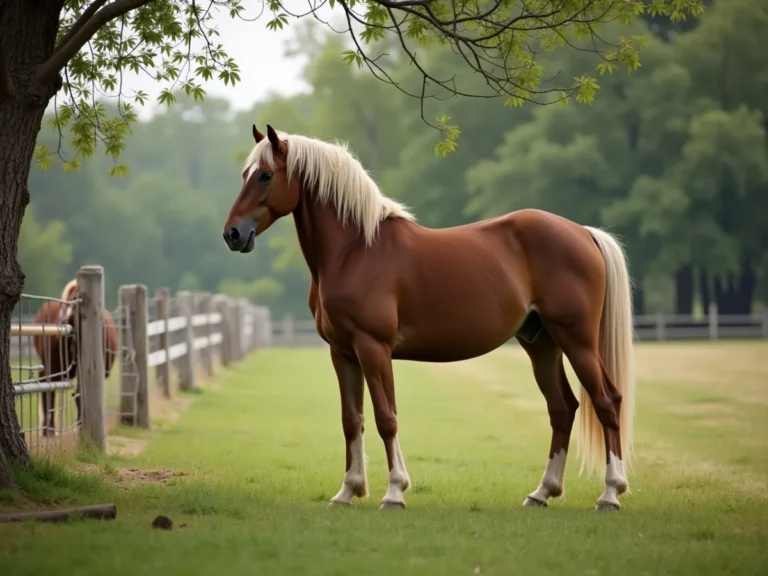
Horse with pinned ears in a pasture

Pinned Ears in Horses: What They Can Signal

Pinned ears are one of the clearest pieces of body language a horse can show. The ears move back, sometimes flatten tightly against the neck, and the whole expression can change in an instant. People often notice the ears first because they are easy…

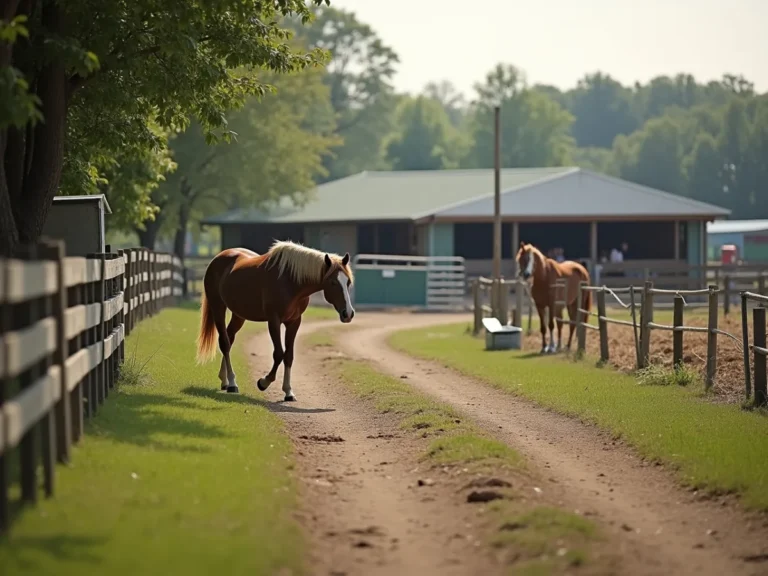
Horse trail with uneven pace signs

Unexpected Changes in Pace: What They Mean

A horse that suddenly changes pace rarely does it for no reason. One moment the rhythm feels steady, and the next the horse is slowing, quickening, hesitating, or surging forward in a way that seems out of place. That shift can be mild or…

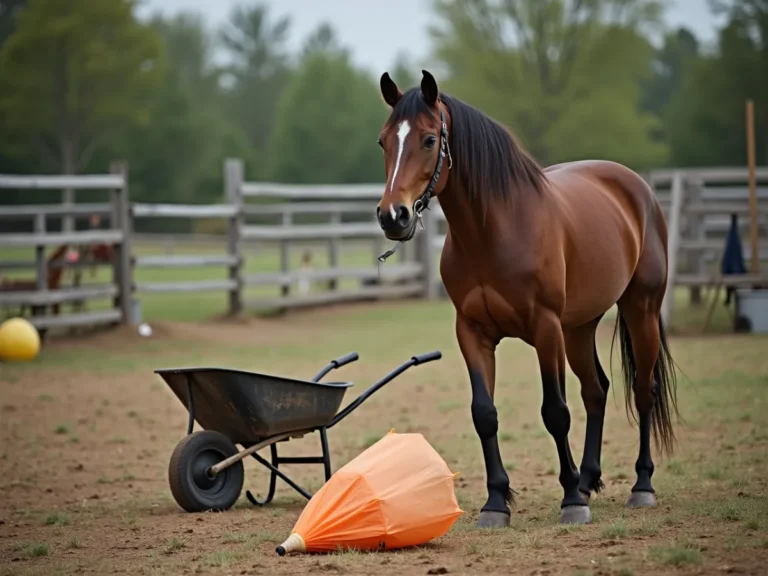
Horse hesitating near a training cone

Resistance to Repeated Tasks

Repeated tasks can change the way a horse responds long before anything looks obviously wrong. A horse that used to walk forward on cue may start to hesitate. Another may drift, brace, paw, or simply feel harder to reach on the same exercise that…

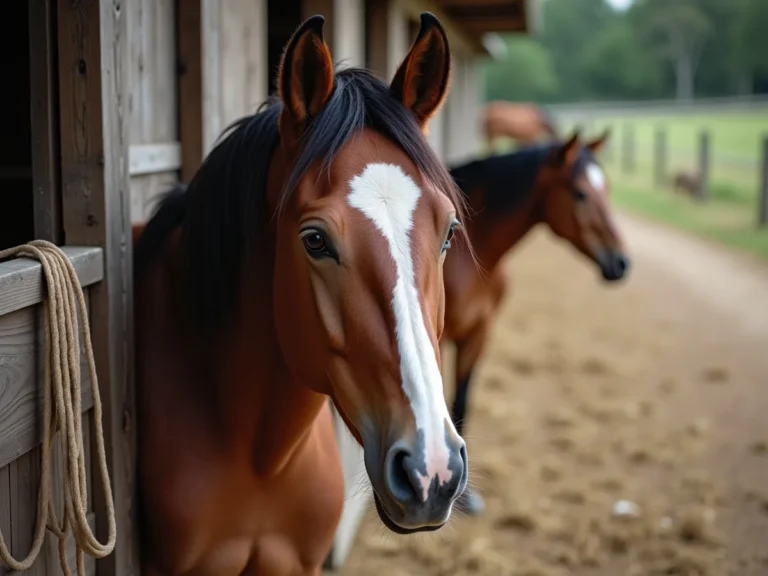
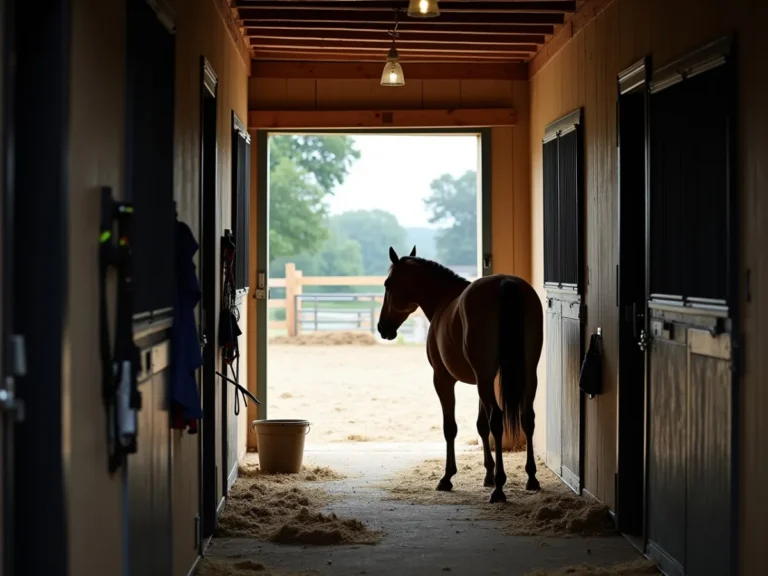
Horse near stable doorway with calm surroundings

Sensitivity to Human Emotions

Horses notice more than most people expect. A change in voice, a shift in posture, a different route to the paddock, or even a pause before a familiar routine can affect the way they respond. Sensitivity to human emotions is not just a poetic…

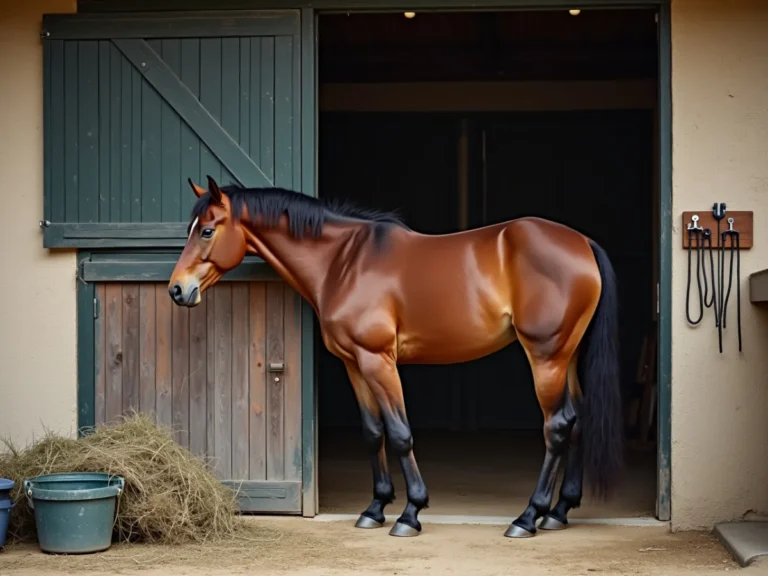
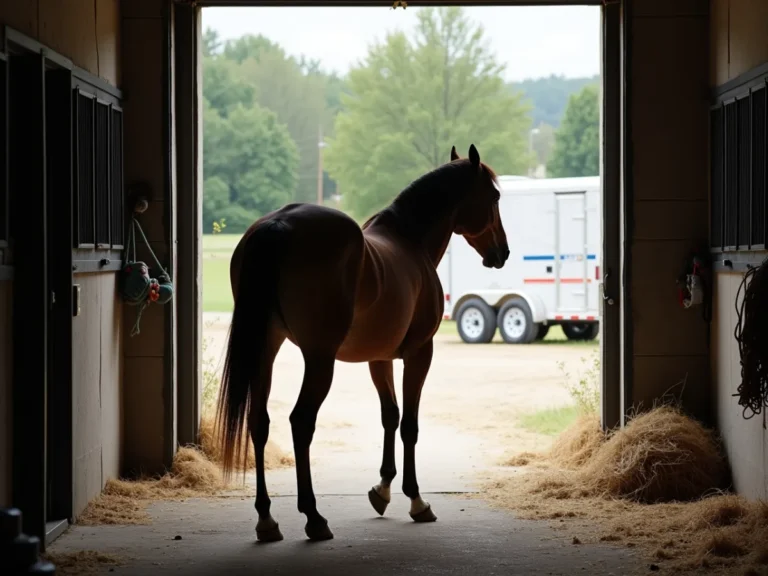
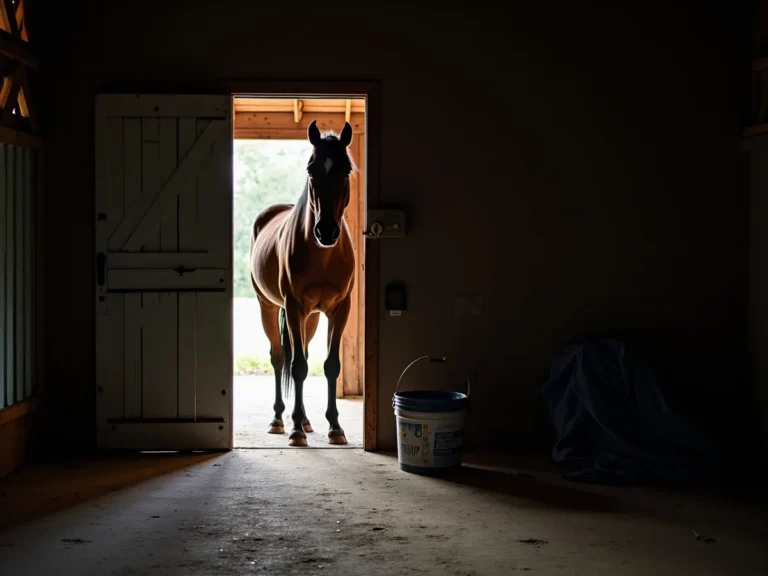
Horse standing quietly by a stable doorway

Ignoring Basic Commands: What It May Signal

A horse that ignores a basic request can look stubborn from a distance, but the moment rarely starts that simply. A missed cue may come from confusion, distraction, fatigue, discomfort, or a reaction to something in the surroundings. The behavior itself is only the…

Horse watching the pasture with alert ears

How Horses Scan Their Environment

A horse does not scan the world the way a person does. It does not lean on one sense and ignore the rest. Instead, it gathers information constantly, using sight, hearing, smell, touch, and even body position to decide whether the space around it…

Horse near quiet arena fencing

Reactions to Crowds and Activity

A crowd can change a horse’s whole attitude in seconds. A quiet horse that walks easily at home may become watchful, tense, or hurried when people gather nearby, music starts, or several animals move at once. The reaction is not always dramatic. Sometimes it…

Horse listening to a calm human voice

How Horses Respond to Voice and Tone

Horses notice more than many people realize. A voice can settle them, tighten their muscles, or simply make them pause and listen. Tone matters just as much as the words themselves, and sometimes more. A horse may not understand the meaning of a sentence,…

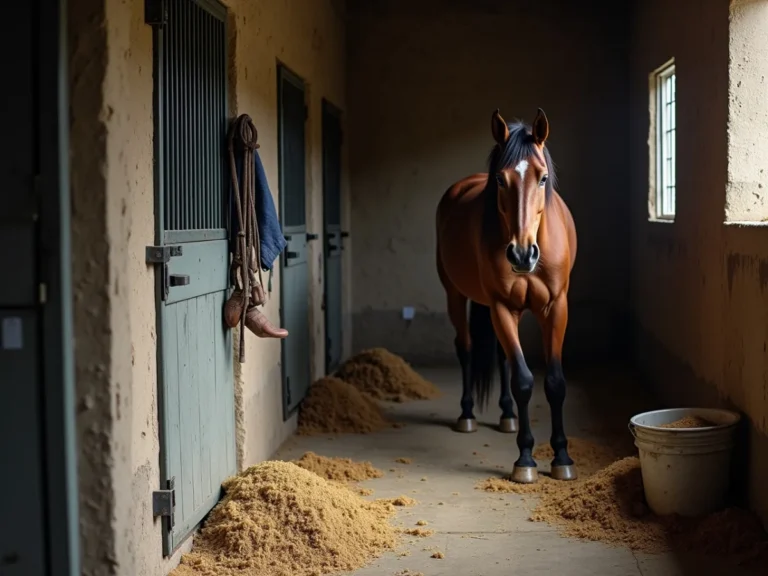
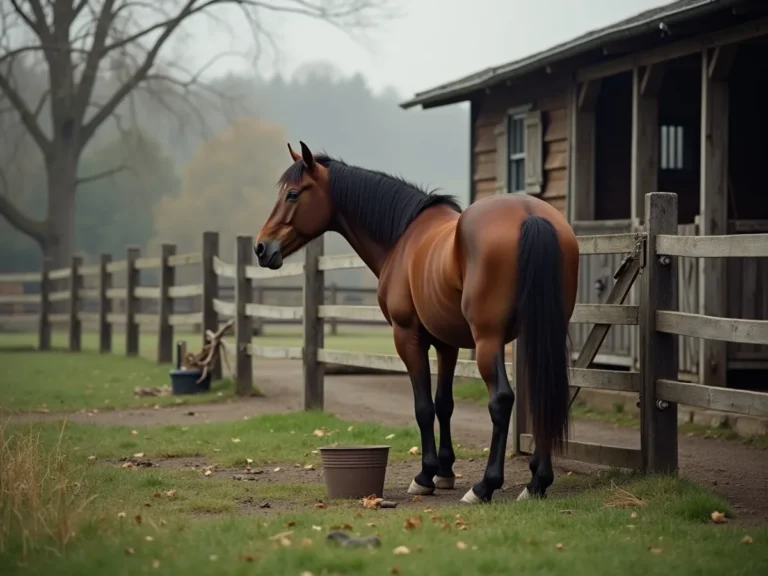
Restless horse in a quiet stable aisle

Difficulty Standing Still When Needed

Some horses never seem fully comfortable when asked to wait in one place. They shift their weight, step sideways, paw once or twice, or turn their attention toward every sound in the barn aisle. The moment seems small, but it can reveal a lot…