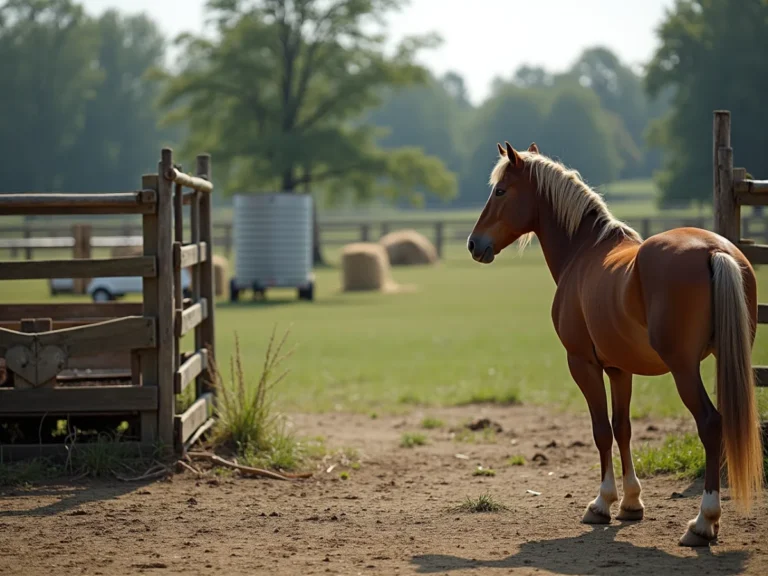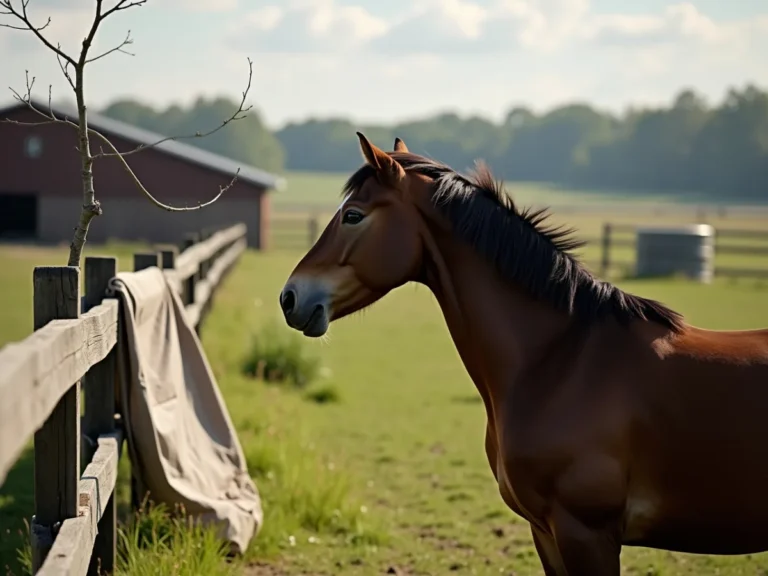
A crowd can change a horse’s whole attitude in seconds. A quiet horse that walks easily at home may become watchful, tense, or hurried when people gather nearby, music starts, or several animals move at once. The reaction is not always dramatic. Sometimes it shows up as a small shift in the ears, a shorter stride, or a body that seems to brace before anything even happens.
Activity has a way of reaching a horse before the horse fully understands it. Footsteps, voices, sudden movement, fluttering objects, and the constant change of energy in a busy space can all matter. Some horses stay almost unchanged. Others become highly alert, and that alertness can look like curiosity, caution, stress, or a mix of all three.
In everyday handling, these reactions matter because they shape how safe, comfortable, and manageable the horse feels. A horse that is uneasy around crowds may need more space, more time, and a steadier routine. A horse that looks calm on the outside may still be gathering information quickly and silently. Reading that difference helps people respond without pushing too hard or misreading a horse’s limits.
Why crowds affect horses so strongly
Horses notice movement and change very quickly. Their survival instincts are built around staying aware of what is happening nearby, especially in groups. A crowd brings many small triggers at once: shifting bodies, unpredictable sound patterns, changing routes, and new smells. To a horse, that can feel like too much information arriving all at once.
Not every horse interprets a busy setting the same way. One horse may treat a crowd as background noise. Another may take every change seriously and scan the area constantly. The difference often comes from temperament, experience, past exposure, and how well the horse has learned that activity does not always mean danger.
What looks like “bad behavior” is often a horse trying to decide how safe the environment feels.
That decision can happen quickly or linger. In a quiet pasture, a horse may settle in minutes. In a showground, clinic, or trailhead with heavy activity, the horse may stay on alert much longer. Even when the horse is standing still, the mind may be busy tracking every movement nearby.
How the reaction appears in real situations
At the stable
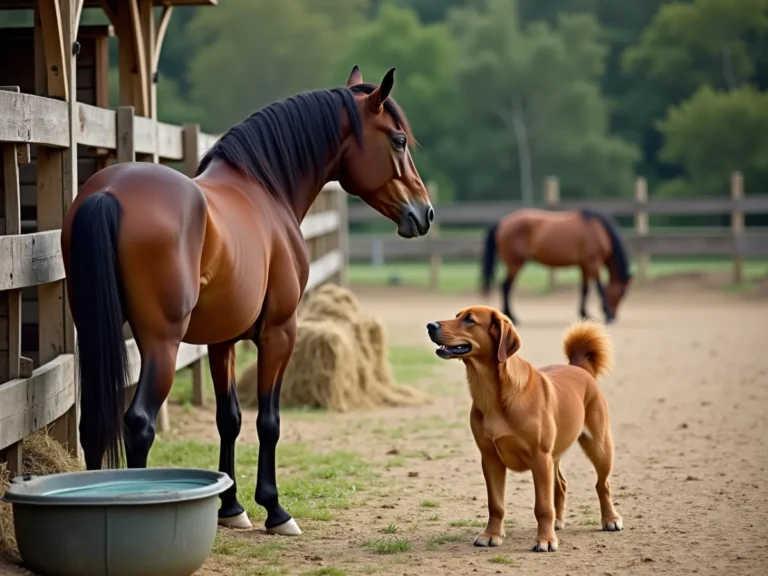
Stable areas often seem ordinary to people, but they can be full of small surprises for a horse. Doors slam, buckets clatter, tools move, other horses call out, and people walk in and out without a clear pattern. A horse reacting to that activity may pin attention on the aisle, paw, shift weight, or refuse to stand relaxed while things are happening around it.
Some horses become clingy in the stable, while others become impatient and rush through normal tasks. A horse that usually cooperates with grooming may suddenly swing the hindquarters away when another horse thunders past the doorway. That reaction does not always mean defiance. It can mean the horse has lost the sense of quiet control it prefers.
In the field
A field with herd movement can be lively in a different way. Horses may react to running, play, and sudden changes in position among other horses. One horse may join the motion immediately, while another stands at the edge and watches. A crowded turnout can make a horse appear restless even if nothing appears wrong to the human eye.
Some horses become more reactive when they cannot choose a comfortable distance from the action. If a dominant horse pushes others around, or if several horses begin moving at once, the tension can spread. The horse may keep looking, moving away, or circling the perimeter rather than settling into grazing.
Under saddle
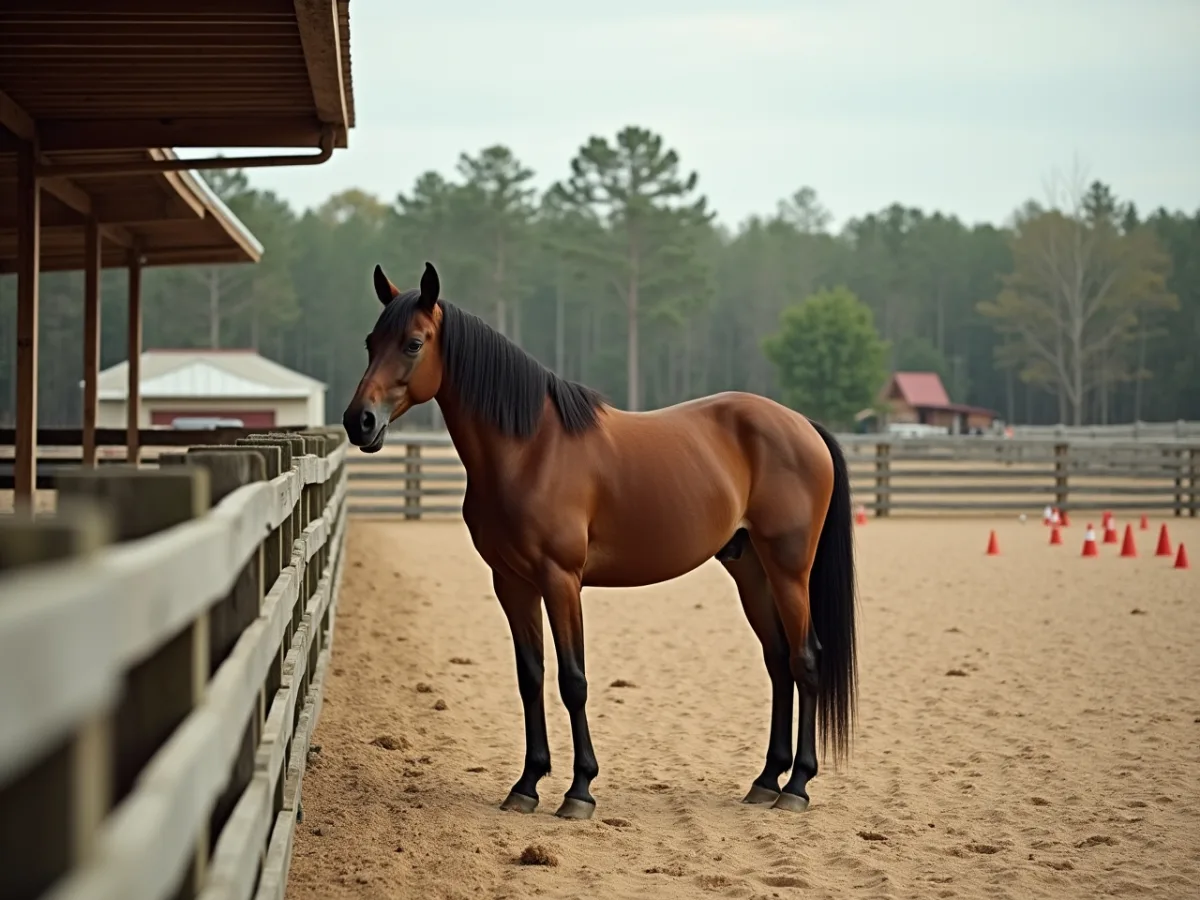
When riding, crowd reactions often show up as quicker steps, a raised head, hollowing through the back, or a horse that drifts toward open space. In an arena full of spectators or a trail shared with hikers, bikes, or dogs, a horse may stop listening for a moment and listen to the environment instead. That does not always mean the horse is unsafe. It may simply be processing more than usual.
Sometimes the horse reacts not to the crowd itself but to the buildup of movement. A horse passing a busy gate, arena entrance, or gathering point may become tight only for a few strides. In other cases, the reaction lasts longer because the horse expects more activity to follow. Horses remember patterns, and a place that often precedes noise or motion can become meaningful very fast.
During transport and arrivals
Loading areas, show grounds, and parking lots can be particularly challenging. The horse is already dealing with confinement, new footing, unfamiliar surfaces, and movement around the trailer. Add people, carts, engine noise, and other horses coming and going, and the reaction may intensify. A horse that is calm at home may look entirely different in this setting.
Some horses become hesitant before they even enter the busy area. Others stay reasonable until traffic increases, then begin to brace. A tight neck, hesitant steps, and repeated looking outward can all appear before a full reactive moment. These early signals are often the most useful ones to notice.
What the reaction may signal about the horse’s state
A response to crowds or activity is not a single behavior. It can carry different meanings depending on the context. The same horse might act curious in one setting, guarded in another, and overwhelmed in a third. The key is not to label the reaction too quickly.
Look at the whole picture: body tension, breathing, footwork, ears, and willingness to stay connected.
A mild reaction may simply indicate alertness. The horse is aware, interested, and deciding whether to stay relaxed. A stronger reaction can point to discomfort, uncertainty, or sensory overload. In some horses, it also reflects a learned expectation that busy places bring pressure or confusion.
Some common signals suggest a horse is uneasy rather than merely interested:
- Repeated start-stop movement
- Stiff neck and back
- Tail held tight or swishing sharply
- Eyes fixed on one area without softening
- Breath held high in the chest
- Difficulty lowering the head
- Resistance to standing still
On the other hand, a horse that is simply busy or curious may keep moving but still chew, blink, or shift attention easily. That horse may check the environment and return to the handler without much conflict. The difference is subtle, but it matters.
Possible internal reasons behind the reaction
Some horses are naturally more sensitive than others. They notice small changes in sound, motion, and pressure. That sensitivity can be useful, but it can also make crowds harder to process. A horse with a sharp, reactive temperament may struggle more in a lively setting than a horse that tends to stay steady no matter what is happening nearby.
Past experience also plays a large role. A horse that has been exposed gradually to busy places may learn that activity is manageable. A horse with limited exposure may not have that reference point. In that case, the reaction is less about stubbornness and more about lack of familiarity.
Memory matters as well. A horse may respond strongly because a similar environment once felt unpleasant, rushed, or confusing. Even if the current setting is safe, the horse may still brace as if something stressful could happen again. That is especially common when the horse has had repeated experiences of being crowded, trapped, or handled too quickly.
Physical comfort can influence the reaction too. A horse that is sore, tired, or struggling with tack fit may have less patience for busy surroundings. Crowds require extra effort to stay regulated. When a horse already feels physically off, small outside stressors can become much harder to tolerate.
How environment and stimuli shape the response
The environment can make a calm horse look reactive or make a reactive horse look even more unsettled. Sound is often the biggest factor. Multiple voices, loud music, tractor noise, barking dogs, or metal gates can build pressure without warning. Horses often react more to sudden contrast than to steady noise.
Visual movement matters too. A horse may be comfortable with people standing still but uneasy when they cross behind it, wave objects, or move in clusters. The direction of movement matters as well. Fast motion coming from the side or rear often causes a bigger response than something approaching slowly from the front.
Space also changes how the horse feels. A horse that can step away, see the area clearly, and maintain a little distance often settles faster. A horse that feels boxed in may have fewer options and therefore a stronger reaction. Even a friendly crowd can become stressful if the horse has no room to orient itself comfortably.
Weather and footing can add another layer. A slippery surface, echoed sound in an indoor arena, or wind carrying strange scents may raise the horse’s vigilance. In a new place, all these things stack together. The horse may not be reacting to one single crowding factor, but to the full combination of activity and uncertainty.
Soft reactions versus stronger reactions
Not every crowd response looks alarming. Some horses show only soft signals, and these are easy to miss. The horse may pause for a second, flick an ear toward the noise, then continue. Or it may keep moving but with a slightly shorter step and a more focused eye. These signs often mean the horse is alert, not distressed.
Stronger responses tend to be more obvious. The horse may whirl, pull against a lead, rush forward, freeze, or repeatedly refuse to pass the busy spot. In ridden work, the same horse might become difficult to bend, quick to spook, or hard to re-engage after a distraction. These moments are less about manners and more about whether the horse feels able to process what is happening.
There is also a middle zone where the signals are mixed. A horse may look outward with a calm face while the body stays rigid. It may walk forward willingly but keep the neck high and the jaw tight. This kind of mixed response often gets overlooked because it does not appear dramatic. Yet it can tell you the horse is holding tension quietly rather than fully relaxing.
| Reaction type | Common signs | What it may mean |
|---|---|---|
| Soft | Ear flicks, brief pause, mild interest | Alert but manageable |
| Moderate | Short stride, raised head, reluctance to pass | Uneasy or overloaded |
| Strong | Pulling, spinning, freezing, rushing | High stress or fear response |
How people often misread the behavior
One common mistake is assuming the horse is being difficult on purpose. A horse reacting to a crowd may simply be saying that the environment feels too intense. Another mistake is assuming stillness means calmness. Some horses stop moving because they are processing, not because they are comfortable.
People also sometimes expect a horse to behave the same way in every setting. That expectation can hide important differences. A horse might seem obedient in a quiet barn aisle but become unsettled in a busy show warm-up ring. The horse has not changed character. The level of stimulation has changed.
At times, a horse is labeled “lazy,” “naughty,” or “pushy” when the real issue is overstimulation. The horse may be moving faster, delaying response, or avoiding the busiest area because it is unsure, not because it is challenging the handler. That distinction helps people respond with more accuracy and less pressure.
How horse-human interaction changes the response
The horse often takes cues from the person beside it. A handler who moves too quickly, tightens the lead, or speaks sharply may make the horse feel that the situation is more urgent than it already seemed. A steady person who keeps a predictable pace and gives the horse enough room can lower the overall tension.
Timing matters too. If the horse is already watching the crowd, asking for too much too fast can increase the reaction. A short pause, a chance to look, or a simple return to basic movement can help the horse settle back into its task. The goal is not to force the horse through the moment as quickly as possible. It is to help the horse keep enough clarity to think.
Consistency with routine also shapes the horse’s trust. Horses that regularly encounter varied environments with calm handling often develop a more balanced response. They may still notice crowds, but they recover faster. A horse that has only experienced crowded spaces during stressful events may stay on edge longer because those settings never felt predictable.
Some horses benefit from having a reliable pattern before entering a busy area. The same start-up routine, the same lead pressure, the same warm-up path, or the same pre-ride pause can give the horse something stable to hold onto. Predictability does not remove every reaction, but it can keep the reaction from becoming overwhelming.
Long-term patterns and what they suggest
When reactions to crowds and activity appear regularly, the pattern is worth noticing. A horse that only reacts in one type of place may be responding to a specific trigger, such as sound, confinement, or fast movement. A horse that reacts across many environments may be more generally sensitive and need a slower buildup of exposure.
Some horses grow more settled with experience. They learn that people moving around them, other horses passing, or noisy environments do not always lead to pressure. Others remain consistently alert but become easier to manage because their reactions are predictable. Both outcomes are workable when the horse is understood clearly.
It can also help to notice whether the reaction appears at a certain point in the day or after certain routines. A horse may handle quiet early mornings well but become more reactive in the afternoon when the grounds are busier. Or it may stay composed until it has already worked hard, then show less patience during the cool-down or loading phase. Fatigue often reduces a horse’s ability to handle stimulation.
Over time, the pattern usually becomes easier to read. The same horse may not be “a crowd horse” or “not a crowd horse” in a fixed way. Instead, there may be clear conditions under which the horse copes well and other conditions that consistently challenge it. That is often the most practical way to understand the behavior.
A horse’s reaction to crowds is often a conversation between temperament, experience, and the pressure of the moment.
Conclusion
Reactions to crowds and activity are part instinct, part experience, and part environment. A horse may become watchful because the setting is noisy, crowded, or simply unfamiliar. Another horse may stay mostly quiet while still feeling the pressure internally. The outer behavior is only one piece of the picture.
What matters most is the pattern. Small signs, repeated in similar situations, usually reveal more than any single dramatic moment. When those signs are read in context, the horse’s response becomes easier to understand and easier to handle with patience and clarity.
Busy places will always ask more from some horses than from others. The useful question is not whether the horse reacts at all, but what shape the reaction takes, what triggers it, and how quickly the horse can come back to balance once the activity passes.