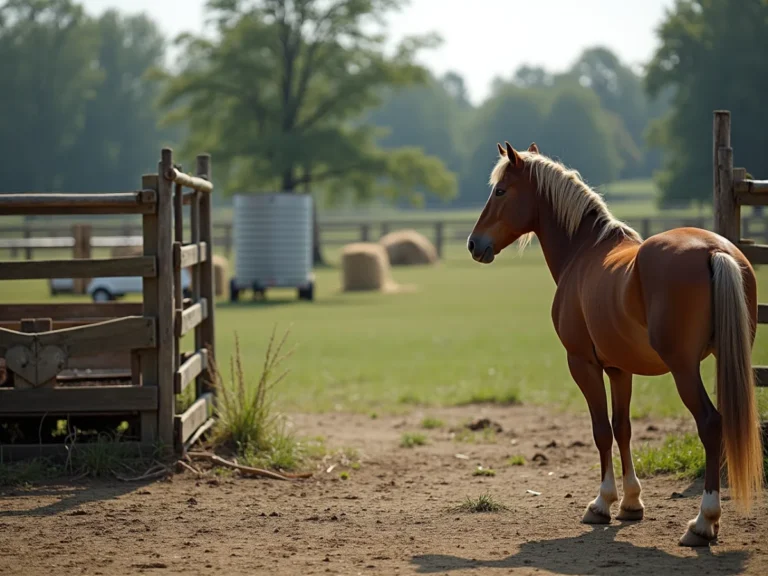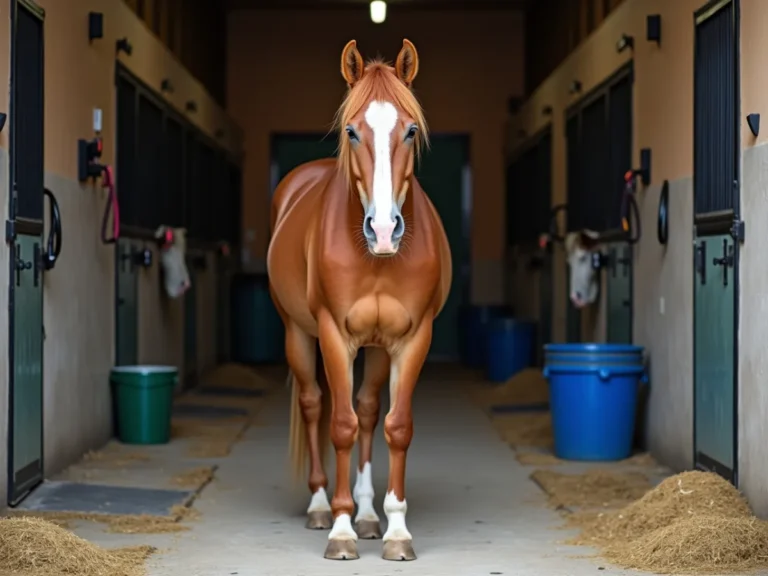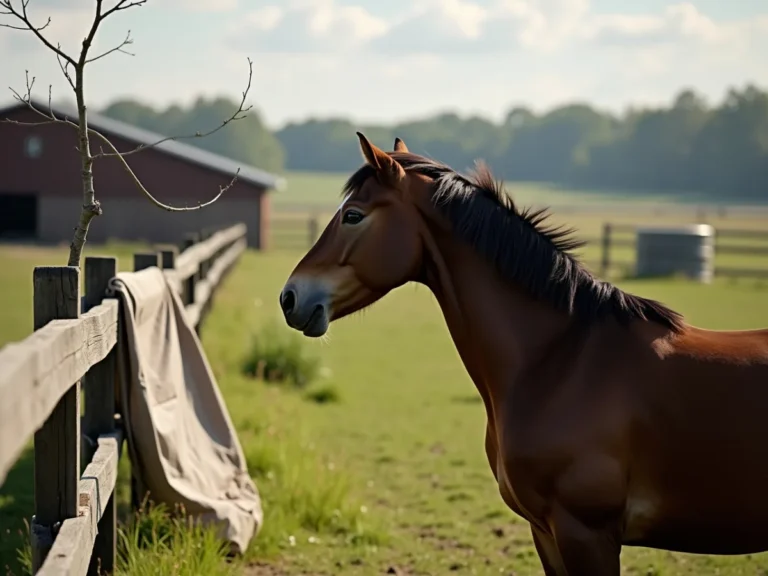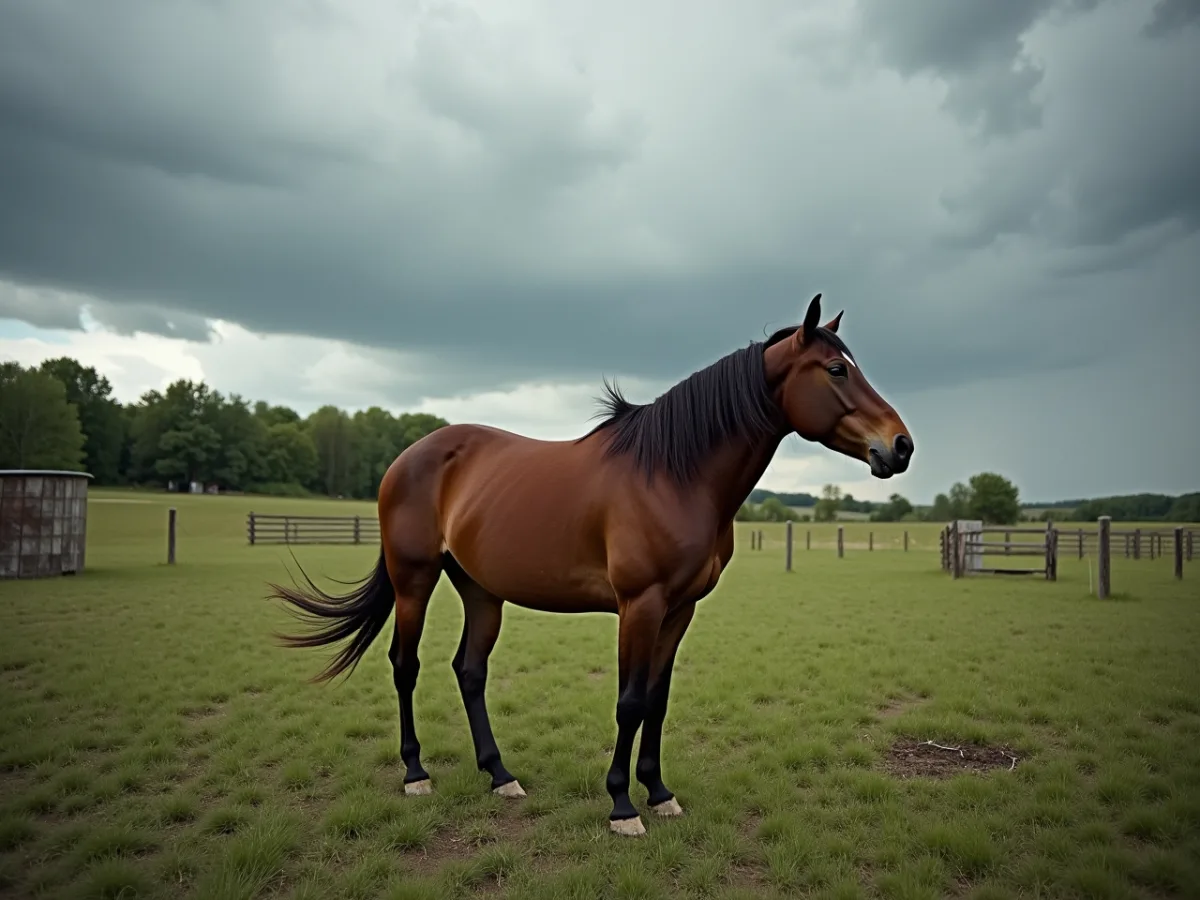
Weather changes more than a horse’s comfort level. It can shape how willing a horse is to move, how sharply it reacts to sounds, how much energy it shows, and how easy it is to handle from one hour to the next. A horse that feels relaxed on a mild morning may act tight, restless, or unusually dull once the temperature shifts or the wind picks up.
That change is not random. Horses notice pressure in the air, moisture on the coat, heat on the skin, and the way sound carries across a field. They also respond to the routine around them. A stormy afternoon may bring less turnout, a shorter ride, more barn activity, and a rider who is already tense. All of that gets folded into the horse’s behavior.
Some weather effects are easy to miss at first. Others are obvious. A horse may pin its ears during a sudden front, pace the fence before rain, or stand oddly still in cold, wet weather. These reactions often have a practical reason behind them.
Why weather changes horse behavior
Horses are highly sensitive animals. Their bodies are designed to detect change quickly. In the wild, that sensitivity helped them avoid danger and stay connected to the herd. In modern life, the same trait shows up when the sky shifts, the temperature drops, or strong winds make familiar places feel less predictable.
Weather can affect behavior through both physical and emotional channels. Heat can make a horse sluggish and irritable. Cold can make muscles feel stiff. Rain can bring discomfort if the coat is not shedding water well. Wind can make even a calm horse more alert because every rustle seems worth checking.
Weather rarely changes a horse’s personality overnight, but it can change how that personality is expressed in the moment.
That is why one horse may become pushy in hot weather while another becomes quiet and difficult to motivate. The horse is not acting out in a human sense. It is responding to what feels easier, harder, safer, or more demanding in that environment.
Heat and humidity: when horses feel heavy and short-tempered
Hot weather often produces the most visible behavior changes. Horses sweat to cool themselves, but high humidity makes that process less efficient. When heat builds, many horses conserve energy. They walk more slowly, stand in shade longer, and become less willing to work for extended periods.
Some horses also get sharper in heat. They may swish their tails, react more strongly to grooming, or move away from leg pressure during riding. That can happen when the body is already working hard to regulate temperature. Small requests feel bigger.
Common heat-related signs
- Reduced forward energy during exercise
- Restlessness in the stall or paddock
- More tail swishing than usual
- Flinching during grooming or tack-up
- Seeking shade, water, or standing still for long periods
Some horses become quiet rather than reactive. They may lower their head, breathe harder, and show less interest in their surroundings. That can look calm, but it may also mean the horse is trying to conserve energy. In hot weather, a horse that suddenly seems lazy may actually be struggling to stay comfortable.
If a horse is unusually dull in heat, the behavior deserves attention, especially if appetite, hydration, or sweating also seems off.
Cold weather: stiffness, energy bursts, and sharper reactions
Cold weather can bring a different set of responses. Muscles and joints often feel tighter, especially if the horse has been standing still for a long time. A horse that steps out freely in mild weather may need more time to warm up when the temperature drops. Short, efficient movement often feels better than long, strenuous work at the start.
Cold can also increase alertness. Some horses feel fresh and energetic, especially on crisp days. Others become reactive because the wind, clothing, barn sounds, and slick footing make everything feel less secure. A horse that is normally easy to handle may startle at a rustling tarp or step sideways at a patch of frozen ground.
Weather alone is not the whole story. The condition of the footing matters just as much. Frozen ground, ice, mud, or uneven thawing can change how a horse moves. A horse may shorten its stride, travel cautiously, or resist turning if the surface feels unstable.
What cold weather may look like
- Stiff first steps after standing
- More hesitation on turns or transitions
- Sudden bursts of energy after turnout
- Heightened sensitivity to touch or grooming
- Less willingness to lower the head or stretch
Warm-up matters here, but so does patience. A horse that seems resistant in the first few minutes may not be difficult. It may simply need time for the body to loosen and for the mind to settle.
Rain, damp air, and muddy conditions
Rain changes more than the ground. It changes scent, sound, texture, and movement. A horse in a wet pasture often stands differently because the footing gives under the hooves. Some horses become calm and quiet in light rain. Others become irritated, especially if they dislike being wet or if the weather keeps them inside longer than usual.
Damp weather can also influence comfort under tack. A wet coat, a damp girth area, or a muddy lower leg may make grooming and saddling more frustrating for the horse. Horses that are already sensitive around the belly, hocks, or shoulders often show that sensitivity more clearly when they are cold and wet.
Mud adds another layer. It can make horses more careful with each step, especially if the ground alternates between slippery and deep. A horse may refuse to enter a muddy gate area, hesitate at a puddle, or become annoyed when asked to keep moving through wet footing.
When a horse is more reluctant in rain or mud, the issue may be comfort and footing rather than obedience.
Wind: heightened alertness and distracted behavior
Wind has a strong effect because it changes the environment constantly. It moves trees, brushes fence lines, rattles barn doors, and carries unfamiliar scents. Horses often become more vigilant when the wind is up. Their ears shift more often. Their heads may rise. Their attention breaks away from the handler or rider and jumps toward whatever moved or sounded different.
Some horses get tense in gusty weather. They may spook at a flapping jacket, a tarp that was always there, or a branch that now sounds threatening. The same horse may act perfectly steady on a calm day. That does not mean the reaction is fake. Wind truly changes what the horse hears and sees.
Wind can also affect herd behavior in turnout. Horses may cluster closer together, move less, or relocate to sheltered areas. If one horse gets uneasy, others sometimes mirror the mood. The group can feel more reactive even without any single major trigger.
Storms, barometric pressure, and rising tension
Many horse owners notice changes before a storm arrives. The horse may seem “off” well before rain starts. That can happen because horses detect changes in barometric pressure, shifts in humidity, and the drop in quiet that often comes before bad weather. These changes may not cause a dramatic reaction every time, but they can alter the horse’s baseline mood.
Before storms, some horses become restless, pace, call out, or pace the fence. Others become more attached to the herd and less willing to stand alone. A few turn inward and seem unusually still. Each pattern can reflect the same basic idea: the horse senses that the environment is changing and starts preparing for it.
Thunderstorms can bring a stronger response. The sound is sudden, deep, and hard to predict. Horses that are otherwise manageable may startle repeatedly, spin, or refuse to settle. The reaction may be brief or prolonged, depending on the horse’s temperament, previous exposure, and overall confidence.
Storm-related behavior often includes
- Increased pacing or fence-walking
- Calling to other horses more often
- Rising head carriage and scanning
- Resistance to being separated from the herd
- Repeated startle responses to noise
A horse that becomes clingy before storms is not necessarily difficult or spoiled. The horse may simply be seeking safety in the same way it would in the wild.
How weather changes behavior in the barn
Stable life does not erase weather effects. It can magnify them. A horse that stays inside longer because of heat, rain, or mud may develop more trapped energy. Another horse may become quieter because it has less movement and fewer environmental changes to react to. The stall itself can feel different depending on the season.
In winter, many horses move less in the barn and then burst out of the stall when turned loose. In summer, a warm, still barn can make some horses restless, sweaty, and unwilling to stand for long grooming sessions. Poor ventilation, wet bedding, or sudden barn noise often makes weather stress worse.
Routine matters too. Horses often rely on predictable feeding and turnout times to stay settled. Weather disrupts that pattern. If turnout is delayed because of lightning or icy ground, the horse may complain in ways that are easy to notice: pawing, calling, weaving, or trying to rush the handler. The behavior may be about missing movement more than about being impatient.
Weather during riding and groundwork
Riding in different weather can reveal changes that are not obvious in the stall. A horse may feel soft and cooperative on a cool morning, then tense and short-strided by afternoon heat. A horse that is usually brave in the arena might become distracted by wind moving the gate or rain tapping the roof. Groundwork can show the same pattern.
Horse behavior under saddle often changes in one of two ways. The horse may get dull and sluggish, or it may get sharp and reactive. Sometimes both happen in the same ride. A horse might drag behind the leg in the warm-up, then jump at a sound once the rider asks for more contact or bend. That mixed response is common when the body is uncomfortable and the mind is not fully settled.
Riding signs worth noticing
- Shorter stride or stiff transitions
- More head tossing or resistance to contact
- Difficulty standing quietly for mounting
- Sudden spookiness in wind or storms
- Loss of focus after long exposure to heat or cold
When weather affects performance, the change is often gradual at first. A horse may still complete the work, but with less ease and more resistance. Owners who know their horse well usually notice the difference in rhythm before they see a major behavior issue.
How temperature affects mood and handling on the ground
Daily handling can feel different depending on the weather. Grooming in a cold barn can make a horse tighten its back. Leading in heavy mud can make a horse slower and more cautious. Bathing after a hot workout may calm one horse and frustrate another. Even fly pressure on a warm day can make a normally polite horse seem impatient or defensive.
These changes are useful clues. A horse that pins its ears during grooming in winter may be reacting to cold skin or muscle tension. A horse that swings away from the hose in summer may be bothered by the combination of heat, noise, and insects. The weather does not create the reaction from nothing, but it often reveals where the horse is already uncomfortable.
Small handling problems that appear only in certain weather are often comfort problems first and manners problems second.
Subtle signals that weather is affecting the horse
Not every weather-related change is dramatic. Many horses show mild signs long before behavior becomes obvious. The horse may blink more, shift weight often, lick and chew less, or hold the neck and back differently. The ears may stay more fixed in one direction. The tail may become tighter or more active than usual.
These clues matter because they help separate normal seasonal energy from true discomfort. A horse that looks alert on a crisp morning may simply be fresh. A horse that looks alert but also tense, shallow in breathing, and unwilling to soften through the body may be struggling with the conditions.
Subtle weather-linked signals include
- Changes in posture before turnout or work
- Frequent weight shifting in the stall
- Less interest in hay or water on extreme days
- Tension in the neck, jaw, or back
- Quiet withdrawal or unusual stillness
These signs can appear before a bigger reaction. Learning to spot them helps explain why a horse “just seems different” on some days and not others.
Different horses, different weather responses
Not all horses respond the same way to the same conditions. Age, breed, coat type, fitness, health, and past experience all shape the response. A younger horse may be more reactive in wind simply because it has had fewer chances to learn that the wind is not dangerous. An older horse may feel weather changes more in its joints or back and therefore seem less eager on cold mornings.
Some horses with a strong herd bond get more anxious in stormy or windy weather. Others become easier to handle if they can see familiar horses nearby. Horses with respiratory sensitivity may dislike damp or dusty conditions. Horses with thin coats can be more bothered by cold rain, while thick-coated horses may struggle more with heat.
That is why a single weather rule does not fit every horse. The pattern becomes clearer when viewed over time. If a horse consistently gets tense before storms or sluggish during heat waves, that pattern is useful information. It helps owners make better choices about turnout, exercise, grooming, and timing.
What consistency tells you over the long term
Repeated weather-related behavior usually means the horse has a predictable threshold. That threshold may be low for heat, high for cold, sensitive to wind, or tied to footing changes. Once you know the pattern, you can often see it coming before it turns into a handling problem.
For example, a horse that becomes difficult in hot weather may work better earlier in the day. A horse that gets tight in cold rain may need extra time to move, stretch, and settle before riding. A horse that worries in strong wind may do best with turnout in a more sheltered area and a simpler exercise plan.
The point is not to overreact to every weather shift. It is to notice the horse’s usual pattern. A horse that is given enough time, the right footing, and a sensible workload often shows fewer weather-related behavior changes than one that is pushed through obvious discomfort.
Over time, weather patterns often reveal what a horse finds hardest: heat, cold, wind, wetness, or unstable footing.
Reading weather and behavior together
The best way to understand weather influence is to look at the horse and the environment at the same time. Ask what changed first. Did the horse act different before the weather shift, or only after? Was the horse confined longer than usual? Was the footing poor? Was the horse already tired, sore, hungry, or itchy?
These details matter because weather often works as a trigger rather than the sole cause. A horse may tolerate heat well when hydrated, shaded, and worked lightly. The same horse may become cranky when heat combines with flies, poor ventilation, and a delayed schedule. Conditions stack up.
That stacking effect is why horses can seem unpredictable during seasonal changes. What looks like a sudden attitude problem is often a response to several uncomfortable factors arriving at once. Once those factors are separated, the behavior usually makes more sense.
Weather does not control a horse’s behavior in a single fixed way. It nudges, presses, and exposes. It can bring out caution, energy, irritability, silence, or restlessness depending on what the horse feels in the body and senses in the world around it. The same pasture, barn, or riding arena can feel very different to a horse when the air shifts, the footing changes, and the noises around it carry farther than usual.
For horse owners, that is often the real value of watching weather closely. It gives context. It explains why a horse that looked settled yesterday now feels watchful, and why another that seemed lazy this morning suddenly comes alive after the temperature drops. The behavior usually has a pattern, and weather is often part of it.
When the pattern is clear, daily care gets easier to adjust. Timing, turnout, exercise, and handling can all be matched more closely to what the horse is likely feeling that day. That kind of awareness often changes the whole experience for the horse, and for the person beside it.