Horse & Human Interaction

Horses express much of their behavior through interaction with people. Reactions during handling, riding, or simple presence can reflect attention, tension, trust, or sensitivity to subtle signals.

This section explores how horses respond to human interaction in everyday situations. Understanding these patterns helps reveal what a horse may be experiencing in different contexts.

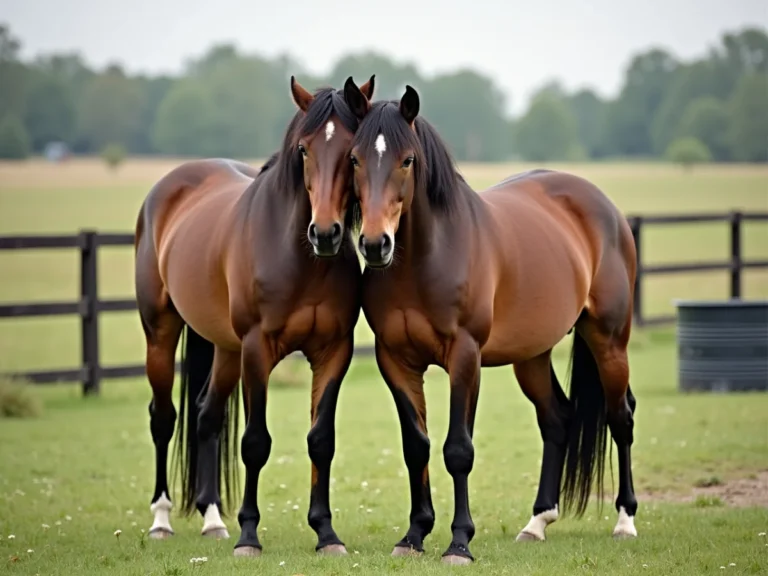
Horse near a stable gate

Seeking Attention from Humans

Some horses seem to notice every step a person takes. They lift their heads when a bucket is carried past, follow movement along the fence, or nudge a shoulder the moment someone pauses nearby. That kind of attention-seeking can look playful, persistent, impatient, or…

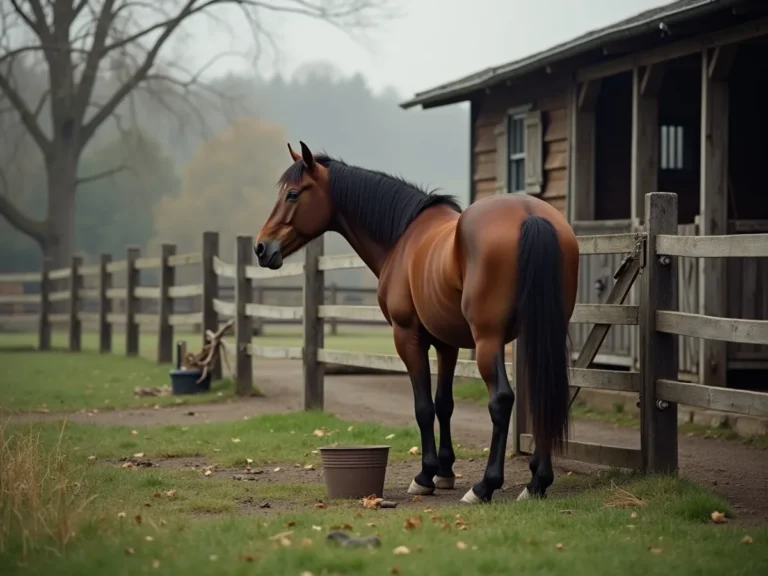
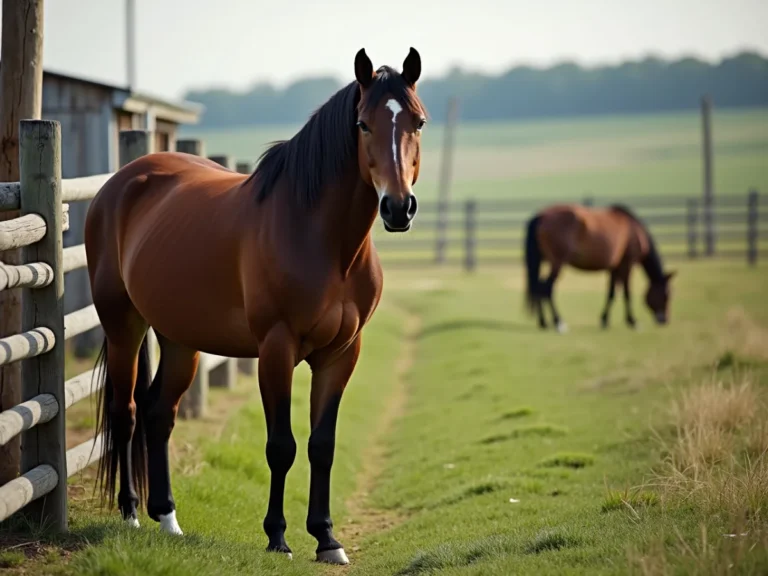
Relaxed horse standing calmly beside a fence

Signs of Trust in Horses

Trust in horses rarely shows up as one dramatic gesture. It is usually quieter than that. A horse that trusts a person often looks ordinary to someone else, but the details are there if you know where to notice them. Some horses greet a…

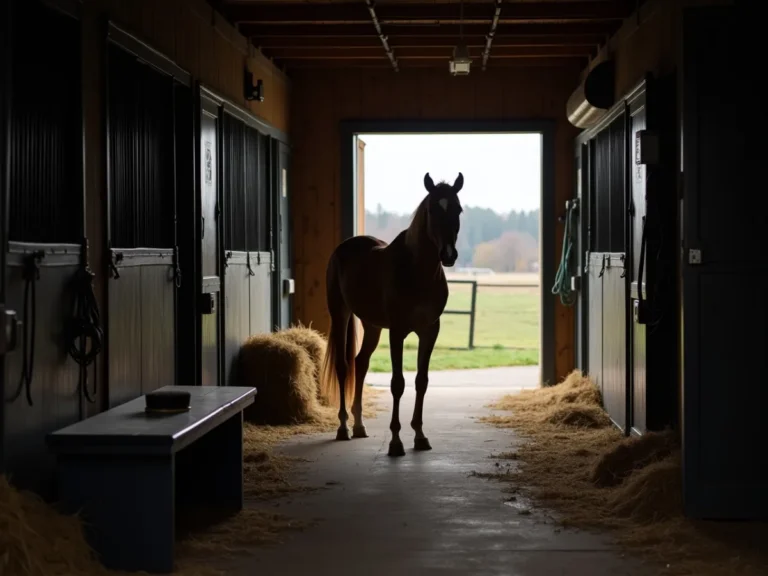
Horse near barn door and familiar tack

Attachment to Specific People

Attachment to specific people can look sweet, puzzling, or even inconvenient depending on the horse and the setting. Some horses relax as soon as one familiar handler appears. Others become restless when that person leaves, or they seem less willing to cooperate with anyone…

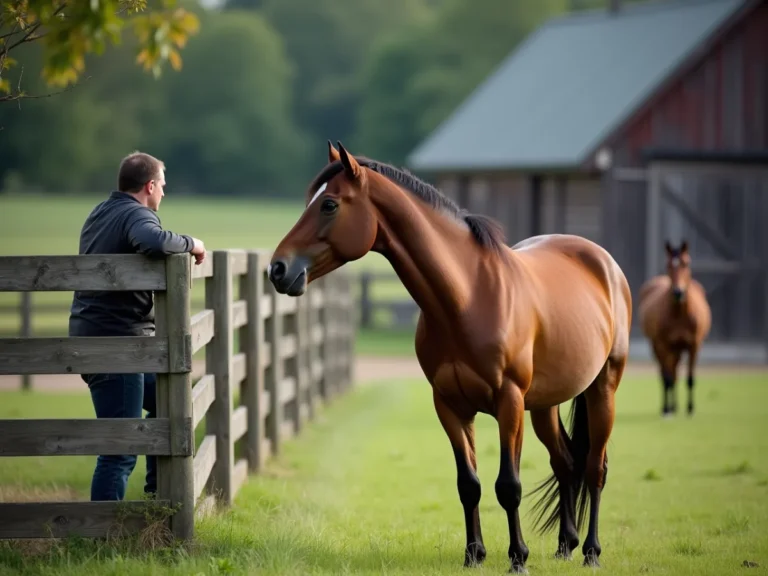
Horse watching a person near the pasture fence

How Horses Respond to Human Presence

Horses notice people long before many people realize they have been noticed. A shift in the doorway, a familiar voice in the barn aisle, a hand reaching for the halter, or even the quiet sound of footsteps can change the way a horse stands,…

Horse watching a calm person nearby

Mirroring Human Behavior in Horses

Horses notice people more than many owners expect. They read movement, tension, timing, and habits, then respond in ways that can look like they are copying us. A horse may become rushed when a handler is hurried, cautious when a rider is nervous, or…