Some horses seem to notice every step a person takes. They lift their heads when a bucket is carried past, follow movement along the fence, or nudge a shoulder the moment someone pauses nearby. That kind of attention-seeking can look playful, persistent, impatient, or even a little pushy, depending on the horse and the situation.
In many cases, this behavior is not about being difficult. It is a form of communication. A horse may be asking for food, interaction, reassurance, release from boredom, or simply a familiar routine. The same gesture can mean very different things depending on the horse’s history, temperament, and surroundings.
Attention-seeking also sits close to normal horse behavior. Horses are social animals, highly aware of movement, and quick to notice patterns. When humans become part of their daily world, many horses learn to treat people as an important source of comfort and predictability. That can be useful, but it can also create habits that owners need to read carefully.
Why horses seek human attention
Horses do not think about attention in the same way people do, but they do learn that humans provide useful things. Food often comes from a person. Turnout, grooming, exercise, and relief from confinement also come through human action. Over time, a horse may begin to connect people with positive outcomes and start actively looking for them.
Some horses are naturally more social than others. They walk up to the gate when they see a familiar face, or they nickers softly when a person enters the barn. Others become interested because human contact breaks up a quiet day. A bored horse may seek attention simply because interaction is one of the few interesting events available.
Attention-seeking is often a learned response, not a single personality trait. A horse may have discovered that certain behaviors get a reaction, and the behavior then becomes stronger.
There is also a difference between wanting company and demanding access. A horse that stands quietly at the stall door may simply be curious and engaged. A horse that paws, pushes, bites at clothing, or crowds space is showing a stronger message. The behavior may still come from a normal need for connection, but the way it is expressed matters.
How it appears in everyday handling
At the stable
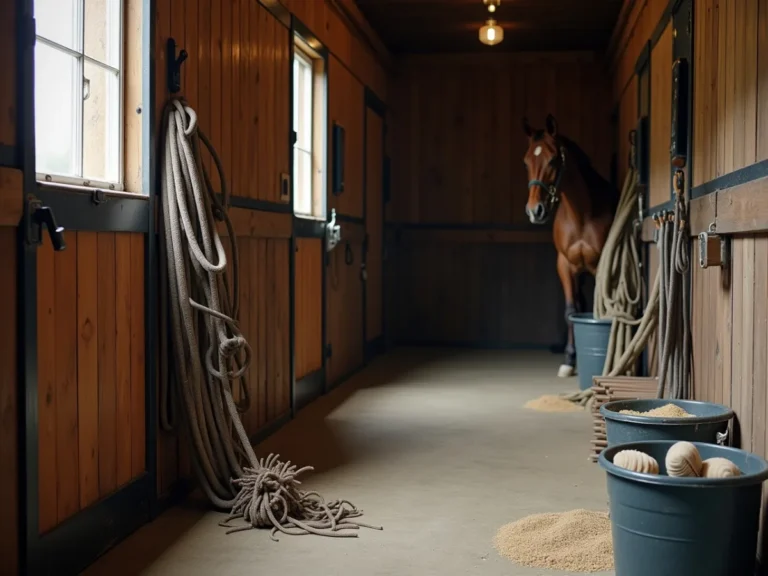
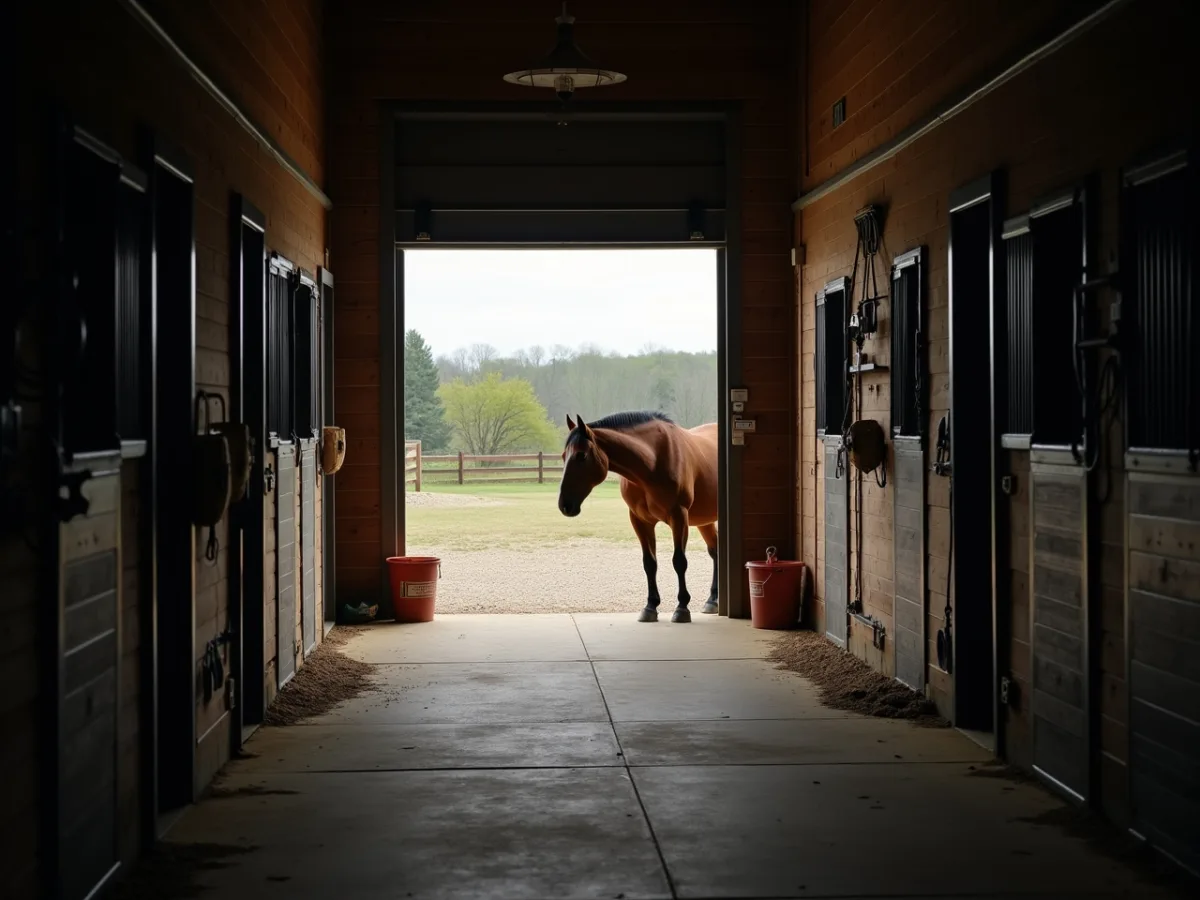
Many attention-seeking habits show up around feeding time or stall cleaning. A horse may hang its head over the door, call out, or move from one side of the stall to the other whenever a person appears. Some horses begin to recognize specific sounds, like grain scoops, tack being lifted, or a feed room door opening.
In the stable, these behaviors can be mild or intense. Mild attention-seeking might include soft nickering, stepping closer, or watching every movement. Stronger forms may include pawing, banging on the wall, or pushing into a handler’s space. The more predictable the routine, the more likely the horse is to anticipate what is coming.
In the field or pasture
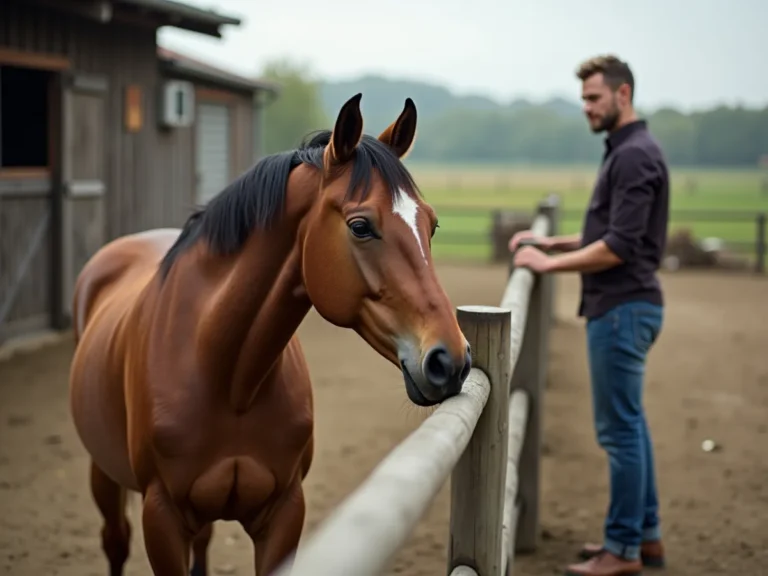
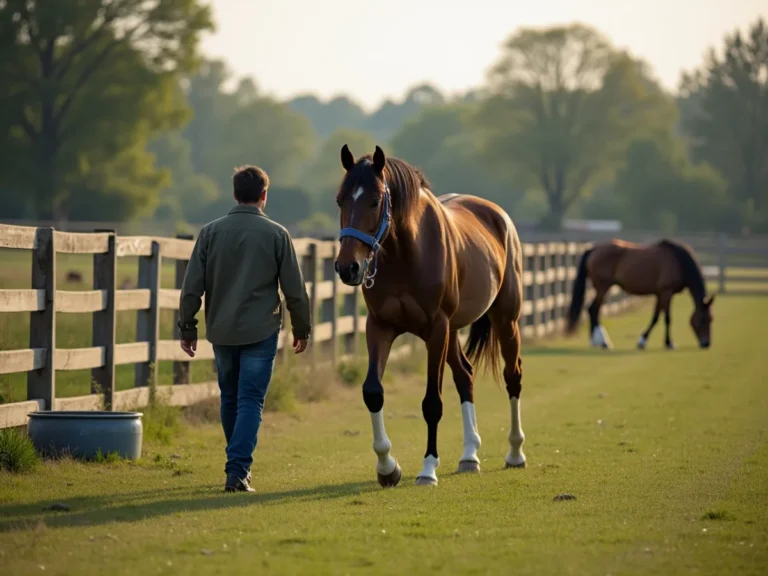
A horse that seeks human attention in the pasture may leave the herd and walk toward the gate when someone enters the property. Some horses follow a person along the fence line, especially if they expect treats, turnout changes, or a ride. Others may stand at a distance but keep their ears locked on the person’s movement.
Pasture behavior can be easy to misread. A horse that approaches calmly may be interested in contact, while a horse that rushes over with a hard expression may be more focused on food or control of space. The same horse may also switch between both moods depending on what happened last time a person visited.
During grooming and tacking up
Attention-seeking often becomes more obvious when a horse realizes that a session is beginning. Some horses lower their head into the halter, lean into brushing, or stand close enough to make sure the person keeps working. Others become fussy and try to interrupt the process by moving their feet, reaching for pockets, or swinging their head toward the handler.
These moments can reveal the horse’s expectations. A horse that enjoys grooming may ask for more contact by nudging or leaning. A horse that associates people mainly with work may seek attention in more restless ways, trying to slow the routine, control the pace, or gain a small advantage through repeated interruption.
While being ridden
Attention-seeking under saddle is often more subtle. A horse may glance toward the arena gate, drift toward the barn, or become more energetic when another rider passes. Some horses look for verbal reassurance or physical release from the rider’s hand and seat. Others seem to watch for any sign that the rider is changing the plan.
In riding settings, attention-seeking can blend with distraction. A horse may want contact from the rider but also be interested in other horses, birds, noises, or movement beyond the arena. The result may look like restlessness, head turning, or loss of focus, even when the horse is not truly anxious.
When a horse keeps checking in with a human during riding, it may be asking for direction, comfort, or clarity. It is not always defiance.
What the behavior may signal about the horse’s state
Attention-seeking can reflect contentment. A relaxed horse that comes forward, touches the handler gently, or waits near the gate may simply enjoy human company. These horses often have soft eyes, loose lips, and a body that shifts weight easily from one leg to another.
It can also point to uncertainty. A horse that repeatedly seeks a person’s presence may be trying to reduce tension in an unfamiliar setting. Instead of exploring alone, the horse stays close to the source of predictability. This is common in new environments, during separation from herd mates, or after a routine change.
In some horses, attention-seeking reveals frustration. Stall time, limited turnout, irregular exercise, or inconsistent handling can create a horse that tries hard to get a response. The horse may not be “misbehaving” in a simple sense; it may be showing that its day lacks enough movement, interaction, or clarity.
It may also signal a strong memory for reward. A horse that has been hand-fed often, praised for nudging, or given treats from pockets may start to ask for more. That horse is not being dramatic. It is following a pattern that has worked before.
Subtle signals that often come with it
Attention-seeking is usually not just one movement. It often arrives with a cluster of small signals that help explain the horse’s intent. Ears, neck position, mouth movement, and foot placement all matter.
- Forward ears and a relaxed neck often suggest friendly interest.
- Rapid ear changes can mean the horse is torn between several points of focus.
- Sniffing, licking, or soft muzzle contact may indicate curiosity or a desire for interaction.
- Persistent pushing, head tossing, or pawing may show frustration or impatience.
- Standing square but watching closely can mean the horse is waiting for the next familiar event.
Body position matters as much as the gesture itself. A horse that leans softly toward a person is different from one that crowds, pins ears, or swings the hindquarters away while reaching out. The first may be inviting contact. The second may be testing boundaries while still wanting something from the human.
How people often interpret it differently than the horse intends
Owners sometimes call a horse “needy” when the horse is actually bored. Others think a horse is “showing affection” when it is really searching for treats. Both readings can be partly true and partly incomplete.
A horse that comes to the fence every time a person walks by may be affectionate, but it may also be trained by repetition. If that same horse becomes pushy when hands are near pockets, the behavior is probably tied to expectation more than emotion alone. The human response often shapes how the horse behaves next.
It is also easy to mistake tension for friendliness. A horse that rushes up, snorts, and demands attention may look eager, yet the behavior may carry stress or impatience underneath. Calm attention-seeking tends to have a softer rhythm. Reactive attention-seeking tends to feel urgent.
A horse’s request for attention can mean “I like you,” “I want food,” “I am unsure,” or “I have learned this works.” Sometimes it means several of these at once.
What influences the behavior most
Routine is one of the biggest influences. Horses are excellent at learning time patterns. If a person usually appears at the same hour with feed, turnout, or exercise, the horse will start waiting for that moment and may become more vocal or more active just before it arrives.
The environment matters as well. Horses kept alone often seek more human contact than horses living in active herds. A quiet barn can encourage a horse to focus on people because people become the main source of social stimulation. A lively barn may produce a different pattern, where the horse is interested in both herd mates and humans.
Past experience also shapes how a horse asks for attention. A horse that has been praised for calm behavior may approach politely. A horse that has gotten a quick reaction from pawing, biting, or nudging may repeat those stronger actions. Once the pattern is established, it can take consistency to change it.
Age plays a role too. Young horses often experiment. They discover which behaviors bring a response and which do not. Mature horses may be more settled, but they can still develop attention habits if the environment rewards them.
Different forms of attention-seeking
| Form | Common look | Possible meaning |
|---|---|---|
| Calm interest | Walks up quietly, soft expression, gentle nicker | Seeks contact, familiarity, or routine |
| Food-focused | Nose in pockets, lip searching, pushing at doors | Expects treats or feeding |
| Playful demand | Head toss, quick approach, playful nudge | Wants interaction and stimulation |
| Frustrated attention | Pawing, calling, repeated movement at the gate | Feels bored, restricted, or impatient |
| Anxious checking | Stays close, watches constantly, startles easily | Looks to people for safety or reassurance |
These forms can overlap. A horse may begin with soft interest and become more insistent if nothing happens. Another horse may look pushy at first but soften once it receives a familiar routine or a calm touch.
How environment and stimuli shape the response
Small triggers can make attention-seeking stronger. The sound of a feed cart, the sight of a halter, a car pulling into the driveway, or a rider carrying a saddle pad may be enough to wake the horse’s expectation. Horses are excellent pattern readers, and they notice details people often overlook.
Weather and season can influence it too. During long periods of bad weather, horses may spend more time standing around and looking for interaction. In colder months, they may crowd the gate when a person arrives because the barn becomes the most interesting place in view. In spring or summer, fresh turnout and herd activity can reduce the need to focus so tightly on humans.
Noise and movement in the surroundings can change the tone as well. A quiet horse may become clingy in a busy show environment. Another horse may seem more independent in a calm barn but seek constant contact when unfamiliar people are present. The behavior is often less about character alone and more about what the horse is trying to manage in that moment.
When attention-seeking becomes more noticeable
It tends to stand out at predictable transition points. Feeding time, turnout changes, trailering, and the arrival of regular caretakers all bring out learned expectations. The horse may start showing signs well before the event actually happens.
It also becomes stronger when the horse feels under-stimulated. A horse with limited turnout or repetitive daily work may focus more intensely on people because human activity becomes the main interruption in an otherwise plain day. That does not always mean the horse is unhappy, but it does suggest that the routine is doing a lot of the emotional work.
Attention-seeking can appear after a horse has learned that humans respond quickly to certain behaviors. If a nicker brings a treat, or pawing brings a person to the stall, the horse may repeat those actions with confidence. The longer the pattern lasts, the more automatic it becomes.
What consistent patterns can tell you
One-time attention-seeking means little on its own. A horse that approaches the fence one afternoon may simply be curious. A horse that does it every day at the same time, in the same place, after the same cue, is telling you something more specific.
Consistency can point to a strong preference, a well-learned habit, or a routine that the horse depends on. It can also reveal a gap in the horse’s day. If the behavior fades with better turnout, richer social contact, or clearer handling, the attention-seeking was probably tied to environment more than personality.
Pay attention to whether the horse becomes calmer after interaction or more demanding. A horse that settles after a brief check-in may just want reassurance. A horse that escalates after being rewarded may be learning to use the behavior more aggressively. Those are very different patterns, even if they start with the same nicker or nudge.
Repeated attention-seeking usually has a history. Looking at when it begins, what triggers it, and how it ends often explains more than the gesture itself.
Reading the horse without overreacting
The best response is usually simple observation first. Notice the setting, the timing, and the horse’s body language. A calm horse asking for contact needs a different response than a horse pushing through personal space or becoming loud and restless.
It helps to avoid rewarding the strongest version of the behavior by accident. If a horse paws and immediately gets attention, the pawing may become the habit. If a horse stands quietly and then receives the first greeting, the quiet choice becomes more valuable. Horses notice these details quickly.
At the same time, not every request needs correction. Some horses are naturally social and benefit from regular, respectful contact. A brief scratch, a moment of grooming, or a quiet check-in can meet that need without turning the horse into a demanding one. The key is to keep the exchange calm and predictable.
When the behavior changes suddenly, that deserves closer attention. A normally independent horse that suddenly follows every step may be reacting to a change in health, routine, or herd dynamics. A horse that becomes unusually pushy may be uncomfortable, under-exercised, or stuck in a frustrating pattern.
A quiet way to think about the behavior
Seeking attention from humans is one of those horse behaviors that sits between social instinct and daily habit. It can be warm, practical, learned, frustrating, or all of those at once. The same horse may show a soft, friendly version one day and a more demanding version the next, depending on what the day has taught it to expect.
What matters most is the shape of the behavior. A horse that comes toward people is not automatically rude or spoiled. A horse that avoids attention is not automatically independent or unhappy. The details around the behavior tell the real story: the ears, the pace, the tension, the timing, and the response that follows.
In everyday horse care, those details are often enough to show whether the horse is looking for connection, relief, food, or certainty. Once the pattern becomes clear, the behavior stops feeling mysterious. It becomes a practical part of understanding how that horse has learned to live alongside people.