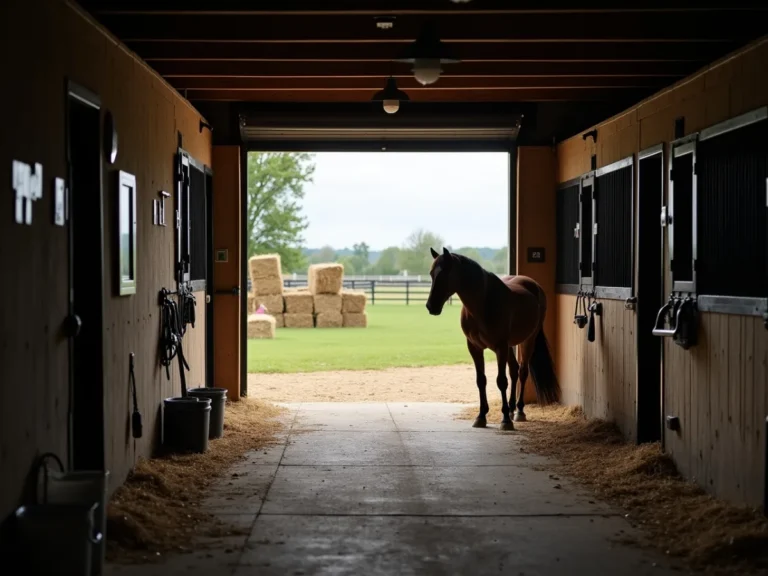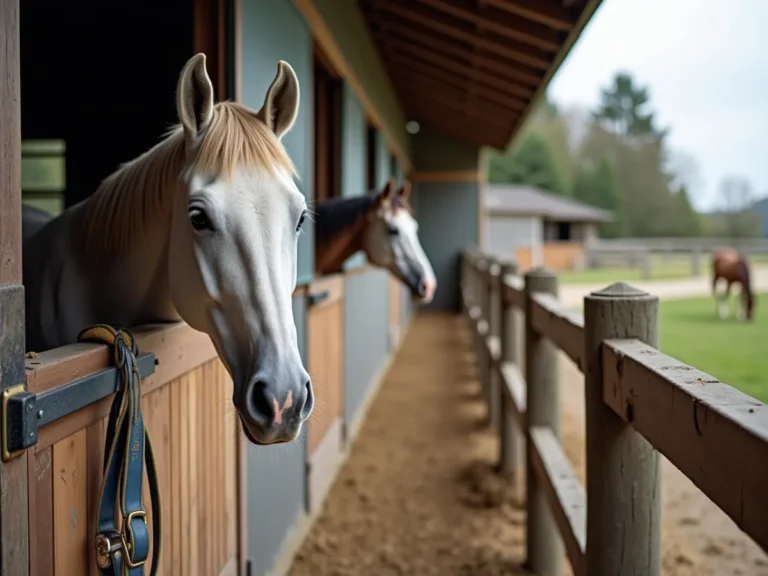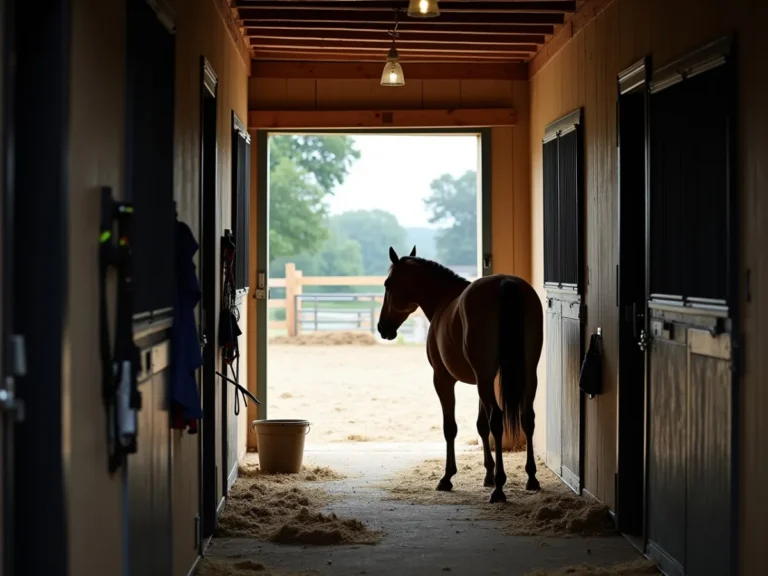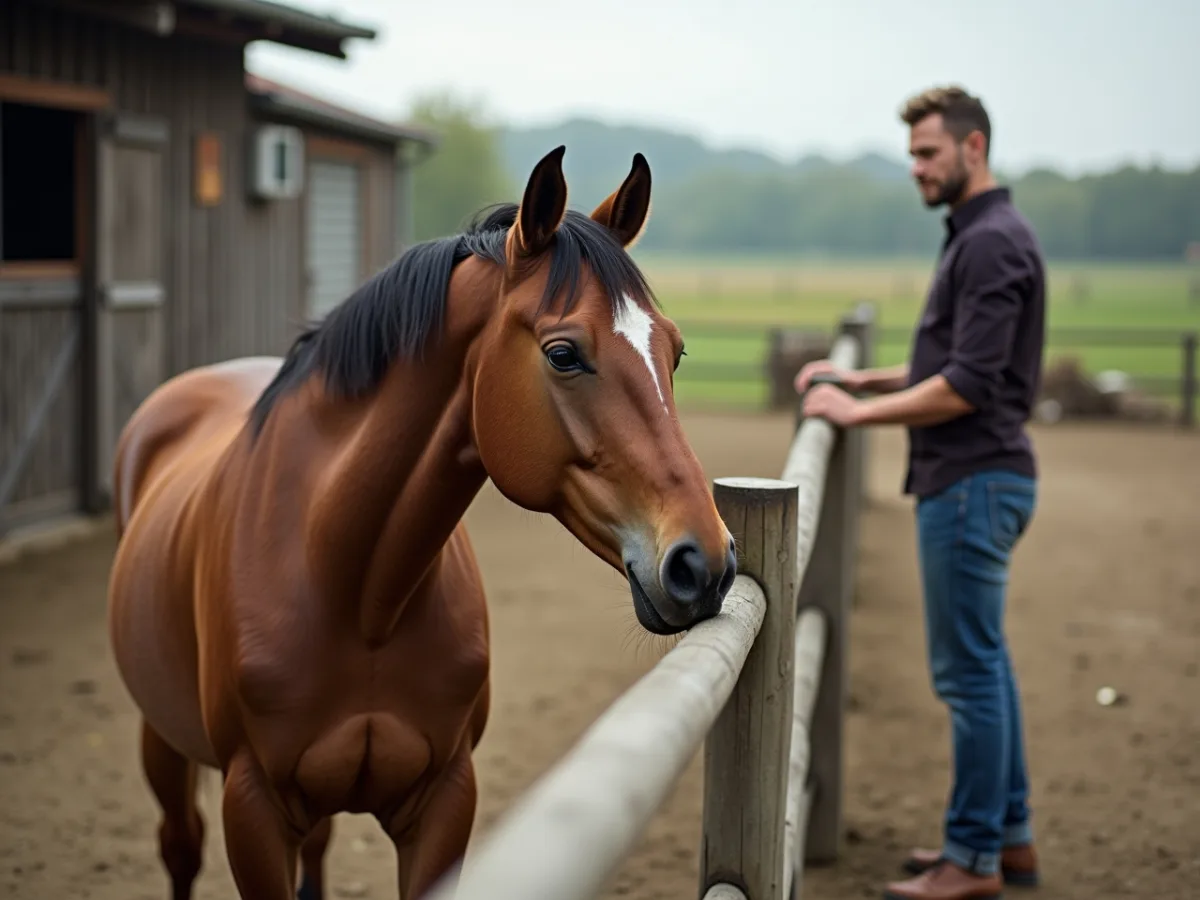
Horses notice people more than many owners expect. They read movement, tension, timing, and habits, then respond in ways that can look like they are copying us. A horse may become rushed when a handler is hurried, cautious when a rider is nervous, or settled when the surrounding energy is steady.
This mirroring is not about imitation in a human sense. It is more about sensitivity. Horses are built to notice changes in the herd, and humans become part of that social landscape. When a horse seems to reflect a person’s mood or behavior, it is often responding to signals that are easy for us to miss.
That is why the same horse can seem different with different people. One handler may get a soft, attentive response, while another may see resistance, tension, or distraction. The horse is not being theatrical. It is reacting to what feels safe, unclear, or uncomfortable in the moment.
Why Horses Tend to Reflect Human Behavior
Horses are prey animals, so they stay alert to subtle changes in their environment. In nature, survival depends on noticing what others around them are doing. That same tendency carries into domestic life, where a horse becomes highly aware of human posture, breathing, rhythm, and emotional state.
People often think a horse is reacting only to direct cues, but the horse may also be responding to the person’s overall presence. A calm handler tends to move predictably. A tense handler often moves in sharper, less consistent ways. Horses notice those differences quickly.
There is also a social element at work. Horses prefer clarity. When a person’s signals are mixed, the horse may hesitate or become uncertain. When signals are clean and consistent, the horse usually settles into the interaction more easily.
Horses do not “copy” people in a deliberate way. They respond to the energy, timing, and body language that people project, often before words or direct cues matter.
How Mirroring Appears in Daily Handling
At the barn gate
One of the clearest places to see mirroring is in routine handling. If a person approaches a horse with tight shoulders and quick, uneven steps, the horse may pin its ears slightly, step back, or remain watchful. The same horse may walk forward willingly when the person approaches with a steady pace and relaxed posture.
Gate time is often where human frustration shows up first. If the handler is impatient, the horse may become more guarded. If the handler is relaxed but clear, the horse may lower its head, soften its expression, and accept contact more readily.
During grooming
Grooming can reveal this behavior in small ways. A distracted person may brush too fast, miss signs of soreness, or keep shifting positions. The horse may respond by fidgeting, moving away from pressure, or becoming difficult to keep still.
When grooming is calm and consistent, many horses settle into the rhythm. They may stand square, blink slowly, or even rest a hind leg. That does not mean the horse is enjoying every touch, but it often shows that the horse feels the interaction is predictable.
Leading and leading manners
Leading is another situation where human behavior matters. A person who keeps changing speed, pulling on the lead, or stopping without warning can create confusion. The horse may drift, forge ahead, hang back, or react with bracing.
On the other hand, a person who walks with clear intention and steady timing usually gets a clearer response. The horse learns what to expect from the movement pattern, and that reduces uncertainty.
What You May Notice Under Saddle
Mirroring can become more obvious when a person sits on the horse. Riders often carry nerves into the saddle without realizing it. Tight hips, fixed hands, or shallow breathing can all influence the horse’s way of going.
A nervous rider may create a horse that feels hurried, stiff, or overly watchful. Some horses become faster in response to that tension. Others slow down and hesitate, as if they are waiting for clearer direction. The horse is not reading the rider’s thoughts, but it is responding to the physical changes that come with those thoughts.
Experienced riders sometimes overlook how much their own body affects the horse. Even a small change in seat pressure or rein steadiness can matter. Horses often show that information through their own bodies: shorter strides, a lifted head, a tight back, or an unwillingness to stretch forward.
A horse that changes its tempo, balance, or softness right after the rider becomes tense is often responding to the rider’s body, not just the aids.
Common riding patterns linked to human tension
- Bracing in the neck or jaw
- Shortened stride length
- Frequent head tossing
- Difficulty bending one way
- Loss of rhythm in transitions
- Resistance to contact
Internal Reasons Behind the Reaction
Not every mirror-like response comes from emotional sensitivity alone. Horses also react to pressure, habit, past experience, and physical comfort. A horse that seems to reflect a person’s mood may actually be responding to the way the person’s actions change the horse’s sense of safety.
If a horse has been handled roughly, it may expect trouble when a human appears tense or abrupt. That expectation can shape the horse’s reaction before anything is even done. In that sense, the horse is not mirroring the person’s current feeling so much as matching it against memory.
Physical discomfort matters too. A sore back, poorly fitted tack, dental pain, or stiff joints can make a horse less tolerant of human inconsistency. A healthy horse usually has more room to stay relaxed through minor handling mistakes. A horse in discomfort often has less patience and may reflect the handler’s tension more sharply.
Key internal factors
- Prior handling history
- Current pain or soreness
- Confidence level
- Stress from change or travel
- Learning from repeated patterns
How the Environment Shapes Mirroring
Surroundings can amplify or soften the effect. A horse in a busy barn aisle, near barking dogs, moving tractors, or unfamiliar horses may already be on alert. In that setting, even a small amount of human tension can produce a bigger response.
Quiet, familiar settings often make behavior easier to read. A horse may seem more stable in its own stall, paddock, or regular training area because there are fewer extra pressures. In a crowded or noisy environment, the horse may have less capacity to ignore human inconsistency.
Weather, routine changes, and group dynamics also matter. Horses may be more reactive on windy days, during feeding time, or when herd mates are moving in and out. If the person handling the horse is already uneasy, those environmental pressures can layer together quickly.
| Situation | Likely horse response | Why it may happen |
|---|---|---|
| Quiet paddock | More relaxed, easier to read | Lower background pressure |
| Busy barn aisle | Watchful, distracted, tense | More stimuli and movement |
| Rider feels nervous | Rush, brace, or hesitate | Horse senses tension through the body |
| Calm, steady handling | Soft attention, better focus | Predictable signals create security |
Soft Signals and Stronger Reactions
Mirroring does not always show up as an obvious problem. Sometimes it appears as a subtle change in expression or posture. A horse may blink less, tilt an ear toward the handler, or stand with a slightly tighter body than usual. These are small signals, but they often come before larger reactions.
Other times the response is stronger. The horse may spook at ordinary objects, refuse to move forward, crowd the handler, or become difficult to settle. Stronger reactions are not always “bad behavior.” They can mean the horse is overwhelmed by a combination of human tension and environmental stress.
The difference between soft and strong responses often depends on how much pressure is already present. A horse that is mentally fresh may absorb small human mistakes without much trouble. A horse that is already tired, worried, or sore may show the same mistake more clearly.
Soft signals that are easy to miss
- Tightening around the eyes
- Shorter pauses between steps
- Reduced chewing or licking
- Swishing the tail without obvious cause
- One ear locked toward the handler
How People Often Misread the Behavior
One common mistake is assuming the horse is being stubborn or disrespectful. In many cases, the horse is simply reflecting uncertainty. The person may not realize their own body is sending mixed messages, and the horse responds to that confusion by becoming unclear itself.
Another mistake is expecting a horse to stay calm just because the handler feels calm inside. Horses do not respond only to inner feelings. They respond to visible and physical patterns. A person can feel composed but still move too quickly, hold tension in the hands, or crowd the horse’s space.
People also sometimes assume that mirror-like behavior is a sign of a special bond alone. While trust matters, the reaction can appear in less connected relationships too. A horse may reflect any consistent pattern, whether it is calm, nervous, impatient, or rough.
When a horse mirrors a person, the most useful question is often not “Why is the horse acting this way?” but “What is the horse reacting to in my timing, posture, or pressure?”
The Emotional Side of the Interaction
Horses do not process emotion exactly the way humans do, but they do respond to emotional expression through body language and routine. A person who is angry often moves with sharper force and less patience. A horse may become defensive, shut down, or increase distance. A person who is uncertain may hesitate, and the horse may fill that uncertainty with its own version of caution.
Confidence, when it is quiet and consistent, tends to help. That does not mean dominating the horse or acting forceful. It means moving with enough clarity that the horse does not have to guess what happens next. Horses usually appreciate that kind of emotional steadiness.
There is a practical side to this too. If a horse has learned that certain human moods lead to uncomfortable experiences, it may begin to brace earlier. That learned response can look like emotional mirroring, even when it is also a memory-based habit.
How Mirroring Changes in Different Contexts
In turnout, a horse may mirror the general energy around it. Quiet companions often encourage quiet behavior. Tense herd situations, such as a new horse being introduced, may create sharper reactions and more alert postures. Human behavior still matters, but herd dynamics can influence what the horse has room to show.
In transport, mirroring often becomes more noticeable. Horses entering a trailer, standing tied, or waiting in an unfamiliar place may already be stressed. A handler who stays organized and patient can make a real difference. A rushed person can add pressure to a situation that is already sensitive.
At shows, clinics, or busy trailheads, horses frequently pick up on the human’s own level of anticipation. The horse may become more eager, more tense, or less settled than it is at home. That shift is not random. New surroundings make the horse watch human cues more closely.
Situations where mirroring often increases
- Trailering and unloading
- First rides after time off
- Vet or farrier visits
- Group turnouts and herd changes
- Warm-up in unfamiliar arenas
What Long-Term Patterns Usually Mean
If a horse regularly responds to a person’s mood or manner, that pattern usually says something about consistency. Horses learn what each person brings into the interaction. Some people are naturally steady, and their horses seem settled faster. Others are more reactive, and their horses may look more reactive too.
That pattern can improve. A person who becomes more deliberate, quieter in movement, and more aware of timing often sees a noticeable change in the horse. The horse may start offering softer expressions, cleaner responses, and less defensive behavior. It is not magic. It is repetition.
Long-term observation matters because a single day can mislead. One horse may seem calm with everyone except a handler who is recovering from a stressful day. Another may show resistance only when the environment changes. Patterns across weeks are more meaningful than a single reaction in one moment.
Practical Ways to Read the Mirror Effect
Watching the horse is only part of the picture. The handler’s own habits matter just as much. Pay attention to how the horse changes when you slow down, soften your hands, or make your steps more regular. Small adjustments often reveal whether the issue is tension, confusion, or something physical.
It also helps to compare behavior across people and settings. If the horse is relaxed with one person but not another, that difference can point toward handling style. If the horse is unsettled in every setting, the cause may be pain, stress, or a larger environmental issue.
Keeping a simple record can be useful. Note what happened before the reaction, where it took place, and how the horse’s body looked. Over time, patterns become clearer.
Consistency in your own behavior often produces more change than intensity. Horses notice rhythm, not just intent.
Questions worth asking in the moment
- Did I change my speed or pressure?
- Is the horse reacting to the environment?
- Has the horse been checked for discomfort?
- Am I sending clear, repeatable cues?
- Did the horse change when I changed?
Natural Background Behind the Behavior
This tendency fits the horse’s natural social world. In a herd, one horse’s alertness can influence the others. Movement ripples outward. Confidence spreads. So does alarm. Horses have evolved to survive by staying tuned in to group dynamics, and humans often become part of that group once regular handling begins.
Because of that, a horse can seem to “take on” a person’s state. In practical terms, it is often a mix of social awareness, memory, and immediate body language. The horse is not trying to imitate. It is trying to stay oriented in a changing situation.
That is why mirroring is most noticeable in everyday handling, where repeated patterns are easy for the horse to learn. The horse becomes familiar with how people move, when they hesitate, and when they apply pressure. Those details matter more than many owners first realize.
When a horse reflects human behavior, the reaction usually tells a story about clarity, comfort, and trust in the moment. The horse is showing what the situation feels like from its side of the interaction, and that response is often more practical than dramatic. It is a live record of how the horse experiences the person standing beside it or riding on its back.