Horses do not talk to people in words, but they communicate constantly. A horse’s ears, eyes, breathing, posture, and movement can all carry meaning. Once you start noticing those signals, everyday moments become much easier to read.
That communication is not one-way. Horses respond to tone of voice, body position, timing, pressure, release, and routine. They also notice small changes that people often miss, which is why a horse may seem “sensitive” in one setting and perfectly relaxed in another.
In practical life, horse communication with humans is often quiet and subtle. A horse may shift weight toward a gate, soften the jaw when brushed, pin the ears near a painful area, or follow a handler with easy attention. These small reactions add up to a clear picture when you know what to look for.
How Horses Show Their Message
Horses rely on body language first. Their species evolved around quick awareness, herd communication, and escape behavior, so they are built to notice movement and pressure immediately. When a horse communicates with a person, it usually starts with the body before any bigger reaction appears.
Some signals are easy to see. Others are very small and can be missed if you only look at the head or feet. A horse may say “I’m comfortable” by standing square, blinking slowly, and chewing softly. The same horse may say “I’m unsure” with a tight neck, fixed ears, and a body that leans away from touch.
Common signals people notice first
- Ear position and movement
- Eye tension or a soft, blinking eye
- Head height and neck stiffness
- Weight shifting from one leg to another
- Tail swishing or tail stillness
- Mouth activity such as licking, chewing, or tight lips
- Breathing changes, including holding the breath
These signals are most useful when read together. One ear turned back does not mean the same thing as pinned ears, and a tail swish can reflect flies, irritation, or tension depending on the rest of the horse’s posture. Context matters every time.
A horse’s communication is usually a pattern, not a single gesture. The whole body tells the story.
What Horses Often Mean in Human Handling
In handling situations, horses usually communicate with their feet, head, and shoulders first. If a horse steps away when someone reaches toward the halter, that may mean hesitation, discomfort, or uncertainty about what will happen next. If the horse steps into the halter willingly, that often shows trust, habit, or anticipation of a familiar routine.
Leading is one of the clearest examples. A horse that walks beside a person with a loose lead, relaxed neck, and steady rhythm is giving a calm answer. A horse that rushes ahead, drags behind, or tries to swing the hindquarters away is often showing distraction, resistance, confusion, or nervous energy.
Grooming also reveals a lot. A horse that lowers the head, softens the muzzle, and stands quietly may be comfortable with the touch. A horse that flinches at a certain spot, braces the body, or turns the head to watch the brush may be telling you there is soreness, sensitivity, or simple dislike of the sensation.
How horses may respond during routine handling
- At the halter: moving toward you, turning away, or freezing in place
- During grooming: leaning into pressure, relaxing, or guarding a sore area
- When tied: standing quietly, pawing, calling, or testing the rope
- At feeding time: coming forward eagerly, crowding, or guarding space
- When introduced to new equipment: sniffing, backing up, or watching closely
These reactions are not random. Horses are constantly deciding whether a situation feels safe, confusing, or worth investigating. Human handling becomes smoother when the person responds to that decision-making instead of pushing through it blindly.
What Horses Communicate While Being Ridden
Under saddle, horses communicate through the same language, but it becomes more layered. A rider may feel the horse through the back, mouth, ribcage, and stride length. That is where small changes matter most, because tension can build before it is obvious from the ground.
Suppose a horse shortens the stride, tightens the back, and lifts the head after a new request. That may suggest confusion, discomfort, or a need for more gradual preparation. If the horse stretches into the contact, swings the back, and keeps the rhythm steady, the answer is usually more positive and relaxed.
Some horses become quiet under pressure and do not show dramatic reactions. That does not always mean ease. A horse can look obedient while feeling braced, shut down, or uncertain. A still mouth, hard eye, and stiff topline can be more revealing than obvious movement.
A calm ride is not only about obedience. It often reflects a horse that feels clear, balanced, and physically comfortable enough to answer the rider without tension.
Signals under saddle that deserve attention
- Uneven rhythm or sudden loss of forward motion
- Head tossing, mouth opening, or jaw tension
- Difficulty turning one direction
- Tail clamping or repeated swishing without a clear cause
- Rushing, hollowing the back, or resisting contact
- Relaxed breathing, rhythmic steps, and a soft back
These signs are often easier to understand when you know the horse’s normal way of going. A lively horse may naturally carry more energy, while a quiet horse may communicate through smaller changes. The key is not to compare every horse to one ideal picture.
Why Horses Respond So Strongly to Human Tone and Body Language
Horses are highly responsive to posture, timing, and consistency. A person who moves directly, stays balanced, and gives clear release often receives a better response than someone who is tense, rushed, or unpredictable. Horses may not understand every intention, but they notice the shape of a human’s actions very quickly.
Voice also plays a role. Many horses learn the sound of a familiar person and can distinguish between calm praise, warning tones, and nervous chatter. The words matter less than the energy behind them. A horse often responds to confidence and steadiness because those qualities are easier to trust.
This is why mixed signals from people can confuse horses. If a handler pulls, pauses, and then pulls again without a clear release, the horse may stop understanding what is being asked. The same happens when cues vary from day to day. Horses learn patterns, not explanations.
How Environment Changes the Conversation
Where a horse is located can change how it communicates. A horse in a quiet pasture often behaves differently than the same horse in a busy barn aisle or crowded arena. Noise, movement, unfamiliar horses, weather changes, and feeding routines all influence the message.
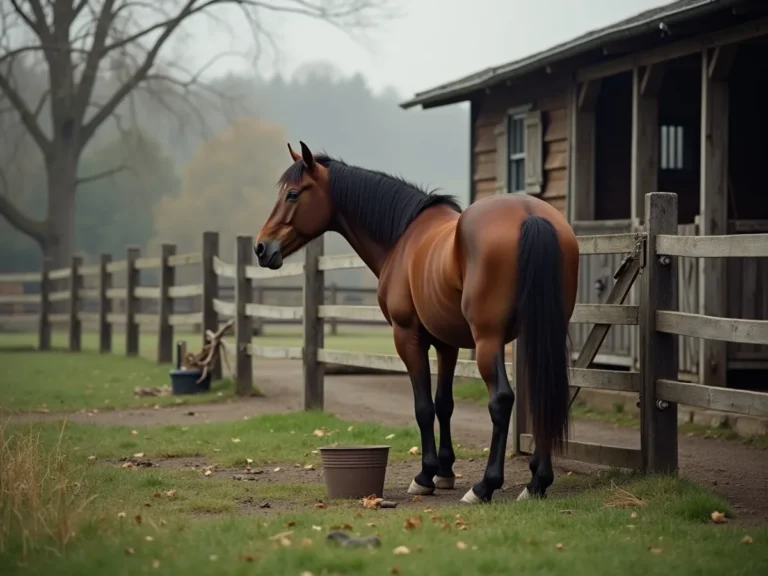
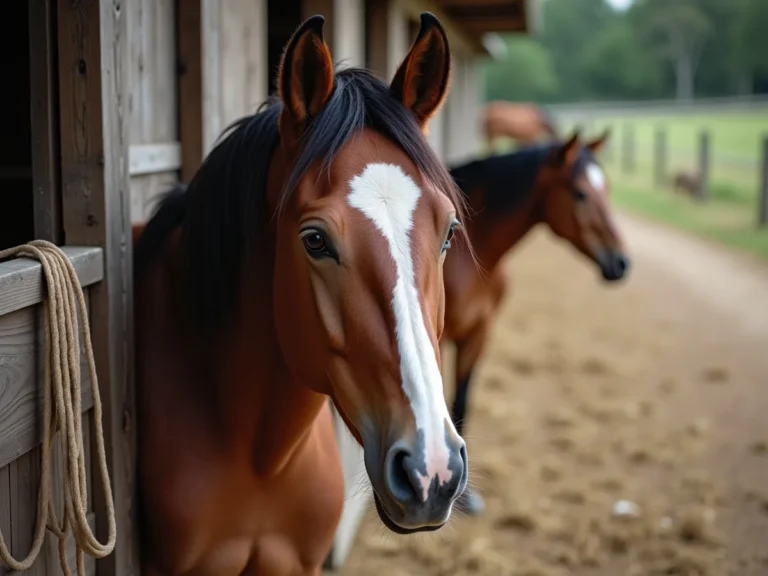
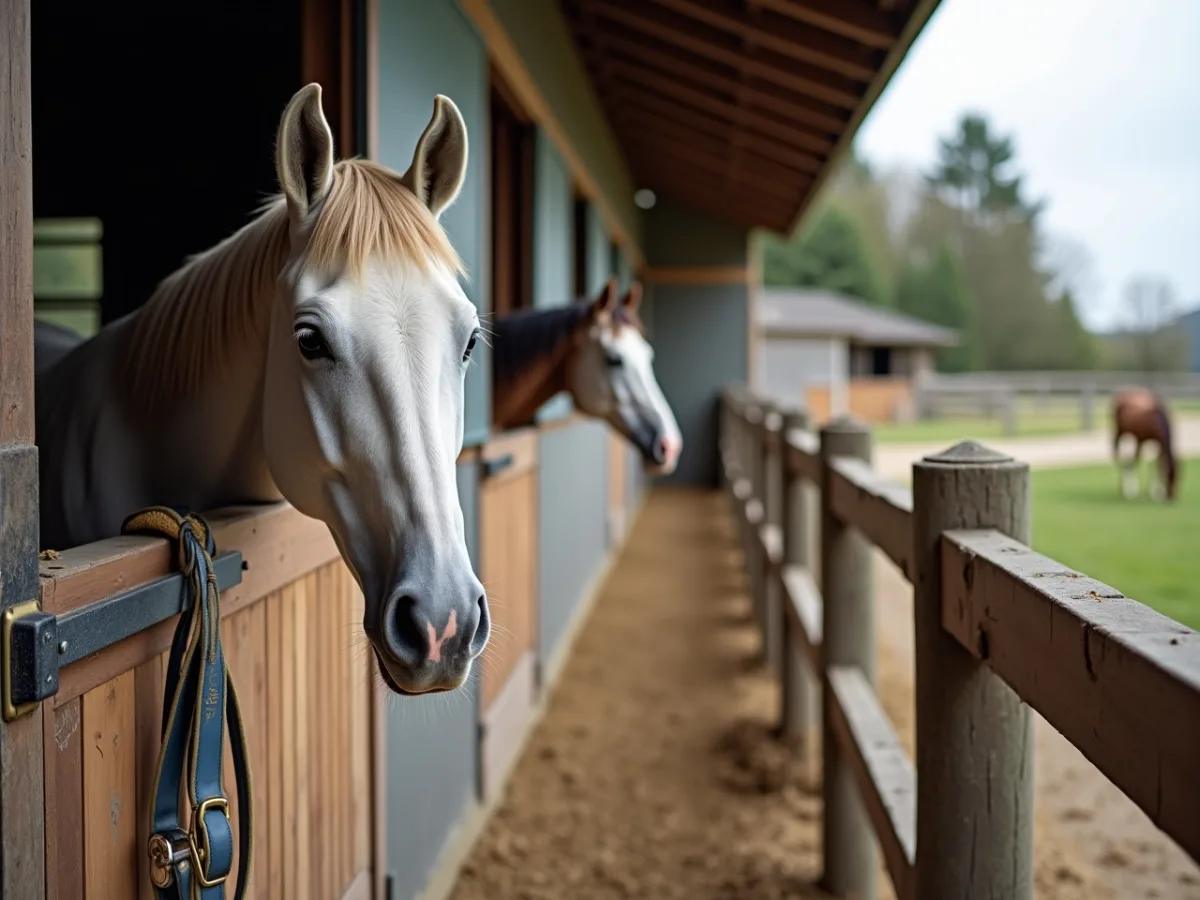
In the stable, horses may show more subtle signs because they are near food, rest, and familiar routines. Some become eager or restless when they hear feed carts, tack rustling, or other horses leaving. Others grow quieter and more watchful if the environment feels busy or unpredictable.
At pasture, the communication may look looser and more natural. A horse may approach a gate with a relaxed walk, call toward a herd mate, or lift the head when a person enters the field. If the horse keeps distance, turns the body away, or stays unusually alert, that may reflect mood, weather, herd dynamics, or prior experiences with handling.
Situations that often change behavior
- New surroundings or travel
- Changes in herd order or turnout mates
- Different feeding schedules
- Weather shifts, especially wind, storms, or heat
- Loud equipment, vehicles, or unfamiliar sounds
- New tack, footing, or arena objects
A horse that appears “difficult” in one setting may be simply overwhelmed. The same horse may be relaxed, generous, and easy to read in a familiar place. That is why environment should always be part of the interpretation.
The Role of Emotion in Horse Communication
Horses do have emotional responses, but those responses are often expressed through behavior before they are obvious in any other way. A horse may seem curious, worried, frustrated, bored, or content long before a person labels the feeling. Reading that state takes patience and consistency.
Curiosity often looks like soft investigation. The horse turns an ear forward, reaches the nose toward an object, and keeps the body loose enough to leave if needed. Frustration may look different: repeated pawing, nudging, chewing aggressively on equipment, or swinging the hindquarters when the horse does not understand what to do next.
Fear is often easier to see, but not always in the dramatic way people expect. Some horses jump away or blow loudly. Others become very still, with a tight body and sharp focus. That stillness can be easy to mistake for calm when it is actually alertness or worry.
Not every quiet horse is relaxed, and not every active horse is upset. The difference is often in the softness of the body, not just the amount of movement.
Subtle Signals That People Often Miss
Many horse owners focus on ears and head position, but the smallest details often matter most. A horse’s skin can twitch when something is annoying or irritating. A horse may blink less when concentrating, then blink more once tension drops. The muzzle can tighten before the rest of the body shows clear resistance.
Another common signal is how a horse uses space. A horse that stands with the hind feet ready to move may be less settled than one that rests a hind leg and softens through the back. A horse that constantly watches one person or one area of the barn may be saying that something feels important, unfamiliar, or unsafe.
Even breathing tells a story. A held breath during saddling, a visible sigh after pressure is released, or quiet, even breaths during handling can all point to the horse’s state. Breathing is easy to overlook because it happens all the time, yet it changes in useful ways.
Small details worth noticing
- Relaxed lower lip versus tight muzzle
- Soft blinking versus fixed staring
- Resting a hind leg versus standing ready to leave
- Gentle head lowering versus head elevation and tension
- Quiet chewing after pressure is released
How Horses Communicate Trust
Trust is often shown through small choices. A horse may choose to follow a person into a new place, stand still while being checked, or accept touch in areas that used to cause concern. These are not dramatic gestures, but they are meaningful.
Some horses show trust by leaning in for grooming or lowering the head to make haltering easier. Others show it by staying attentive without becoming worried. A horse that can look at the environment, then return focus to the handler, is often showing a balanced state rather than blind obedience.
Trust also appears when a horse accepts correction without escalating. That does not mean the horse enjoys every request. It means the horse believes the interaction is understandable and not threatening. In everyday life, that makes everything from hoof care to trailer loading more manageable.
How Horses Show Discomfort or Confusion
Discomfort is one of the most important messages to notice, because horses often try to work through it before they clearly refuse. A horse may be sore, fit, irritated, or mentally unsure. The signs can overlap.
Confusion often shows up as delayed responses, repeated attempts, or looking back toward the handler for help. The horse may step away, stop moving, or try a different answer when the cue is unclear. That does not always mean disobedience. Sometimes it simply means the horse does not know what the request means in that moment.
Physical discomfort tends to create more consistent resistance. If the same movement, touch, or direction always brings a reaction, the problem may be the horse’s body rather than the horse’s attitude. Saddle fit, dental issues, sore feet, muscle pain, and skin irritation can all affect communication in obvious or subtle ways.
What Long-Term Communication Looks Like
With time, horse-human communication becomes more efficient. A horse learns which cues are reliable and which routines lead to comfort, work, turnout, or rest. The person learns how the horse usually answers and can spot changes sooner.
That long-term familiarity is useful because it creates a baseline. When a horse that normally meets you at the gate hangs back, or a usually quiet horse becomes unusually reactive, the change stands out. Small changes in attitude, posture, or appetite often matter more than any single dramatic moment.
Consistency also matters because horses learn from repeated experiences. If a horse is handled gently and predictably, communication tends to become clearer. If the horse often faces rushed, unclear, or physically uncomfortable interactions, the signals may become sharper, noisier, or harder to read.
| Horse signal | Common meaning | What to notice next |
|---|---|---|
| Soft eye, relaxed neck | Comfort or trust | Body looseness, breathing, posture |
| Pinned ears, tail swish | Irritation or warning | Cause, timing, repeated triggers |
| Frozen stance, fixed stare | Alertness or concern | Environment, noise, unfamiliar object |
| Approaching calmly | Curiosity or acceptance | Head height, rhythm, willingness to stay close |
| Turning away | Uncertainty or avoidance | Pressure, pain, or fear of what comes next |
Reading the Whole Horse, Not Just One Signal
The most useful habit is to look at the whole picture. A horse may flick an ear back because it is listening, not because it is upset. The same ear position, paired with a hard eye and a tense jaw, tells a very different story. Single signs can mislead when taken alone.
When horses communicate with humans, they usually do it in layers. One sign builds on another. The body shifts first, then the expression changes, then movement follows. If you pay attention to those layers, the horse becomes much easier to understand in daily life.
That understanding shows up in practical ways. It helps when choosing how to approach the gate, when deciding whether to keep working, when checking for pain, and when noticing whether a new routine is helping or stressing the horse. Communication is always happening. The details are what make it readable.
Once those details become familiar, a horse’s responses feel less mysterious. A horse may ask for space, offer trust, resist a new cue, or quietly settle into a routine. Each response is part of the same conversation, and the conversation changes from day to day depending on comfort, confidence, and the world around the horse.