Behavior Problems

Behavior problems in horses rarely appear without a reason. Reactions such as refusal to move, tension during handling, or sudden overreactions often develop from underlying patterns related to environment, pressure, or internal state.

This section explores common behavior problems in horses and what may be driving them in real situations. Understanding the context behind these reactions helps reveal how and why they develop over time.

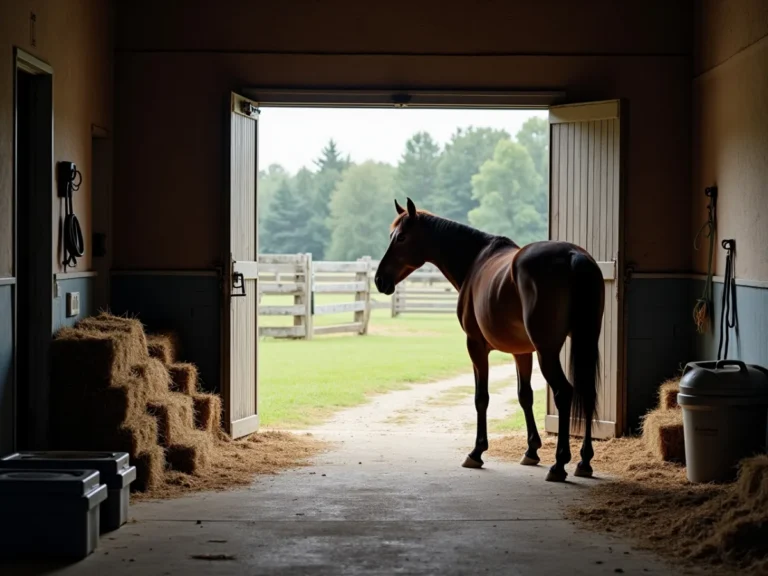
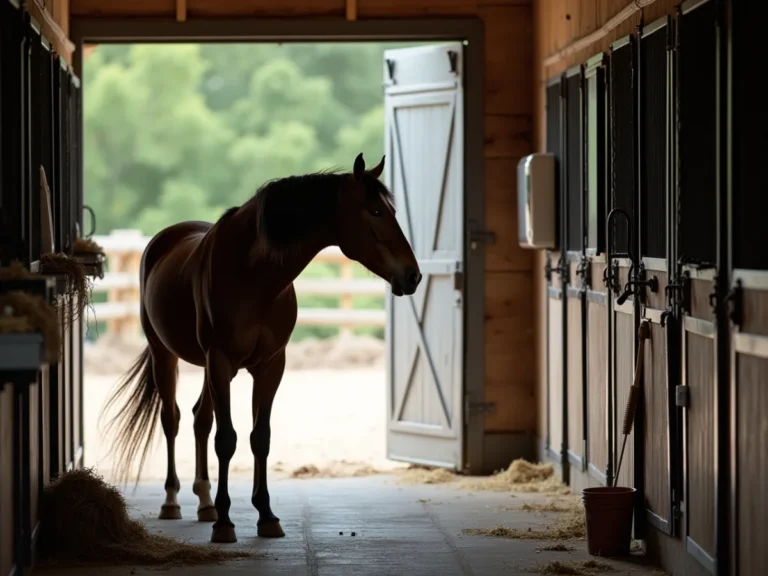
Alert horse near a quiet barn aisle

Frequent Spooking in Everyday Situations

Frequent spooking can turn an ordinary ride into a tense one in a matter of seconds. A leaf moves, a bucket shifts, a dog barks, and the horse reacts before anyone else has time to process what changed. That quick jump or sidestep may…

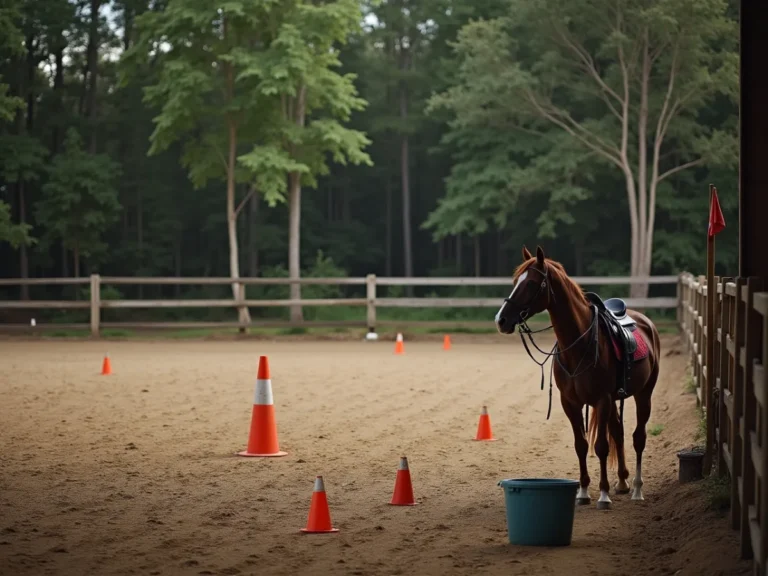
Horse near training arena with scattered cones

Difficulty Focusing During Training

Difficulty focusing during training can show up in many small ways. A horse may drift its attention toward the gate, start fidgeting, rush through familiar work, or seem mentally absent even when the body is moving correctly. Some horses look alert but never settle.…

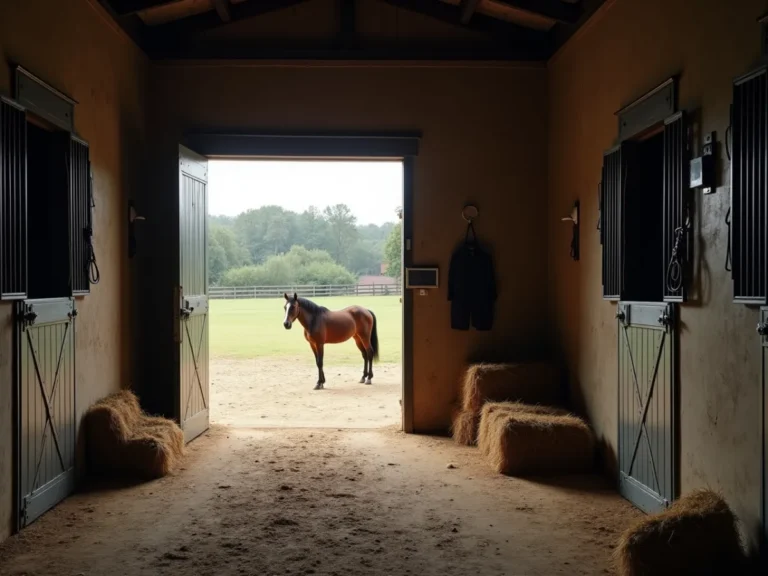
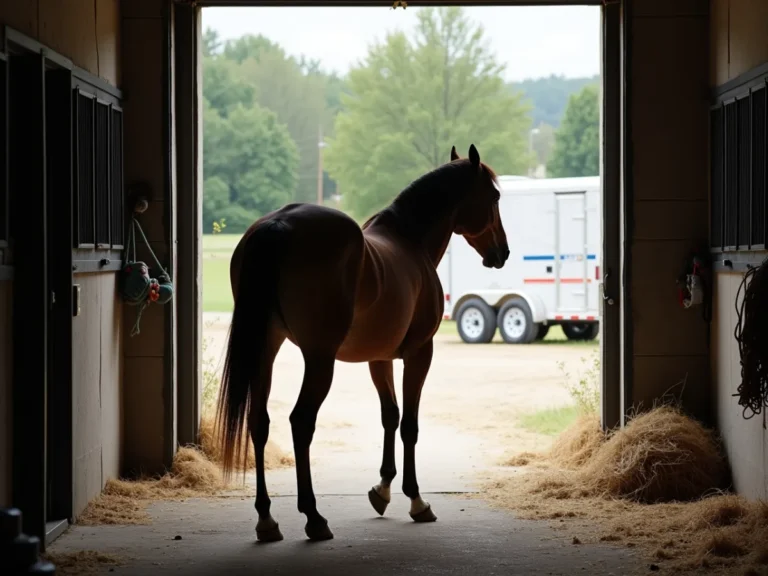
Horse hesitating near barn doorway

Resistance When Approaching Certain Areas

A horse that slows down, braces, or simply refuses to walk toward one particular spot is sending a message that should not be ignored. The reaction may look small at first: a pause at the aisle, a drift away from the mounting block, or…

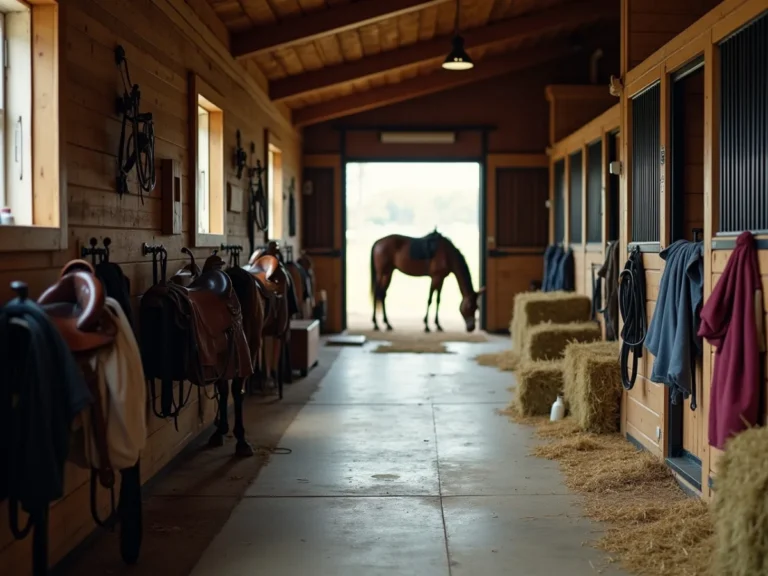
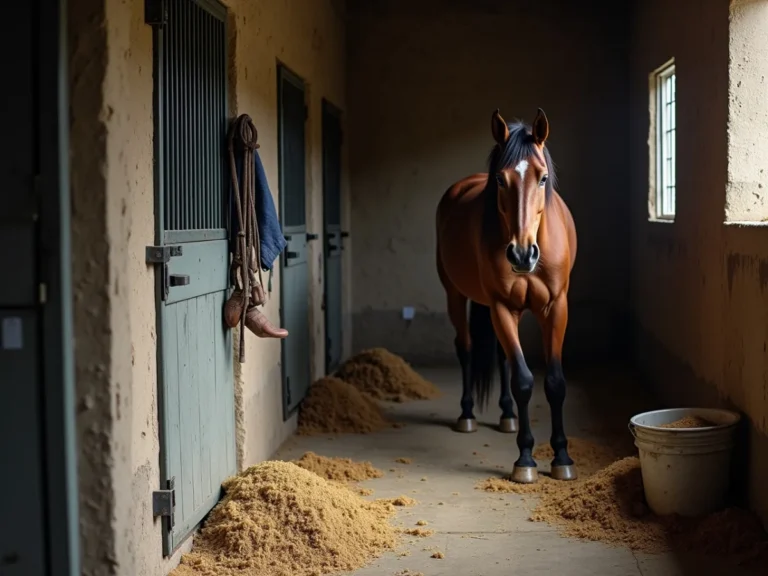
Horse in quiet stable aisle near tarp and bucket

Panic-Like Reactions in Controlled Situations

Panic-like reactions in controlled situations can be confusing because the setting itself looks safe. The horse is in a familiar arena, a clean stall, a quiet trailer, or a routine grooming space, yet the response appears sudden and extreme. That mismatch is what makes…

Horse kicking near a stable fence

Kicking Incidents and How They Develop

A horse does not usually kick without reason. The movement can look sudden from the outside, but it often builds from smaller signals that were easy to miss. A twitch of the skin, a shift in weight, pinned ears, or a tight tail can…

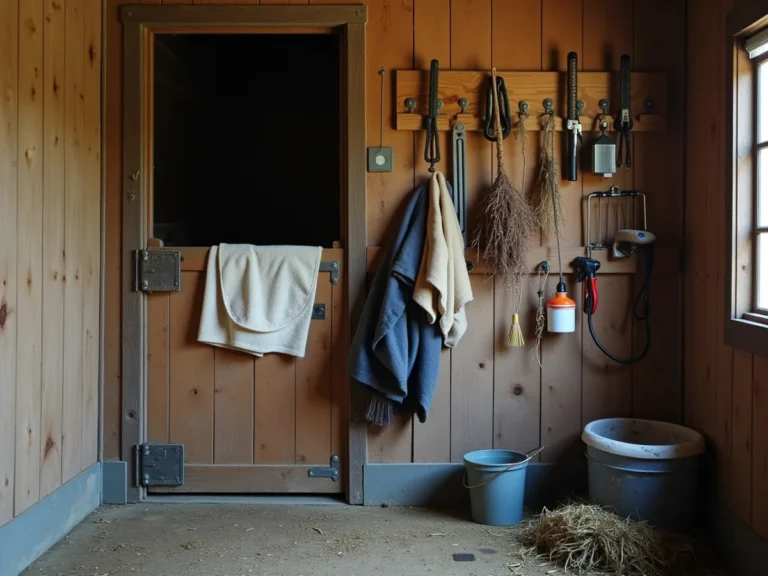
Horse grooming tools beside a stable wall

Sensitivity to Touch and Handling

Some horses lean into a hand, while others pull away from the slightest touch. A blanket strap, a brush passing over the ribs, a saddle pad settling on the back, or even a quiet hand on the neck can bring out a reaction that…

Horse backing away from a narrow path

Backing Up Instead of Moving Forward

When a horse backs up instead of moving forward, the moment can feel small at first and then suddenly important. The shift may be a single careful step in reverse, or it may turn into a full refusal to go on. Either way, it…

Horse hesitating near a training cone

Resistance to Repeated Tasks

Repeated tasks can change the way a horse responds long before anything looks obviously wrong. A horse that used to walk forward on cue may start to hesitate. Another may drift, brace, paw, or simply feel harder to reach on the same exercise that…

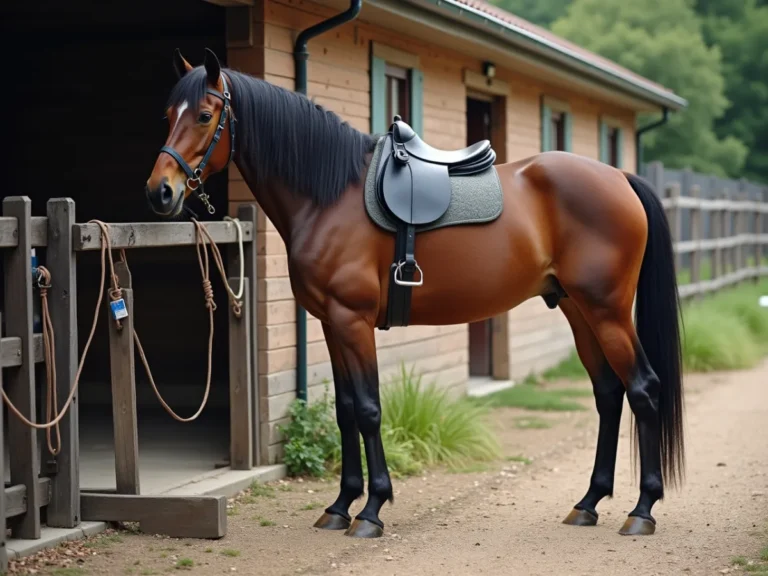
Horse standing quietly by a stable doorway

Ignoring Basic Commands: What It May Signal

A horse that ignores a basic request can look stubborn from a distance, but the moment rarely starts that simply. A missed cue may come from confusion, distraction, fatigue, discomfort, or a reaction to something in the surroundings. The behavior itself is only the…

Horse head tossed back near tack and stable wall

Head Tossing and Repeated Resistance Signals

Head tossing is one of those horse behaviors that catches attention immediately. It can look dramatic, but the movement itself does not always mean the same thing every time. In some moments it is a brief answer to discomfort, while in others it is…

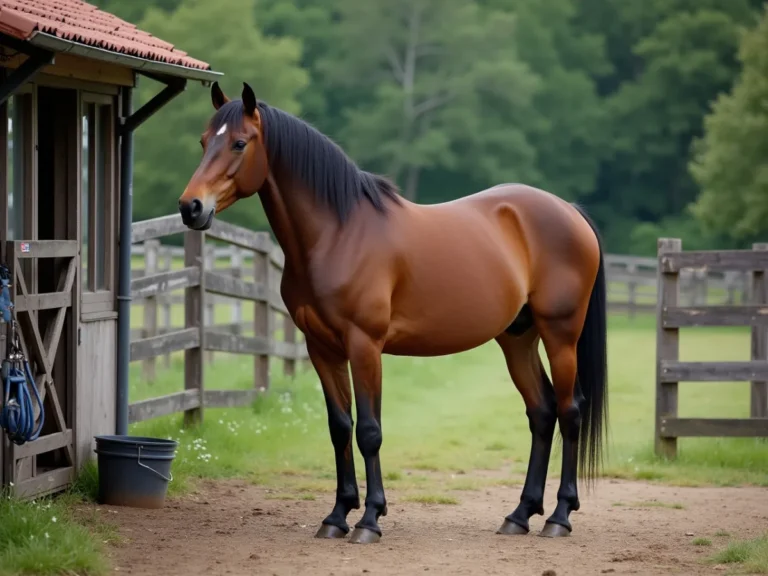
Restless horse in a quiet stable aisle

Difficulty Standing Still When Needed

Some horses never seem fully comfortable when asked to wait in one place. They shift their weight, step sideways, paw once or twice, or turn their attention toward every sound in the barn aisle. The moment seems small, but it can reveal a lot…

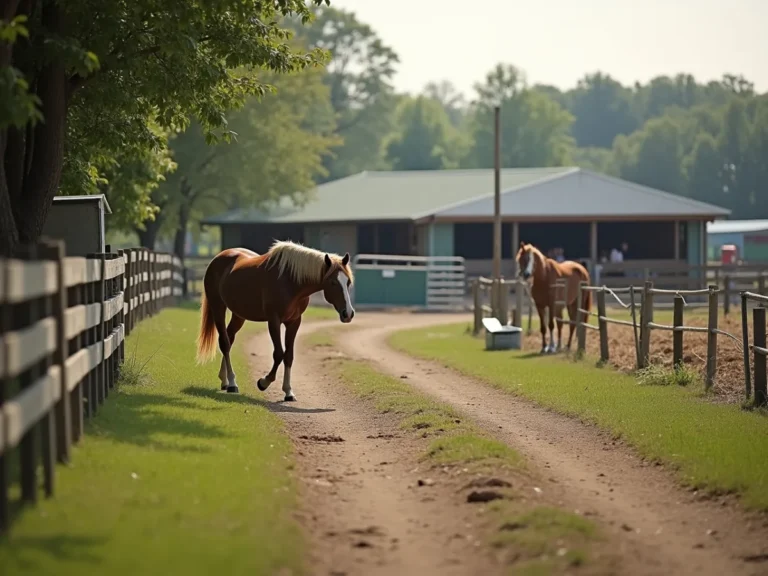
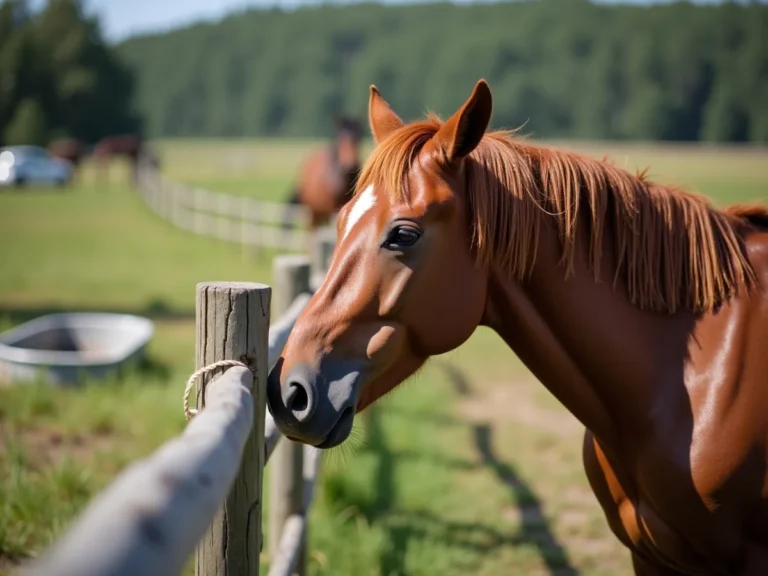
A restless horse near a fence

Restlessness That Doesn’t Seem to Settle

Restlessness in a horse can be easy to notice and hard to explain. The horse may pace, shift from one hind leg to the other, keep scanning the surroundings, or seem unable to relax even after nothing obvious has changed. Some horses show it…