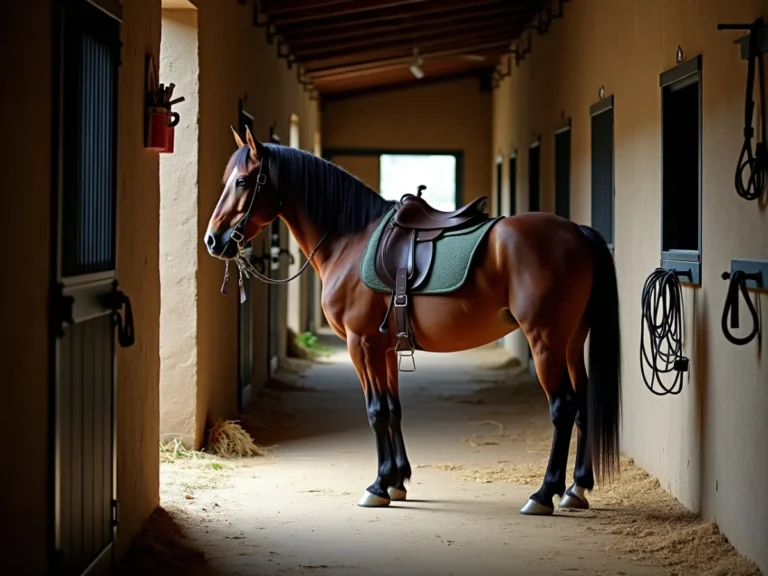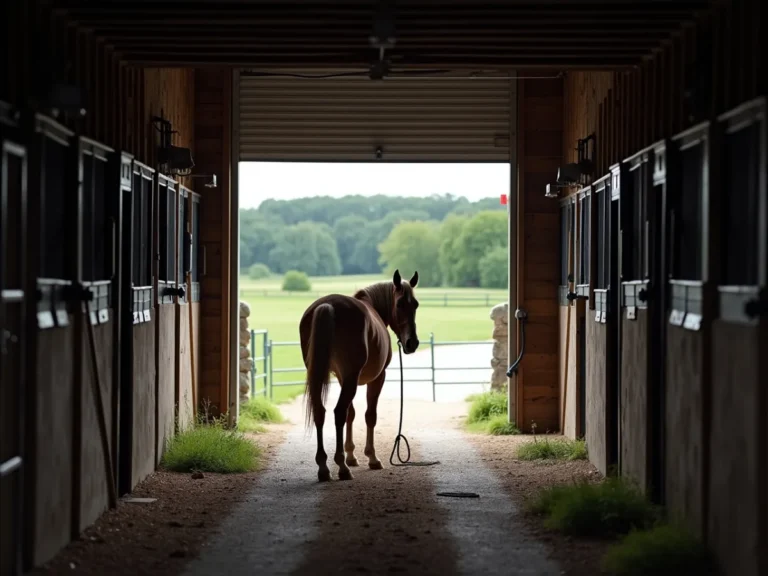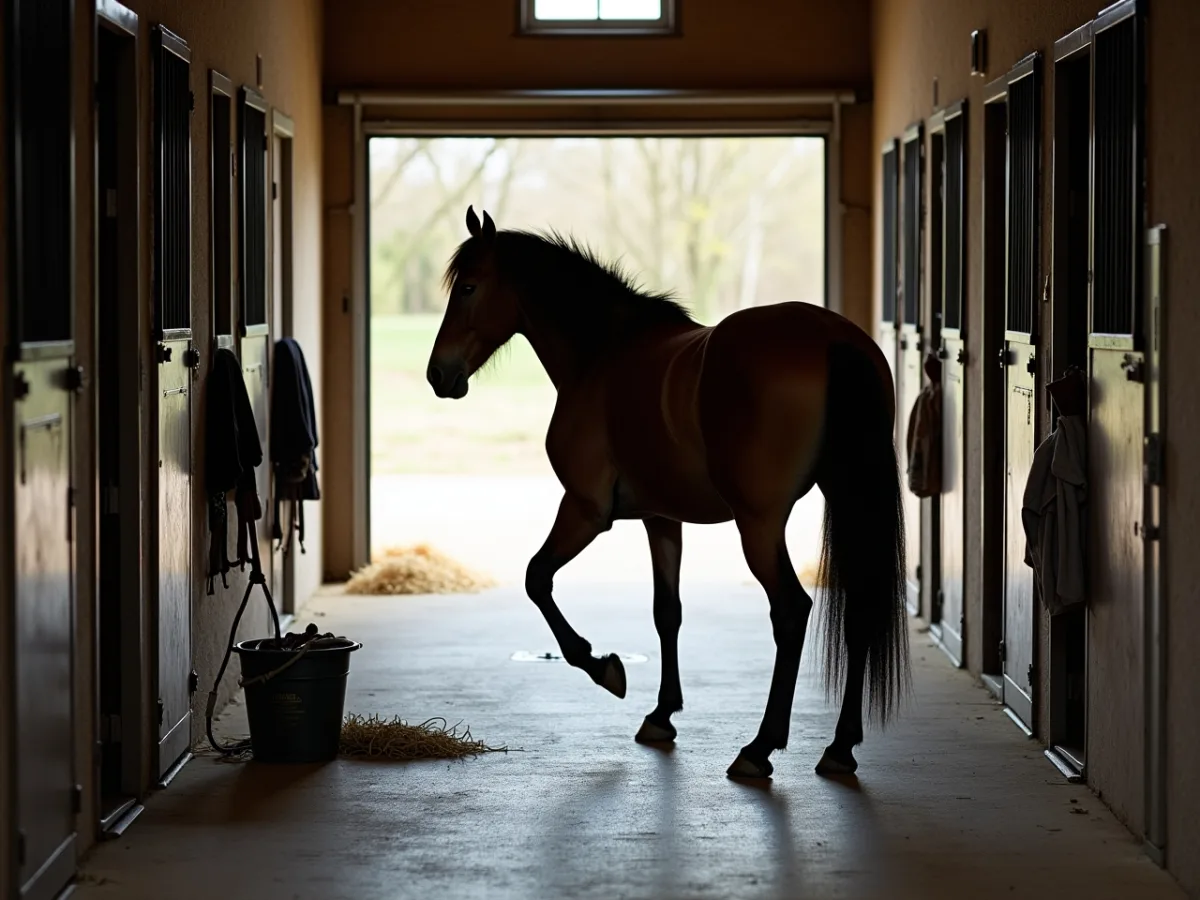
Some horses never seem fully comfortable when asked to wait in one place. They shift their weight, step sideways, paw once or twice, or turn their attention toward every sound in the barn aisle. The moment seems small, but it can reveal a lot about what the horse is feeling and what the environment is asking of them.
Standing still is not always easy for a horse. It can feel unnatural in a busy stable, on a windy day, during grooming, at the trailer, or under saddle when the rider expects quiet patience. What looks like simple restlessness may be caution, boredom, tension, anticipation, or a habit that has grown stronger over time.
The challenge is that the same movement can mean very different things. A horse that quietly shifts a hind foot while tied is not the same as a horse that plants, braces, and keeps checking the door. Understanding the difference makes everyday handling easier and helps people respond without turning a small moment into a bigger problem.
Why standing still can feel difficult
Horses are built to notice movement and respond quickly. Their bodies are designed for motion, balance, and readiness, so stillness is often something they learn rather than something they naturally prefer. That does not mean a horse cannot stand quietly. It means quiet standing is a skill shaped by experience, comfort, and trust in the surrounding situation.
Many horses also treat stillness as a pause in action rather than a true rest. They may stay in place, but their minds keep scanning. A horse that seems unable to stand still is often telling you that the world around them still feels active. Noise, unfamiliar people, other horses moving nearby, or a change in routine can make that feeling stronger.
Some horses are simply more reactive than others. They notice every minor change, from a swinging gate to a bucket being carried across the aisle. Others become unsettled when they have too much energy and not enough mental release. The result can look the same on the surface, but the cause is often different.
Difficulty standing still is usually less about “bad manners” and more about comfort, habit, energy level, and what the horse thinks may happen next.
How it appears in daily handling
In real life, this behavior shows up in small ways before it becomes obvious. A horse may keep moving one foot, swing the hindquarters away while being groomed, or drift forward every time the handler stops. Some horses lean on the lead rope. Others keep their head high and neck stiff, as if they are preparing to leave the moment something changes.
At the cross-ties, a horse may pace in tiny steps, toss the head, or repeatedly adjust their stance. At the mounting block, they may be unable to hold position for more than a few seconds. During saddling, some horses stand for the first part of the process and then begin fidgeting once the routine reaches a specific step they dislike or expect.
Under saddle, the behavior can become more noticeable. A horse may not want to wait at the halt, may walk off before asked, or may keep stepping from side to side when the rider tries to pause. In some cases, the horse is not resisting the halt itself. They are reacting to pressure, confusion, or a lack of confidence about what comes next.
Common places where it shows up
- While tied in the aisle or grooming area
- At the mounting block
- During vet or farrier visits
- While waiting in a trailer
- At show grounds or unfamiliar barns
- During feed-time delays
These situations have one thing in common: the horse is expected to wait while the environment keeps changing. People walk by, metal clinks, other horses call out, and routine may not feel predictable. Even a horse that is usually calm can become restless when the setting is busy enough.
Internal reasons behind the reaction
Sometimes the body is restless because the mind is uneasy. A horse that has trouble standing still may be unsure of the people around them, unsure of the space they are in, or unsure of the task being asked. That uncertainty can turn into movement. Motion becomes a way to reduce tension, even if it only works for a moment.
Excitement can also play a role. Some horses anticipate turnout, riding, feeding, or work so strongly that waiting becomes hard. They are not always anxious. They may simply be eager, mentally loaded, and struggling to keep that expectation quiet. Anticipation can look a lot like nervousness, especially when the horse keeps checking the same direction or tightens their body before a routine event.
Physical discomfort is another possibility. A horse that finds stillness hard may be trying to relieve pressure in the feet, back, hocks, or abdomen. They may keep changing position because one stance feels better than another. When a horse fidgets more on hard ground, after exercise, or during a particular part of handling, it is worth noticing the pattern instead of assuming it is only behavior.
If a horse cannot stand still in situations that used to be easy, discomfort should stay on the list of possibilities.
How environment and stimuli shape the response
Location matters more than many people expect. A horse that stands quietly in a familiar stall may fall apart in a crowded wash rack or an arena full of movement. The same horse may behave differently in daylight than in the evening, or in a quiet barn than on a windy day when every tarp and door makes a sound.
Other horses can also change the picture. Herd animals pay close attention to each other, so a nearby horse that is nervous, calling, or moving around can pull a calm horse out of balance. In turnout, one horse’s energy often spreads quickly. In the barn, a horse may become restless simply because they hear horses leaving, feeding buckets clanging, or people moving toward the tack room.
Routine is powerful. Horses often stand better when they know exactly what is happening and in what order. When the pattern changes, even slightly, some horses lose patience. A later-than-usual turnout, a different handler, a new saddle pad, or a break in the usual work schedule can be enough to create more fidgeting.
Environmental triggers that often matter
- Loud or sudden sounds
- Movement in the horse’s peripheral vision
- Wind, rain, or changing weather
- Separation from herd mates
- Unfamiliar handling patterns
- Long waits without clear cues
These triggers do not always create a dramatic reaction. More often, they build small amounts of tension until the horse can no longer settle. The horse may still look manageable, but the body tells the real story through shifting feet, a tight mouth, or constant scanning.
What the body often reveals
A horse that cannot settle rarely keeps the rest of the body relaxed. The ears may flick too quickly, lock forward, or move backward in a tense pattern. The neck may stay elevated, the tail may swish without much reason, and the hind feet may feel as if they are never fully parked in one place.
Some horses show a soft, low-grade version of this behavior. They are alert but not distressed. They step once, exhale, and stop. They may rest a hind leg, lower their head briefly, then glance back at the environment. This kind of movement can be normal, especially in a busy area, because the horse is adjusting rather than unraveling.
Other horses show a stronger, more defensive pattern. They brace through the body, keep one foot ready to move, or seem unable to soften at all. The difference matters. A horse that is simply active in place is not the same as a horse that is mentally on guard and waiting for trouble.
Subtle signals that often come with restlessness
- Repeated weight shifting
- Hind foot lifting and replacing
- Head raised above normal
- Nostrils tight or flared
- Jaw set or chewing without relaxation
- Quick, repetitive tail movement
One signal alone may not mean much. Several signals together create a clearer picture. The horse may be telling you they need a quieter setup, a slower pace, or a break from whatever is building tension.
When people misread the behavior
It is easy to label a horse as rude, lazy, or spoiled when they cannot stand still. Those words usually miss the point. A horse that keeps moving is often trying to solve a problem in the only way they know how. They may not understand the request, or they may understand it but still feel too unsettled to comply comfortably.
Sometimes people respond by asking for more stillness in a louder or firmer way. That can help in a few situations, but not when the horse is already tense. If the horse is waiting for something scary, uncomfortable, or confusing, adding more pressure often increases the movement rather than reducing it. The body has to settle before the feet can settle.
Another common mistake is ignoring the pattern until it becomes a habit. Repeated fidgeting can become the horse’s default response to waiting. Once that pattern is established, the horse may need more help learning that standing still is safe and manageable in that setting.
What looks like defiance is often a horse trying to stay ready, stay comfortable, or stay connected to what is happening around them.
How horse-human interaction affects stillness
People play a major role in how easy or hard stillness becomes. A horse handled by different people may stand well for one person and fidget for another. Often the difference is not the horse’s temperament alone. It is the rhythm, consistency, and quiet confidence of the human handling them.
Clear expectations help. Horses usually do better when the request is simple, the pause is predictable, and the handler does not keep changing the rules. A horse asked to wait for a feed bucket, a saddle, or a lead change may relax faster when the pattern is consistent. Unclear or rushed handling can make the waiting feel longer and more confusing.
That said, some horses need more than good manners and clear handling. They may need physical checks, more turnout, a quieter space, or a slower introduction to new routines. Standing still is not always about obedience. Sometimes it is about helping the horse feel safe enough to stop preparing for movement.
Ways the interaction changes the outcome
- Calm handling can lower tension
- Predictable routines can reduce scanning
- Short waiting periods may work better than long ones
- Reducing noise and traffic can help sensitive horses
- Checking for discomfort can rule out hidden causes
In many barns, the horse that struggles most in one area improves noticeably in another. That shift is useful. It shows the behavior is not fixed. The horse is responding to context, not just personality.
Different forms of the same problem
Not every horse that struggles to stand still looks dramatic. Some horses are only slightly busy and remain manageable. Others seem almost unable to tolerate a pause. The difference matters because each version points to a different level of need.
A calm but active horse may shift position, glance around, and then return to quiet. Their body softens again quickly. A reactive horse may keep moving, resist contact, or brace every time the handler tries to slow things down. They may not settle until the setting changes or the source of tension disappears.
There is also a middle ground where the horse looks cooperative but is quietly tense. These horses can be the hardest to read. They may stand still for a while, then suddenly move off or break into tension after a small trigger. The stillness is there, but it is fragile.
Soft and strong versions compared
| Version | What it may look like | What it often suggests |
|---|---|---|
| Soft | Minor weight shifts, relaxed blinking, brief adjustments | Normal alertness, mild impatience, or brief discomfort |
| Moderate | Repeated stepping, head raising, tension in the neck | Building restlessness, anticipation, or uncertainty |
| Strong | Bracing, pacing in place, refusal to stay parked | Stress, fear, pain, or a deeply learned habit |
Seeing the difference helps people respond proportionally. A small movement may need only patience. A stronger pattern may need a closer look at the horse’s health, handling history, and environment.
What long-term patterns can tell you
A horse that occasionally fidgets is very different from one that rarely stands quietly anywhere. Over time, the pattern becomes meaningful. If the horse is only restless in crowded places, the issue may be situational. If the horse struggles in every setting, there may be a deeper reason behind it.
Age and experience matter too. Young horses often find standing still harder because they are still learning what humans expect and how to relax in human-made spaces. Mature horses with good habits may stand well in familiar routines but become less steady when the routine is interrupted. Older horses may grow more restless if discomfort or stiffness makes one position hard to maintain.
Consistency in observation helps. One day of fidgeting does not explain much. A repeated pattern across grooming, tacking, riding, and waiting tells a richer story. People who know the horse well usually notice which details come first: the foot movement, the tail switch, the lifted head, or the moment attention shifts away from the handler.
Questions worth noticing over time
- Does the horse fidget in one place or many?
- Does the behavior get worse with waiting?
- Is it tied to certain people, sounds, or routines?
- Does it improve after exercise or turnout?
- Did it begin suddenly or slowly over time?
Those patterns can be more useful than any single incident. They help separate a temporary reaction from a stable behavior and point toward the kind of response the horse actually needs.
Staying calm when the horse cannot
When a horse struggles to stand still, the most helpful response is usually steady and observant. The goal is not to force quiet through tension. It is to understand what kind of waiting the horse can manage today. Some horses need a shorter pause, some need more movement before they can settle, and some need the environment to become less busy.
A horse that finally stands still in a quiet moment may not have “learned a lesson” in the dramatic sense. More often, they have found a setup that works. That may be the real answer all along. Quiet standing becomes easier when the horse is comfortable enough to stop preparing for the next thing.
In daily life, that can mean paying attention to small changes before they grow larger: a tighter neck, a quicker step, a sudden need to move the hindquarters away from pressure. Those details often appear long before the horse reaches a bigger reaction. Watching them closely makes the horse easier to read and the moment easier to handle.
Difficulty standing still is not a single behavior with one meaning. It is a collection of signals shaped by habit, body comfort, surroundings, and the horse’s sense of what is about to happen. Once those pieces are seen clearly, the horse’s movement starts to make more sense, even when they still do not want to stay in one place for long.