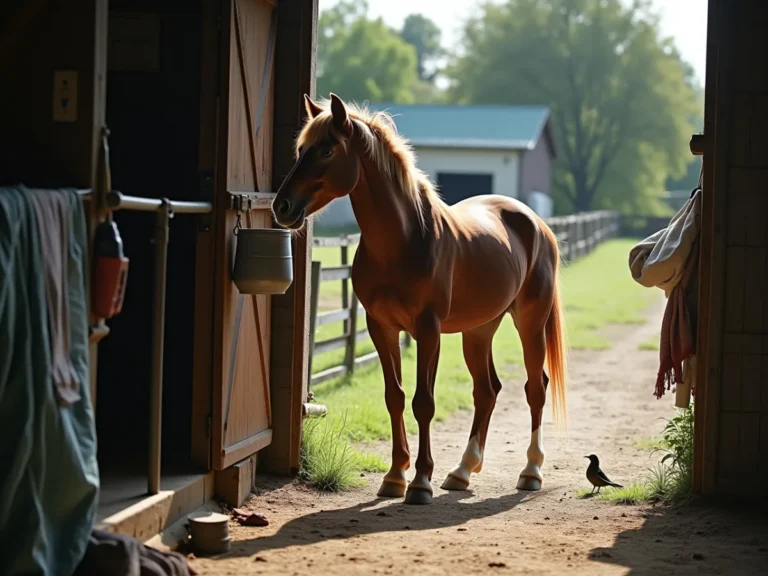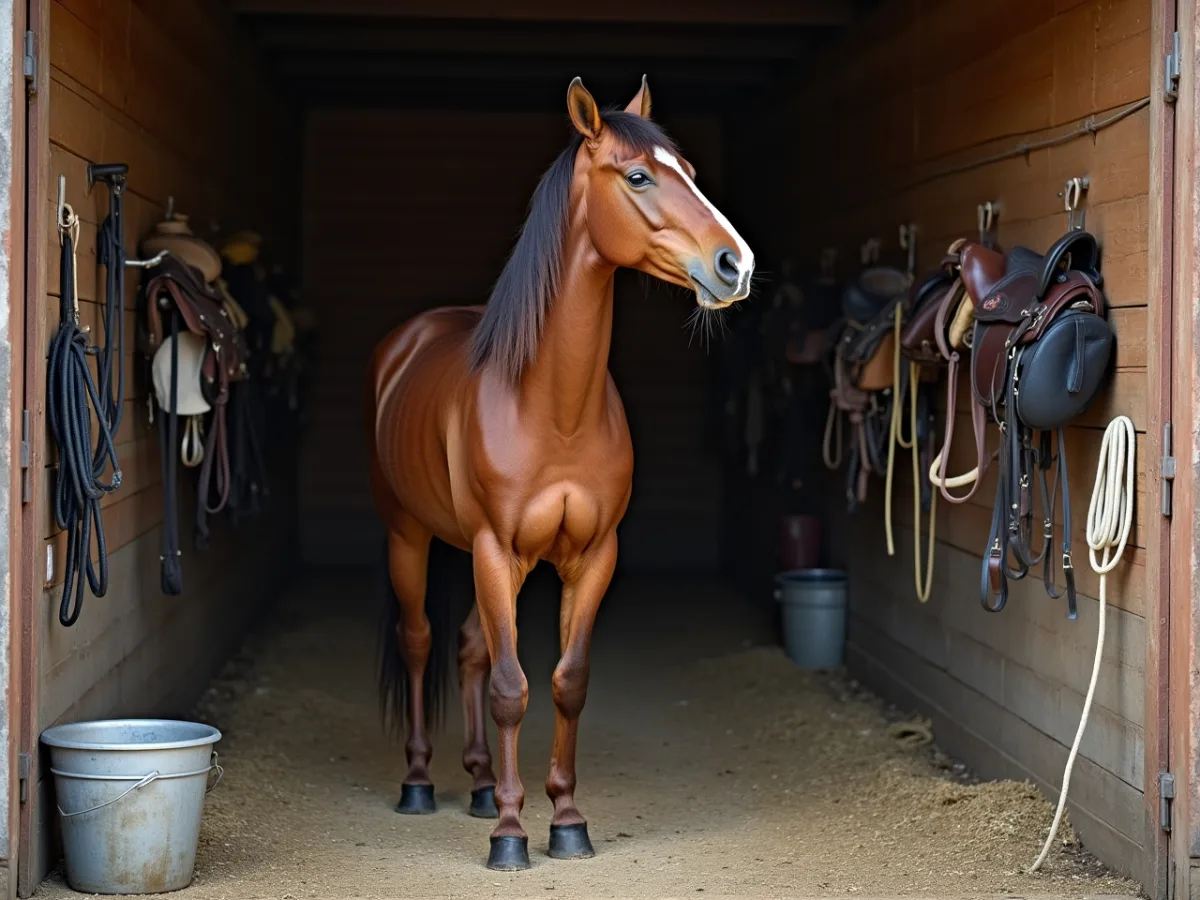
Head tossing is one of those horse behaviors that catches attention immediately. It can look dramatic, but the movement itself does not always mean the same thing every time. In some moments it is a brief answer to discomfort, while in others it is part of a pattern of repeated resistance that shows up when a horse feels unsure, restricted, or mentally overloaded.
Repeated resistance signals often appear in small pieces before they become obvious. A horse may start by shaking the head once, raising the neck, or backing away from pressure. Then the pattern repeats. The same response comes again and again, which tells an observant owner that the horse is not simply being stubborn. Something in the situation is asking for more effort than the horse is ready to give.
These behaviors matter because they are communication. They can point to physical discomfort, emotional tension, confusion, or a clash between what is being asked and what the horse can manage at that moment. The details around the behavior are usually more important than the behavior alone.
What Head Tossing and Repeated Resistance Often Look Like
Head tossing may be quick and sharp, or it may show up as repeated upward jerks, side-to-side swings, or a cycle of raising and dropping the head. Some horses toss once and settle. Others repeat the motion several times in a row, especially when the pressure or trigger stays in place.
Repeated resistance signals can include more than the head. A horse may plant the feet, lean into the halter, step backward, brace through the neck, or refuse to move forward after the first request. These reactions often come together. The head movement is visible, but the body language underneath is just as important.
In practical terms, this behavior often appears when a horse feels constrained. The horse may not want the bit pressure, may dislike a girth being tightened, may resist trailer loading, or may protest a request that feels confusing. The repeated nature of the reaction is what stands out. It suggests the horse has not accepted the cue, has not understood it, or cannot comfortably respond to it yet.
Why Horses Repeat Resistance Instead of Giving a Single Signal
Horses are built to notice tension quickly. When something feels wrong, many will try a small signal first. If the pressure continues or the issue remains unresolved, they may repeat the signal with more intensity. That is one reason repeated resistance can be so revealing. It is often the horse’s way of saying the first message was not enough.
A single head toss may be incidental. Repeated head tossing, however, usually means the horse is stuck in an unresolved state. The horse may want relief, predictability, or room to move without being pinned into an uncomfortable position.
In many cases, the horse is not challenging authority in the human sense. The horse is trying to adjust to a situation that still feels wrong. Resistance repeats because the underlying problem repeats. The cause may be physical, emotional, or both.
When a horse keeps repeating the same refusal or head movement, the pattern matters more than the force of the gesture. Repetition usually means the horse has not found a safe or comfortable answer yet.
Common Situations Where the Behavior Appears
During grooming and tacking up
Some horses begin tossing their heads when the halter goes on, the bridle comes out, or the girth is tightened. In these situations, the behavior may reflect anticipation of discomfort. A horse that has learned that a certain step will be unpleasant may start resisting before the actual pressure even begins.
It can also appear when grooming reaches a sensitive area. One horse may resist when the saddle pad brushes the back. Another may react to cinching, belly contact, or the feel of a bridle over the ears. If the same response happens day after day, it is worth looking closely at what part of the routine always comes before it.
Under saddle
Head tossing under saddle is often noticed when contact becomes inconsistent, restrictive, or uncomfortable. A horse may raise and shake the head in response to a bit issue, a stiff hand, a poorly fitting bridle, or tension in the neck and back. Sometimes it appears during transitions, circles, or collection work when the horse feels asked to hold a shape that is hard to maintain.
Repeated resistance under saddle may show up as delayed responses, bolting the head upward, leaning against the rein, or refusing to go into a certain frame. Some horses become more reactive when asked to move forward into contact. Others resist when they feel trapped by too much hand and not enough release.
In the pasture or stall
Even away from work, head tossing can appear in response to flies, excitement, frustration, or another horse in the field. In these settings, the behavior may be less about training and more about irritation or arousal. A horse that repeatedly throws the head while pinned in a stall may be trying to respond to a noise, smell, or physical annoyance that no one has noticed yet.
If resistance appears in calm settings too, the pattern deserves attention. A horse that is uncomfortable in the stall, reluctant to lower the head for a hay net, or repeatedly jerks away when approached may be signaling a broader issue with handling, pain, or stress.
During loading or travel
Trailer loading often brings out repeated resistance because the horse faces pressure from both the environment and the handler’s expectations. Head tossing, backing up, bracing, and repeated stops all fit into this pattern. The horse may not be refusing out of defiance. The trailer may simply feel too narrow, too dark, too noisy, or too unfamiliar.
Travel itself can also produce head movement. A horse that tosses the head repeatedly inside the trailer may be responding to motion, balance changes, confinement, or anxiety. When the same reaction happens every trip, the horse is likely telling you the setting is still not comfortable.
Possible Physical Reasons Behind the Reaction
Physical discomfort is one of the most important possibilities to consider. Horses do not always show pain in obvious ways. Head tossing and repeated resistance can be early signs that something hurts or feels wrong.
Common physical causes include:
- Bit or bridle pressure that feels sharp or unbalanced
- Dental issues such as sharp points, ulcers, or mouth soreness
- Ear sensitivity or irritation
- Neck, poll, back, or shoulder discomfort
- Saddle fit problems
- Girth or cinch pressure
- Vision changes or eye irritation
- Skin sensitivity from insects, sweat, or tack rubs
These issues do not always create constant behavior. Some horses only react when a certain movement or pressure hits the sore area. That is why a horse may seem fine in one part of the ride and resistant in another. The pattern may point to a specific trigger rather than a general mood.
A horse that seems to toss the head most during turns, flexion, or rein contact may be showing discomfort in the neck or mouth. A horse that starts after tack is added may be responding to fit or pressure. A horse that reacts only when flies are bad might be dealing with irritation rather than training conflict.
Repeated resistance should not be treated as a simple discipline problem until pain and tack fit have been considered. Horses often react first where they feel the most pressure.
Emotional and Mental Triggers That Can Build the Pattern
Not all repeated resistance comes from pain. Some of it grows from confusion, overpressure, or a lack of trust in the situation. Horses are sensitive to routine, tone, and body feel. If the requests come too fast or too strongly, they may respond by resisting in the same way over and over.
A horse that is mentally overloaded may not fully understand the cue. The response then becomes a cycle: the handler asks, the horse does not know how to answer, pressure continues, and the horse resists again. What looks like defiance can actually be uncertainty with nowhere to go.
Fear also plays a role. Horses that anticipate trouble may enter a tense state before the actual request arrives. That tension can show up as head tossing, bracing, or repeated stepping away. Once the horse expects discomfort, the behavior may happen sooner and with less provocation.
Habit can form as well. If a horse has repeatedly used head tossing to create space or end a pressure point, the behavior may become a learned strategy. Even then, the original cause usually matters. Horses rarely invent repeated resistance from nowhere. Something in the interaction made the strategy useful.
How the Surrounding Environment Changes the Signal
The same horse may behave very differently depending on the setting. A quiet arena, a windy field edge, a crowded show environment, and a noisy barn aisle all affect how much pressure a horse can tolerate. Repeated resistance often increases when the environment adds layers of stimulation.
Wind, insects, noise, unfamiliar horses, and uneven footing can all make a horse more reactive. A horse that is usually compliant may start tossing the head when flies bother the face or when the barn is full of sudden sounds. The reaction is often less about the task and more about the total amount of stimulation.
Routine matters too. Horses tend to feel more settled when their days are predictable. If feeding, turnout, work, and handling change often, some horses become more resistant. They may act out not because they are difficult, but because they do better when they know what comes next.
Even a small change can matter. A different bridle, a new rider, a later feeding time, or a changed warm-up routine may be enough to bring out repeated signals. Horses notice patterns quickly, and when a pattern becomes uncertain, tension can rise.
Subtle Signs That Often Appear Before the Big Movement
Head tossing is usually not the first thing a horse shows. It often comes after smaller signals that are easier to miss. Those early signs can help explain what the horse is reacting to.
- ears pinning and then flicking back and forth
- tight lips or a busy mouth
- raised neck with a rigid topline
- tail swishing without a clear physical reason
- short, quick steps instead of relaxed movement
- delayed response to a cue
- turning the head away from the handler or tack
- resting one hind leg and then shifting repeatedly
These signals often show up before the horse fully refuses. A horse may look only a little irritated at first. Then the same small tension builds until the head toss becomes impossible to ignore.
That progression is useful. It suggests the horse is not moving suddenly from calm to reactive. The behavior is building in stages. Paying attention to the early stages often makes it easier to address the cause before resistance becomes a habit.
How People Misread the Behavior
One common mistake is assuming that head tossing always means disrespect. Another is assuming it always means pain. Both ideas can be too narrow. The same gesture can mean different things in different situations, and the context matters every time.
For example, a horse that tosses the head when flies are swarming is showing irritation. A horse that does it when bridling may be reacting to pressure or learned expectation. A horse that repeats the movement during a certain exercise may be telling you that the request is physically or mentally too much.
Repeated resistance is also easy to misread as bad attitude because it can be loud and inconvenient. Yet convenience does not determine meaning. A horse may be frustrated, uncertain, guarded, or uncomfortable. The answer is usually in the pattern, not the label.
Some horses are also more expressive by nature. They react quickly, then settle. Others stay quiet until they reach a breaking point. The louder horse is not necessarily the harder one to understand. The quiet horse can be just as clear if the signals are noticed early enough.
What Consistency Can Tell You Over Time
One-off head tossing may not mean much on its own. Repetition across days, weeks, or specific tasks paints a clearer picture. If the behavior shows up in the same place every time, that pattern is valuable. It points toward a trigger that is predictable, even if it is not yet obvious.
A horse that resists only when bridled may have a mouth issue. A horse that resists only in one saddle may have fit problems. A horse that resists only after long periods in the stall may be under-stimulated, stiff, or eager to move. The more consistent the pattern, the more likely there is a real cause behind it.
At the same time, a pattern can change. Some horses start with mild resistance and later become more reactive if the underlying issue is ignored. Others improve quickly once the cause is removed or the request is adjusted. That change over time can be as informative as the behavior itself.
Practical Clues Worth Noticing
When a horse shows repeated resistance, small observations can help narrow down the cause. Timing matters. So does the exact trigger, the horse’s posture, and whether the behavior happens before, during, or after contact.
| What to Notice | Why It Matters |
|---|---|
| When the behavior starts | Helps identify the trigger point |
| Whether it repeats in the same situation | Shows whether the cause is consistent |
| What the body is doing at the same time | Reveals tension, pain, or confusion |
| Whether the horse settles after release | Suggests pressure may be the issue |
| Changes in tack, routine, or environment | Can explain new or stronger reactions |
These details help distinguish between a horse that is simply excited and a horse that is genuinely struggling with the situation. The difference is often in the overall pattern, not in one isolated toss of the head.
How Repeated Resistance Affects Daily Handling
When resistance becomes a pattern, daily handling starts to change around it. People may shorten the routine, avoid certain movements, or become more cautious. That is understandable, but it can also hide the original cause if the horse is never asked in the same way again.
Sometimes the horse appears easiest to handle when the routine is predictable and the pressure is light. In those cases, consistency in handling may reduce the repeated signals. Other times, the horse needs an actual physical issue addressed before behavior improves. The response to change often tells the story.
A horse that becomes more settled after tack adjustment, dental care, or a slower approach to work is giving useful feedback. A horse that stays resistant despite those changes may need a deeper look at routine, environment, or emotional stress. The behavior is not random. It responds to something.
Repeated resistance is often the horse’s way of showing that the same request still feels wrong. The answer may be in pain, pressure, confusion, or all three at once.
Closing Thoughts on the Pattern Itself
Head tossing is easy to spot, but the real meaning comes from the repeated context around it. A horse that tosses once may be reacting to a fly or a passing irritation. A horse that keeps repeating the signal is usually trying harder to be understood. The movement is small in one sense and very important in another.
When the behavior appears again and again, it deserves careful attention to timing, setting, tack, and physical comfort. Horses rarely repeat resistance without a reason. If the same signal keeps returning, something in the horse’s world is still unresolved, and the pattern itself is the clearest clue available.