Frequent spooking can turn an ordinary ride into a tense one in a matter of seconds. A leaf moves, a bucket shifts, a dog barks, and the horse reacts before anyone else has time to process what changed. That quick jump or sidestep may look dramatic, but it usually comes from a very ordinary place: a horse noticing something, deciding it is not fully understood, and responding fast.
In everyday settings, this behavior can appear mild or intense. One horse may only flick an ear and step away from a new object. Another may spin, snort, or leap to the side even when the trigger seems small. The pattern matters more than the single moment, because repeated spooking often tells a clearer story about the horse’s comfort, attention, and environment.
Owners often focus on the object that caused the reaction, but the deeper picture usually includes habit, routine, body tension, and the amount of pressure a horse is carrying that day. Some horses are naturally watchful. Others become more reactive when they are tired, bored, unsettled, or unsure of what is expected. The same horse may feel steady in one place and nervous in another.
Understanding frequent spooking does not mean excusing every reaction. It means reading the situation with more care. A horse that startles often is not necessarily difficult by nature. Sometimes the horse is simply telling you that something in the daily picture feels too sharp, too sudden, or too unfamiliar to ignore.
How Frequent Spooking Shows Up in Daily Life
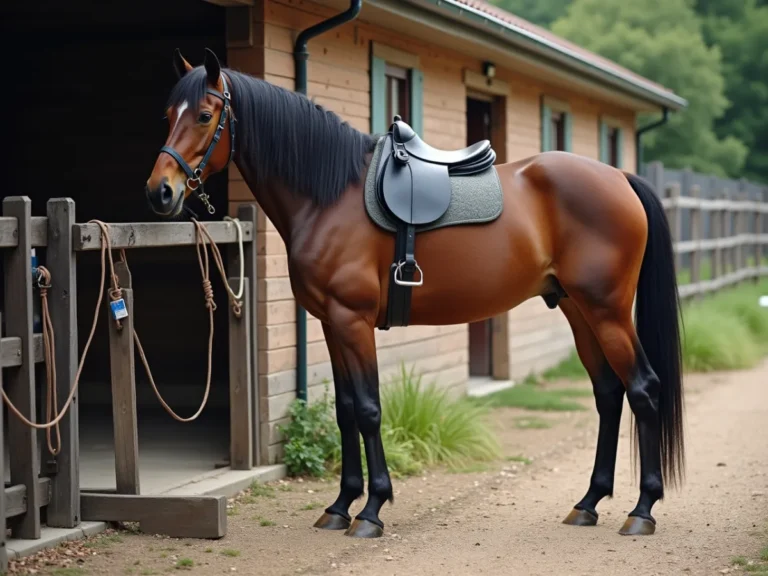
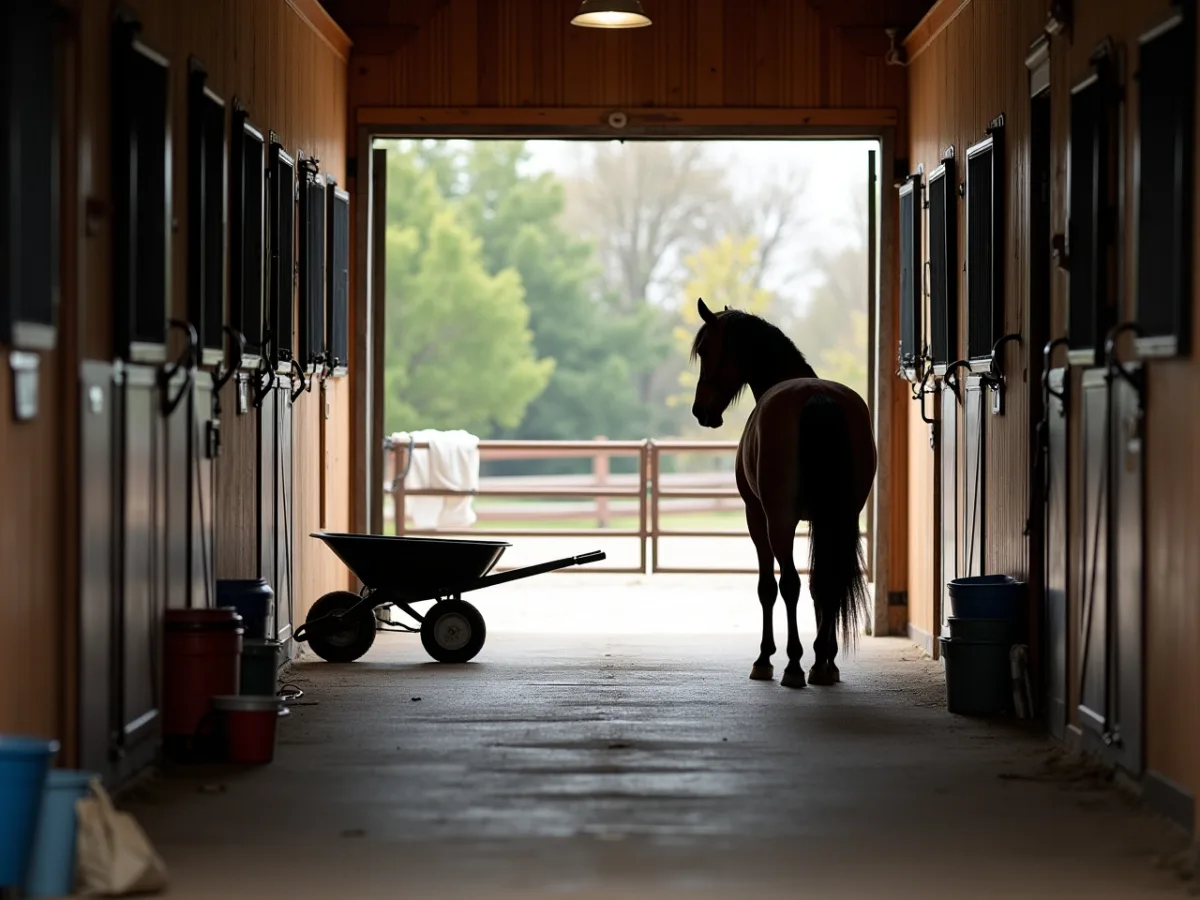
Spooking rarely happens in a vacuum. It often appears in places where the horse has to process a lot at once. The stable aisle, the grooming area, the trail, the arena gate, and the trailer are all common spots because each one contains movement, noise, and routine interruptions.
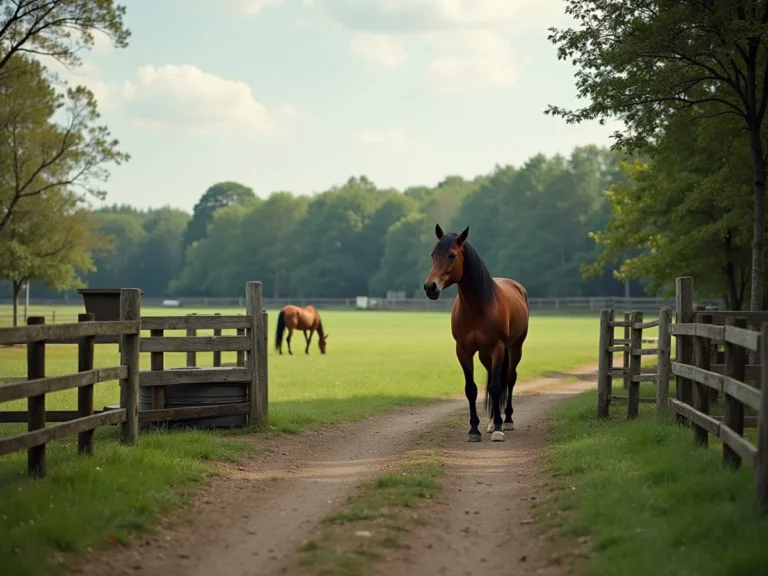
In the stable, a horse may tense when another horse calls from across the aisle, when feed carts rattle, or when a person reaches over the stall door unexpectedly. In the pasture, the reaction may come from wildlife, a loose tarp, fencing that moves in the wind, or a new herd mate. Under saddle, the horse may be more likely to react to shadows, bags, puddles, flapping clothing, or something behind the fence line.
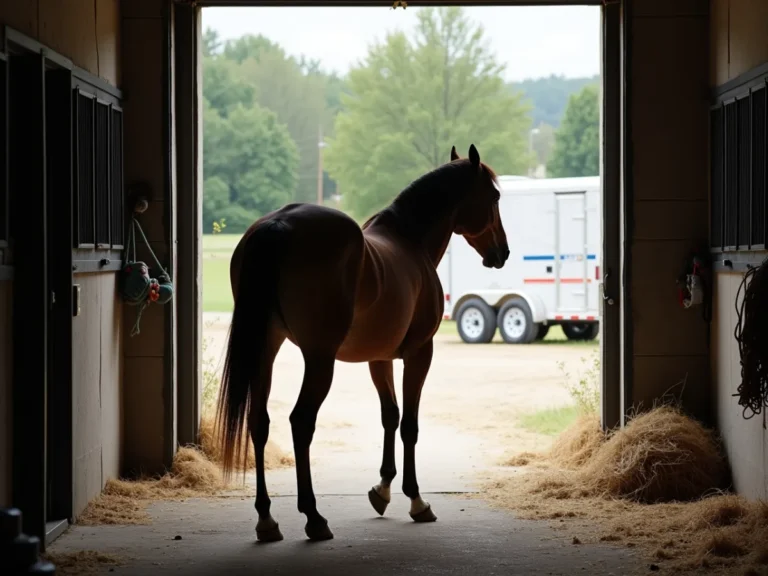
Transport can intensify the same tendency. A horse in a trailer has fewer ways to adjust comfortably, so small sounds or shifting balance can feel bigger. Even a horse that seems relaxed at home may become more reactive when the environment is unfamiliar or when the daily pattern changes.
Common situations where spooking is noticed
- Passing parked equipment, trash cans, or signs on a trail
- Walking near arena walls, banners, or open doors
- Hearing sudden clanging in the barn
- Seeing moving shadows, plastic, or ground changes
- Encountering new horses, dogs, or vehicles
- Loading into a trailer or standing in a new wash rack
These moments can look similar from the outside, but the horse’s response may vary a lot. One day the horse only hesitates. Another day the same object causes a bigger reaction. That inconsistency is often part of the problem owners notice most.
Why Horses Become Easy to Startle
Horses are built to notice changes quickly. That instinct is useful in nature, where a fast response can help them avoid danger. A horse that pays close attention to the environment has an advantage, but the same sensitivity can become inconvenient in a busy domestic setting.
Frequent spooking can come from several overlapping causes. Some horses are naturally more alert than others. Some have learned that certain situations are unpredictable, so they keep their guard up. Others are reacting to physical discomfort, poor rest, inconsistent handling, or a general lack of confidence in their surroundings.
Routine plays a large role. Horses are pattern-driven animals. When feeding times, turnout, work schedules, or handling routines shift often, a horse may feel less settled. That unsettled feeling can show up as quicker reactions to ordinary things.
Frequent spooking is often less about one scary object and more about a horse’s overall level of readiness, tension, and trust in the moment.
Age and experience also matter. Young horses often react because they have not yet seen enough of the world. Mature horses may still spook, but their reactions are usually easier to predict if their environment and health are stable. When a seasoned horse starts spooking more than usual, owners often need to look beyond the obvious trigger.
The Role of Environment and Surroundings
A horse’s surroundings can either settle the nervous system or keep it on edge. A quiet field with familiar horses and steady routines often produces a different horse than a crowded barn aisle with constant motion. Even small environmental details can shape how often spooking happens.
Noise is one of the biggest factors. Sudden sounds are hard for many horses to ignore. Metal doors, banging gates, barking dogs, tractors, and loud voices can trigger repeated startle responses if they happen often enough. The horse may begin to brace in anticipation, which can make the reaction stronger over time.
Visual clutter matters too. Horses notice movement, contrast, and changes in shape. A jacket left on a fence, a tarp blowing on a nearby structure, a wheelbarrow in a new spot, or a shadow across the footing can become a source of repeated concern. The horse may not be “afraid” in a dramatic sense. It may simply be unsure whether the object is safe.
Footing and layout also influence reactions. Slippery ground, uneven surfaces, narrow aisles, and blind corners can make a horse less willing to step forward calmly. When the horse cannot clearly see or trust the path, spooking becomes more likely because the body is already preparing for caution.
Environmental factors that often increase spooking
- Unfamiliar barns or arenas
- High traffic around stalls, gates, and wash areas
- Changing objects left in the horse’s path
- Strong wind that moves ropes, tarps, or branches
- Limited turnout or crowded spaces
- Inconsistent routines and frequent disruptions
Some horses become more reactive when they are moved from one familiar setting to another. The same horse that seems settled at home may get tense at a show, clinic, or boarding barn. That shift is not unusual. It often means the horse relies heavily on predictable surroundings to stay confident.
What Frequent Spooking May Signal About the Horse’s State
Not every spook means the horse is scared in the same way. A mild startle can be simple alertness. A stronger or repeated reaction may point to tension that has built up over time. The body language around the spook usually helps make that distinction.
Before the reaction, horses often show small signs that something is off. Their neck may rise. The eyes may widen. The ears may lock forward or flick rapidly. The body may stiffen, the steps may shorten, and the horse may begin to hesitate instead of moving freely. These signals often appear before the obvious jump or spin.
After the reaction, the horse’s recovery tells another part of the story. Some horses glance at the object, snort, and move on. Others keep checking the same spot, remain tight through the back, or continue to brace for several minutes. The longer the tension lasts, the more likely it is that the spook reflects a broader state of unease rather than a single surprise.
When a horse keeps spooking at ordinary things, the question is often not “What was that object?” but “What is making the horse so ready to react?”
Physical discomfort should not be overlooked. A horse that feels sore, unbalanced, or restricted may react more sharply because its tolerance for stress is lower. Pain does not always look obvious. Sometimes it shows up as irritability, sensitivity, or a horse that seems jumpier than usual in situations that used to feel easy.
Different Forms of Spooking in Everyday Situations
Spooking is not one single behavior. It can look cautious, reactive, defensive, or mixed. Some horses only drift away from a trigger. Others explode away from it. The difference matters because it changes how owners interpret the horse’s comfort level.
A soft spook might involve a head lift, a pause, a sideways step, and a quick look back at the object. The horse is concerned, but still available to the handler or rider. A stronger spook may include a full body jump, a spin, rushing forward, or bolting a few strides before settling. In both cases, the horse is responding to something uncertain, but the intensity is very different.
Mixed signals can be confusing. A horse may approach a new object with curiosity, then jump away the moment it moves. Another horse may spook while still stretching its neck toward the same thing. These reactions often show that interest and caution are happening at the same time.
Soft, moderate, and strong forms
| Form | Typical signs | What it may suggest |
|---|---|---|
| Soft | Brief pause, ear focus, small sidestep | Awareness without major tension |
| Moderate | Head lift, snort, quick retreat, stiff body | Clear uncertainty or worry |
| Strong | Spin, jump, bolt, repeated checking | High reactivity or low confidence |
Not every horse reads the same situation the same way. One horse may accept a plastic bag on the rail after one look. Another may react each time it flutters. That difference can come from temperament, experience, or the horse’s current state that day.
How Human Handling Shapes the Pattern
People often focus on trying to prevent the spook itself. Yet the horse’s confidence in the handler or rider can be just as important as the object in front of it. Horses look to humans for consistency. If cues are unclear, reactions are uneven, or corrections come too sharply, the horse may become more guarded.
A horse that feels rushed may stay mentally ahead of the handler, scanning for the next surprise. A horse that is held too tightly may not have enough room to process new things calmly. On the other hand, a horse that is given steady, predictable guidance often has an easier time sorting through small changes without escalating the response.
Handling also affects memory. If a horse is repeatedly exposed to a trigger in a tense way, the horse may begin to anticipate stress before the object even appears. If the same trigger is approached with patience and repetition, the horse may gradually relax around it. Neither outcome happens instantly, and both depend on timing and consistency.
It helps to notice the moments before the spook. Was the horse already tight? Was the pace too fast? Was the horse being asked to work in a crowded space without enough mental break? These details often matter more than the final jump.
When Frequent Spooking Becomes More Noticeable
Some horses spook more during certain parts of the day or under certain conditions. Early morning shadows can be troubling. Late afternoon activity near the barn can create more tension. After a change in turnout, workload, feed routine, or stable location, the horse may feel less settled for days or even weeks.
Weather also plays a role. Wind can make many horses sharper. Rain can change footing and alter sounds. Heat can wear on patience. Cold weather may leave a horse stiffer and less comfortable, which can make normal surprises harder to absorb.
Workload matters as well. A horse that is underworked may become mentally flat in some places but overly reactive in others because the body and mind are not getting enough regular, structured use. A horse that is overworked or physically strained may also react more quickly because fatigue reduces tolerance.
When spooking becomes frequent, timing often reveals the trigger pattern better than the trigger itself.
That pattern may show up only during transitions: leaving the barn, entering the arena, passing a busy gate, or starting a ride after standing still. Transitions ask the horse to shift focus, and that shift is where uncertainty often appears.
Long-Term Patterns Worth Watching
A single spook is part of normal horse behavior. A repeating pattern is different. Over time, frequent spooking can become a stable trait, a temporary phase, or a sign that something in the horse’s life needs attention. The course it takes depends on what surrounds it.
Some horses grow steadier with age and routine. Others remain naturally sharp, but their reactions become more manageable when their daily life is predictable. A few horses get more reactive when their confidence is chipped away by inconsistent handling, health discomfort, or too many stressful changes at once.
It helps to observe whether the behavior is broad or specific. Does the horse spook at many kinds of things, or only in one place? Does it happen when the horse is tired, alone, crowded, or away from home? Does the reaction change after rest, turnout, or a calmer schedule? Patterns like these are often more useful than trying to label the horse as “spooky” in general.
Questions that can clarify the pattern
- Is the horse spooking more in one location than another?
- Does the reaction increase with noise, wind, or crowding?
- Has the horse’s comfort, soundness, or routine changed recently?
- Does the horse recover quickly or stay tense afterward?
- Is the behavior new, or has it been present for a long time?
Frequent spooking does not always mean the same thing from horse to horse. In one case, it may reflect a lively, alert temperament. In another, it may point to unease that deserves a closer look. The difference becomes clearer when the owner pays attention to context instead of treating each reaction as an isolated event.
Closing the Gap Between Reaction and Understanding
A horse that spooks often is usually communicating something before the reaction becomes obvious. The clues can be subtle: a tighter neck, a shorter stride, a fixed ear, a held breath, a pause before stepping forward. These details are easy to miss in a busy day, but they shape the whole pattern.
In everyday life, the best read on frequent spooking comes from watching how the horse behaves across settings. A horse that is relaxed in a quiet field but reactive in a crowded aisle is responding to pressure in the environment. A horse that has suddenly become jumpy in familiar places may be telling you that comfort, soundness, or confidence has shifted.
That makes frequent spooking less of a mystery and more of a signal. The signal is not always dramatic. Sometimes it is just a horse saying that the world feels a little too quick, too loud, or too uncertain right now. Once that is noticed, the behavior starts to make more sense, and the surrounding details become easier to read.
Quiet routines, familiar spaces, and steady handling do not erase every startle. They do, however, give many horses a better chance to settle before worry turns into a bigger reaction. In daily barn life, that difference is often what separates an ordinary spook from a horse that keeps bracing for the next one.