Restlessness in a horse can be easy to notice and hard to explain. The horse may pace, shift from one hind leg to the other, keep scanning the surroundings, or seem unable to relax even after nothing obvious has changed. Some horses show it for a few minutes. Others carry it through an entire day.
What makes this behavior so frustrating is that it rarely looks the same twice. One horse may walk tight circles along a fence line. Another may stand still but hold the neck high and the ears in constant motion. A third may appear settled at first, then become more unsettled when handling begins or when the barn gets busier.
Restlessness that does not seem to settle often has more than one cause. It can come from environment, habit, emotional pressure, physical discomfort, or a combination of all four. The behavior itself is not the full story. The setting, the timing, and the horse’s usual personality matter just as much.
Why Restlessness Keeps Showing Up
Horses are built to stay alert. In the wild, that alertness helped them avoid danger, keep track of herd movement, and react quickly when the environment changed. In a domestic setting, the same trait can show up as constant vigilance, especially when the horse feels unsure or cannot fully predict what comes next.
Some restlessness is tied to temporary excitement. A trailer arriving, a feeding delay, or a change in routine can make a horse fidgety for a while. But when the behavior lingers, the reason is often deeper than simple impatience. The horse may be trying to manage internal pressure, sensory overload, or an uncomfortable situation that never resolves on its own.
When a horse seems restless for long periods, the key question is not only “what is happening right now?” but also “what keeps making this horse unable to settle?”
That question matters because repeated restlessness is often a pattern. The horse may be reacting to the same trigger every day. Or the trigger may be subtle enough that people miss it completely, especially if the horse still eats, drinks, and performs normally in other ways.
How Restlessness Appears in Everyday Handling
In daily handling, restlessness can look small at first. A horse may keep stepping away while being groomed, toss the head during tacking up, or fidget during hoof care. At a glance, these behaviors can seem like impatience or resistance. Sometimes they are. But they can also reflect nervousness or physical unease.
While leading, a restless horse may forge ahead, lag behind, swing the hindquarters, or stop and start repeatedly. The pace may feel uneven, as if the horse is mentally ahead of the handler in one moment and then distracted by something else the next. A horse that cannot seem to stand still may also be using movement as a way to release tension.
Under saddle, the signs often become clearer. The horse may bob the head, hollow the back, pin and release the ears, or resist contact without fully breaking into a bigger reaction. Some horses seem busy in every direction at once. They offer little bursts of motion that do not develop into a full spook or bolt, but still make the ride feel unsettled.
Common visible signs
- Repeated pawing or shifting weight
- Walking before asked to move
- Difficulty standing tied or in cross-ties
- Frequent head movement or tail swishing
- Ears that never stay relaxed for long
- Tight jaw, high neck, or braced back
These signals do not all mean the same thing in every horse. A pawing horse may be bored, worried, or anticipating something unpleasant. A horse with a high neck may simply be alert, or it may be holding tension through the whole body. The context around the behavior makes the difference.
Internal Reasons a Horse May Not Settle
Restlessness often starts inside the horse before it becomes visible outside. One of the most common causes is tension. A horse that feels pressure from training, uncertainty, or previous experiences may not know how to let go of that state once it begins. The body keeps moving because the mind does not have a clean exit from alertness.
Pain is another important possibility. Discomfort from the back, teeth, feet, saddle fit, ulcers, muscle soreness, or even a small injury can create ongoing unease. Not every painful horse looks obviously lame. Some simply seem distracted, guarded, or difficult to settle in certain settings. When the restlessness is persistent, physical discomfort should stay on the list of possibilities.
Some horses also struggle with strong anticipatory habits. If feeding time, turnout, exercise, or turnout-to-stall transitions always happen the same way, the horse may become keyed up before the event begins. The restlessness then appears to be about the present moment, but it is really about expectation.
Emotional pressure can build too. A horse that feels isolated, rushed, or repeatedly corrected may become more reactive over time. Even if the handler does nothing overtly harsh, the horse can still learn that certain routines come with confusion. Repeated uncertainty often produces more movement, not less.
How the Environment Shapes the Behavior
The surrounding environment can amplify restlessness faster than many owners expect. A busy barn aisle, a loud neighboring horse, changing turnout groups, or a paddock with little room to move can all raise tension. Horses notice shifts in sound, movement, smells, and patterns well before people do.
Some horses become more unsettled when they cannot see companions. Others relax when they can watch the herd or the main activity of the barn. A horse that seems restless in a stall may look far calmer in a field with other horses nearby. The behavior is not random. The space either helps the horse organize its attention or keeps it on edge.
Weather and seasonal changes matter too. Wind, storms, abrupt temperature shifts, and insects can all make an already sensitive horse harder to settle. A horse that seems “off” on several hot, humid days may simply be reacting to chronic discomfort that makes standing still less appealing.
Environmental factors that often matter
- Noise from machinery, traffic, or neighboring horses
- Limited turnout or too much confinement
- Changing feeding and turnout schedules
- Lack of visual contact with other horses
- Heat, flies, cold rain, or wind
- Overly busy training spaces
Small changes can have a larger effect than expected. Moving a horse to a new stall, placing hay in a different spot, or shifting the regular training time may be enough to increase restlessness for several days. Horses build comfort from predictability. When that structure changes too often, they may never fully release tension.
Stable, Field, Riding, and Transport: Where It Shows Up Most
Restlessness does not stay in one place. It can appear in the stable, out in the field, during riding, and in transport, though the shape of the behavior may change from one setting to another.
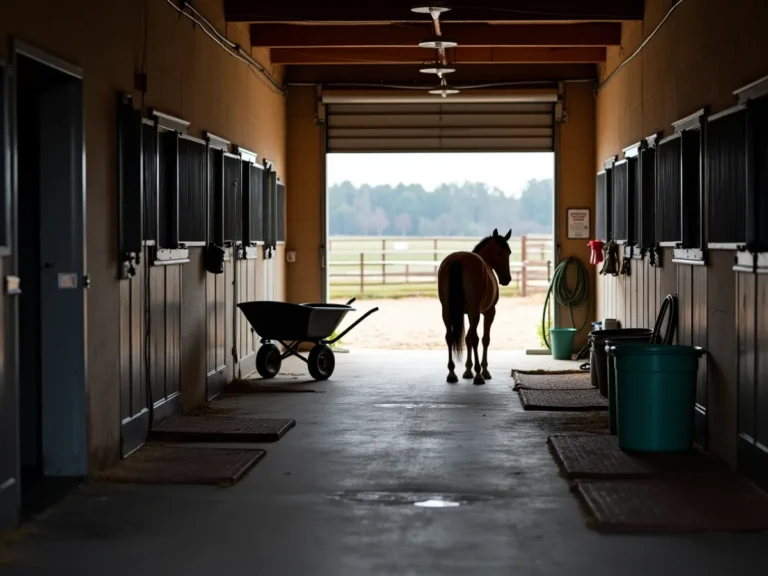
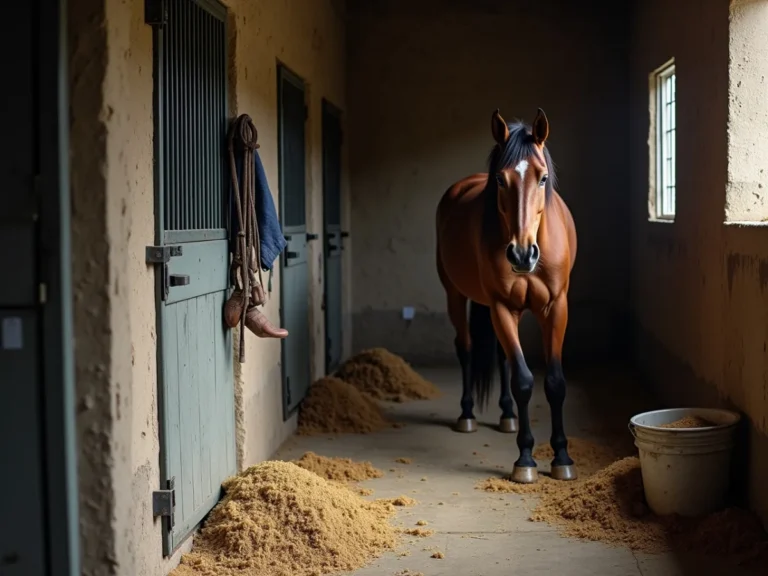
In the stable, a horse may weave, call out, paw, or repeatedly turn toward the door. Stall confinement can make a naturally active horse feel trapped. Even horses that are not especially anxious may become restless if they spend too much time without movement or social contact.
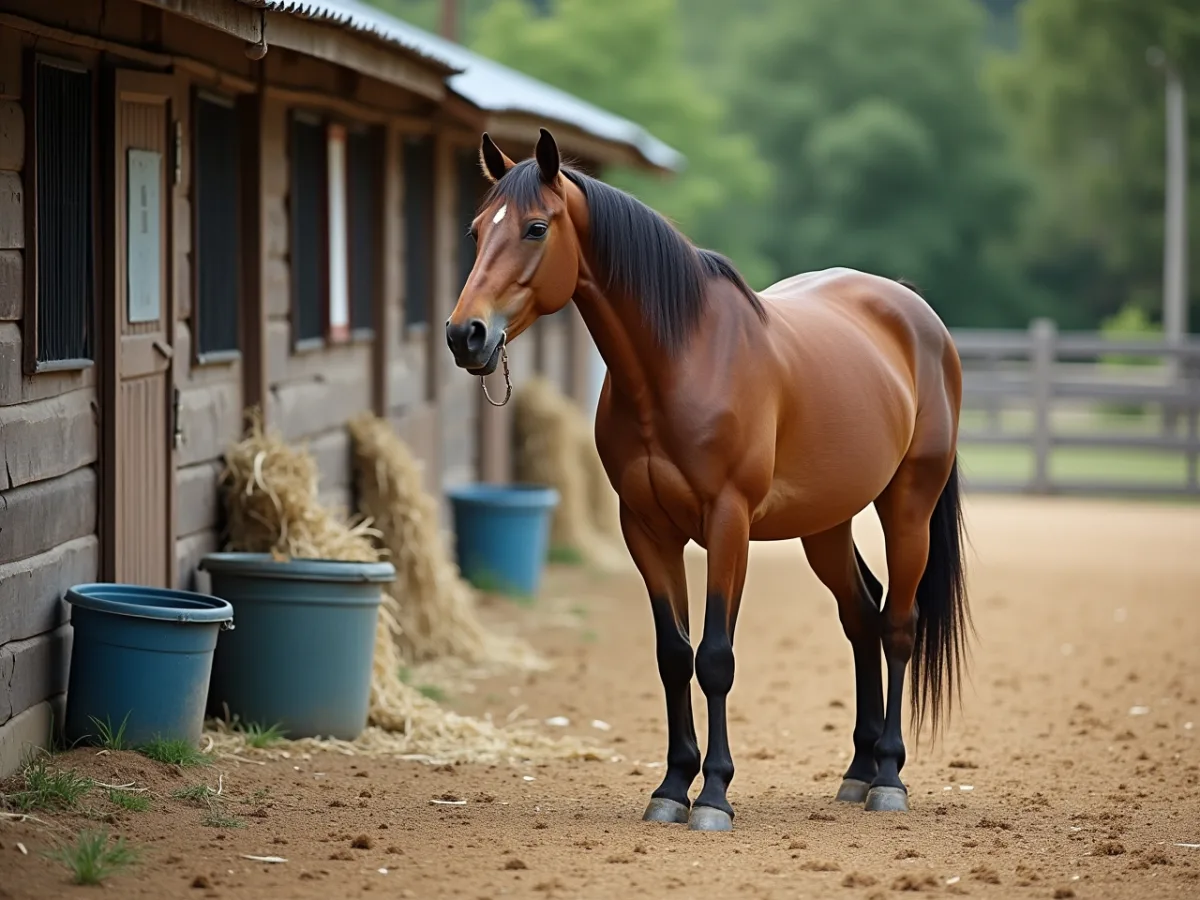
In the field, restlessness often looks different. Some horses pace the fence line, repeatedly shift between grazing and scanning, or fail to join the herd in a settled way. A horse that never seems comfortable in turnout may be reacting to herd tension, unclear group dynamics, or a space that feels too exposed.
Under saddle, restlessness can surface as an inability to stay in one rhythm. The horse may rush, brace, swing the shoulders, or become overly reactive to normal aids. Sometimes the horse seems mentally somewhere else, then suddenly becomes sharp and difficult to redirect. That inconsistency can make the behavior feel more serious than it first appears.
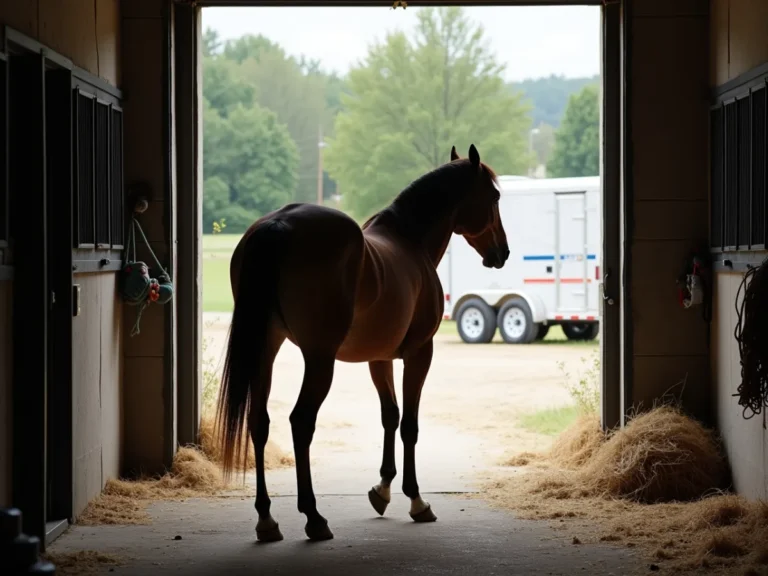
Transport adds another layer. A restless horse may scramble, sweat, shift constantly, or refuse to stand evenly in the trailer. For some horses, the trailer itself is enough to keep the body braced. For others, the problem begins before loading because they have learned to associate transport with disruption.
What Restlessness May Signal About the Horse’s State
Restlessness can point to a horse that is uncomfortable, worried, overstimulated, or simply unable to process the setting well. It does not always mean fear in the dramatic sense. Often it signals a lower, steadier level of unease that has gone on too long.
Sometimes the horse is asking for a change in the environment. More movement, more turnout, more consistent routines, or a quieter area may help. Other times the horse is saying that something physical needs attention. A horse that keeps shifting weight, walking in place, or failing to relax after work may be dealing with soreness that deserves a closer look.
Persistent restlessness is often less about disobedience and more about unresolved pressure. The horse may be coping, not misbehaving.
That distinction matters because the response changes. A horse with unresolved pressure usually does not improve by being pushed harder. The horse may need slower handling, clearer patterns, or a medical check before training fixes will mean much.
State clues that help interpret the behavior
- Bright but loose eyes often suggest mild alertness
- Tight lips, braced neck, and rapid movement suggest more tension
- Repeated looking away or scanning may point to distraction or concern
- Difficulty standing still can reflect physical discomfort or mental stress
- Restlessness that increases with handling may reveal pressure from the interaction itself
The same horse may move through several of these states in one afternoon. A horse that starts out merely watchful can become tense when asked to stay in one place too long. Another horse may seem restless only after exercise, when soreness begins to show itself. Observation over time gives the clearest picture.
When Restlessness Is Subtle Rather Than Obvious
Not all restless horses pace or paw. Some are quiet on the outside and busy on the inside. They stand in place, but the body does not truly soften. The head may stay lifted. The ears may flick too quickly. Breathing may be shallow. A horse like this can be missed because there is no dramatic movement to catch the eye.
Subtle restlessness often appears in horses that have learned to hold themselves together. These horses may be experienced, well handled, and accustomed to routine, yet still remain internally alert. People sometimes call them “good” because they do not act out, but the tension is still there. It may emerge as stiffness, resistance, or a lack of willingness to fully engage.
A quiet but restless horse may need more time before work, more turnout, or a different way of being managed between sessions. If the horse never gets a real chance to release tension, the behavior can stay hidden until it spills into a bigger issue.
What People Often Misread
Restlessness is easy to misunderstand because it overlaps with several other behaviors. An eager horse can look restless. So can a bored one. So can a horse that is anxious, in pain, or simply under-exercised. The wrong label can lead to the wrong response.
For example, a horse that keeps moving during grooming may not be “bad manners.” It may dislike being touched in a sore area. A horse that paws at feeding time may not just be impatient. It may have developed a strong anticipatory pattern around meals. A horse that fidgets under saddle may not lack focus. It may be trying to cope with pressure that never feels quite right.
When owners assume restlessness is always a training problem, they may miss the real cause. When they assume it is always pain, they may overlook boredom, routine stress, or herd tension. Careful observation matters more than fast conclusions.
How Consistency Changes the Pattern
Some horses settle better when their days are predictable. Feeding at the same time, using a regular turnout pattern, and keeping handling routines clear can lower background stress. Horses often relax when they know what comes next and when transitions happen without a lot of noise or rush.
Still, consistency alone does not solve everything. A horse with unresolved discomfort may remain restless even in a stable routine. Another horse may become calmer for a while and then begin pacing again when the weather changes or turnout time is shortened. The pattern can fade, return, and shift with the season.
That is why long-term observation is valuable. A horse that only shows restlessness in certain situations gives useful information. A horse that seems restless almost everywhere is telling a different story. The more consistent the behavior, the more likely it is that the cause is deep or repeated rather than momentary.
| Pattern | What it may suggest | What to notice |
|---|---|---|
| Only before feeding | Anticipation or habit | Timing, intensity, and whether it fades after eating |
| Only in the stall | Confinement stress or lack of movement | Improvement in turnout or hand walking |
| Only during handling | Discomfort, confusion, or pressure | Specific tasks that trigger the behavior |
| Across many settings | Broader stress or physical issue | Body tension, appetite, sleep, and overall attitude |
Patterns like these help separate a passing issue from something that has become part of the horse’s daily experience.
When Restlessness Is Part of a Bigger Picture
Sometimes restlessness appears alongside other signs that the horse is not fully comfortable. Reduced appetite, changes in manure, trouble lying down, flinching during grooming, or reluctance to work can all point in the same direction. The horse may be trying to function while carrying more discomfort than is obvious at first glance.
A horse that never seems to settle may also be lacking enough physical outlet. Some horses need more walking, longer turnout, or better opportunities to move freely in order to stay mentally balanced. Others need less stimulation, not more. The answer depends on the horse, not the category.
What stands out most is the pattern itself. A single restless episode can come from a loud day, a schedule change, or a new horse in the next stall. Restlessness that keeps returning deserves more attention because it usually reflects something ongoing, not random.
Conclusion
Restlessness that does not seem to settle is usually a message, not a personality flaw. It may come from tension, habit, pain, social pressure, or an environment that never gives the horse enough room to relax. The behavior can show up loudly or quietly, in motion or in stillness, and often changes depending on where the horse is and who is handling it.
Watching for the pattern over time gives the clearest picture. The ears, posture, movement, breathing, and response to routine all help explain what the horse is carrying. When those details are read together, the restlessness stops looking random and starts looking meaningful.
That meaning is often found in the everyday structure around the horse. A better routine, a calmer setting, or a closer look at physical comfort can change the horse’s ability to settle in a real way. And when the horse does begin to relax, the difference is usually easy to see: the steps slow, the body softens, and the constant searching finally gives way to stillness.