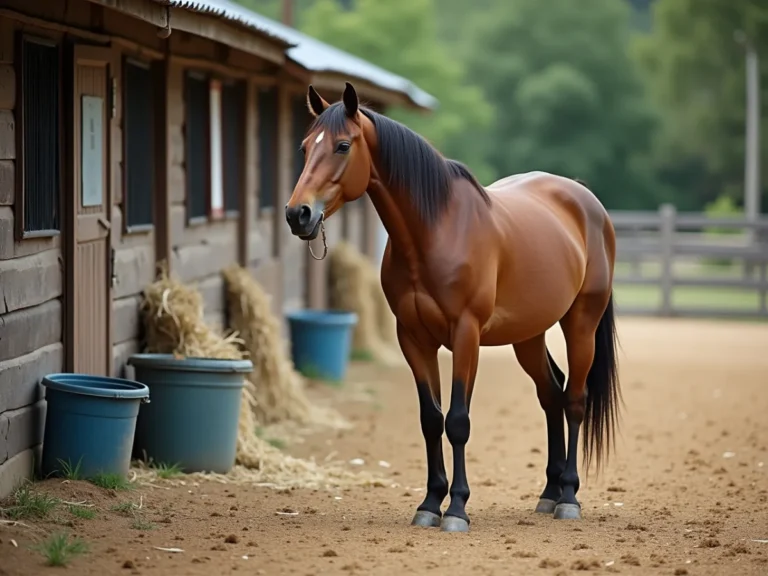
A horse that ignores a basic request can look stubborn from a distance, but the moment rarely starts that simply. A missed cue may come from confusion, distraction, fatigue, discomfort, or a reaction to something in the surroundings. The behavior itself is only the visible part of a larger picture.
In daily life, this can show up in small ways first. A horse may not step forward when asked, may keep grazing instead of lifting the head, or may seem to hear the command and then choose something else. Those details matter because they often tell a more useful story than the word “disobedient.”
What looks like ignoring can mean the horse is not fully processing the request, not ready to respond, or not in a state where compliance feels safe or easy. Reading the moment well depends on watching the whole horse, not just the missed cue.
Why basic commands get overlooked
Basic commands are supposed to be familiar, so people often assume they should be effortless. In reality, horses do not respond to words the way people do. They respond to body position, rhythm, pressure, timing, past experience, and what else is competing for their attention.
A horse may ignore a simple ask for several different reasons. Some are harmless and temporary. Others point to an issue that deserves closer attention.
Common reasons behind the reaction
- the horse is distracted by movement, sound, or another horse
- the cue was unclear or too subtle for the horse to understand
- the horse is tired, sore, or physically uncomfortable
- the horse has learned that the cue is optional
- the horse feels worried, defensive, or mentally overloaded
- the horse is testing whether the request will be repeated
These causes can look similar on the surface. A horse that stands still after being asked to move forward may be resisting, but it may also be stiff through the body, confused by mixed signals, or uncertain about the environment. The behavior only becomes meaningful when it is placed in context.
Ignoring a basic command is not a single behavior with one meaning. It can be a training issue, a health issue, a focus issue, or a confidence issue.
How the behavior appears in real handling
In everyday handling, missed commands often show up during simple routines. A horse may not yield when being led, may stop short when asked to walk on, or may lean into pressure instead of stepping away. Under saddle, the same pattern can appear as a slow response to leg, a delayed halt, or a refusal to move into a new gait.
Those moments are easy to label too quickly. Yet the details matter. A horse that is ignoring a cue with a relaxed face and soft body is very different from a horse that is planted, tight, and watching the surroundings with fixed attention.
Examples in common settings
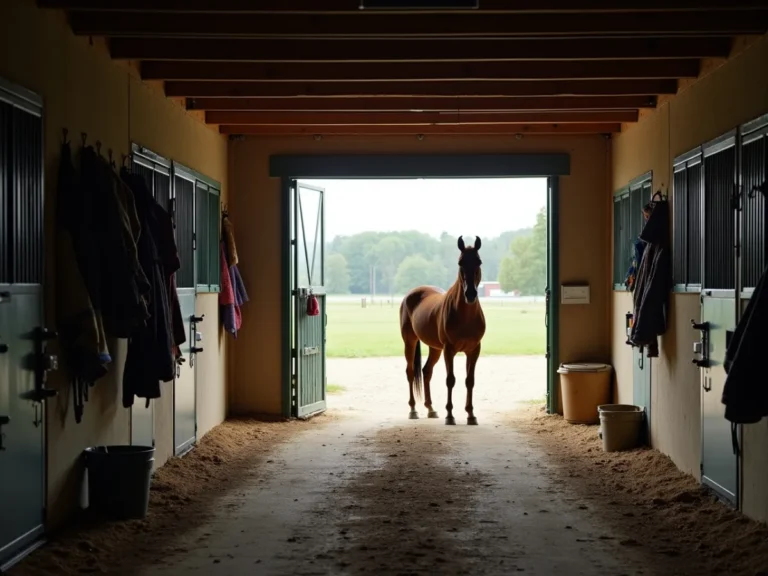
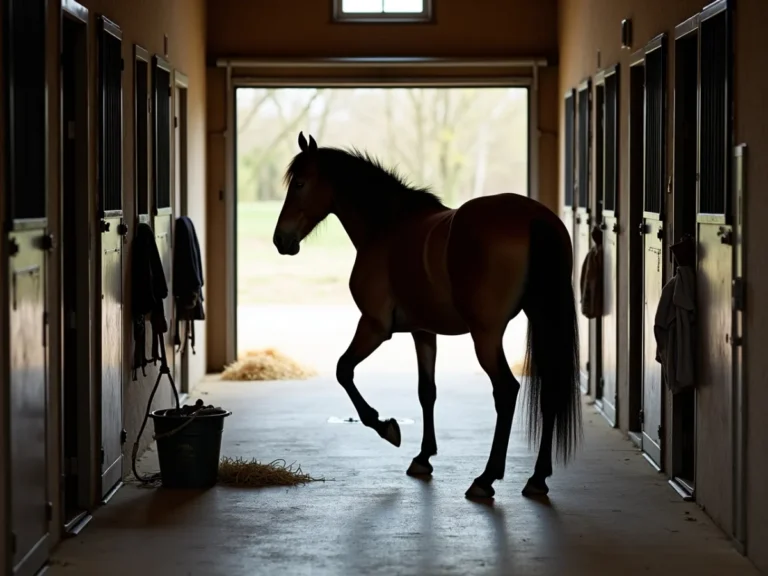
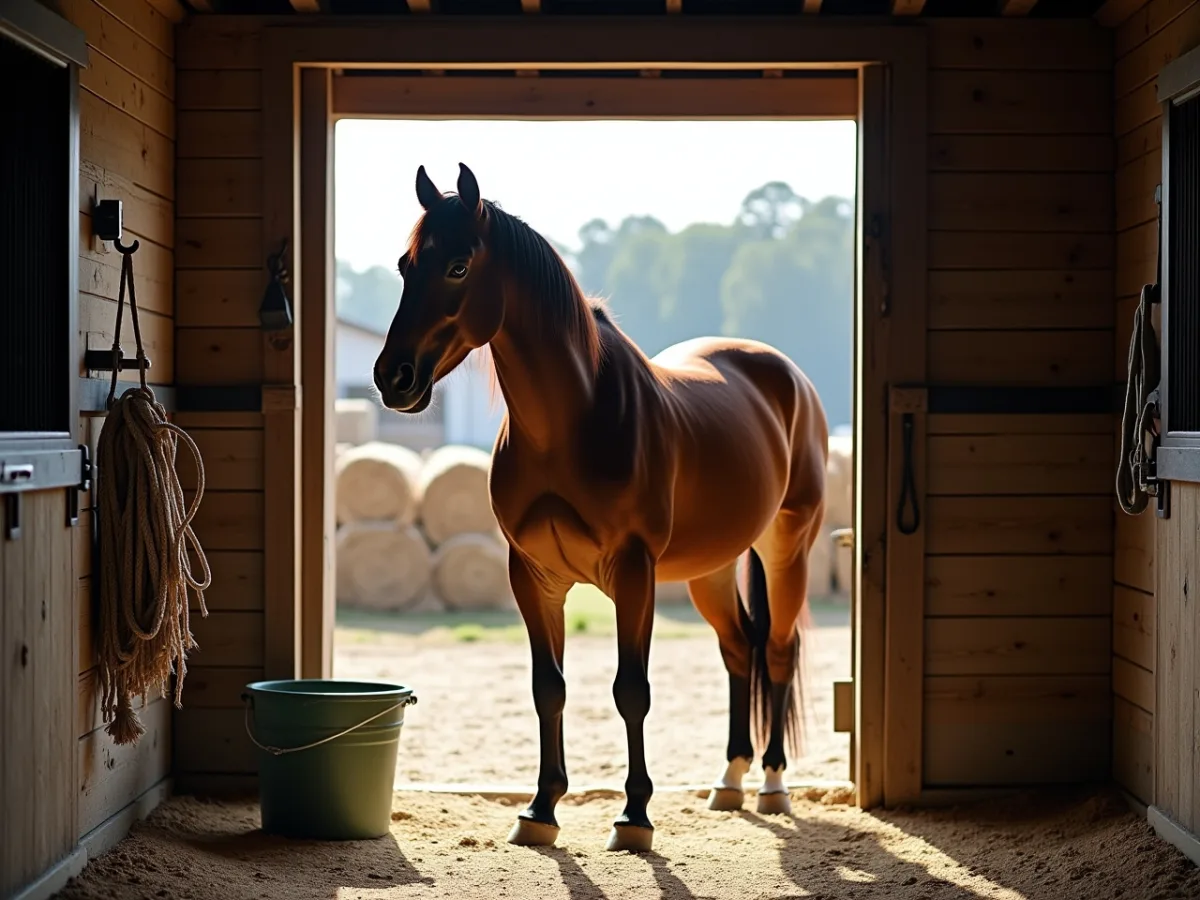
- Stable: a horse ignores being asked to back out of the stall and keeps reaching for hay
- Field: a horse does not come when called because herd activity is more interesting
- Arena: a horse drifts past the intended line and acts as if the rein aid did not matter
- Trailers and transport: a horse hesitates at the ramp and seems to stop listening
In each case, the command itself is not the only factor. The location, the horse’s mood, and the amount of pressure present all influence the response. A horse may perform well in one place and seem inattentive in another because the setting changes what feels important.
What the horse may be signaling internally
When a horse repeatedly ignores basic requests, the behavior may signal something internal rather than a lack of manners. Horses often communicate physical or emotional discomfort through small refusals before they show any obvious problem.
A horse that does not want to move forward may have sore feet, a stiff back, tight muscles, or dental discomfort. A horse that resists yielding may be protecting a tender area. A horse that seems mentally absent may be overwhelmed, tired, or struggling to settle into the routine.
Possible internal signals
- Discomfort: the horse avoids a motion that causes pain or strain
- Fatigue: the horse is physically done and response time slows
- Uncertainty: the horse is unsure what the cue means
- Anxiety: the horse is alert to danger and not focused on the request
- Frustration: the horse has experienced repeated pressure without relief
People sometimes expect a horse to push through these states. But a horse that is not responding is often giving a clue that something is off. The task may look basic to the handler, yet still feel difficult or unsafe to the horse.
When a horse begins to ignore familiar cues, the first question should be, “What changed for the horse?” not “How do I make it obey?”
Subtle body language that changes the meaning
The same missed command can mean very different things depending on the horse’s body language. Ears, eyes, neck, stance, and movement all add context. A horse rarely ignores a request in complete silence; the body is usually saying something at the same time.
If the horse’s head is low, muscles are soft, and the delay is brief, the moment may be simple distraction. If the horse braces through the neck, pins the ears, or shifts weight away from the handler, the behavior may be more defensive. Those contrasts help separate a harmless lapse from a more meaningful pattern.
Signals that deserve attention
- tight jaw or fixed mouth
- ears that lock backward or flick rapidly
- eyes that stay wide, hard, or unfocused
- body leaning away from the ask
- tail swishing with tension rather than irritation alone
- one foot pinned, dragged, or reluctant to move
It is also useful to notice timing. A horse that misses the first cue but responds to a clearer second ask may simply need a cleaner signal. A horse that continues to ignore escalating pressure is telling a different story. Repetition without improvement often means the message is not being received the way the handler assumes.
How surroundings influence response
Environment can change a horse’s behavior very quickly. Horses are built to notice movement, sound, and shifts in routine. That sensitivity helps them stay safe, but it also makes basic commands less reliable when the surroundings are busy or unfamiliar.
A horse that responds perfectly in a quiet barn aisle may tune out in a windy paddock, a loud show grounds, or a place with new horses nearby. The command has not necessarily been forgotten. It may be competing with stronger sensory input.
Environmental factors that can interfere
- new horses entering the same space
- traffic, machinery, or sudden noise
- changes in footing or surface texture
- wind, weather, and flying debris
- limited turnout or too much confinement
- unexpected changes in the daily routine
Routine matters more than many owners expect. Horses often settle through repetition, and when the normal pattern shifts, even well-known cues can feel less important. A horse in a new environment may appear to “forget” training when it is really spending energy on observation and self-protection.
When the behavior is calm, reactive, or defensive
Not all ignored commands look the same. Some horses are calm and simply unresponsive for the moment. Others are reactive and seem to reject a cue with quick, sharp movement. A few become defensive, where ignoring the cue is paired with tension, resistance, or an attempt to avoid contact altogether.
That difference matters because the response should match the state. A calm but distracted horse may need clearer timing and a quieter setting. A reactive horse may need a pause and more space. A defensive horse often needs the handler to consider pain, fear, or a history of pressure.
Three broad patterns
| Pattern | What it may look like | Possible meaning |
|---|---|---|
| Calm delay | Slow to respond, but soft in the body | Distraction, low energy, mild confusion |
| Reactive refusal | Quick snatch away, head toss, abrupt stop | Overstimulation, frustration, surprise |
| Defensive nonresponse | Stiff, braced, avoids the cue repeatedly | Pain, fear, pressure sensitivity |
These patterns can overlap. A horse may start with calm delay and move into defensive behavior if pressure keeps building. Watching the progression helps prevent small misunderstandings from becoming bigger ones.
Possible physical causes behind persistent ignoring
When a horse repeatedly ignores basic commands, physical discomfort should stay on the checklist. Horses are good at hiding pain until the problem becomes harder to miss. A reluctance to move, bend, back up, or yield can be one of the first signs.
Back soreness may show up as resistance to being asked forward or under saddle. Foot soreness can make a horse slow to turn or reluctant to step onto certain footing. Dental discomfort may affect contact, head carriage, and acceptance of pressure.
Sometimes the signs are subtle. The horse may not be lame in an obvious way, but the response pattern changes anyway. That is especially important when the same command is ignored again and again in the same type of movement.
Behavior changes that begin suddenly, happen on a familiar task, or worsen under light pressure deserve a physical check as well as a training review.
Training history and learned habits
Some horses ignore basic commands because the habit has been built over time. If a cue is repeated too many times, softened too quickly, or followed by a different response from the handler, the horse learns that the first request does not matter much. The result can look like deliberate disregard, even when it started as inconsistent communication.
Horses also remember outcomes. If ignoring a cue once led to a break, a stop, or the end of work, the horse may try the same strategy again. This does not mean the horse is plotting. It means the horse has connected a behavior with a result.
Training patterns that can create confusion
- using the same cue for different requests
- changing the meaning of a command from day to day
- rewarding the horse without noticing the missed cue first
- responding with extra pressure instead of clearer timing
- asking when the horse is already mentally overloaded
Clear communication does not require force. It requires consistency. When the horse understands what the cue means and trusts that the response is predictable, the number of missed requests usually drops. When the message changes, the horse may appear uninterested even though the real problem is uncertainty.
How emotions shape the response
Emotion in a horse is not abstract. It shows up in posture, movement, and willingness to engage. A horse that feels secure is more likely to answer a simple request quickly. A horse that feels unsure may conserve energy, delay response, or avoid compliance until the situation feels less demanding.
Excitement can also make a horse seem to ignore basic commands. A horse that is mentally ahead of the handler may be too busy anticipating movement, pasture access, or herd activity to settle into the request. The response is not always defiance. Sometimes the horse is simply elsewhere in its attention.
Fear changes the picture again. Under fear, a horse may stop listening because survival thinking takes priority. In that state, the body is preparing to react, not to cooperate.
Emotional states commonly linked to missed cues
- Curiosity: attention is pulled toward something new
- Stress: the horse is overloaded and response becomes inconsistent
- Worry: the horse hesitates before committing to movement
- Confidence: the horse responds easily when the request is familiar
- Defensiveness: the horse resists when pressure feels intrusive
The same horse can move through several of these states in one day. That is why fixed interpretations often fail. A horse that seemed calm in the stall may act unresponsive in the arena because the emotional state has changed with the environment.
Differences between a one-time miss and a pattern
One missed command does not carry the same meaning as repeated nonresponse. Every horse has off moments. A single lapse can come from a fly, a noise, a loose thought, or a split second of delay. That does not automatically point to a bigger problem.
A pattern is different. When the same behavior appears across settings, across handlers, or across several kinds of cues, it deserves more attention. Repetition gives the behavior meaning. Consistency reveals whether the horse is confused, uncomfortable, or settled into a habit of not responding.
Questions that help with pattern recognition
- Does the horse ignore only one specific command or several?
- Does it happen in one place or many?
- Is the response worse when the horse is tired, fresh, or distracted?
- Does the horse improve with clearer cues?
- Is the behavior new, or has it been building quietly over time?
These questions keep the focus on observation instead of assumption. A horse that misses one cue during a noisy barn visit may just need more room to think. A horse that ignores the same request every day may be signaling something deeper.
Reading the horse without overreacting
People often respond to ignored commands with more pressure, more repetition, or frustration. That reaction is understandable, but it can blur the message further. If the horse is already uncertain or uncomfortable, extra force may make the behavior worse.
A calmer approach begins with noticing what is present in the moment. Is the horse relaxed or tight? Is the setting busy or quiet? Did the cue change in tone or timing? Those details help separate a training lapse from a warning sign.
Sometimes the best response is to simplify the ask. Sometimes it is to stop and check the horse’s body. Sometimes it is to reassess tack, footing, workload, or the horse’s mood that day. The right choice depends on what the horse is showing, not on the idea that all missed commands mean the same thing.
A horse that ignores a basic cue is not always challenging the handler. Often it is revealing that the request does not feel clear, comfortable, or important enough in that moment.
What long-term consistency can reveal
Long-term observation gives the clearest picture. A horse that only misses cues in new places may be sensitive to change but otherwise well settled. A horse that begins ignoring simple requests after a schedule change may need more rest or a smaller workload. A horse that grows less responsive over time may be trying to communicate discomfort or mental fatigue.
Consistency also helps show what works. Some horses respond better to a quieter body, some to a more definite cue, and some after a short pause. Learning those patterns makes the behavior easier to interpret and less likely to become a constant source of conflict.
When owners pay attention to the shape of the behavior over time, the missed command becomes more informative. It can point to stress in one horse, soreness in another, and routine breakdown in a third. The signal is not always dramatic, but it is rarely meaningless.
Natural ending of the pattern
Ignoring a basic command often begins as a small event, yet it can reveal a lot when viewed closely. The horse may be distracted, unsure, sore, overloaded, or caught in a learned habit. The body language around the moment usually tells more than the missed cue alone.
What matters most is not the label attached to the behavior but the pattern behind it. Once the cause becomes clearer, the response can be more thoughtful and far more effective. In that sense, the missed command is less of a dead end and more of a clue.