Human interaction with a horse begins long before a lead rope is clipped on or a saddle is placed in position. It starts in the small, quiet moments: a hand reaching toward the shoulder, a voice speaking near the stall, a person pausing at the gate. Horses notice those moments quickly. They read posture, timing, movement, and tension with a kind of honesty people often forget to expect.
Body language during human interaction matters because it shapes trust, comfort, and response. A horse does not separate words from movement the way people do. A calm walk toward the pasture, a rushed step in the aisle, or a stiff hand on the halter can all communicate something meaningful. That is why the same person can be accepted warmly one day and met with hesitation the next.
Many horse owners learn, over time, that behavior is rarely random. A horse that turns an ear back, shifts weight away, softens its neck, or pins its ears is responding to more than touch alone. The whole body is involved. Understanding those signals makes daily care smoother, safer, and easier to read.
How Body Language Appears in Everyday Human Interaction
In daily life, body language often shows up before any obvious behavior does. A horse may lean slightly toward a familiar person, lower the head when being groomed, or stand quietly with one hind leg resting. These are not dramatic gestures, but they carry useful information. They suggest comfort, attention, or at least willingness to stay engaged.
Other times the signals are less welcoming. A horse may keep its neck tight, step away when a hand reaches forward, or hold the head high and fixed. The body can become shallow and tense. Even without overt aggression, the animal is saying the interaction does not yet feel safe or predictable.
Movement matters just as much as stillness. Some horses greet people by walking over with a loose swing in the body and relaxed lips. Others approach in a straight, guarded way, then stop too far away. The distance a horse chooses is part of the message.
Body language is rarely one signal on its own. It usually makes sense only when you look at the whole horse: ears, eyes, neck, feet, breathing, and the amount of space it wants from you.
Why Horses Communicate So Clearly with the Body
Horses are prey animals, so they rely on fast visual reading to stay aware of their surroundings. Their survival depends on noticing small changes in movement and posture. That natural sensitivity does not disappear in domestic life. It simply gets directed toward people, tools, routines, and places.
This is why a horse can react to a person’s body before the person even speaks. A sudden reach, a direct stare, or a quick step forward may look minor to a human. To the horse, it can feel direct and intense. A softer approach often creates a very different response.
Herd behavior also plays a role. Horses are used to watching others closely for guidance. When a human enters that social space, the horse often treats the person as another large moving presence whose intentions need to be assessed. That makes consistency important. A horse feels steadier when a person’s signals stay clear.
Subtle Signs in Calm Interaction
Relaxed interest
A calm horse often shows soft eyes, a loose lower lip, and ears that move naturally toward sounds instead of locking onto every cue. The neck may stretch forward or down. The feet stay quiet. This kind of body language usually appears when the horse feels no pressure to defend itself or guess what will happen next.
There is also a difference between true relaxation and simple stillness. A horse can stand motionless and still be tense. The body tells the truth in the details. Tight muscles, a rigid topline, and shallow breathing can reveal a horse that is waiting rather than resting.
Quiet trust
Trust is often shown in small, practical ways. The horse may allow the halter to be fitted without rushing away. It may stand for grooming with one hip slightly dropped and the head level. It may accept touch around the face, ears, or legs with little concern. These are everyday moments, but they matter because they show the horse does not feel the need to guard every boundary.
Some horses also express trust by staying near a person without being asked. They may follow quietly at liberty or remain close in a paddock when the handler is present. That closeness is not always about affection in a human sense. Often it reflects safety, routine, and confidence in the person’s behavior.
Common Tension Signals During Human Contact
Tension can appear in many forms, and not all of them look dramatic. A horse may hold its ears back but not pin them hard. It may shift its feet repeatedly, swing the hindquarters away, or raise the head when a person enters the stall. These are early signs that the interaction is becoming uncomfortable.
Some horses become especially sensitive around certain areas. Touching the girth, brushing the belly, handling the ears, or lifting the feet may bring out a clearer reaction. The horse may brace the body, step away, or tense the jaw. That reaction does not automatically mean disobedience. It may signal soreness, uncertainty, or a negative association with that part of the interaction.
When tension rises, the body often becomes less flexible. The horse may stop chewing, stop blinking, or breathe more quickly. A tail that swishes sharply without a fly present can also point to irritation or stress. Not every sign means a major problem, but repeated patterns deserve attention.
If a horse repeatedly tightens during the same routine, look for the moment where the body changes first. That point often shows where the horse begins to feel uncertain.
How People Commonly Misread the Signals
People often mistake politeness for comfort. A horse that stands still may actually be shutting down or freezing rather than relaxing. Stillness can mean patience, but it can also mean caution. The rest of the body gives the clue.
Another common misunderstanding involves ears. Many people focus on whether the ears point forward or back, but ear position alone does not tell the whole story. Ears that flick quickly can simply show attention. Ears pinned tightly with a hard eye and stiff body are a very different picture. Context matters.
Human tone also influences interpretation. A person may call a horse “naughty” for pulling away, when the horse is actually reacting to pain, pressure, or uncertainty. On the other hand, a horse that approaches boldly is not necessarily being pushy. It may be curious, social, or used to confident handling. The body has to be read as a full message, not a single gesture.
Emotional State and Physical Appearance
A horse’s emotional state is visible in the body long before it becomes obvious in movement. A calm horse often carries weight evenly and lets the body move with a loose rhythm. A worried horse may look taller, narrower, or harder through the neck and back. The shift is subtle, but experienced eyes notice it quickly.
Fear, discomfort, and confusion often overlap. A horse that startles during grooming may not be “spooky” in a general sense. It may simply be sensitive in that moment because the brush touched a sore spot, the environment felt crowded, or the person moved too quickly. Emotional state is not isolated from physical experience.
That is why identical actions can produce very different responses on different days. A horse that accepts touching one morning may resist the same touch later in the afternoon if it is tired, sore, or overwhelmed by activity. Timing and condition shape body language as much as personality does.
Body Language in the Stable
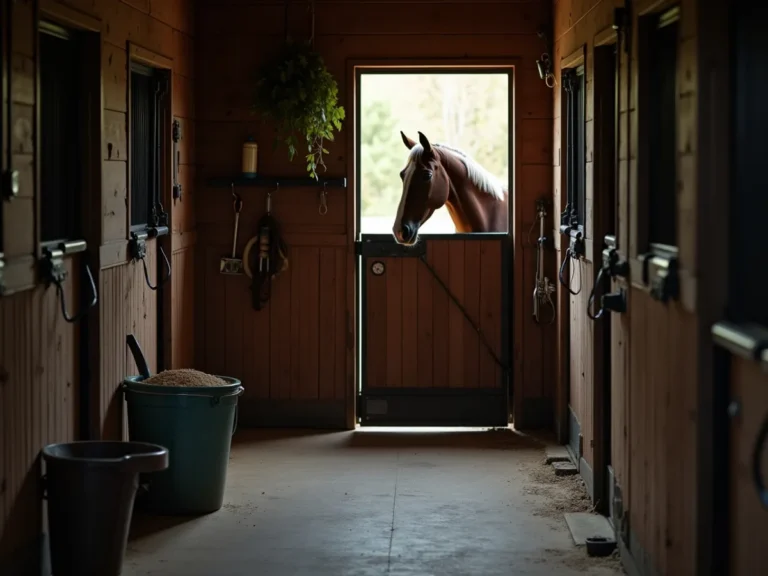
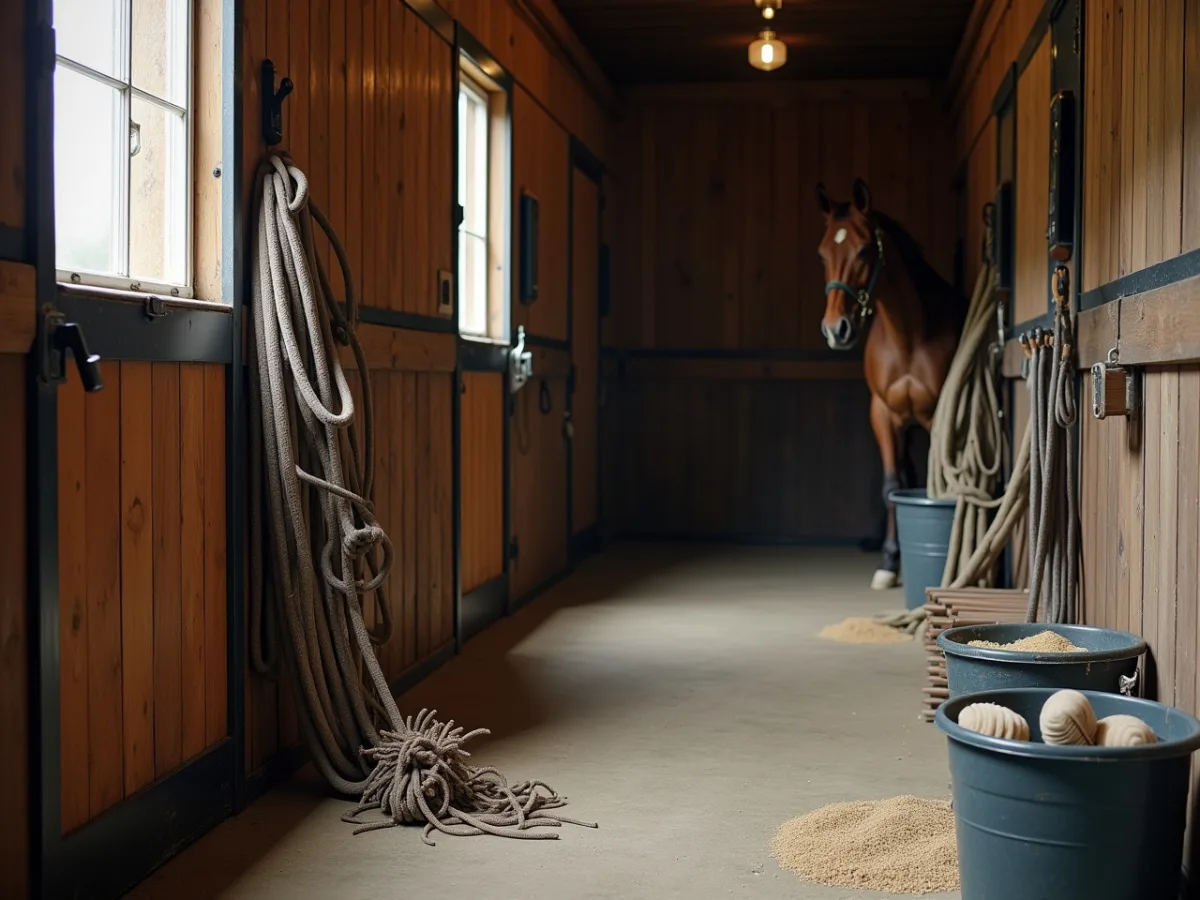
The stable is one of the clearest places to observe interaction signals. Horses see people moving in and out of narrow spaces, opening doors, carrying buckets, and cleaning around them. In that setting, body language often becomes direct. A horse may turn to face a person, watch the aisle carefully, or press toward the stall door when expecting food.
Some stable behavior is linked to anticipation rather than emotion. A horse that squeals at feeding time may simply be excited. A horse that paws, tosses the head, or bangs the door might be expressing impatience, frustration, or a learned habit. The surrounding routine shapes the intensity of the response.
Handlers often notice that stable behavior changes with traffic. A quiet barn can produce relaxed horses, while a busy one may create a more alert posture. Horses read the energy of the aisle. Footsteps, raised voices, and sudden activity all feed into the picture they build of what is happening nearby.
Body Language in the Field or Pasture
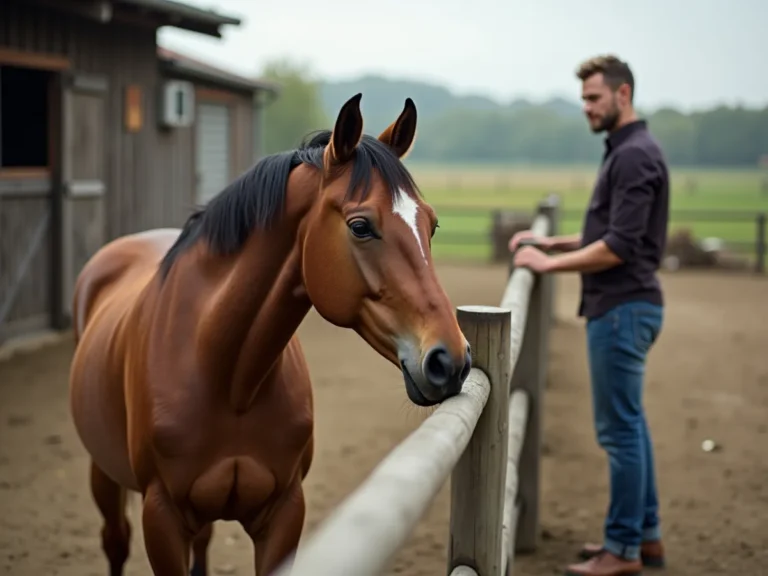
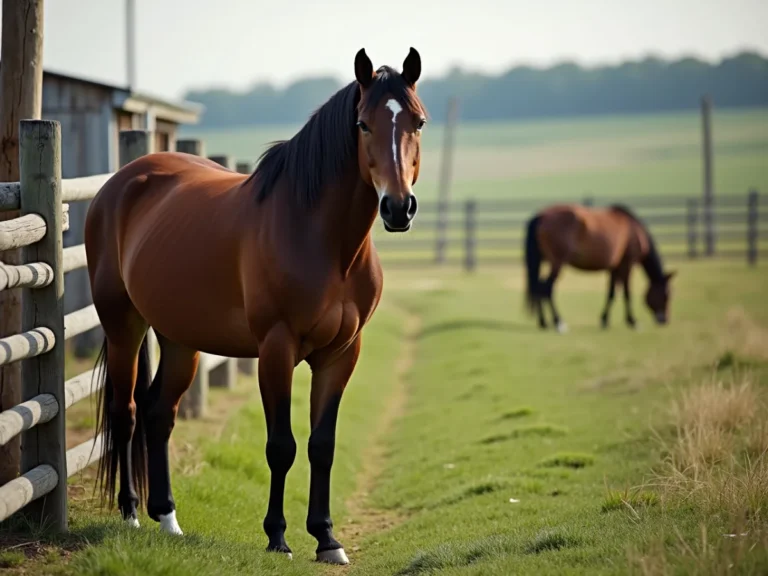
In open space, horses often show their feelings more naturally. They have room to move away, approach, or stand at a distance that feels comfortable. A horse that walks up with a low head and soft expression may be curious and settled. One that stays at the far edge of the pasture is giving more guarded feedback.
Approach behavior in the field can reveal how a horse feels about a person before handling begins. Some horses come over immediately because they expect grooming, hay, or companionship. Others approach in stages, stopping, watching, then coming closer. That hesitation is worth noticing. It may reflect caution, previous experience, or simply a thoughtful personality.
Pasture body language is also influenced by herd dynamics. A horse that seems willing with people may become less open if herd members are tense. Likewise, a confident group can make an unsure horse look braver. The social setting changes the message.
During Grooming, Leading, and Handling
These everyday moments often reveal the clearest reactions because the horse has to respond to close human movement. During grooming, a horse may lean into the brush when it feels good, or pull away when a certain area is touched. The head may drop, the eyes may soften, or the skin may twitch in response to sensation.
Leading offers another useful view. A horse that follows with a relaxed neck and matching rhythm usually feels mentally available. A horse that lags behind, crowds the handler, or leans on the lead rope may be confused or testing the boundaries of the interaction. None of these behaviors should be read in isolation. The horse’s whole posture and pace tell the story better than the rope itself.
Handling the feet, face, and body requires even more attention to body language. A horse may tolerate a task while still showing stress through a tight mouth, lifted tail, or restless step. Small changes in how the person stands, reaches, or pauses can make a noticeable difference in how safe the horse feels.
How Routine and Environment Shape the Message
Routine gives horses a sense of predictability, and predictability changes how body language appears. A horse that knows exactly when feeding, turnout, and grooming happen may stay more settled through the day. The body often looks softer when the horse understands what comes next.
Changes in the environment can shift body language quickly. A new horse in the barn, loud equipment, weather changes, unfamiliar visitors, or altered schedules can all make a horse more alert. In those moments, the same person may need to slow down and give clearer space. The horse is not being difficult. It is processing more information.
Seasonal changes can matter too. In colder months, some horses become tighter through the body and more reactive to touch. In hot weather, discomfort can show up as irritation, shorter patience, or less willingness to stand still. The environment shapes both comfort and tolerance.
When Body Language Becomes Mixed or Unclear
Not all signals line up neatly. A horse may approach a person while keeping the head high. It may stand quietly but flick the ears rapidly. It may accept grooming with the front half of the body and remain braced behind. Mixed signals are common, especially when the horse wants contact but still feels uncertain about it.
These moments often confuse people because the horse seems to be saying two things at once. In reality, it usually is. The horse may be curious, willing, and slightly worried all at the same time. That combination is normal. It becomes easier to read when you look for which part of the body changes first and which part stays guarded.
Mixed signals also appear when a horse is learning a new person or a new routine. The body may relax for a moment, then tighten again when something unexpected happens. Consistent handling helps those reactions become steadier over time.
What Consistency Reveals Over Time
One interaction tells only part of the story. Patterns across weeks and months reveal much more. A horse that repeatedly softens around the same person is showing a stable level of trust. A horse that repeatedly tightens in one part of the barn or during one specific task may be responding to a lasting concern.
Long-term observation is especially helpful because horses remember association well. If a certain smell, sound, tool, or handling style repeatedly precedes discomfort, the horse may begin to tense before the actual touch happens. That anticipation appears in the body quickly. The ears, eyes, and feet may brace before anything obvious occurs.
This is why changes in body language deserve attention even when they seem small. A gradual shift from curious to guarded, or from relaxed to reactive, can point to something practical that needs attention. Pain, workload, fear, and handling style are all part of the same picture.
Consistency in body language often tells you more than a single dramatic moment. Repeated softness, repeated tension, or repeated hesitation each has a meaning of its own.
Reading the Full Conversation
Body language during human interaction is a conversation without words. Horses speak with their ears, posture, feet, eyes, and the way they hold space around people. Some messages are welcoming. Others are cautious. A few are mixed, which is often where the most useful information lives.
The goal is not to force one fixed interpretation onto every horse. The goal is to notice patterns and respond to what the horse is actually showing in that moment. A lowered head, a turned ear, a step away, or a softened back can each change the meaning of an interaction. Small details create the larger picture.
When a horse’s body looks different from one day to the next, that change is worth respecting. It often points to how the horse experiences the person, the setting, and the routine in real time. That is where the clearest understanding begins.