A horse nudge can feel small, but it rarely happens without a reason. Sometimes it is soft and polite, almost like a tap asking for attention. Other times it is firmer, more insistent, and clearly meant to get a reaction.
Because horses communicate through body language first, a nudge often sits somewhere between curiosity and message. It may be friendly. It may be a request. It may also be a way of testing space, checking for food, or easing tension in a situation that feels uncertain.
The meaning depends on the whole picture: where the horse is, what came before the nudge, how the ears and body look, and whether the horse seems relaxed or uneasy. One nudge by itself does not tell the whole story, but it can reveal quite a lot when you know what to notice.
Why a Horse May Nudge You in the First Place
Horses use their noses and lips constantly. They explore with them, investigate movement, and make contact with other horses in ways that help them read the world. A nudge is often part of that natural behavior. In some cases, it is the horse’s version of reaching out.
That contact can mean several different things. It may be a gentle attempt to interact. It may be a demand for treats or attention. It may also be a more practical signal, such as “move over,” “notice me,” or “something here feels off.”
Most horses do not nudge randomly. The behavior usually appears for a reason, and the reason often shows up in the horse’s posture, expression, and timing. A horse that nudges while standing quietly in the stall is communicating differently from one that nudges while pinned between unfamiliar sounds and a busy aisle.
Common Ways the Behavior Appears
A nudge can look harmless and light, or direct and purposeful. The difference matters. A horse that touches your arm while you are standing near the gate may be asking for interaction. A horse that presses its nose into your shoulder while you are carrying feed may be focused on your pockets or the expectation of a reward.
Sometimes the nudge is repeated. The horse nudges once, waits, and nudges again if nothing happens. That pattern often means the horse is trying to escalate communication in a polite way before switching to a firmer signal, such as head movement or stepping into your space.
At other times the gesture is paired with other signs. The horse may lick and chew, lower its head, or rest its muzzle on you. Or it may keep its neck tight, eyes fixed, and ears moving between you and the surroundings. Those details shift the meaning a lot.
Soft, Social Nudges
Some nudges are social and calm. They happen when the horse is relaxed, interested, and comfortable around people. In these moments the contact is usually light. The horse’s body stays loose, and there is no obvious pressure behind the gesture.
A soft nudge may mean the horse is saying hello. It may also be a familiar habit, especially if the horse has learned that gentle contact gets a scratch on the withers or a few kind words. Horses remember patterns quickly, and if a nudge has been rewarded in the past, they may repeat it often.
A soft nudge with a relaxed body often points to social curiosity, familiarity, or a learned request for interaction.
Signs that usually go with a calm nudge
- Loose neck and jaw
- Quiet or softly forward ears
- Steady breathing
- No rushing or crowding
- Easy eye contact without tension
In these cases, the nudge is often less about pushing and more about connection. It may look almost affectionate, though horses do not think in human terms. For them, it is often simply a comfortable form of contact.
When a Nudge Becomes More Pushy
Not every nudge is friendly. Some are sharper, stronger, and more demanding. A horse may lean into you, use its head to move your body, or keep nudging until you step back. That can be a sign of impatience, anticipation, or a habit that has become a little too strong.
This kind of behavior often appears around feeding time, grooming, saddle preparation, or moments when the horse expects something specific. If the horse has learned that pushing gets results, the nudge can grow into a pattern. What began as a light request may turn into a boundary-testing behavior.
A strong nudge may also show that the horse is seeking control of space. Horses are highly aware of where other bodies are positioned. If one feels crowded, uncertain, or overly excited, it may use the muzzle or head to create room or settle its own sense of order.
What stronger nudges may suggest
- Expectation of food or attention
- Testing boundaries
- Impatience during handling
- Overexcitement before a routine event
- Unclear rules from previous interactions
A firm nudge is not always aggression, but it should not be ignored if the horse begins moving your body or crowding your space.
The Role of Ears, Eyes, and Body Position
A nudge should never be read in isolation. The rest of the horse’s body gives the clearest clues. Ears, eyes, head height, and muscle tone often tell you more than the nudge itself.
When the horse’s ears are soft and the head is carried low, the nudging behavior usually feels more relaxed. When the ears pin back, the neck stiffens, or the body angles forward with force, the same gesture can carry a very different tone. A horse may still be using its nose, but the message becomes less social and more controlling.
Watch the eyes too. A calm horse often has a softer, less fixed expression. A tense horse may look sharper, with attention locked on the person or the object of interest. That does not always mean danger, but it does mean the horse is more aroused and possibly less willing to wait.
How Environment Changes the Meaning
Where the nudge happens matters as much as how it happens. A horse in an empty paddock may nudge because it wants contact, movement, or reassurance. The same horse in a noisy barn aisle may nudge because it is uncomfortable, distracted, or trying to settle itself in a crowded place.
Horses are sensitive to routine. A change in turnout, a different feeding time, a new stall neighbor, or even a shift in the weather can change how a horse uses its body. When the environment feels unpredictable, nudging may become more frequent. The horse may be looking for certainty in a situation that feels slightly off.
Food is one of the biggest triggers. Many horses nudge around treats, grain, hay delivery, or grooming sessions that often lead to something pleasant. This is not necessarily misbehavior. It is often anticipation built from repetition. But if the behavior is too pushy, the horse may be acting out a habit rather than a request.
Different Situations Where Nudging Appears
In the stall
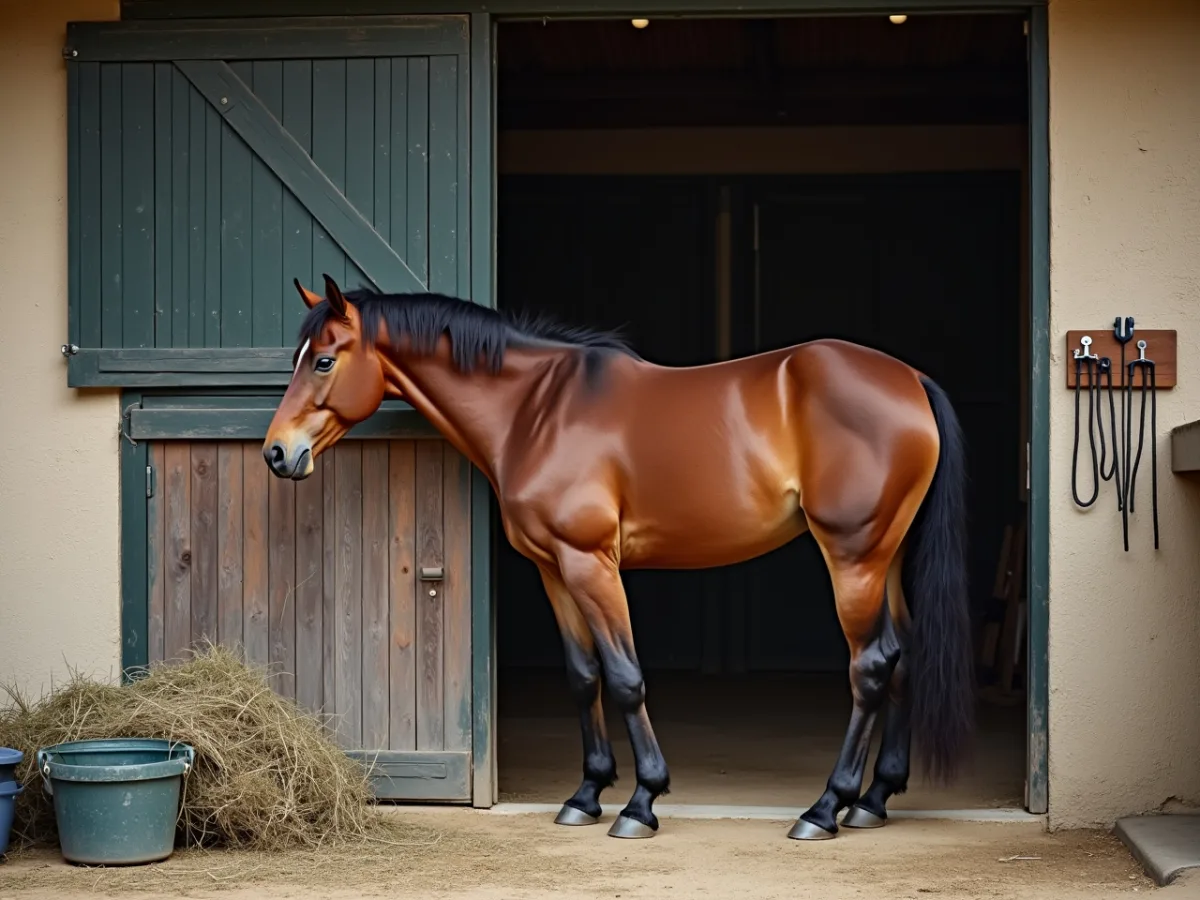
In a stall, a horse may nudge because it wants attention, is bored, or expects feeding. It may also nudge the door or your arm as you pass by. If the horse seems restless, pawing or calling out at the same time, the nudge can be part of a larger picture of impatience or confinement stress.
In the pasture
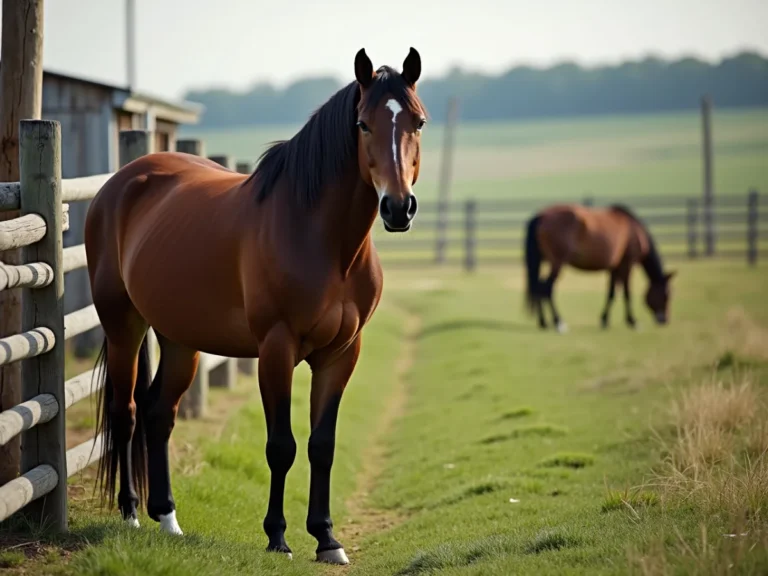
In pasture, nudging often fits social behavior. Horses may gently touch one another as part of herd interaction, and people who enter the field may receive a similar greeting. If the horse walks up with a loose body and calm expression, the nudge may simply be curiosity or comfort with your presence.
During grooming
During grooming, a horse may nudge the handler’s shoulder or arm to reposition, ask for a scratch, or respond to a pleasant spot being touched. A horse that keeps nudging while shifting its weight may be uncomfortable, itchy, or trying to direct the handling process.
When tack is being put on
At saddling time, a nudge can mean anticipation, annoyance, or the urge to interact. Some horses nudge because they know work is coming and they feel alert. Others do it because the process has become associated with attention and routine.
During riding or groundwork
Under saddle or during groundwork, a nudge is usually more significant because space and direction matter more. If a horse is nuzzling or nudging at this point, it may be seeking reassurance, checking for an opening, or responding to pressure in its body or environment. Sometimes it is a mild sign that the horse is distracted and not fully settled into the task.
What the Behavior May Signal About the Horse’s State
A nudge can point to several internal states. Curiosity is common. So is affection in the horse sense, which is usually expressed as comfort and familiarity rather than emotion in a human form. But the behavior can also signal tension, boredom, anticipation, or a learned habit.
One useful way to think about it is this: the nudge often shows what the horse is trying to solve. Is it trying to get attention? Get space? Get food? Get reassurance? Each possibility leads to a slightly different interpretation.
When the horse is relaxed, the nudge tends to be brief and light. When the horse is anxious, it may repeat, intensify, or happen alongside other signs like fidgeting, tail swishing, or a tight back. When the horse is pushy, it may not be looking for comfort at all. It may be trying to shape the interaction on its own terms.
A nudge often reflects a need the horse is trying to express, but the same gesture can mean attention, anticipation, discomfort, or space-seeking depending on context.
How People Often Misread It
Many owners treat a nudge as simple affection. Sometimes it is. But not always. A horse may nudge because it likes the interaction, yet it may also nudge because it expects a snack or wants to move you out of the way. Those are very different messages even if the gesture looks similar.
Another common mistake is assuming all nudging is rude. That is not true either. Horses use their muzzle to communicate and investigate. If a horse nudges gently and then relaxes, the contact may be perfectly normal. The key is not the gesture alone, but whether the horse can stop, wait, and respect your space when asked.
People also sometimes overlook patterns. A horse that nudges only at feeding time is different from a horse that nudges whenever it feels uneasy. Repetition in a specific context usually means the behavior has a purpose. That purpose can be practical, social, or emotional.
When to Pay Closer Attention
A nudge deserves more attention if it appears with signs of discomfort or escalating pressure. If the horse is crowding your body, moving its shoulders into your space, or using the head with enough force to shift you, the behavior is no longer just a polite touch. It is a boundary issue.
It is also worth noting if the horse starts nudging more often than usual. A change in frequency can signal a change in routine, stress level, or physical comfort. A horse that suddenly becomes more insistent around the head, neck, or shoulder may be reacting to frustration, confusion, or even discomfort that deserves a closer look.
Repeated nudging at a particular time of day can tell a story too. If it happens before turnout, after exercise, or near a certain person, the horse may have linked that moment with an expected outcome. Horses are excellent at creating routines in their minds, and their behavior often follows those patterns closely.
What Consistency Can Reveal Over Time
Long-term observation is often more useful than a single moment. Some horses are naturally touch-oriented and will always greet people with a muzzle touch. Others are more reserved and nudge only when they are seeking something specific. That difference in personality matters.
If the same horse shows a soft nudge in relaxed settings but a harder push when excited, the behavior is probably flexible and context-driven. If the horse is always pushing, regardless of mood or setting, the behavior may have become a habit that needs clearer boundaries in daily handling.
Consistency also helps distinguish comfort from discomfort. A horse that nudges before feed time and then settles quickly is likely following routine. A horse that nudges repeatedly while pacing, calling, or appearing tight may be using contact as a way to manage unease.
Reading the Small Details Together
The best way to understand a nudge is to combine it with everything else you see. One sign rarely gives the full picture. Several small signs together usually do.
If the horse is standing square, breathing easily, and nudging with a soft muzzle, the message may be friendly or curious. If the horse is leaning, pushing, and showing a tight face, the same basic movement has a different meaning. If the horse only nudges when you reach into a pocket, the message may be very simple: it has learned to expect food there.
That is why the context around the nudge matters so much. The horse’s mood, the place, the time, and the recent pattern of handling all shape the behavior. A nudge can be a greeting, a request, a habit, or a signal to make space. Sometimes it is more than one of those things at once.
What a Horse Nudge Often Means in Everyday Life
In ordinary stable life, a nudge usually reflects one of a few familiar things: connection, anticipation, or communication around space. A calm, brief nudge often belongs to the first two. A stronger, repeated, or space-taking nudge usually belongs to the third.
That is why it helps to respond to the behavior rather than the gesture alone. A gentle horse may simply need acknowledgment. A pushy horse may need a clearer limit. A tense horse may need a quieter environment or a chance to settle before more handling continues.
Over time, a horse’s nudges become easier to understand. The pattern starts to feel familiar. One horse always nudges at the gate before turnout. Another nudges when bored in the cross ties. Another uses a tiny nose touch as a relaxed greeting and then steps away. The behavior is simple on the surface, but the meaning is in the details around it.
A horse’s nudge is best understood as part of a larger conversation, not as a single word with one fixed meaning.
When you notice how the horse stands, how quickly the nudge comes, and what happens right after, the message becomes clearer. Some nudges are warm and social. Some are practical. Some are a polite way of saying the horse wants something now. The horse usually gives enough clues if you look at the whole scene.