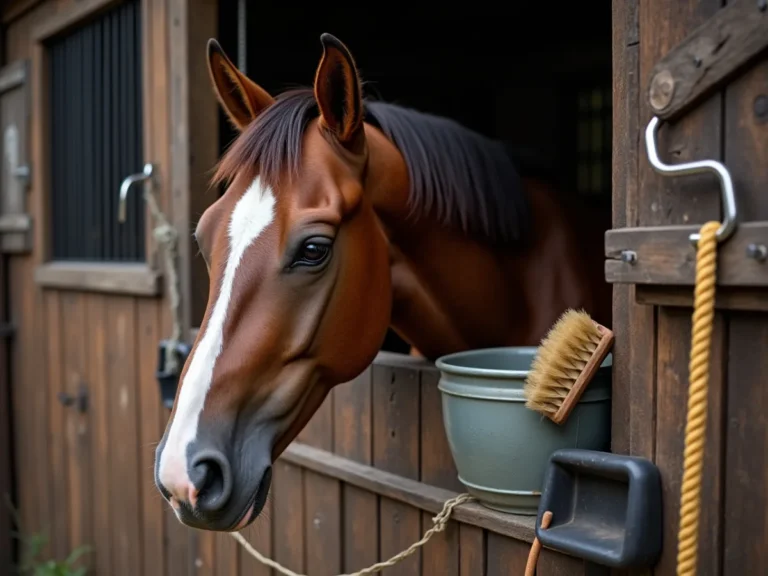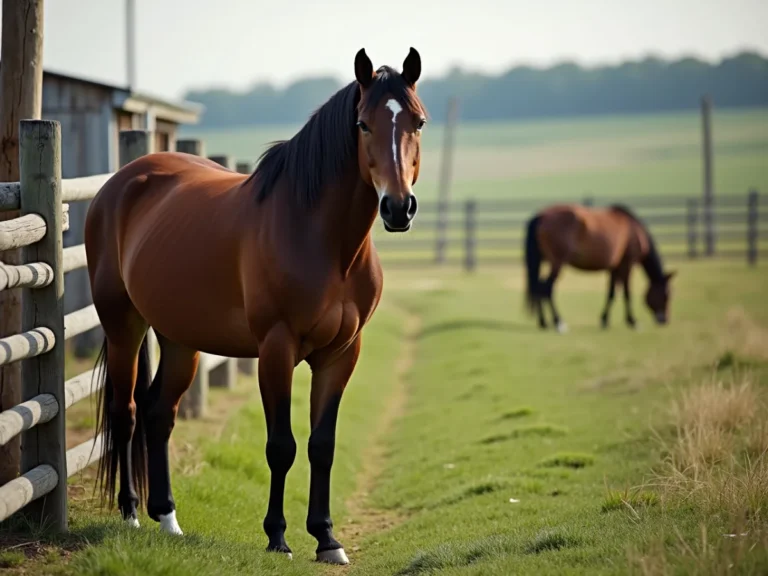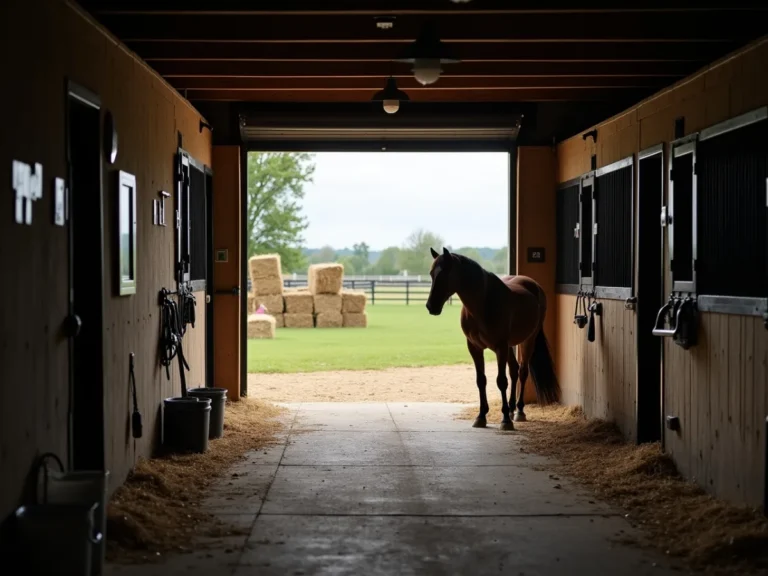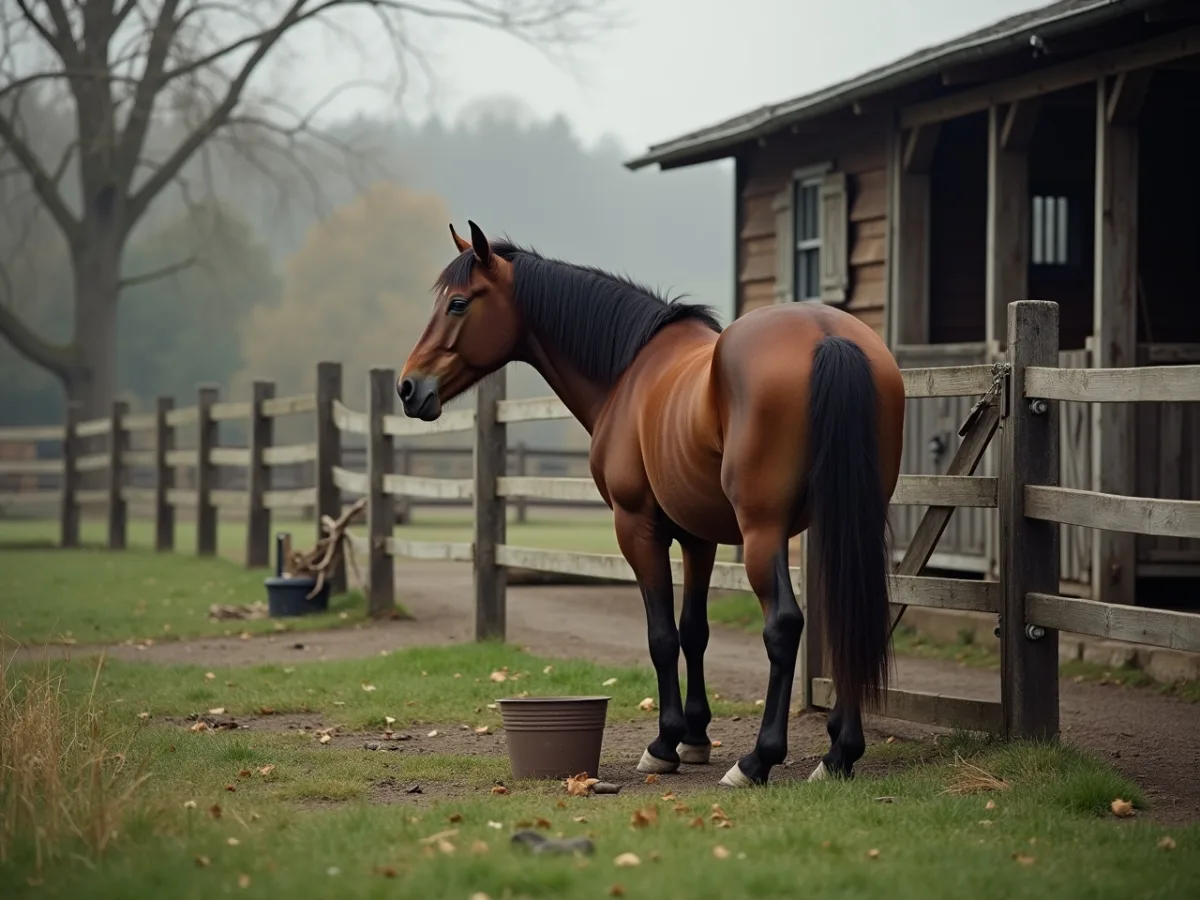
Some horses do not rush to greet people. They keep a little distance, turn their head away, or move off when a person approaches. That choice can look simple on the surface, but it often carries a lot of meaning.
Avoiding contact with humans is not one behavior with one cause. It can come from fear, discomfort, habit, a lack of trust, or a horse’s natural preference for space. The same movement can mean something very different depending on the animal, the setting, and what happened just before.
For owners and handlers, the key is to read the full picture instead of reacting to one moment. A horse that steps back in the stall may not be “rude” or “stubborn.” It may be telling you that something feels uncertain, unpleasant, or simply too close.
Why Horses May Keep Their Distance
Horses are prey animals, which means caution is built into the way they respond to the world. A quick retreat from a person can be a normal self-protective reaction, especially if the horse has not fully learned that humans are safe and predictable.
Not every horse is naturally outgoing. Some are curious and willing to investigate every new hand, while others prefer to observe from several feet away. That difference can be part personality, part experience, and part current emotional state.
In many cases, avoidance is a communication signal rather than a refusal. The horse may be saying, in its own way, that the interaction is too fast, too close, too familiar, or too uncomfortable for the moment.
Distance is often a horse’s first response to uncertainty. Before you think “bad behavior,” ask what the horse is trying to avoid.
Fear and lack of trust
Fear is one of the most common reasons a horse avoids people. A horse that has had little handling may not understand what a human hand means, and an animal with difficult past experiences may expect pressure, correction, or restraint when a person comes near.
Trust does not appear all at once. It tends to grow through many quiet, predictable interactions. When those interactions have been inconsistent, the horse may choose distance because that feels safer than waiting to see what happens next.
Pain or physical discomfort
A horse that suddenly avoids contact may be dealing with soreness or pain. Even a routine pat, groom, halter placement, or saddle fit can become unpleasant if the horse’s body hurts.
Sometimes the horse does not seem obviously lame or sick. Instead, you may notice that it drifts away, pins its ears only in certain spots, or tenses when touched along the back, girth area, face, or legs. Those details matter.
Overstimulation and emotional overload
Horses can also back away when they are mentally overloaded. A busy barn, loud tools, too much movement, or a rushed handler may push a sensitive horse past its comfort zone.
In that state, the horse may not be “rejecting” the person. It may simply be trying to create space so it can process what is happening. Short responses often mean the horse is near its limit.
How This Behavior Appears in Daily Handling
Avoidance does not always look dramatic. In real life, it often appears as subtle changes in position. A horse may swing its hindquarters away, raise its head, step backward, or keep one ear focused on the handler while the rest of the body stays angled out.
Some horses avoid contact only in specific situations. They may come over in the pasture but pull away in the stall. They may stand quietly for feeding but not for grooming. They may accept one person and avoid another. Those differences can help narrow down the cause.
In riding situations, avoidance may show up before the horse is actually tacked up. A horse that refuses to stand at the mounting block, walks off when the girth is tightened, or moves away during bridle placement may be responding to pressure, discomfort, or uncertainty about what comes next.
At the gate or fence line
Many horses show their feelings most clearly when a person enters the space they consider their own. Some approach the gate, while others leave as soon as they see someone coming.
That reaction is often useful information. If the horse repeatedly avoids contact at the pasture boundary, it may not yet feel comfortable being reached for, haltered, or led from that location. The environment itself may be part of the problem.
During grooming and touch
Grooming can reveal small signs of resistance. The horse may shift away from the brush, tuck its chin, pinch its lips, or move its feet in a steady attempt to create space.
These reactions are worth noticing because grooming is supposed to be familiar. If a horse avoids even light touch, the reason may be physical sensitivity, prior negative handling, or a need for slower introduction.
While being caught
Some horses only avoid people when they realize they are about to be caught. They may look friendly until the halter appears, then drift to the far side of the field. Others learn to read routine very quickly and start leaving when a certain person enters the barn at a certain time.
That pattern does not automatically mean the horse is defiant. It may mean the horse has associated being caught with work, confinement, or an unpleasant experience that follows contact.
Possible Internal Reasons Behind the Reaction
Internal reasons are the ones you cannot see directly, which is why they are easy to miss. A horse may appear distant for reasons that have little to do with the person standing nearby and everything to do with what the horse is feeling inside.
Emotional state matters. So does the horse’s history. A horse that has learned people bring calm, food, and clear routines will usually behave differently from one that has learned to brace for pressure or confusion.
Previous handling history
Past experiences shape present choices. Horses remember repeated patterns, especially if those patterns involved being rushed, chased, punished, or handled in a way that felt rough or unpredictable.
Even one frightening event can have a lasting effect if it happened at the wrong time or in a highly stressful place. A horse does not need a long history of bad treatment to become cautious. Sometimes one sharp moment is enough to change how it responds later.
Low confidence
Some horses avoid contact because they are unsure of themselves, not because they dislike people. Unconfident horses often watch first and act later. They may hesitate at the edge of an interaction, then retreat if they feel pressure to decide too quickly.
Confidence is closely tied to predictability. When a horse knows what is coming, it can stand more comfortably. When the situation keeps changing, avoidance becomes a reasonable option from the horse’s point of view.
Sensory sensitivity
A few horses are naturally more sensitive to touch, sound, movement, or pressure. What feels normal to one horse can feel overwhelming to another. A hand reaching over the neck, a brush over the belly, or a person standing too close may create enough discomfort for the horse to step away.
This does not mean the horse is difficult. It may simply mean that small cues matter more to that individual. Sensitive horses often need slower introductions and cleaner, more consistent handling.
Learned avoidance
Horses are excellent at learning what makes pressure stop. If walking away has successfully ended an uncomfortable interaction before, the horse may repeat that choice next time.
This is especially common when avoidance is accidentally rewarded. A horse moves away, the person stops reaching, and the horse feels immediate relief. Over time, the horse learns that distance works.
How Environment Shapes Contact Avoidance
The same horse can be welcoming in one place and guarded in another. Environment changes the meaning of human contact because it changes what the horse expects.
A quiet paddock often produces a different response from a cramped stall, a noisy grooming aisle, or a crowded arena. When the horse feels trapped or surrounded, avoidance usually becomes stronger.
Stable routines
Routine can calm some horses and unsettle others. A predictable feeding and turnout schedule may make a horse more willing to approach, while sudden changes can make the horse harder to catch or more reluctant to stand still.
Horses that spend a lot of time in stalls may also become more defensive of their personal space. In a confined area, even a well-meaning person can feel intrusive.
Pasture and open space
In open spaces, avoidance often becomes more obvious because the horse has room to leave. That does not necessarily mean the horse is less cooperative; it may simply have the option to choose distance.
When the horse can move away freely, handlers get a clearer view of its preference. The challenge is to notice whether the horse is leaving out of routine caution or because it has learned that people in that space usually bring stress.
Noise, movement, and the presence of other horses
Horses often react to the whole scene, not just the person approaching them. A clanging gate, a barking dog, a tractor, or nearby horses running can all increase alertness and reduce willingness to stand close.
In a busy environment, avoidance may rise simply because the horse has less mental room. A calm horse in the morning may become much more distant by afternoon if the barn grows louder and activity increases.
A horse that avoids people in one setting but not another is giving useful context. The environment may be part of the message.
What Avoidance Can Signal About the Horse’s State
Avoiding contact can point to several different states at once. It may signal fear, but it may also show irritation, fatigue, pain, confusion, or a need for more space. The body language around the behavior helps separate those possibilities.
When a horse’s avoidance is mild, the horse may simply turn an ear away, shift its weight, or step once or twice to the side. When the avoidance is stronger, the horse may keep moving, brace its neck, rush past the handler, or refuse to be approached at all.
Calm avoidance
Calm avoidance often looks polite. The horse creates distance without sharp tension. It may move away slowly, look relaxed, and continue to eat or graze once the person stops advancing.
That type of response often means the horse has a preference for more space or a slower introduction. It is not always a problem, but it does show where the horse’s comfort line currently sits.
Reactive avoidance
Reactive avoidance is different. The horse may jump away, snort, swing its head, or move with quick, abrupt energy. The change happens fast and usually comes with clear tension in the neck, belly, or hind end.
This kind of response can indicate high alertness or a strong negative association. It deserves more attention because it often means the horse is not just choosing space; it is trying to escape a feeling.
Defensive avoidance
Some horses avoid contact in a way that says “do not come closer.” They may pin their ears, clench their body, or threaten to kick or bite if the person continues forward.
Defensive behavior often appears when the horse feels cornered, painful, or deeply uncertain. It is one of the clearest signs that the horse no longer trusts the situation enough to stay neutral.
Subtle Signals That Often Accompany Avoidance
Horses rarely avoid people with only one body part. The whole body usually participates. Watching the ears, eyes, neck, feet, and tail together gives a better picture than focusing on one sign alone.
Ears and eyes
Ears turned away can show disinterest, but pinned ears may show irritation or worry. The eyes may stay soft and steady, or they may look wide and tense. A horse that avoids contact while keeping one eye fixed on the person is not relaxed in the same way as a horse that casually walks off to graze.
Posture and weight shift
A horse that leans away, shifts weight backward, or angles its body out of reach is trying to increase distance. That small change can happen long before the horse actually leaves.
Posture matters because it often appears before the bigger movement. Once you notice the lean, you can slow down and reassess rather than waiting for the horse to fully retreat.
Movement of the feet
Feet tell the truth quickly. A horse that picks up a foot, sidesteps, steps backward, or keeps moving in small circles may be expressing discomfort with the interaction.
Some horses stay physically close but never settle their feet. That can be a quiet version of avoidance, especially if the horse is trying to prevent the person from standing still and reaching in.
Tail and neck tension
A tight tail, raised tail, or stiff neck often goes along with mental strain. These signs do not always mean the horse is angry. They can also mean the horse is braced and waiting for the next part of the interaction.
When a horse carries itself rigidly, even a friendly approach may feel like pressure. The body is signaling that the horse would rather not engage yet.
How People Often Misread the Behavior
People sometimes assume a horse that avoids them is being disrespectful or untrained. In reality, avoidance usually says more about comfort and history than about attitude.
Another common mistake is to push harder when the horse pulls away. That often makes the problem clearer, not better. The horse learns that people come closer when it is already uncomfortable, so the next response may be even more guarded.
On the other hand, some handlers ignore avoidance because the horse is not being aggressive. That can also be a mistake. A horse does not need to bite or kick for the message to matter.
When a horse keeps moving away, the question is not “How do I make it stop?” The better question is “What is the horse trying to avoid?”
Deeper Context in Horse–Human Interaction
Contact between horses and humans works best when the horse can predict what happens next. A hand that always reaches in the same way, a voice that stays steady, and a routine that makes sense all help reduce avoidance over time.
Some horses become comfortable with humans because people consistently respect their space. Others improve only after their physical discomfort is addressed. Many need both: better handling and a closer look at the body.
The relationship is shaped by repetition. A horse that is repeatedly caught, handled, and released without trouble may grow more willing to approach. A horse that is repeatedly asked to tolerate pressure without relief may continue to keep a boundary.
When space is helpful
Giving a horse room can be the right first step. Backing off a little, softening your posture, and allowing the horse to choose the approach often lowers tension faster than direct pursuit.
Space does not mean avoidance should be ignored forever. It means the horse may need a moment to feel safe enough for contact to become possible.
When veterinary or tack checks matter
If avoidance is new, stronger than usual, or linked to specific touch points, physical causes should be considered. Teeth, back, saddle fit, skin sensitivity, hooves, and minor injuries can all affect willingness to be handled.
A horse that dislikes being touched in one area may be protecting a sore spot. That pattern is easy to miss if the focus stays only on obedience.
Long-Term Patterns and Consistency
The most helpful question is often not whether the horse avoids contact, but how consistently it does so. A pattern that appears only during certain tasks suggests a specific trigger. A pattern that shows up across many settings may point to broader fear, pain, or low trust.
Some horses stay distant for weeks and gradually soften. Others remain highly social with humans but still dislike being touched in certain ways. The direction of change matters more than the speed.
When the horse begins to stand a little closer, lower its head, or remain still for a few extra seconds, those are meaningful signs. They suggest the horse is less concerned than before, even if it still prefers space.
What consistency can reveal
Repeated behavior gives clues about the source. If the horse avoids one specific person, the issue may be style, timing, or body language. If it avoids everyone, the reason may lie more in the horse’s history, body, or environment.
If the horse only avoids contact before work but not after turnout, the pattern may be emotional rather than physical. If it avoids touch near the girth area but not the neck, pain or sensitivity becomes more likely.
Small changes that matter
It is easy to overlook progress because it is subtle. A horse that used to walk off the moment you entered the paddock but now stays to watch from a few yards away is not showing nothing. It is showing more tolerance.
Likewise, a horse that remains distant but stops tensing when you move nearby may be becoming less defensive even if it still keeps its space. Those changes can be the first stage of greater comfort.
A Quiet, Practical Takeaway
A horse that avoids human contact is rarely being random. It is communicating through distance, and the reason behind that distance can range from simple caution to pain or stress. The behavior makes more sense when you look at the whole setting instead of the single moment.
Some horses need more time. Some need less noise. Some need a physical issue addressed before they can relax. And some simply need their space respected long enough to decide that a person is not a threat.
Once the pattern becomes clearer, the response usually becomes clearer too. You can adjust your approach, slow the pace, or check for discomfort without turning every interaction into a test. That is often where trust begins: not in forcing contact, but in noticing why the horse prefers not to have it just yet.