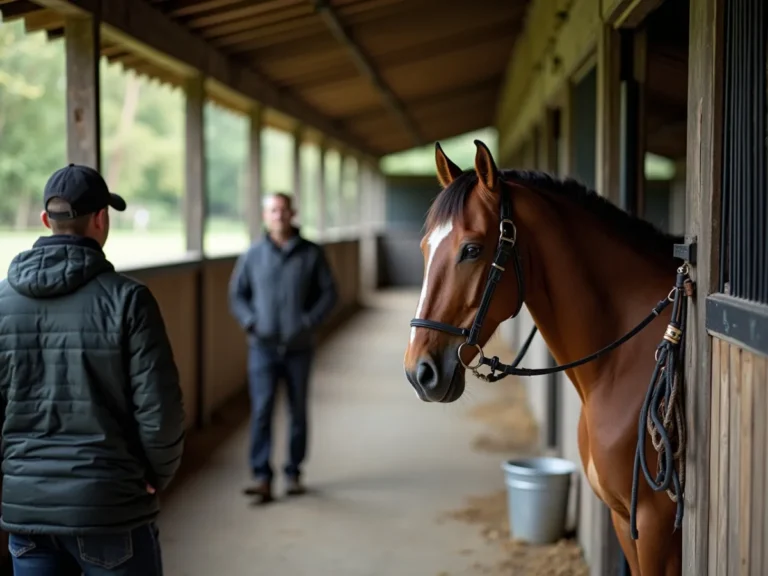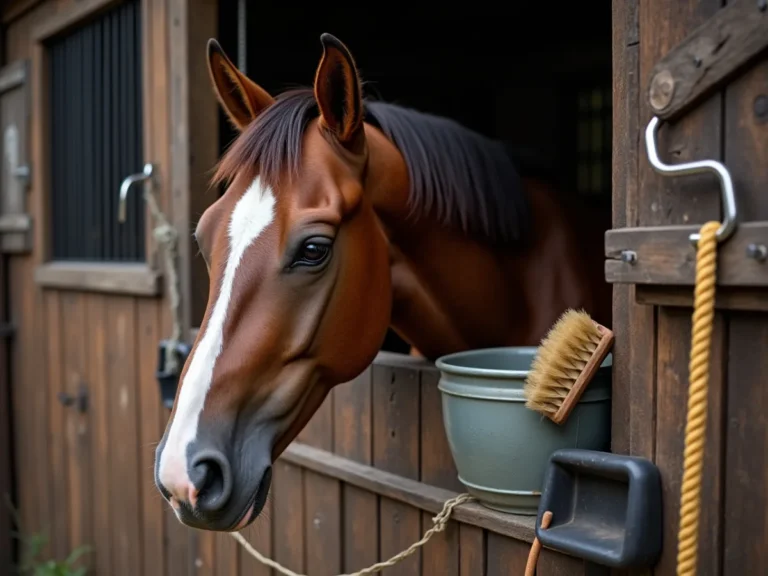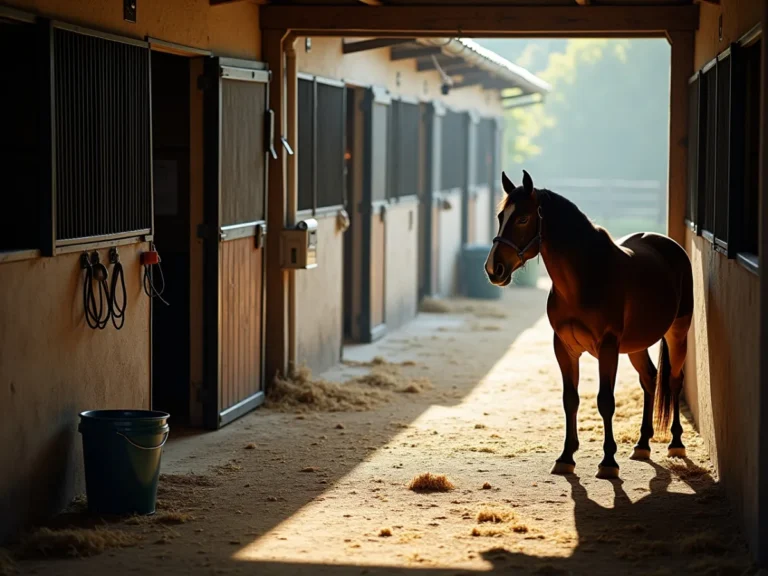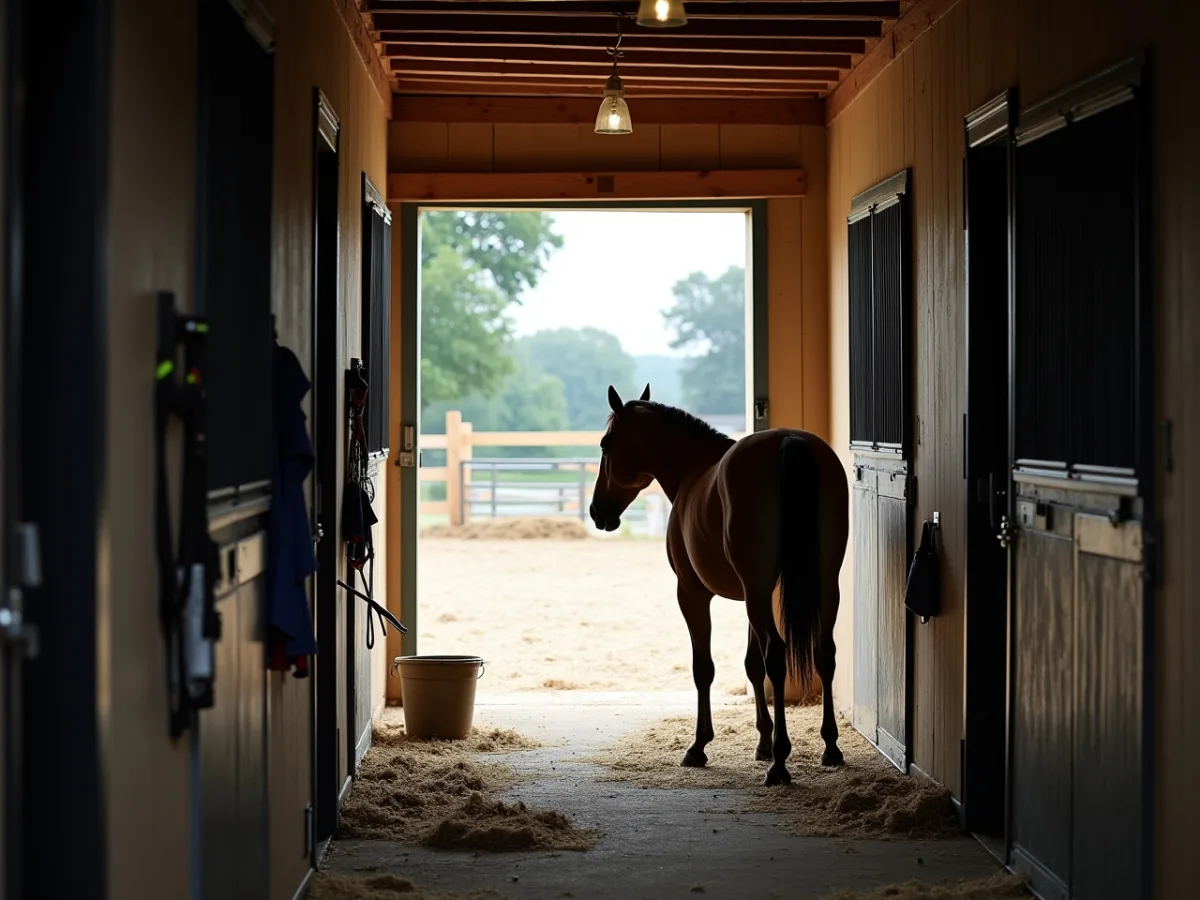
Attachment to specific people can look sweet, puzzling, or even inconvenient depending on the horse and the setting. Some horses relax as soon as one familiar handler appears. Others become restless when that person leaves, or they seem less willing to cooperate with anyone else.
This kind of attachment is not always a problem. In many cases, it reflects trust, routine, and comfort. But when the response becomes intense, it can affect turnout, grooming, loading, riding, and basic stable management.
What matters most is understanding what the horse is actually communicating. A horse that leans toward one person is not necessarily being difficult or “spoiled.” Often, the behavior is tied to safety, habit, social bonding, or a learned expectation that this person brings predictability.
Why Horses Form Strong Attachments
Horses are social animals. In the wild, they rely on group awareness, familiar companions, and quick recognition of who feels safe. That same instinct shows up in domestic life, where one person may become a horse’s strongest source of reassurance.
Attachment often grows from repetition. The person who feeds, handles, rides, or calmly comforts the horse becomes linked with good outcomes. Over time, the horse may start to anticipate relief simply by seeing that person approach.
Some horses attach more strongly than others because of temperament. Sensitive horses notice small changes in tone, posture, and routine. They may prefer the person who moves slowly, speaks softly, and keeps interactions consistent.
Strong attachment is not always about affection in the human sense. It often combines trust, habit, and the horse’s need for predictability.
How Attachment Shows Up in Everyday Handling
The signs can be subtle at first. A horse may brighten when one person enters the barn, turn its head toward that person, or walk to the stall door. It may stand quietly only with that handler and become more fidgety with others.
More obvious behavior can appear during daily care. The horse may follow one person around the paddock, nudge toward them, or pin its attention on the sound of their footsteps. Some horses become impatient if that person leaves the aisle or disappears from sight.
During handling, attachment can show up as preference. The horse may lead better for one person, stand more easily for grooming, or tolerate veterinary work with less concern when the familiar handler is nearby. In contrast, the same horse may resist, call out, or repeatedly look around when someone else takes over.
Common signs in the barn
- Walking toward one person immediately
- Calling out when that person leaves
- Refusing to settle with unfamiliar handlers
- Watching a familiar person closely during chores
- Becoming tense when separated from that person
What It Can Look Like in Turnout and Pasture
Attachment often becomes clearer in open spaces. A horse may graze calmly until its favorite person arrives, then lift its head and move toward the fence. Some horses break from the herd to follow the sound of a familiar voice.
Others show a quieter version. They may keep one eye on the person, stand closer than usual, or drift to the side of the field where that person is working. These behaviors can be easy to miss if they happen gradually.
In horses that are more dependent, separation from a specific person may trigger pacing, vocalizing, or repeated fence walking. The horse may not actually be “missing” the person in a human emotional sense, but it can still be reacting to the absence of a major source of security and routine.
How Attachment Appears During Riding
Under saddle, attachment may show in mixed ways. A horse may be relaxed and willing with the familiar rider, yet tense or inattentive with someone else. In some cases, the horse feels safer and more organized with the person it knows best.
That can be useful, but it can also create a gap in performance. The horse may hesitate at transitions, rush in unfamiliar hands, or become sticky about moving forward when the rider is not the one it expects. Sometimes the horse appears cooperative but is actually waiting for cues it recognizes from one specific person.
Riders may notice this when a horse works beautifully one day and struggles the next, even though the tack and setting have not changed. The difference may be less about ability and more about who is in the saddle and how securely the horse reads that person’s signals.
A horse that performs better for one person is not automatically being stubborn with others. It may simply be more confident, more relaxed, or more familiar with that handler’s communication style.
Possible Internal Reasons Behind the Reaction
Attachment to a specific person can come from several internal drivers at once. Safety is one of the biggest. Horses are highly alert, and they quickly learn which person is likely to be calm, steady, and fair.
Reinforcement also matters. If one person consistently provides feed, turnout, comfort, or release from pressure, the horse begins to connect that person with relief. That connection becomes stronger when the same person appears during care, riding, and quiet time.
Temperament shapes the pattern too. A bold horse may show a mild preference and move on. A more anxious or sensitive horse can become deeply attached because the familiar person helps regulate stress. In those horses, attachment may be less about special affection and more about emotional stability.
Factors that often strengthen attachment
- Consistent feeding and handling routines
- Calm body language from the person
- Positive experiences repeated over time
- Reduced stress in the horse’s environment
- Limited exposure to many different handlers
How Environment and Stimuli Influence the Behavior
Attachment often becomes more visible when the environment is busy or uncertain. A loud barn, new horses, schedule changes, or transport can all increase the horse’s need for a familiar anchor. In those moments, the horse may seek one particular person more actively than usual.
Simple changes can shift the response. If the barn routine becomes irregular, a horse may start checking the aisle more often or calling out when the preferred person is late. If that person is absent for a few days, the horse may seem unsettled even if nothing else is wrong.
New surroundings can intensify the behavior as well. At a show, clinic, or boarding facility, the horse may lean hard toward the one handler it knows best. That is especially common when the horse is already sensitive to noise, movement, or strange horses nearby.
When Attachment Becomes More Noticeable
Some horses only show a mild preference in calm circumstances. Others become much more obvious when their normal support person is removed from the situation. The difference often depends on stress level and how secure the horse feels in general.
After a change in ownership, a new boarding barn, illness, or a long period of reduced turnout, the behavior can become stronger. The horse may cling to one familiar person because the rest of life feels less predictable. A horse with a stable, low-stress routine may show the same preference in a softer, less disruptive way.
Age can matter too. Young horses may latch onto the person who teaches them the most. Older horses may form strong attachments after years of working with the same handler, especially if that person has been present through painful or difficult experiences.
How People Sometimes Misread the Behavior
It is easy to assume a horse is being selective for emotional reasons alone. In practice, the behavior may be less personal than it looks. A horse that walks toward one person may simply know that person’s patterns better, or it may find their handling more predictable.
Another common misunderstanding is assuming that strong attachment means the horse is safer with one person than with others. Sometimes that is true. Sometimes the horse is actually depending on the familiar person to mask insecurity that will surface with anyone else.
People may also mistake anxiety for loyalty. A horse that follows a preferred handler everywhere is not always being affectionate. It may be monitoring the person because separation feels uncomfortable, not because the bond is especially relaxed.
Preference and dependency can look similar from the outside. The difference shows up in how easily the horse settles when the person is absent.
What the Behavior May Signal About the Horse’s State
Attachment can point to contentment, but it can also point to uncertainty. A calm horse that acknowledges one familiar person and then settles back into grazing is showing a very different picture from a horse that cannot relax when that person steps away.
Soft attachment often looks stable. The horse enjoys the familiar handler, cooperates well, and still accepts basic care from others. Stronger dependency tends to include tension, vocalizing, restlessness, or refusal to engage with anyone else.
If the attachment appears suddenly, it may reflect a bigger change. Pain, social stress, inconsistent routines, or a recent loss of confidence can all make a horse seek one person more intensely. In that case, the behavior deserves attention, not just interpretation.
Calm, neutral, and stress-related forms
| Form | Typical signs | Possible meaning |
|---|---|---|
| Calm preference | Looks happy to see one person, settles easily | Trust and familiarity |
| Neutral preference | Responds better to one handler, but still accepts others | Learned comfort and routine |
| Stress-related attachment | Vocalizing, pacing, tension, refusal when separated | Uncertainty, anxiety, or dependence |
The Role of Human Interaction
Horses are quick students of human behavior. A person who is predictable, patient, and clear often becomes the one the horse trusts most. That trust is built through dozens of small moments rather than one dramatic event.
Some horses respond strongly to consistency in pressure and release. Others are drawn to people who keep the environment quiet and avoid sudden changes. Even a horse that enjoys contact can become attached for reasons that have little to do with affection and everything to do with emotional ease.
That is why two handlers can each be kind and still get different reactions. One may fit the horse’s communication style better. The horse may not “prefer” the person in a personal sense so much as recognize a way of interacting that feels easier to understand.
How to Read the Body Language Around a Preferred Person
The full picture usually includes more than just movement toward one person. Ears, neck carriage, breathing, and feet all matter. A horse that softens, lowers its head, and stands with a loose body is usually showing a healthier version of attachment than one that looks tight and watchful.
Notice whether the horse can disengage. If it greets the preferred person and then resumes normal activity, the attachment is likely balanced. If it stays fixated, cannot graze, or repeatedly interrupts its own behavior to track that person, the response may be less settled.
Signals worth watching
- Neck stiffness or relaxation
- Repeated calling or silence
- Ability to eat, rest, or focus nearby
- Tail tension or a loose, quiet tail
- Quick recovery after separation
Why Separation Matters
How a horse behaves when the person leaves can be more revealing than the greeting itself. A horse that watches the person go and then resumes its day has a different level of attachment from one that becomes agitated or distressed.
Short absences can reveal how flexible the bond really is. If the horse remains manageable when the preferred person is unavailable, the attachment is probably well integrated into the horse’s routine. If the horse struggles every time, the relationship may be carrying too much of the horse’s emotional load.
That does not mean the bond is bad. It means the horse may need broader confidence, more variety in handling, or a more predictable overall environment so that one person is not carrying the entire sense of safety.
Long-Term Patterns and Consistency
Attachment to one person often changes slowly. A horse may start with a mild preference, then deepen the behavior after repeated daily contact. In other cases, the bond softens over time as the horse becomes more comfortable with several handlers.
Consistency is what makes the pattern clear. When the same reaction repeats across feeding, turnout, grooming, and riding, it is usually not random. The horse is showing a stable relationship with that person, whether based on trust, routine, dependence, or all three.
Watching the behavior over weeks matters more than judging it in a single moment. A horse that seems clingy after a stressful trailer ride may return to normal the next day. Another horse may quietly show a stronger and more enduring preference that only becomes obvious when the routine changes.
The most useful question is not whether the horse likes one person more. It is whether the attachment helps the horse stay calm and functional, or whether it narrows the horse’s ability to cope without that person.
A Quiet Finish
Attachment to a specific person is one of the clearest ways horses show how deeply they notice routine and emotional consistency. The behavior can be tender, practical, or complicated, sometimes all at once. A horse that leans toward one familiar handler is often telling you that this person has become part of its sense of safety.
That message deserves careful reading. In the barn, in turnout, and under saddle, the details matter: whether the horse relaxes, whether it can shift attention, and whether it remains steady when the preferred person is not there. Those small signs say far more than a single greeting ever could.
When the attachment is balanced, it usually looks calm and workable. When it grows tense or exclusive, it may point to stress, habit, or a gap in confidence that deserves a closer look.