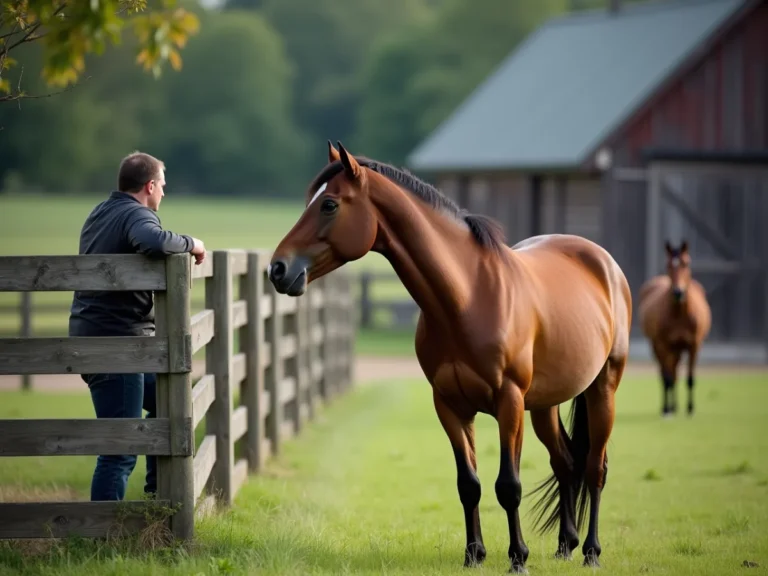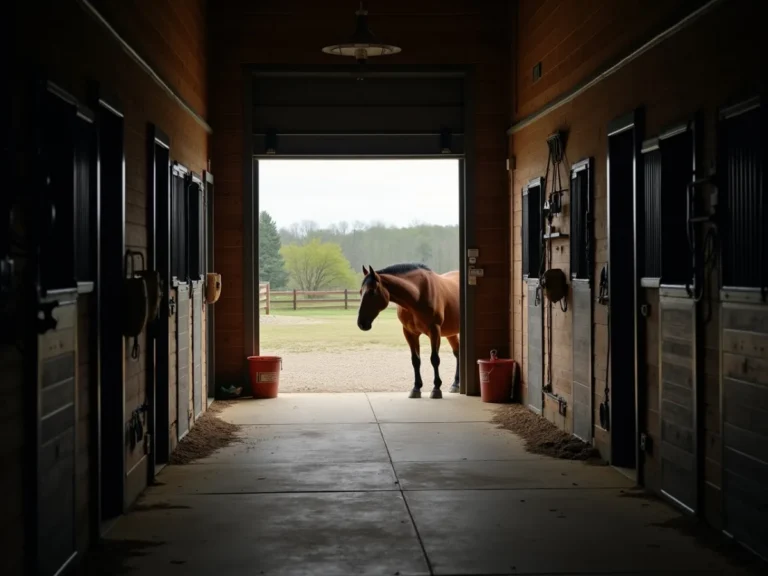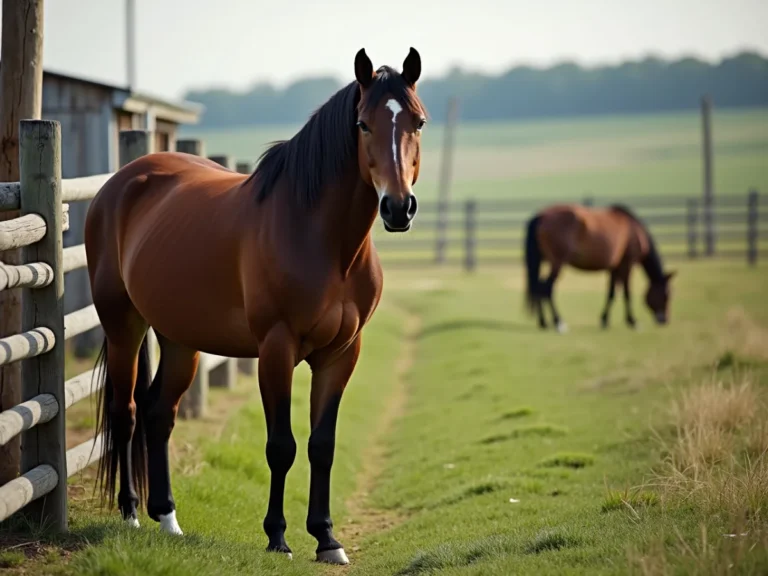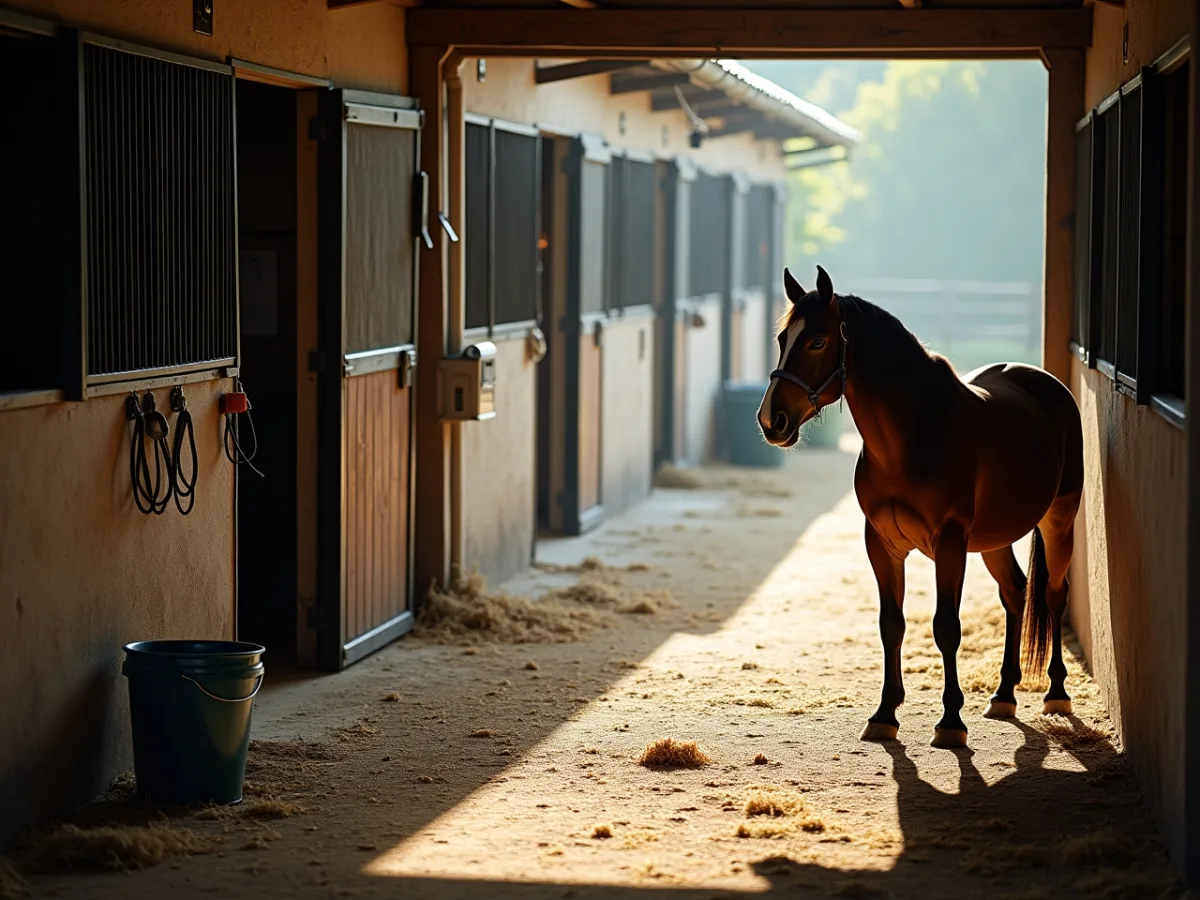
A horse that keeps a close eye on the handler is not always being difficult, suspicious, or dramatic. Often, it is simply paying attention. Horses notice movement, tone, routine, and tiny shifts in the environment long before many people do.
That close attention can look calm in one moment and tense in the next. A horse may soften its eyes and follow a person quietly, or it may hold itself stiffly, as if waiting for the next thing to happen. The difference matters. Small details often tell you more than the overall picture at first glance.
When people notice a horse watching them closely, they sometimes focus only on obedience or distraction. In reality, the horse may be reading intent, checking for safety, or trying to make sense of an unfamiliar request. The behavior can mean interest, caution, anticipation, or a mix of all three.
Why Horses Watch the Handler So Closely
Horses are built to notice movement. In the wild, paying attention to the herd and to nearby creatures helped them avoid danger. That same instinct remains strong in domestic horses, even when they live in quiet barns and seem well settled.
A handler is a major part of a horse’s daily world. The horse learns that this person brings food, turnout, grooming, exercise, or sometimes uncomfortable work. Because of that, the horse starts reading patterns. It notices which pocket holds treats, which hand lifts the lead rope, and which direction a person’s shoulders turn before they move.
Some horses watch closely because they are curious and engaged. Others do it because they are uncertain and want to predict what comes next. Both reasons can look similar from a distance. The difference usually shows up in the rest of the body.
A horse that is watching carefully is often gathering information, not necessarily challenging authority or seeking attention.
Common Situations Where It Shows Up
In the Stable
In a stall or cross-ties, close watching often appears during grooming, tacking, feeding, or when someone enters the aisle. The horse may angle its head toward the handler, follow every hand movement, or keep checking the doorway. This can be simple anticipation, especially if the horse expects turnout or grain.
Sometimes the same behavior appears during less pleasant tasks. A horse may watch the handler intently while the girth is tightened, hooves are picked, or medicine is given. In those moments, the gaze can become sharper, the neck more fixed, and the ears more active. The horse is trying to prepare for what comes next.
In the Field
In pasture, a horse may notice a person at the gate and start watching from a distance. It may walk over slowly, stop a few steps away, and keep the person in view. That can signal interest in interaction, a learned feeding routine, or a general habit of tracking human movement.
In a group setting, a horse may watch the handler while also monitoring herd mates. This is common when a person approaches one horse with halters or feed. The horse may be evaluating whether the attention will shift to it next. That kind of observation is very normal in herd animals.
While Being Ridden
Under saddle, close attention to the handler can show up as frequent checks with the ears, a head that turns too far, or a horse that seems to wait for each cue. A horse may become especially watchful if the rider’s hands, seat, or breathing change suddenly. It is not unusual for the horse to pick up on tension before the rider notices it.
In some cases, the horse watches because it is unsure about the task. A new exercise, a different arena, or an unfamiliar rider can make the horse look for reassurance. In others, the horse may be very tuned in and simply trying to understand subtle cues better than usual.
During Transport
Loading and travel often bring out close watching. A horse in a trailer or near a ramp may follow a handler’s movement with strong focus. That can reflect concern, dependence on guidance, or the horse’s attempt to stay oriented in a confined and changing environment.
Transport can make even confident horses more alert. Noise, movement, and balance changes all matter. A horse that watches the handler closely here is often checking for safety and direction.
What the Horse May Be Feeling
The same outward behavior can come from different internal states. That is why it helps to look beyond the eyes alone. A horse may watch closely because it feels relaxed and engaged, or because it feels on edge and wants more information before moving.
A softer version usually comes with loose muscles, an even stance, and a quiet tail. The horse may shift weight easily, blink normally, and keep the rest of the body soft. In that state, watching is simply part of attention.
A more tense version looks different. The neck may brace, the nostrils may flare, the back may hollow, and the horse may stand too still. Sometimes the horse stops chewing or holds its breath-like tension through the torso. Those are not random details; they often show that the horse is not just curious but braced.
When close watching is paired with stiffness, fixed posture, or reduced blinking, the horse may be feeling uncertainty rather than simple focus.
Subtle Signals That Travel With the Behavior
Horses rarely give one signal at a time. Watching the handler closely usually comes with a cluster of small clues, and those clues can change quickly.
-
Ears: Ears flicking back and forth often mean the horse is tracking both the handler and the surroundings. Ears locked forward may show interest or alertness. Ears pinned back can shift the meaning toward discomfort or irritation.
-
Eyes: Soft eyes with normal blinking usually suggest calm attention. Wide eyes, a hard stare, or a fixed look often suggest heightened alertness.
-
Head and neck: A neck carried evenly and a head that moves freely usually fit a relaxed horse. A high, rigid neck can mean the horse is ready to react.
-
Feet: A horse that can stand square and adjust casually is usually more settled. A horse that plants its feet, shuffles, or keeps stepping away may be less comfortable.
-
Mouth and jaw: Chewing, licking, and quiet jaw movement may show processing and release. A tight jaw or closed mouth can point to tension.
These details matter because the same gaze can mean very different things depending on the rest of the body. A calm horse and a worried horse may both look directly at the handler. One is simply interested. The other may be waiting for pressure.
How People Often Read It Wrong
It is easy to assume that a horse watching closely is trying to dominate, test limits, or act stubborn. Those ideas are common, but they often miss the point. Horses are usually more practical than people expect. They are checking patterns, looking for cues, and trying to stay safe.
Another mistake is to assume that all intense watching is bad. Some horses are naturally attentive and work well in that state. They focus on the person, learn quickly, and respond cleanly. The behavior becomes a concern only when it is tied to tension, fear, or over-arousal.
On the other hand, people sometimes dismiss close watching as simple curiosity when the horse is actually uneasy. That happens when the horse is quiet rather than explosive. A horse that stands still, stares, and seems very alert may be more stressed than a horse that moves around a little and relaxes afterward.
How Environment Changes the Meaning
Where the horse is matters. A familiar barn on a predictable schedule can make close watching look relaxed and routine. The horse knows what happens next, so it pays attention without much concern. In that setting, observation is part of daily life.
A new environment changes the picture. Unfamiliar arenas, show grounds, clinics, or busy barns can make a horse track the handler more intensely. The horse may rely on the human for orientation because the surroundings are harder to interpret. Strange sounds, horses passing by, and new smells all increase the amount of information the horse must process.
Weather and time of day can also influence the behavior. Windy conditions, sudden noise, or low visibility often make horses more watchful. A horse that seems settled in the morning may become sharper in the afternoon when activity picks up around the barn.
Routine and Predictability
Horses learn routines quickly. If a handler usually arrives before feeding, turnout, or riding, the horse may begin watching earlier and earlier. It is not guessing. It is recognizing patterns. That expectation can make the horse seem unusually tuned in.
When routines change, the watching may become more intense. A delayed schedule, a different helper, or a new type of handling can create uncertainty. Some horses respond by becoming glued to the handler’s movements. Others alternate between watching and withdrawing.
When Close Watching Becomes More Noticeable
Certain moments make the behavior stand out. One is right before handling begins. A horse may watch the handler arrive, open the gate, or set down equipment. Another is during pauses, when the horse has time to think and scan for the next cue.
It also becomes more noticeable when the horse feels partly prepared but not fully comfortable. For example, it may watch closely during saddling, then relax once work starts. Or it may stay attentive during leading but become more guarded when the halter is removed. Those shifts often reveal where the horse feels secure and where it does not.
In young or inexperienced horses, close watching often appears because everything is new. The person, the tools, and the routine all carry some uncertainty. In more experienced horses, the behavior may be tied more to memory. They remember what happened last time and watch to see whether this time will be similar.
Different Forms of the Behavior
| Type of Watching | What It Often Looks Like | Possible Meaning |
| Soft attention | Loose body, blinking, easy stance | Curiosity, engagement, calm readiness |
| Alert attention | Forward ears, lifted neck, focused gaze | Strong interest, anticipation, increased awareness |
| Tense watching | Rigid body, fixed stare, shallow movement | Uncertainty, concern, preparation for reaction |
| Guarded watching | Tracks handler but keeps distance | Needs more confidence or clearer predictability |
These categories are not strict, but they help explain why one horse seems relaxed while another seems on edge, even though both are looking at the handler in a similar way. The difference is usually in the whole picture, not the gaze alone.
What to Notice in Daily Handling
Pay attention to changes. A horse that usually greets the handler with a soft, quiet look but suddenly becomes fixed and uneasy may be telling you something has shifted. The shift could be physical discomfort, social pressure from herd mates, a change in routine, or a growing concern about a task.
Also notice timing. Does the horse watch most closely before feeding? Before work? When a certain person approaches? When the barn is noisy? Patterns like that can reveal what the horse has learned and what it expects.
Another useful clue is whether the horse can move on after watching. A settled horse notices, processes, and then returns to normal behavior. A horse that keeps checking, cannot relax, or seems trapped in vigilance may need a different approach or a quieter setting.
Consistency matters more than one dramatic moment. Repeated patterns tell the real story.
Long-Term Meaning and Consistency
Some horses are naturally watchful and always have been. That does not automatically mean they are worried. They may simply be thoughtful, sensitive, and quick to notice changes. Other horses become more watchful over time because they have learned to anticipate certain handling patterns.
If close watching appears only in stressful settings, it may be situational. If it appears everywhere, with many people, and in many routines, then it may reflect the horse’s overall temperament. Neither version is unusual. What matters is how stable the pattern is and what else comes with it.
A horse that watches closely but still eats, moves, and recovers easily is often showing normal attentiveness. A horse that watches closely and also shows stiffness, reduced appetite, or frequent startle responses may be carrying more concern. The body usually gives the answer if you take time to see it.
A Calm Way to Read the Behavior
Watching the handler closely is often a conversation, not a problem. The horse is gathering information from the person in front of it and from the setting around it. That information may be comforting, useful, or unsettling depending on the situation.
The most useful question is not whether the horse is looking, but how it is looking. Soft attention, tense alertness, guarded focus, and learned anticipation can all look similar at a glance. The details in the neck, eyes, feet, and breathing show the deeper meaning.
When those details are checked regularly, the behavior becomes easier to read in everyday life. A horse that is quietly tracking the handler may simply be tuned in. A horse that cannot stop tracking the handler may be asking for more predictability, more space, or a slower pace. The difference shows up in the body long before it shows up in words.