A horse may stand quietly with one person and become tense, alert, or distant with another. The difference can be subtle at first: a softer eye, a quicker step, a shifted ear, or a reluctance to come forward. These reactions are not random. They often reflect how the horse feels in the presence of a particular person, based on comfort, past experiences, handling style, and the immediate environment.
Some reactions appear within seconds. Others take longer to show up, especially if the horse is trying to stay polite or if the situation is familiar enough that the horse does not feel the need to react strongly. The same horse can greet a regular caretaker with calm interest, then behave more guardedly around a stranger who moves quickly or reaches too soon. That contrast can reveal a lot about what the horse notices.
When a horse responds differently to different people, the behavior is usually layered. It is not only about whether the horse “likes” someone. It can also involve trust, predictability, scent, voice, body language, pressure, confidence, and the memory of previous interactions. Small details matter more than many people realize.
In daily life, these differences show up in simple moments: leading, grooming, catching in the pasture, tacking up, standing tied, or loading into a trailer. A horse that seems easy with one handler may become hesitant with another. That shift deserves attention, because it often tells you where the horse feels safe and where it does not.
Why Horses React Differently to Different People
Horses are highly observant animals. They do not rely on words the way humans do, so they pay close attention to posture, pace, touch, and timing. Two people may use the same task, but the horse experiences them in different ways. One person may feel steady and easy to understand. Another may feel rushed, unpredictable, or physically awkward.
Past experience matters too. A horse remembers patterns, even if the memory is not obvious to us. If a person has been associated with pressure, discomfort, pain, or confusion, the horse may begin to show caution before anything has even happened. That caution can look like pinned ears, a tight neck, a short step, or an unwillingness to stand still.
Some horses also react to confidence. A handler who is calm and clear often helps the horse settle. A handler who hesitates, changes direction too often, or sends mixed signals may make the horse uncertain. Horses generally prefer clarity over intensity. They may not be able to explain that, but they show it in their behavior.
The horse’s own temperament plays a part as well. Sensitive horses notice small differences quickly. More relaxed horses may take longer to show a response, but they still react. The same person can produce very different reactions in different horses, and the same horse can behave differently across time as trust builds or erodes.
What looks like a “personality difference” is often a combination of body language, memory, and the horse’s need for predictability.
How It Shows Up in Everyday Handling
Reactions to different people become clearest in ordinary routines. Catching a horse in the pasture is a good example. With one person, the horse may walk over easily and lower its head for the halter. With another, it may turn away, move just out of reach, or stand still but refuse to engage. The horse is often giving a clear opinion about how that interaction feels.
Grooming can reveal similar differences. Some horses lean into a brush from one handler and brace against it from another. They may relax their lips and eyes when touched by a familiar, careful hand, but tighten through the belly when someone else reaches quickly or brushes too hard. Even a horse that tolerates the task may still show subtle discomfort if the person is unfamiliar.
Leading and tying are also telling. A horse that follows quietly for one person may become pushy, hesitant, or reactive with another. Sometimes this comes from inconsistent pressure. Other times it comes from timing. If the horse does not know when pressure will stop, it may start to resist or watch the person more closely.
Riding introduces another layer. A horse may feel supple and responsive under one rider, yet stiffen, rush, or avoid contact with another. The difference may not be skill alone. Seat balance, rein feel, leg timing, and emotional steadiness all shape how safe the horse feels. Horses are quick to notice when one rider is composed and another is uncertain.
Common handling situations where differences appear
- Approaching the horse in the pasture
- Putting on the halter
- Grooming sensitive areas
- Picking up the feet
- Leading through a gate or narrow space
- Standing for saddle or bridle placement
- Loading into a trailer
- Being handled by a farrier or veterinarian
These moments may seem routine, but to a horse they are full of information. The horse is reading tone, rhythm, and pressure every second. A person who stays consistent often gets a very different response from one who changes approach halfway through.
What the Reaction May Be Saying
A horse’s response to a person often reflects more than simple obedience or resistance. Calm behavior may mean the horse feels secure, understands the request, or has enough trust to stay relaxed. Tension may mean the horse expects discomfort or is unsure what will happen next. Defensive behavior can appear when the horse wants more space or feels the need to protect itself from pressure.
Soft signals matter because they often appear before stronger ones. A horse may lower its head only slightly, lick and chew, blink more slowly, or shift weight from one hind leg to the other. These are not guarantees of relaxation, but they can suggest the horse is processing the interaction without alarm. On the other hand, a horse that braces through the neck, locks the jaw, or keeps the ears fixed back may be saying that the experience feels difficult.
Sometimes people mistake quiet stillness for comfort. A horse that stops moving does not always feel calm. It may be freezing, waiting, or trying not to escalate. The difference becomes clearer when you watch the rest of the body. Is the breathing even? Is the tail loose or held tight? Are the eyes soft or wide? Is the horse reaching toward the person or staying just out of range?
Stillness is not always relaxation. In horses, comfort is usually visible in the whole body, not in one frozen pose.
When different people get different reactions from the same horse, it can signal a clear preference, but it can also show a need for consistency. The horse may not be rejecting a person entirely. It may simply be reacting to a style that feels unfamiliar, too abrupt, or physically unclear. That is useful information, not a personal insult.
Subtle Signs That Often Get Missed
Many horse owners look first for obvious signs such as pinned ears, tail swishing, head tossing, or stepping away. Those are useful, but the earlier signs are often more revealing. A horse usually communicates long before it becomes dramatic. The details are small enough to miss unless you are paying close attention.
Watch the ears first. Ears that flick back and forth can indicate attention without tension. Ears that stay fixed to the side or lock sharply backward may suggest discomfort. Then look at the eyes. Soft eyes usually look quiet and steady. Hard or wide eyes often come with unease.
Neck and body posture are just as important. A horse that stretches into a person generally feels open to the interaction. A horse that lifts the neck, hollows the back, or angles the body away may be trying to increase distance. Even the feet tell a story. A horse that keeps adjusting its stance, moving the hindquarters away, or refusing to square up may be showing that it wants control over space.
Some horses show mixed signals. They may approach, then hesitate. They may stand for touch on one side but not the other. They may accept grooming while keeping one ear pinned back. Mixed signals often mean the horse is trying to cooperate while staying alert. That is not the same as true ease.
Small body cues worth noticing
- Ears flicking rapidly or freezing in one position
- Blowing air, holding breath, or breathing shallowly
- Jaw tightness or repeated chewing without relaxation
- Weight shifted away from the person
- Tail held still, tight, or swishing sharply
- One hind leg parked but ready to move
- Back muscles feeling rigid during touch
These clues become easier to read when you compare them across people. The same horse may soften immediately with one handler and stay guarded with another. That contrast can be more informative than any single reaction on its own.
Different People, Different Feelings
Horses often respond to the emotional tone a person brings into the interaction. A calm person tends to create a calmer space. Not because the horse is obedient in a simple way, but because the horse can predict the sequence of events. Predictability lowers tension. A nervous or distracted person may unintentionally create uncertainty even if the task is simple.
Timing matters a great deal. If one person rewards the horse at the right moment and another delays, the horse may feel confused about what was expected. Confusion can look like refusal, distraction, or resistance. It is sometimes easier for the horse to disengage than to keep guessing.
Pressure also feels different depending on how it is delivered. Light pressure that is clear and released promptly often makes sense to a horse. Inconsistent pressure, on the other hand, can feel irritating or meaningless. One handler may be direct and easy to read; another may be physically busy but unclear. The horse may prefer the first simply because it is easier to understand.
Handling style can create a strong emotional association over time. A horse that is always rushed may start to brace when that person arrives. A horse that is treated gently and with patience may relax sooner. These patterns often build quietly. They do not need a major event to form.
How Environment Changes the Reaction
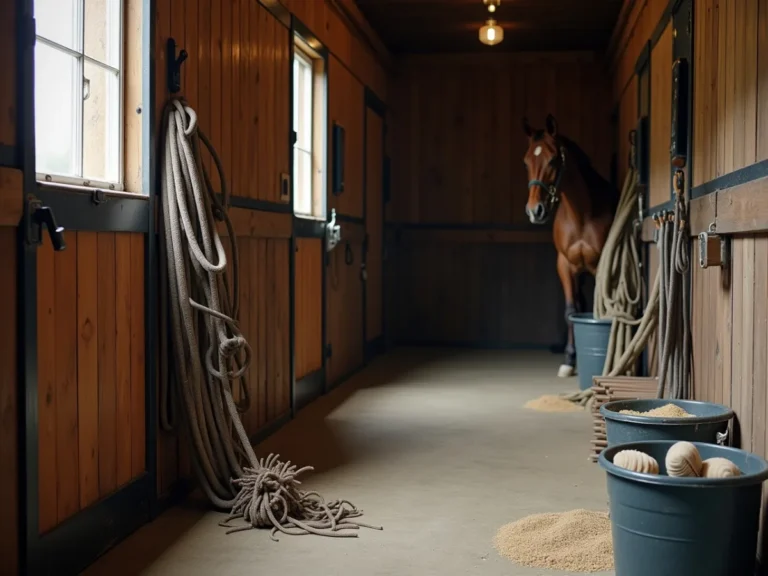
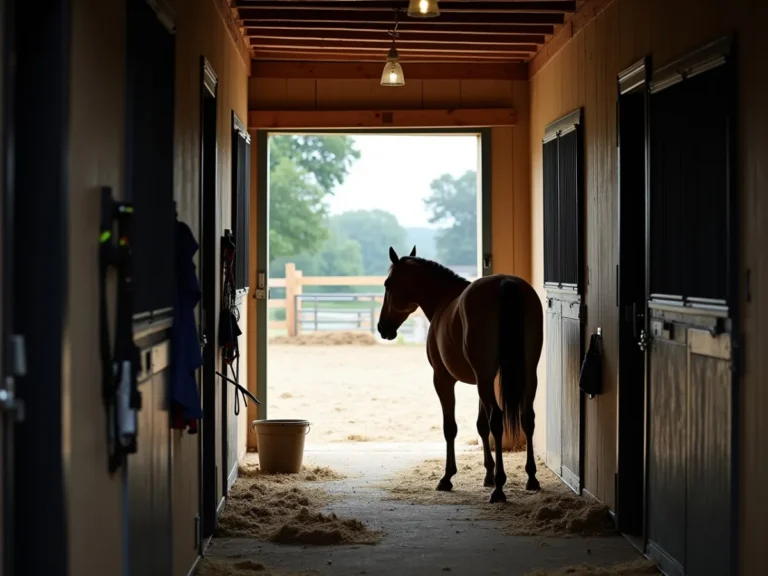
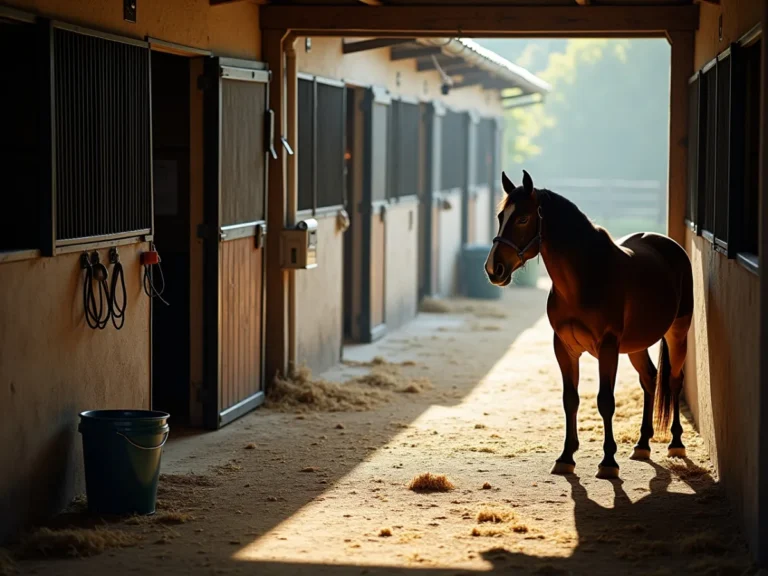
The setting matters almost as much as the person. A horse may behave differently in the stable than in the field, differently in a quiet barn than during feeding time, and differently in a familiar arena than on the trailer ramp. In a calm environment, the horse has more space to focus on the person. In a busy one, the horse may react more strongly because its attention is already divided.
Noise, movement, smells, and routines can all shape behavior. A horse that is relaxed with one person during a quiet morning grooming session may become more guarded if the same person approaches during storms, turnout changes, or a crowded lesson schedule. The person is not necessarily the only factor. The environment can amplify the horse’s response.
Even physical layout matters. Narrow aisles, slippery footing, poor visibility, or confined spaces can make a horse less willing to cooperate. In those conditions, a cautious horse may appear to dislike a particular person when it is really responding to the setting. Good observers separate the person from the surroundings before drawing conclusions.
Routine can either support trust or chip away at it. A horse that knows what happens next often stays more settled. A horse that never knows when someone will appear, what tools they will bring, or how long the interaction will last may become more reactive overall. That can show up as different behavior toward different people simply because each person brings a different rhythm.
Why the Same Horse May Change Over Time
Reactions are not fixed forever. A horse that was once wary of a person may soften with repeated fair handling. A horse that used to be easy may become guarded if a person’s style changes, if the horse has discomfort, or if a stressful period alters its expectations. This is why long-term observation matters.
Young horses often show stronger differences because they are still learning how people work. They may trust one handler quickly and remain suspicious of another. Their reactions can be bolder, less polished, and easier to read. Mature horses often appear more controlled, but that does not mean they feel the same way about every person. They may simply hide the reaction better.
Experienced horses sometimes become efficient readers of humans. They can identify a person who is likely to ask for balanced, calm work and respond accordingly. They can also recognize a handler who is careless or insecure. With age, many horses become less dramatic but more selective. They may not waste energy reacting unless they feel there is a reason.
Physical comfort also changes the picture. A horse that suddenly begins reacting differently to a person may be dealing with soreness, dental issues, tack discomfort, or another body problem. When behavior shifts, it is worth looking beyond personality. The reaction may have more to do with what the horse feels than with who is standing nearby.
A change in response is often more meaningful than a single difficult moment. Patterns over time usually tell the real story.
When Differences Become Most Noticeable
Some situations bring out the contrast more sharply than others. Veterinary visits are one. A horse that tolerates familiar handling may become suspicious of a new person carrying unfamiliar tools. Farrier work is another. If the horse already expects pressure or discomfort in the feet, it may show stronger reactions depending on who is holding the leg and how they handle it.
Feeding times can also influence behavior. A horse that is easy to handle in the morning may become impatient later in the day, and that impatience can vary from one person to another. If one caretaker is quick and consistent while another lingers or moves unpredictably, the horse may respond very differently even though both are trying to help.
Transport often makes the difference obvious. Loading into a trailer can reveal who the horse trusts to guide it forward and who makes it hesitate. In transport situations, the horse is already under some level of stress, so the slightest difference in human approach becomes more important.
Even after a good relationship has been built, horses can remain selective. They may still prefer one person’s approach over another’s. That does not always mean a problem exists. Sometimes it simply means the horse has learned who feels easiest to be around.
Reading the Behavior Without Overreacting
It is easy to assign a human meaning to a horse’s behavior. People may say the horse is being stubborn, rude, jealous, or difficult. Those labels usually oversimplify what is happening. A horse is more likely expressing comfort, caution, habit, or confusion than making a social judgment in the human sense.
The better question is often: what changed? Did the person’s handling become faster? Did the horse feel pain? Is the environment busier? Was the request unclear? Is the horse reacting more strongly only in one location or around one activity? Looking at these questions can turn a vague problem into something concrete.
Observation should stay practical. If a horse shows a mild preference for one person, that is useful information about rapport. If the horse becomes defensive, worried, or hard to handle with someone specific, the behavior deserves more attention. It may be a sign that the horse needs a different approach, a slower introduction, or a check for physical discomfort.
Understanding these reactions does not mean excusing every behavior. It means reading them correctly. Horses communicate through consistency and detail. When those details are noticed, the differences between people become easier to understand, and daily care becomes smoother for everyone involved.
Sometimes the horse is telling you that one person feels safe, while another feels uncertain. Sometimes it is saying that the environment is too noisy, the task is too rushed, or the body hurts. And sometimes it is saying all of those things at once. The answer is usually in the pattern, not in a single moment.