A horse that suddenly changes pace rarely does it for no reason. One moment the rhythm feels steady, and the next the horse is slowing, quickening, hesitating, or surging forward in a way that seems out of place. That shift can be mild or dramatic, but it usually tells you something about comfort, attention, or confidence in the moment.
In daily handling, these changes can show up while leading, riding, lunging, turning out, or even walking from one part of the property to another. The behavior may look simple on the surface. In practice, it often sits at the intersection of body language, environment, and what the horse is feeling inside.
Unexpected pace changes are especially important because horses are creatures of habit. When the rhythm breaks, there is usually a reason. Sometimes the reason is physical. Sometimes it is emotional. Sometimes it is as ordinary as a distraction in the environment.
Why sudden changes in pace happen
Horses usually prefer a predictable rhythm. When that rhythm shifts, it can reflect anything from mild curiosity to real discomfort. A horse may speed up because something caught its attention, or slow down because it is unsure about the footing ahead. Neither response is unusual on its own. The meaning comes from the full picture.
A pace change often appears when the horse has to process more than one thing at once. A new sound, a different surface, a tighter rein feel, a nearby animal, or a change in routine can all affect how the horse moves. The pace itself is only the visible part. The reason is often deeper.
Sudden changes in pace are not a diagnosis. They are a signal to look for context: body tension, environment, pain, focus, and consistency over time.
How it can look in everyday handling
Unexpected pace changes do not always appear as a dramatic bolt or stop. More often, they show up in quieter ways. A horse that was walking calmly may begin to drag behind, then step forward sharply after a pause. Another horse may start a ride in a relaxed trot and then repeatedly surge ahead on the same corner or in the same lane.
These moments matter because they help distinguish a one-time reaction from a pattern. A single speed change near a noisy gate is different from repeated fluctuations on every ride. The first may be a reaction to a passing distraction. The second may point to an ongoing issue in comfort, balance, or confidence.
Common forms of pace change
- Quickening after a sound, movement, or scent
- Slowing down when entering a new area
- Speed changes on curves, hills, or uneven ground
- Repeated acceleration and braking under saddle
- Rushing toward or away from a familiar place
- Hesitating before stepping onto certain footing
These patterns can look similar, but they do not mean the same thing. A horse that hurries toward the barn may be eager. A horse that hurries away from a particular corner may be worried. The direction of the change matters, but so does what happens before and after it.
What internal reasons may be behind the change
Some pace changes start inside the horse rather than in the environment. Discomfort is one of the most common internal reasons. Soreness in the back, hocks, feet, mouth, or shoulders can make it difficult to maintain a steady rhythm. The horse may alter pace to avoid pressure, shift weight, or find a more comfortable gait.
Fatigue can do the same thing. A tired horse may drift in pace because holding a consistent rhythm requires more effort than usual. If the horse is mentally tired, the change may appear as dullness, resistance, or sudden sluggishness. If the horse is physically tired, the pace may become uneven or sloppy.
Stress and anticipation can also play a role. A horse that expects work, separation, feeding, trailer movement, or turnout changes may begin to move differently before anything actually happens. The body prepares first. The pace changes follow.
Internal factors that often matter
- Muscle soreness or joint discomfort
- Hoof sensitivity or bruising
- Dental pain that affects contact and head carriage
- Fatigue from work, weather, or travel
- Anxiety around routines or separation
- Overexcitement linked to feeding, turnout, or riding expectations
When internal causes are present, the pace change tends to repeat under similar conditions. That repetition is useful. It suggests the behavior is tied to something predictable rather than random.
If pace changes appear often and in the same situations, the pattern deserves attention. Repetition usually means the horse is responding to something consistent.
How the environment affects the rhythm
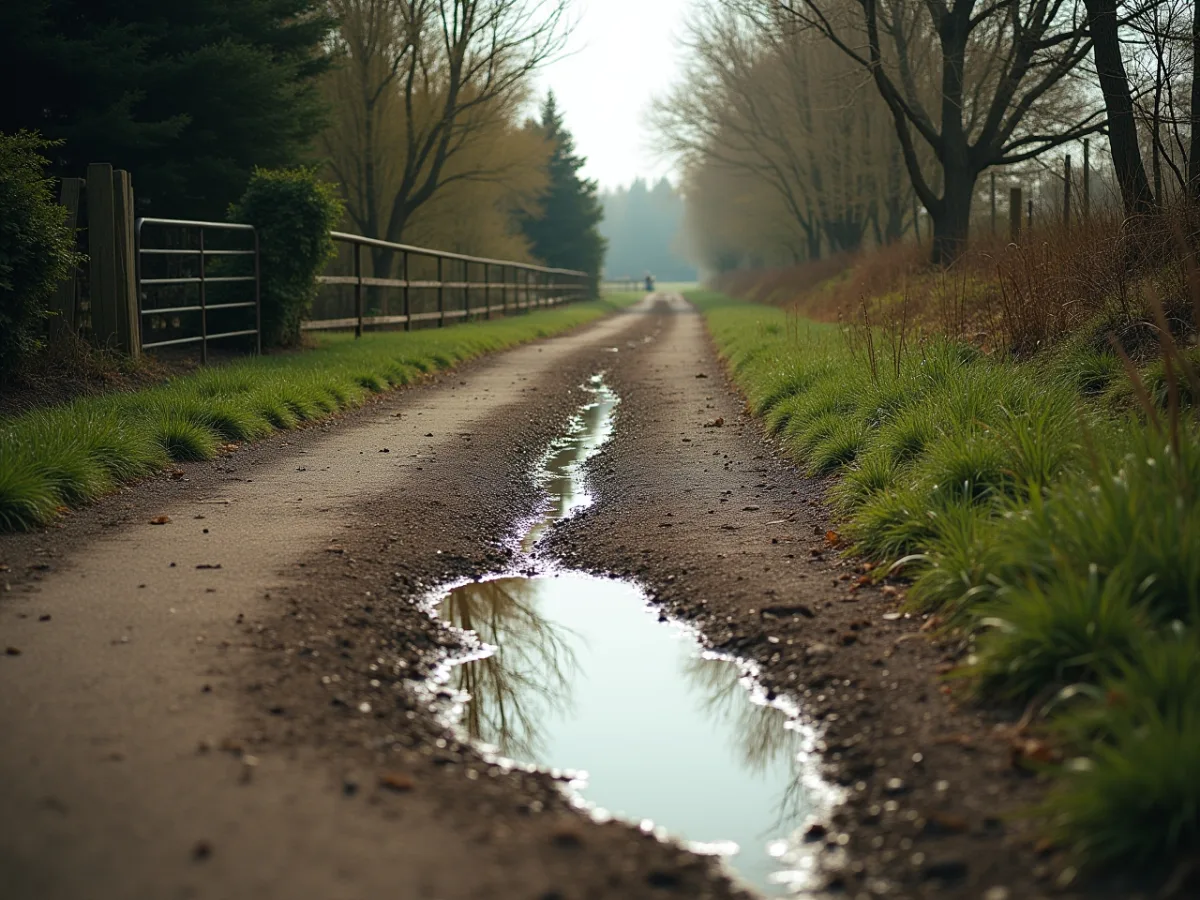
Horses notice details that people overlook. A puddle, a patch of gravel, a rustling tarp, a vehicle in the distance, or even a shift in wind can change how a horse moves. Some horses ignore these things. Others adjust pace immediately. The difference usually comes down to temperament, experience, and trust in the surroundings.
In a stable setting, pace changes may happen near doors, narrow aisles, feed rooms, or cross-ties. In a pasture, the horse may speed up when a herd mate moves away or slow down when approaching a gate. Under saddle, the same horse may move calmly in one arena and become inconsistent in another because the new setting feels less predictable.
The environment does not have to be loud to matter. Small changes can be enough. A horse that has learned to associate a place with pressure, discomfort, or isolation may alter pace long before any obvious problem appears.
Environmental triggers that can affect pace
- Unfamiliar footing or slippery ground
- Noise from equipment, traffic, or weather
- Visual distractions such as flags, shadows, or moving animals
- Changes in herd location or stable routine
- Tight spaces, corners, or narrow entrances
- Objects near the path that the horse has not seen before
Some horses are clearly startled by a new stimulus. Others react more quietly, by drifting in pace or changing direction of energy. That quieter response is easy to miss if the horse is still moving forward.
What pace changes may say about the horse’s state
A sudden change in speed can point to several different states at once. A horse that slows down may be unsure, distracted, sore, or simply waiting for the next cue. A horse that speeds up may be tense, eager, uncomfortable, or reacting to pressure. The movement itself does not tell the whole story. The horse’s posture and expression fill in the missing pieces.
Look at the ears, neck, mouth, tail, and stride. A horse that changes pace but keeps a soft eye and loose body is usually responding to something small. A horse that changes pace with a rigid neck, tight tail, or braced steps may be under more strain. The same speed change means something very different in those two situations.
Signals that help interpret the pace
- Ears fixed forward or flicking back and forth
- Shortened or lengthened stride
- Tight mouth, jaw, or poll
- Raised head or hollow back
- Tail clamping or swishing
- Uneven stepping or reluctance to track straight
It helps to think of pace as part of a larger conversation. A horse rarely changes speed alone. The whole body usually speaks at the same time, even if the signs are subtle.
Calm changes versus reactive changes
Not every shift in pace means trouble. Some horses naturally adjust rhythm in a smooth, controlled way. They may slow a little before a turn, then pick up again once they have balanced themselves. This can be normal, especially in young or learning horses. Controlled adjustments usually look fluid rather than abrupt.
Reactive changes feel different. The horse may rush, brace, stop short, or surge forward without much transition. These changes are often tied to surprise, pressure, or tension. They can also show up when the horse is mentally overloaded and has trouble processing the situation at a comfortable speed.
| Type of pace change | What it often looks like | Possible meaning |
|---|---|---|
| Calm adjustment | Gradual slowing or quickening | Balance, curiosity, or mild response to terrain |
| Reactive shift | Sudden rush, stop, or surge | Stress, surprise, discomfort, or evasion |
| Repeated fluctuation | Back-and-forth speed changes | Uncertainty, pain, or inconsistent confidence |
Reading the difference takes patience. A single sharp step does not always mean a horse is distressed. Repeated sharp changes, especially in the same place, are more meaningful.
How routine shapes pace over time
Routine matters more than many people realize. Horses often learn when to expect turnout, feed, work, rest, and social contact. When that routine changes, the pace may change too. Some horses become quick and restless. Others become dull and slow. The direction depends on how the horse responds to uncertainty.
A horse with a strong attachment to routine may show pace changes before the routine actually shifts. For example, a delay in feeding can create pacing, impatience, or increased walk speed near the barn. A change in turnout order may lead to slower steps, hesitation, or alert movement toward the field gate.
Over time, consistent patterns become easier to recognize. If the horse is always more reactive after several days off, that may suggest the body or mind needs a gentler return to work. If pace changes happen after the same type of handling, the handling itself may be part of the trigger.
Patterns worth noticing
- Changes that happen at the same time of day
- Shifts that appear with a specific person or handling style
- Speed changes after rest days or intense work days
- Reactions that occur only in one location
- Differences between solo movement and herd movement
Consistency matters because it separates chance from cause. A horse that changes pace every time the arena gate opens is sending a clearer message than a horse that changes pace once during a windy afternoon.
Long-term patterns are often more useful than isolated moments. One event may be a coincidence. Three similar events usually are not.
Different situations, different meanings
The same pace change can mean very different things depending on where it happens. In the pasture, quickening may be linked to herd movement or excitement. In the stable aisle, it may reflect impatience or tension. Under saddle, it may show balance issues, anticipation, or discomfort with the work being asked.
Transport is another common place where pace changes appear. Some horses step faster as they approach a trailer because they want to reach a familiar destination. Others slow down or hesitate because the trailer feels confined or unfamiliar. The change in rhythm often reveals the horse’s level of confidence before the horse has fully committed to the next step.
Where pace changes may show up
- Stable: impatience, anticipation, or discomfort in tight spaces
- Pasture: herd influence, alertness, or social tension
- Riding arena: balance, distraction, or response to cues
- Trail: uncertainty about footing, obstacles, or surroundings
- Transport: hesitation, excitement, or trailer-related stress
Each setting changes the meaning. That is why it helps to record where the behavior happened, what came before it, and whether the horse returned to normal quickly or stayed irregular.
When a pace change is more than a moment
Some changes in pace are brief and harmless. Others point to something worth checking. If the horse keeps changing speed without an obvious reason, or if the change always comes with tension, resistance, or unevenness, it may be time to look deeper. The issue could be physical, emotional, or both.
A horse that seems fine at one gait but inconsistent at another may be compensating. A horse that slows at the same point on every circle may be avoiding discomfort. A horse that becomes increasingly erratic as work continues may be showing fatigue or frustration. These patterns do not need to become dramatic before they matter.
Attention to pace is useful because it often changes before larger signs appear. A horse may not pin its ears, refuse work, or show obvious lameness right away. The rhythm may shift first. That is often the earliest clue.
What owners can learn from careful observation
When you pay attention to pace, you learn how your horse responds to ordinary life. Some horses are naturally steady and only shift when something significant happens. Others are more sensitive and adjust rhythm with every small change in the environment. Neither type is better. They simply communicate differently.
The most helpful habit is to notice the shape of the change. Did the horse speed up once and return to normal, or did the pace stay uneven? Did the horse slow down near a noisy object, or did the slowdown happen across the whole ride? Was the change paired with tight muscles, high head carriage, or a distracted expression?
Answers to those questions tell a clearer story than the pace alone. They reveal whether the horse is relaxed, uncertain, uncomfortable, or reacting to a specific trigger. Over time, those patterns make daily care easier to read and respond to.
A horse’s pace is often a practical clue, not a mystery. The rhythm changes for a reason, and that reason usually becomes clearer when you look at the horse, the setting, and the pattern together.
Closing thought
Unexpected changes in pace are one of the clearest ways a horse shows that something has shifted. The change may come from the body, the mind, the environment, or the relationship between all three. Some changes pass quickly. Others repeat in ways that deserve closer attention.
What matters most is not the speed itself, but the context around it. Once you start noticing when the rhythm changes and what else changes with it, the horse’s behavior becomes much easier to understand.