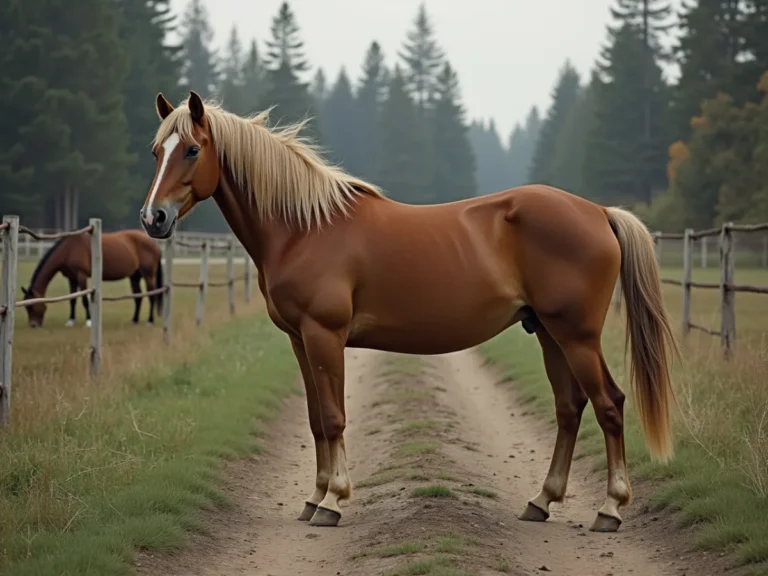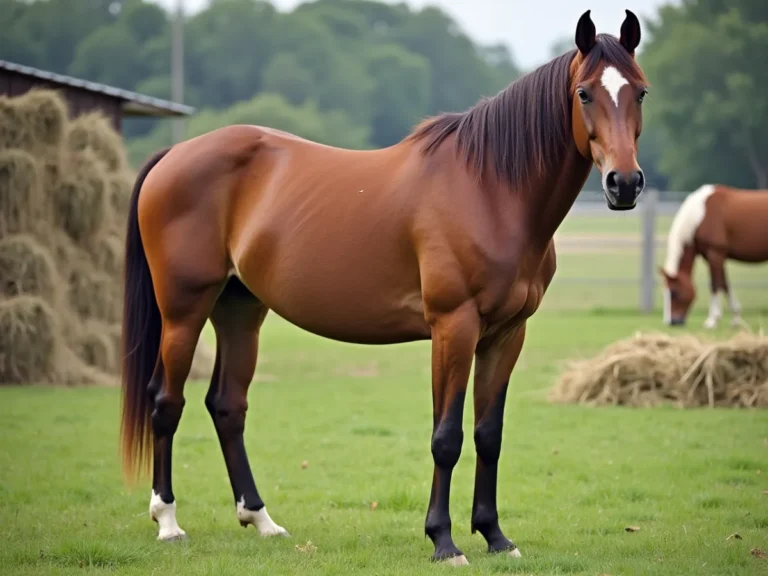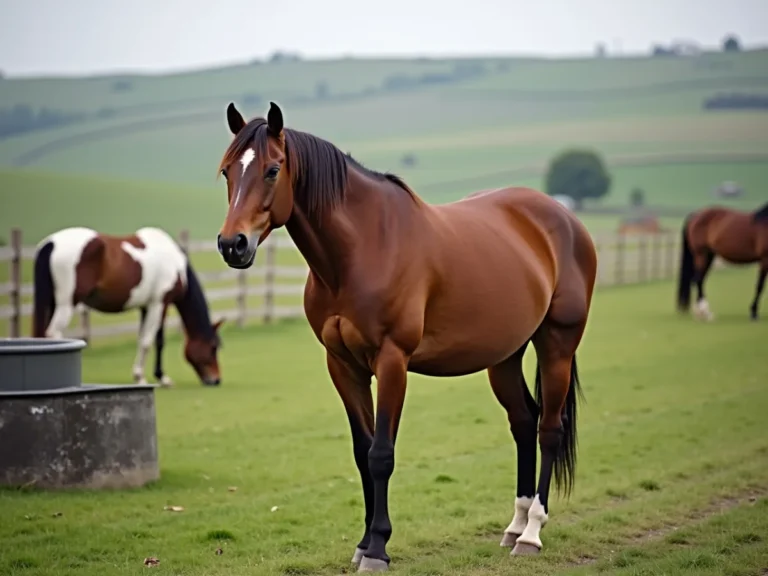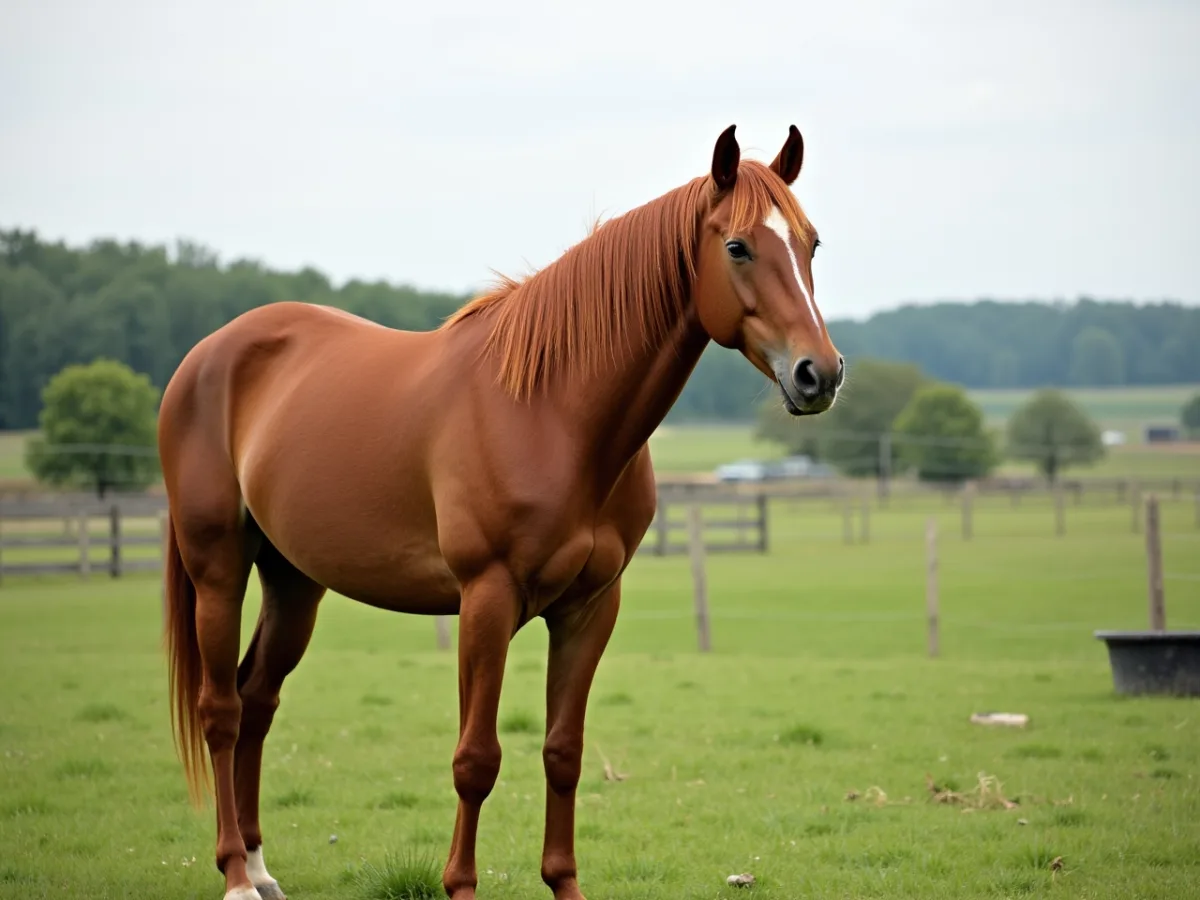
Horses spend a lot of time watching the world around them. A sudden sound, a moving shadow, a change in herd distance, or a new object in the arena can all pull their attention. What looks like simple staring is often a layered response built from instinct, memory, and the horse’s current state of comfort.
Observation patterns in horses are easier to understand when you look at the full picture. Ears, neck position, weight shift, breathing, and movement all matter. A horse that quietly watches a trailer is not sending the same message as one that freezes with a tight body and wide eyes. The details change the meaning.
In daily life, these patterns show up in the stall, on turnout, during grooming, while riding, and when a horse is asked to deal with something unfamiliar. Some horses become observant because they are curious. Others are checking for safety. A few are telling you they feel uneasy and want more space before they decide what to do next.
Why horses watch so closely
Horses are prey animals, so paying attention is part of how they stay safe. Their survival has always depended on noticing small changes early. That is why a horse may fixate on a fence post that moved slightly, a bucket in a new place, or a bird flapping in the corner of the field.
This constant awareness does not always mean fear. Sometimes it is just normal horse behavior. Many horses scan their surroundings in a steady, calm way. They are checking the environment, reading herd mates, and deciding whether something needs a response.
Observation can also reflect habit. Horses learn what parts of their world matter. A horse that has had a lot of routine handling may watch a person more than the objects around them. Another horse may focus on the gate because that is where turnout, feed, or other horses usually appear.
When a horse is observing, the key question is not just “What is it looking at?” but “How is the rest of the body behaving?”
What calm observation looks like
Calm observation has a loose, organized quality. The horse may stand still or take a few slow steps while watching. The neck stays soft, the nostrils are relaxed, and the body does not look braced. Ears may flick back and forth as the horse keeps track of both the object and the environment.
This kind of watching is common in pasture settings. A horse may look toward a new sound, then go back to grazing. That brief pause is normal. It shows awareness without escalation.
In handling, calm observation often appears as a horse quietly watching a person move around the stall or tack area. The horse is taking in information. It may blink, shift weight, or lower the head after a moment. These are signs the horse is processing rather than preparing to bolt or resist.
Common signs of calm observation
- Loose, even breathing
- Soft eyes without a hard stare
- Ears moving gently instead of pinned or locked
- Quiet feet or slow repositioning
- Neck carried naturally, not rigidly
How alertness can change into caution
Observation can move from calm to cautious very quickly. A horse may first look at an object with mild curiosity, then tighten slightly if the object changes shape, sound, or distance. This happens a lot with things that move unexpectedly, such as plastic bags, tarps, machinery, or a person carrying an unusual item.
Cautious observation often includes longer staring, raised head carriage, and a body that becomes more fixed. The horse may plant its feet and stop chewing. Sometimes the tail tightens. The horse is still watching, but now it is also preparing for a possible reaction.
Not every cautious horse wants to flee. Some prefer to assess from a distance before deciding whether to approach. If forced too quickly, they may become sharper or more difficult. Giving a cautious horse a moment can prevent the reaction from growing bigger than it needs to be.
Where observation patterns show up most often
In the stable
Stalls make horses more aware of movement around them because space is limited. A horse may stand at the door and watch every pass in the aisle. Feed times, neighboring horses, unfamiliar sounds, and changes in routine can all draw attention.
Some horses appear especially observant in the stable because they have less to do. If they are bored, stressed, or simply waiting for the next event, they may monitor the environment closely. That does not always mean something is wrong, but it can signal that the horse is relying on the barn for stimulation and routine.
In the pasture
Turnout often reveals the most natural observation patterns. Horses watch herd members, follow movement at the fence line, and react to changes in the group. A horse may stand facing the herd even while resting, keeping track of social space and potential movement.
Pasture watching also becomes obvious when a horse spots something outside the field. Deer, dogs, equipment, and unfamiliar vehicles can quickly become focal points. Most horses assess first, then return to normal behavior once they decide the change is harmless.
During riding
Under saddle, observation shows up as a horse looking at the arena corner, the gate, a banner, a puddle, or a trail object. The horse may shorten stride, lift the head, or drift toward or away from the stimulus. These are not random choices. They often reflect the horse trying to process information while balancing the rider’s request.
Some horses only glance. Others need more time. When a horse becomes overly fixed on something while ridden, it may be less able to listen, bend, or soften. That is often a sign the horse’s attention has shifted from work to environment.
During transport
Trailers and new travel routes can create intense observation behavior. Horses may look out windows, brace through the body, or hold still while listening closely. The combination of motion, noise, confinement, and separation from familiar surroundings makes transport a major test of attention.
A horse that watches steadily during transport may simply be gathering information. A horse that looks outward while trembling, sweating, or leaning may be saying the situation is more than it can comfortably manage. The difference matters.
What the horse may be signaling inside
Observation patterns often reflect one of several inner states: curiosity, caution, stress, boredom, or social monitoring. The same outward behavior can belong to more than one state, so context is essential. A horse watching a gate at feed time is not the same as a horse staring at the same gate after a scary noise.
Curiosity usually comes with looser body language. The horse may stretch the neck, blink, and move in for a better look. The horse wants more information and does not appear trapped by the sight or sound.
Stress-related observation tends to be sharper. The horse may fixate, snort, or hold the body tight. Instead of processing, the horse may seem stuck. Repeated scanning without relaxation can also suggest that the horse is not settling into the environment.
A horse that keeps watching the same object is not necessarily disobedient or dramatic. It may simply not feel ready to let the object go yet.
Subtle signals that help interpret observation
One of the most useful skills in horse care is learning to read the small details that accompany watching. A horse rarely gives only one signal. The ears, eyes, mouth, head, back, and feet all contribute to the message.
Soft observation often includes a loose lower lip, regular blinking, and a body that can shift without resistance. The horse may glance away and then return to normal activity. This pattern suggests the nervous system is engaged but not overwhelmed.
When the horse is more concerned, the signals become less fluid. The neck may rise, the jaw may tighten, and the horse may take shallow breaths. Sometimes the front feet stay planted while the back end looks ready to move. That contrast is worth noticing.
Helpful details to watch
- Head height compared with the horse’s normal posture
- Whether the horse can eat, chew, or lick and chew
- How fast the ears are moving
- Whether the horse can step away from the object
- How quickly the horse returns to baseline behavior
How the environment shapes what you see
The same horse may look very different depending on the setting. A confident horse in a familiar pasture may become highly watchful in a crowded show barn. A horse that seems anxious in an indoor arena may relax on a trail where movement feels less boxed in. Environment changes the horse’s sense of control.
Noise is a big factor. Sharp sounds, echoing buildings, wind through metal roofs, barking dogs, and new voices can all increase observation. Visual clutter matters too. Horses often react more strongly when they cannot fully understand what is in front of them.
Routine also shapes observation. Horses know when feed is late, turnout is early, or a favorite handler is missing. They notice these changes before people do. A horse that suddenly watches the hallway each morning may be responding to a predictable event that has shifted slightly.
How herd behavior affects watching
Many observation patterns are social. Horses watch each other constantly. One horse’s alert posture can spread through the group within seconds. This herd sensitivity is useful in the wild and still very active in domestic settings.
If one horse becomes tense at the fence line, nearby horses may lift their heads and look in the same direction. They are not copying blindly. They are gathering social information. Herd members often rely on each other to notice danger earlier than they might on their own.
This is why a horse that seems calm alone may become more reactive in a group. Another horse’s alertness can amplify its own. On the other hand, a steady companion can help a nervous horse settle by modeling normal behavior.
What different observation patterns may mean
| Behavior | Body language | Possible meaning |
|---|---|---|
| Brief glance | Loose posture, easy breathing | Normal awareness or light curiosity |
| Fixed stare | Raised head, still body | Caution, concern, or intense processing |
| Repeated scanning | Head and ears moving often | Searching for information, uncertainty |
| Watching while chewing | Relaxed mouth, soft steps | Attention without stress |
| Watching with tension | Braced muscles, tight breathing | Possible fear or overstimulation |
When observation turns into avoidance or defensive behavior
Sometimes watching is the step before moving away. A horse may observe, decide the situation is not safe, and then sidestep, spin, rush, or refuse. The observation phase gives the horse time to collect information, but if the answer is still “no,” the body may act fast.
Defensive observation tends to have a different quality than relaxed looking. The horse may keep the object in view while maintaining distance. It may angle the body so it can leave quickly. In riding, this can appear as drifting, quickening, or avoiding a corner or trail feature.
These patterns are often misunderstood as stubbornness. In many cases, the horse is simply trying to stay in control of its comfort level. The response becomes easier to manage when the horse is given time to look, assess, and then move on without pressure that feels too abrupt.
Why some horses are more observant than others
Individual temperament plays a large role. Some horses are naturally bold and spend less time inspecting new things. Others are careful by nature and prefer to watch before they act. Both can be normal.
Past experience matters too. A horse that has had repeated exposure to trailers, grooming equipment, arena objects, and different surfaces may settle faster because the world feels more familiar. A horse with limited exposure may need longer to process simple changes.
Breed tendencies, age, and life stage can shape what you see, but they do not decide everything. A young horse may be intensely observant because everything is new. An older horse may become more selective, paying attention only when something truly changes.
How owners can read observation without overreacting
The safest approach is to slow down and compare the horse’s current behavior with its normal baseline. Is the horse simply looking, or is it locked onto something with tension? Is the attention brief, or does it keep returning to the same spot with rising concern?
It helps to avoid assuming that every stare means fear. Some horses are just deliberate. Others are trying to understand a new cue, object, or sound. At the same time, do not ignore body tension just because the horse is still. Quiet does not always equal calm.
Give the horse room to observe when possible. For many horses, the chance to stand, look, and process reduces the need for a bigger reaction. Rushing the interaction can sometimes create the problem that observation was trying to prevent.
Useful interpretation begins with comparison: look at what is different from the horse’s normal way of standing, breathing, and moving.
Longer-term patterns that are worth noticing
Single moments matter, but repeated patterns reveal more. A horse that watches every new object briefly is often showing healthy awareness. A horse that stays on alert for long stretches, rarely softens, and seems unable to disengage may be carrying ongoing stress.
Changes over time are especially important. If a horse becomes more watchful in the stable than before, checks the gate constantly, or reacts more strongly to ordinary sounds, there may be a management issue, pain, or schedule change contributing to the behavior. Observation patterns often shift when the horse’s overall comfort changes.
Consistency is also meaningful. Some horses always inspect certain places, like the far end of an arena or one corner of the barn. That consistency tells you where the horse feels least certain. Over time, those spots often become easier if the horse is allowed to build familiarity without pressure.
Natural ways observation resolves
Most healthy observation patterns have an end point. The horse looks, thinks, and then returns to grazing, walking, resting, or work. That return to normal behavior is a good sign. It means the horse has integrated the information and does not feel the need to stay locked in.
Some horses resolve quickly. Others need more time. Neither one is automatically better. What matters is whether the horse can complete the cycle from attention to release. A horse that never seems to let go may be carrying too much tension in that environment.
Over time, familiar places usually require less effort. The horse learns the stable sounds, the way people move, the shape of the arena, and the rhythm of daily life. Observation then becomes lighter and less dramatic, more like routine awareness than active concern.
That shift is easy to miss because it happens gradually. One day a horse stops staring at the same corner, takes a breath, and continues on. Nothing dramatic happens. The horse simply decides it has enough information and moves on.