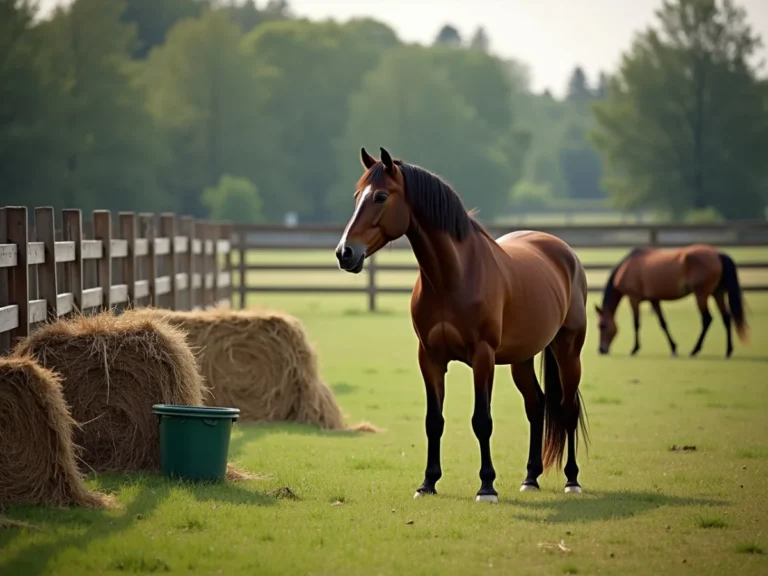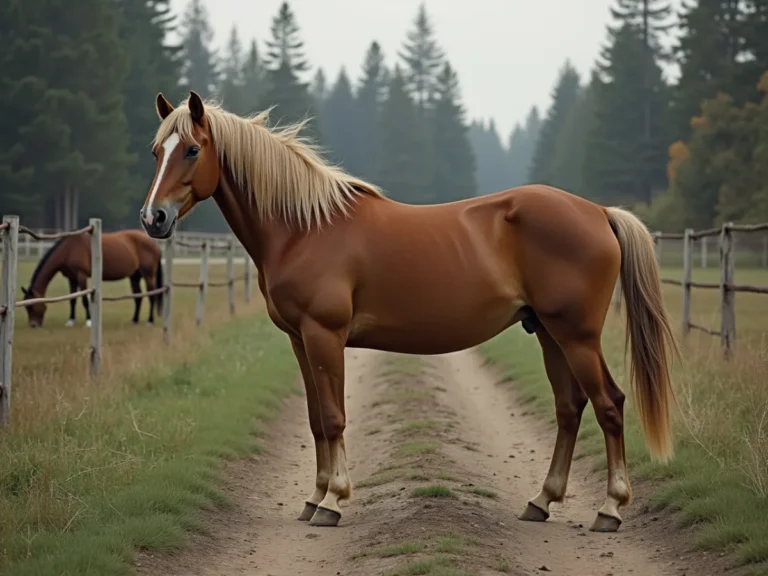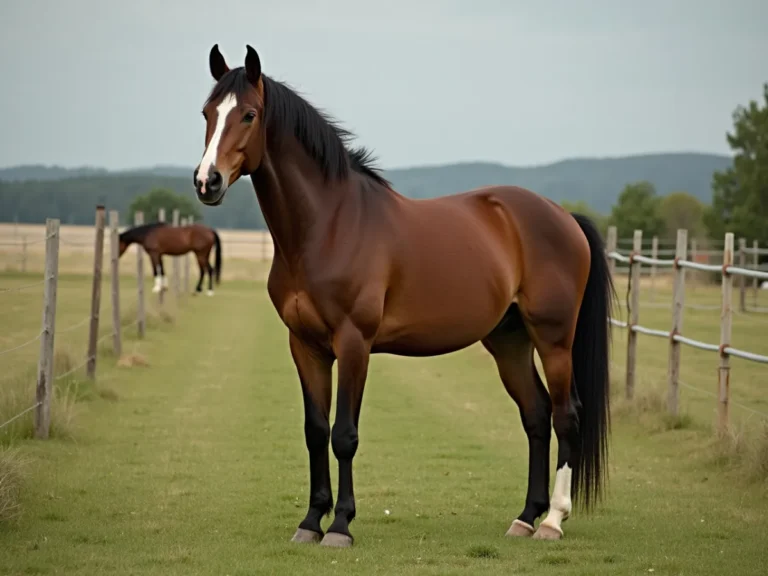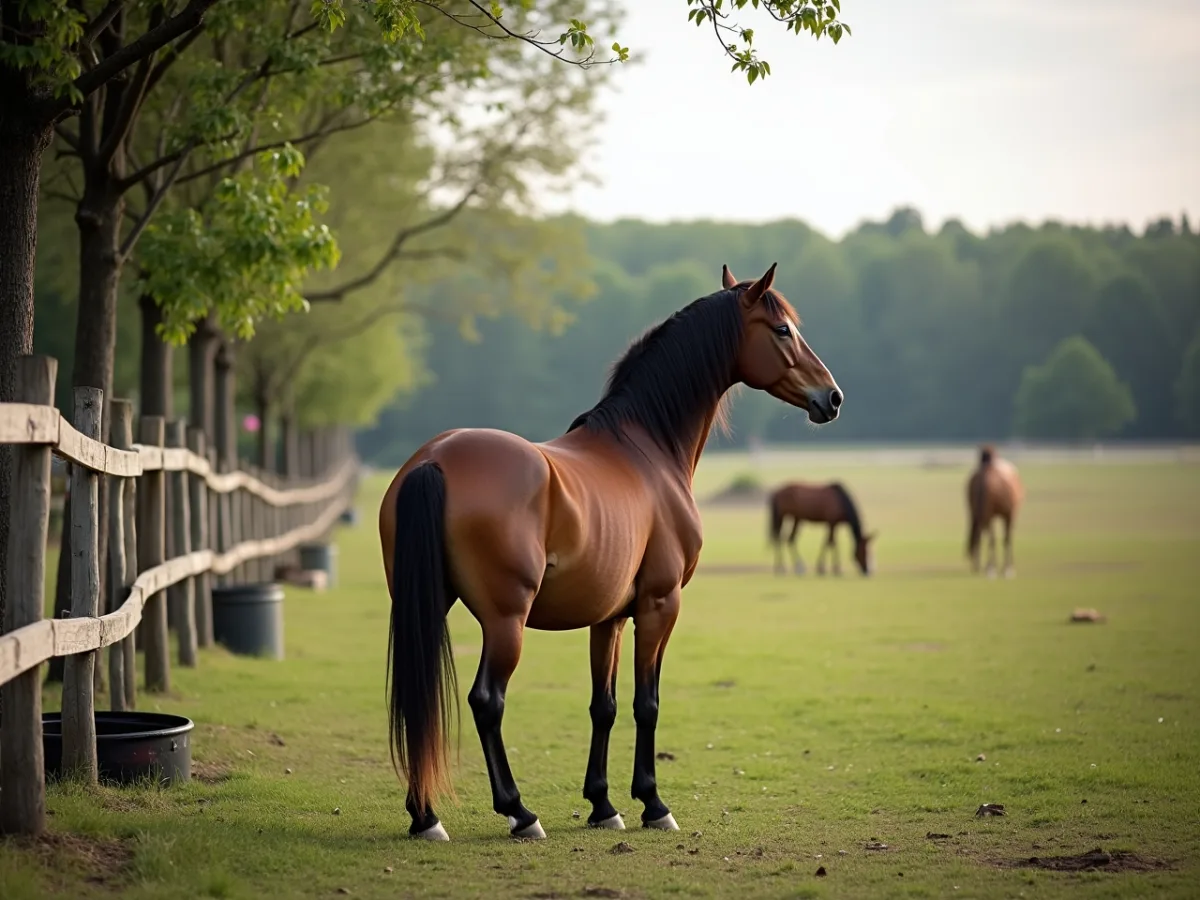
Horses rarely miss much. A small rustle in the grass, a shift in footing, a new scent blowing across the paddock, or a vehicle stopping near the barn can change their whole expression in seconds. Their attention moves fast, and their bodies often show that change before they do anything else.
That alertness is not random. It is tied to how horses survive, how they read one another, and how they respond to the environments people place them in every day. A horse may look relaxed at first, then suddenly lift its head, lock an ear forward, and start scanning the distance. Those small changes can tell you a lot about what the horse is noticing and how it feels about it.
Many owners think of alertness as nervousness, but that is only part of the picture. A horse can be attentive without being worried. In fact, a sensible level of awareness is normal, useful, and often a sign that the horse is engaged with its surroundings.
Instinct Comes First
Horses are prey animals, and that shapes nearly everything about how they pay attention. Their natural survival strategy depends on noticing movement, sound, smell, and changes in the herd or landscape as quickly as possible. A horse that fails to notice a threat does not last long in the wild.
Because of that background, horses tend to stay tuned in even when they appear calm. They do not “switch off” the way a sleepy dog curled on a couch might. They rest, graze, and relax, but part of their awareness stays open to the environment.
A horse’s alertness is often less about fear and more about information gathering. The animal is constantly checking: Is this safe? Is anything different? Is the herd calm?
This instinct shows up in small, everyday ways. A horse may keep one ear on a nearby sound while the rest of the body stays loose. It may glance toward a gate every time a person walks by. It may raise its head when another horse moves abruptly across the field. These reactions are often quick, efficient, and practical.
How Horses Show They Are Paying Attention
Horses use their whole bodies to signal awareness. Ears are usually the first thing people notice, but they are only one part of the picture. The eyes, neck, legs, breathing pattern, and even the tail can change when a horse becomes alert.
Common physical signs
- Ears pointed forward, sideways, or rapidly changing direction
- Head lifted higher than usual
- Eyes more open and focused
- Nostrils slightly flared when the horse is checking a scent
- Neck held with more tension or a longer, stretched outline
- Weight shifting onto the forehand or back onto the hind legs, depending on the situation
- Pausing movement to listen or watch
These signs do not all mean the same thing. A horse can raise its head because it heard something interesting, not because it is alarmed. A pair of ears locked forward may mean curiosity. A stiff body, tight mouth, and rapid scanning look very different from relaxed interest.
Reading the full picture matters. One signal on its own rarely tells the whole story.
Why the Environment Changes Everything
Horses stay alert to their surroundings because their surroundings are always changing. In a pasture, they notice the herd, the wind, wildlife, fences, and shifts in weather. In a barn, they respond to footsteps, door latches, machinery, feed carts, and changes in routine. Under saddle, they add the rider’s balance, rein pressure, arena sounds, and nearby movement to that list.
The same horse may act very differently in each place. A quiet gelding in a familiar paddock may become highly observant in a new show environment. Another horse may seem settled in the stall but become watchful as soon as trail traffic appears nearby. The setting shapes the level of attention.
Noise is not the only trigger. Horses also notice visual contrast, sudden motion, strange scents, and changes in surfaces. A shadow across the ground can catch their eye. A plastic bag moving in the wind can draw their full attention. Even a change in footing can make a horse pause and reassess.
When a horse becomes more alert, the environment is often giving it new information. The reaction is usually about noticing change, not about being “difficult.”
The Role of Herd Behavior
Horses do not experience the world alone. They constantly watch other horses, and herd behavior strongly affects how alert they appear. If one horse raises its head sharply, others often copy the response almost instantly. That shared awareness helps the group stay safe.
In a stable group, one horse may serve as a kind of emotional barometer. If that horse stays relaxed, others often follow. If it becomes uneasy, the rest may grow more watchful too. This social sensitivity is one reason horses seem to “pick up” on each other so quickly.
People sometimes see a horse looking tense and assume it is reacting only to the human nearby. In reality, it may also be responding to herd dynamics. A horse separated from companions may scan more often, call more, or keep its attention on the other horses instead of the handler.
That herd awareness can be comforting and useful. It also explains why some horses settle faster when they can still see or hear another horse close by.
What Alertness Looks Like in Different Settings
Horses do not stay alert in exactly the same way everywhere. Their level of attention changes with routine, comfort, and familiarity. A horse at home may be quietly aware with little visible tension. The same horse in transport may look more watchful, shift its feet often, or keep turning its head to check movement around the trailer.
In the pasture
Out in the field, alertness often appears as regular scanning. Horses lift their heads to check sounds at the fence line, observe other horses, and notice predators or unusual activity. A relaxed pasture horse may still react quickly if something interrupts the pattern of the day.
In the stable
Stall life can make horses more sensitive to small changes because they have less space to move away and investigate. They may watch the aisle, listen hard to nearby activity, or become more focused when feeding time approaches. A horse that seems restless in a stall may simply be trying to monitor everything it can hear outside the walls.
During riding or groundwork
Under saddle, horses must divide attention between their environment and the rider’s cues. A horse may stay soft and attentive while still noticing a dog barking at the edge of the arena. Some horses handle that split attention easily. Others become so focused on the outside stimulus that they temporarily lose connection with the rider.
During transport
Travel often heightens alertness because horses lose familiar reference points. They feel motion, hear new sounds, and smell unfamiliar surroundings. Many horses become extra observant during loading, unloading, and the first minutes after arrival.
| Setting | Common alert response | What it may mean |
|---|---|---|
| Pasture | Head up, ears rotating, visual scanning | Checking herd and distant changes |
| Stable | Watching aisle activity, listening hard | Reacting to limited space and routine changes |
| Riding | Brief startle, head lift, momentary distraction | Balancing rider cues with outside input |
| Transport | Neck tension, shifting stance, frequent head turns | Adjusting to motion and unfamiliar surroundings |
Calm Alertness vs. Reactive Alertness
Not all alert horses are stressed. A calm horse can be highly aware without becoming tense. The difference lies in how the awareness affects the rest of the body.
Calm alertness usually looks organized. The horse notices something, processes it, and either settles again or moves a little closer to investigate. The breathing stays even. The neck may lift, but it does not harden. The eyes stay clear rather than wide and fixed.
Reactive alertness looks more urgent. The horse may brace through the back, freeze, whirl, or surge forward. The response can happen before the horse has time to fully assess what it noticed. In those moments, alertness is no longer just awareness; it has become a defensive response.
Alertness becomes a concern when it is paired with tension, repeated startles, inability to settle, or a constant scanning pattern that never eases.
That distinction helps owners avoid overreacting to normal behavior. A horse that briefly looks toward a sound and then returns to grazing is not necessarily upset. A horse that keeps checking the same corner, with tight muscles and a rigid posture, may need more space, reassurance, or a closer look at what is bothering it.
Subtle Signals Owners Often Miss
The most useful information often comes from small changes rather than big reactions. Horses give many warning signs before they fully commit to a response. Learning those signs can make daily handling smoother and safer.
Early signs of increased alertness
- Chewing stops suddenly
- Grazing pauses mid-bite
- One ear begins tracking a sound
- Tail goes still
- Head turns only slightly toward a stimulus
- Muscles along the shoulder or loin tighten
- Breathing becomes shallower for a moment
These changes often happen in sequence. A horse hears something, then pauses chewing, then lifts its head, then watches more closely. By the time the horse steps backward or spooks, the alerting process has already been building for several seconds.
That is why experienced horse people watch for transitions. They notice when a horse shifts from soft to focused, or from focused to tense. The sooner those changes are seen, the easier it is to respond calmly.
How Horses Process Familiar and Unfamiliar Stimuli
A horse usually reacts differently to something it knows well versus something it cannot place. Familiar stimuli may still draw attention, but the horse tends to recover quickly. A regular feeding cart, a known handler, or the routine sound of a barn door may get a glance and little else.
Unfamiliar stimuli often produce stronger alertness. The horse may stare longer, move its body to get a better view, or follow the object with its ears and eyes. This is not always a sign of fear. Often it is the horse trying to collect enough information to decide whether the stimulus is safe.
Some horses are naturally more interested in new things. Others prefer predictability and respond strongly to any change at all. Both patterns can be normal. Breed, age, temperament, experience, and daily management all influence how quickly a horse settles after noticing something new.
Training, Experience, and Trust
Training changes how a horse handles alertness, but it does not erase it. A well-trained horse still notices its surroundings. The difference is often in how quickly it can refocus and how much support it needs from the handler or rider.
Experienced horses usually learn which cues deserve attention and which can be ignored. They may still glance at a bird taking off near the fence, but they do not need to react strongly. Young or inexperienced horses often have less filtering ability. Nearly everything gets processed as possibly important.
Trust also matters. Horses that feel safe with their environment and handlers often recover faster after noticing something unusual. They may still show curiosity, but the overall response is softer. Horses that expect surprises may remain more guarded and vigilant.
That is one reason consistency helps. Predictable handling, clear routines, and calm responses from people give horses less reason to stay on high alert all the time.
When Alertness Becomes More Noticeable
There are times when horses naturally become more watchful. A change in weather, new horses in the barn, an altered feeding schedule, extra activity nearby, or a move to a different location can all raise awareness. Even a familiar horse may seem suddenly more reactive when its routine shifts.
Fatigue can also affect alertness. A tired horse may look dull for a while and then startle more easily because it has less patience for processing stimuli. Pain or discomfort can change behavior too. A horse that feels physically off may stay braced, monitor its surroundings more, or react sharply when approached.
That is why it helps to look at alertness in context. One-off changes are often tied to environment or routine. Long-running changes may point to a deeper issue, especially if the horse cannot settle, eats poorly, or seems tense in many different settings.
Consistent alertness is not always a problem, but a sudden increase or a lasting change in behavior deserves attention to the horse’s environment, comfort, and health.
What Owners Can Learn from the Behavior
Horses that stay alert to their surroundings are doing what their bodies are designed to do. They are gathering information, comparing it to recent experience, and deciding what matters. In a quiet horse, that process may be subtle. In a nervous horse, it may be easy to see. In both cases, the same basic instinct is at work.
The most useful habit for owners is observation without rushing to label the behavior. A horse that looks up at a sudden sound may simply be attentive. A horse that keeps watching, tightening, and refusing to settle may be telling you the surroundings feel uncertain. Those are different messages, even if the outward signs look similar at first.
When people pay attention to those differences, handling becomes more thoughtful. The horse does not need to be forced into silence to seem “good.” It only needs enough understanding to stay balanced between awareness and ease.
That balance is what makes a horse look truly settled: head soft, ears mobile, body ready but not braced, and attention open without being consumed by every little change around it.