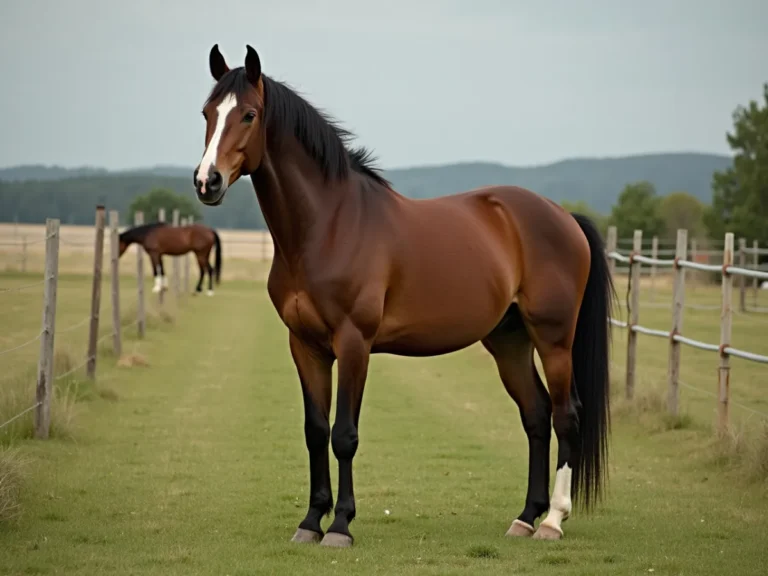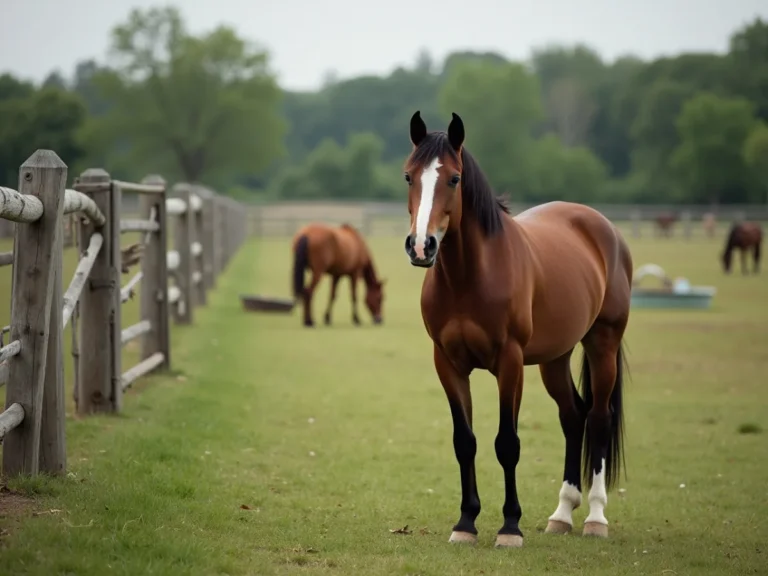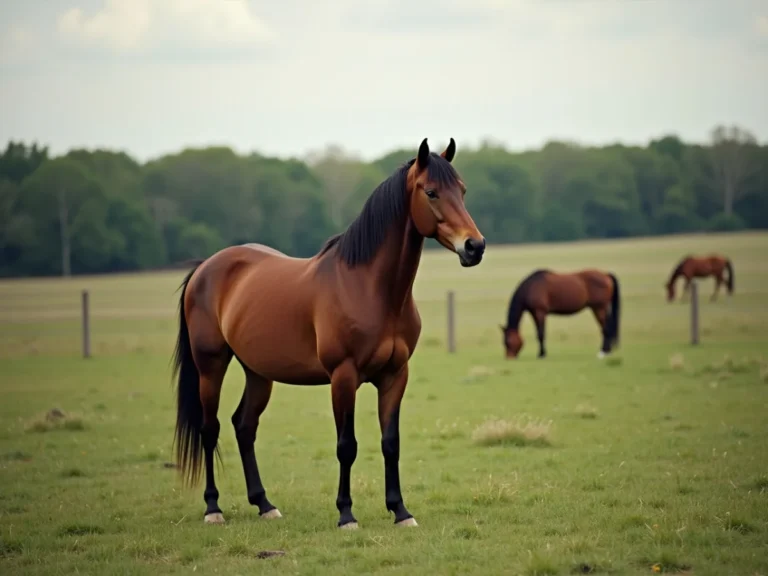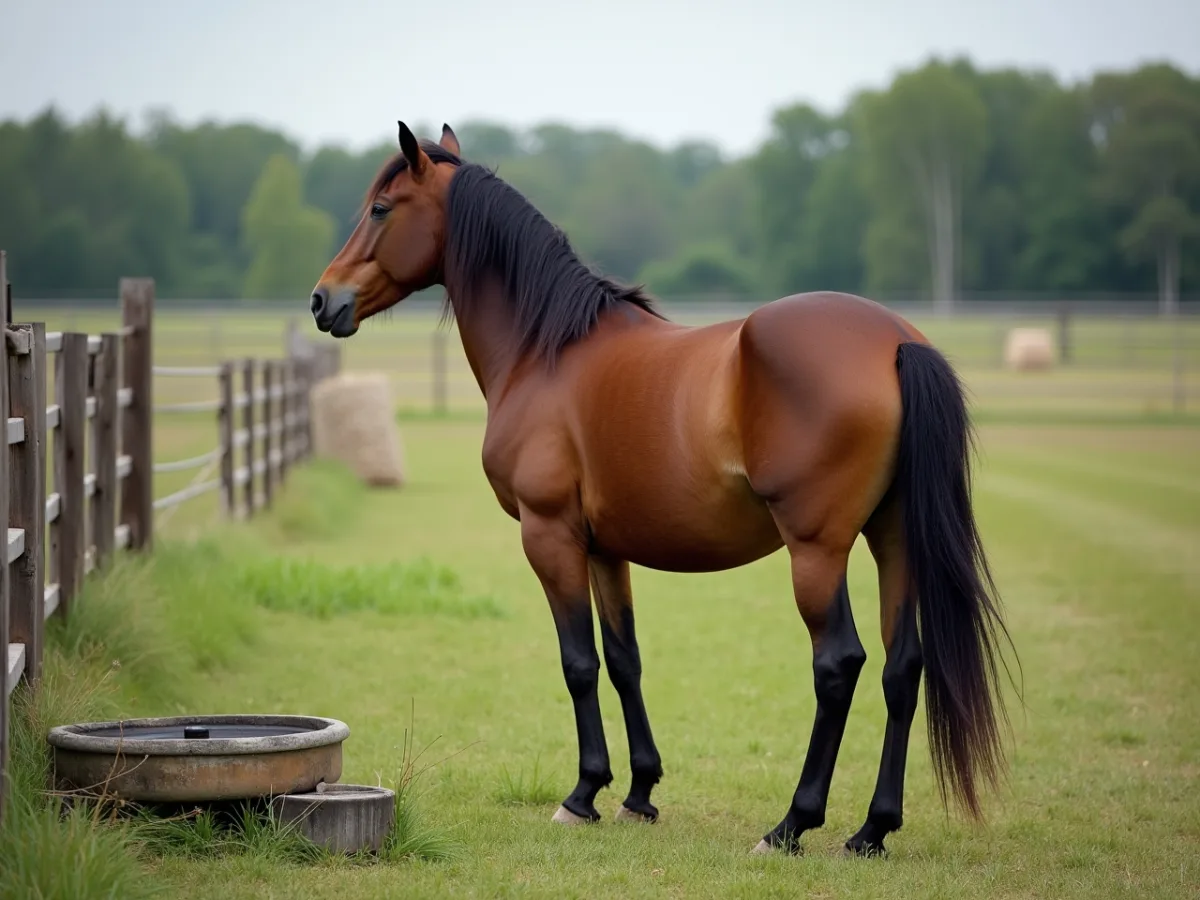
A horse can look perfectly ordinary one moment and, the next, seem to lock onto something with full attention. The head lifts. The ears turn. The body grows still. Even a relaxed horse may suddenly appear as if every part of him is tuned to one point in space.
That shift is not always dramatic, but it is often noticeable. A quiet gelding in the pasture may stare toward the gate. A mare in the aisle may pause mid-step. Under saddle, the same horse that was loose and swinging through the back may become fixed on a sound, a smell, or a movement the rider barely noticed.
When a horse becomes suddenly focused, it can mean curiosity, caution, interest, or simple awareness. The challenge is that the outside picture often looks similar even when the reasons are very different. A horse can be attentive without being worried, or tight without looking especially reactive at first glance.
Understanding those moments helps owners read the horse more accurately. It also makes daily handling easier, because focused behavior often shows up before anything bigger follows. Sometimes the horse is about to investigate. Sometimes he is deciding whether to step away. Sometimes he is simply processing a change in the environment.
Why sudden focus happens
Horses are built to notice change quickly. Their survival has always depended on detecting movement, sound, scent, and shifts in the herd. A sudden focus is often the result of that natural alertness switching on all at once.
The trigger does not have to be serious. A plastic bag moving in the wind, a dog barking down the road, a gate latch clicking, or a bird lifting from the fence line can all pull a horse’s attention in an instant. The horse is not being difficult. He is doing what a horse does: checking the environment for meaning.
Some horses seem to react to tiny changes that people barely register. Others focus only when something is clearly unusual. Breed, temperament, age, training history, and recent experiences all influence how fast a horse locks on to a new stimulus.
Sudden focus is often less about the size of the event and more about how important the horse thinks it might be.
Common reasons a horse snaps into attention
- A new sound, especially one that is sharp or repeated
- Movement at the edge of vision
- An unfamiliar smell in the stable or field
- Changes in routine, turnout, feeding, or handling
- Another horse acting oddly nearby
- Pressure from equipment, rider, or handler
- Past experience that makes a similar cue feel important
What looks like a simple moment of focus is often a quick internal check. The horse is gathering information before deciding what to do next.
How it looks in everyday situations
In a pasture, sudden focus often shows up as a horse freezing mid-graze and staring toward a fence line or a far corner. His body may stay mostly relaxed, but the attention is unmistakable. He may snort once, take a step, then stand still again while continuing to track the source.
In the stable, the same thing may happen when a bucket clanks, a door shuts somewhere else in the barn, or a horse in the next aisle shifts unexpectedly. Some horses whip their heads up. Others simply stop chewing and turn one ear toward the sound. The change can be subtle, but it is still a change in concentration.
During riding, sudden focus often appears as a horse leaning into one direction with his neck and nose. The rider may feel the body become less supple, the stride more deliberate, or the reins a little heavier. A horse that was easily bending through a corner may suddenly want to drift toward the arena edge, the open gate, or the place where he sensed movement.
In hand, a horse may stop following the handler’s rhythm and instead stare past the person, over the shoulder, or toward a doorway. That can happen before the horse becomes tense. It can also happen just as he is settling after a previous reaction.
Examples by setting
| Setting | What sudden focus may look like | Possible reason |
|---|---|---|
| Pasture | Head up, body still, ears fixed forward | Distant movement, herd change, wildlife, vehicle |
| Stable | Chewing stops, neck stretches, nostrils widen | Sound, smell, sudden activity nearby |
| Riding arena | Drift toward one side, tension through neck and back | Noise, visual distraction, memory of a past event |
| Trail or outdoor ride | Short pause, strong stare, feet planted or hesitant | New terrain, wildlife, changing light, open space |
The same horse can show very different levels of focus depending on the setting. In a familiar pasture, he may investigate and move on. In a busy arena, the same trigger may hold his attention much longer.
What the body often says before the mind seems fully decided
Sudden focus usually comes with a cluster of small signals. Those signals matter because they help separate calm interest from tension that is building.
Common body language that goes with focus
- Head lifting above the usual carriage
- Ears pointing in one direction and staying there
- Eyes widening or becoming very still
- Nostrils flaring slightly
- Neck stiffening or lengthening forward
- Back tightening under saddle
- Hindquarters pausing instead of staying active
- Chewing, blinking, or blinking stopping entirely
Not every horse shows every sign. Some are very expressive in the ears and head. Others look almost unchanged except for a brief stop in movement. The more familiar a person is with the horse’s normal way of carrying himself, the easier it becomes to spot that small shift into concentrated attention.
Stillness can mean calm concentration, but it can also be the pause that comes right before a reaction. The rest of the body tells the difference.
A soft focus often includes relaxed breathing, an easy neck, and the ability to look away again. A harder focus tends to feel narrower. The horse seems pinned to the stimulus and less available to other cues.
Possible internal reasons behind the reaction
Sudden focus is not only about the outside world. What is happening inside the horse matters too. A horse that is hungry, tired, sore, overstimulated, or under pressure may become more easily fixed on small changes.
Physical discomfort can sharpen attention in odd ways. A horse with back pain may react strongly to a saddle settling onto his body. A horse with dental issues may become touchy about head movement and notice handling more intensely. A horse that is not feeling well may stare at a sound or object longer because his tolerance for extra stimulation is lower than usual.
Emotional state also plays a role. Some horses are naturally more vigilant. They scan constantly and seem to toggle into focus quickly. Others become suddenly focused when their confidence is interrupted by something unfamiliar. A new horse in the barn, a different turnout arrangement, or even a slight change in the handler’s timing can be enough to change the horse’s level of attention.
Memory matters as well. Horses remember places, sounds, objects, and patterns. If a horse once had a bad experience near a trailer, he may become intensely focused when he sees one again. The reaction does not always look dramatic at first. It may begin with staring, then grow into reluctance, then later into clear avoidance.
Internal factors that can heighten focus
- Fatigue after work or travel
- Hunger or anticipation of feed
- Physical soreness
- Hormonal changes, especially in some mares
- Stress from recent separation or herd changes
- Overexposure to stimulation with no chance to settle
- Past negative memory linked to the same type of cue
Because these factors are layered, the same trigger can produce a mild pause on one day and a much stronger reaction on another. That is why context matters so much.
How environment shapes sudden focus
The environment can turn a small distraction into a major event. Horses notice contrast more than humans often expect. A quiet barn that suddenly becomes busy, a still field that turns windy, or a routine ride that takes place in a new area can all create a sharper response.
Wind is a good example. It moves grass, branches, fencing, tarps, loose shavings, and clothing in unpredictable ways. A horse that has been relaxed all morning may suddenly fix on a fluttering object and keep watching it until the motion settles. The object itself may not matter. The movement does.
Light changes can also affect attention. A shadow on the ground, sun reflecting off metal, or a shift from indoor to outdoor space may pull a horse’s eyes and ears toward one place. In some horses, especially those already on edge, this can lead to a very noticeable loss of softness in the body.
Noise is another common trigger. Horses often focus on sounds that are brief, unfamiliar, or hard to place. The sound does not have to be loud. A distant truck, a rattle in the tack room, or a chain clinking somewhere out of sight may be enough.
When the environment changes quickly, the horse’s attention often follows the newest or most uncertain cue first.
Situations that make focus more noticeable
- Busy show grounds
- Trail rides near traffic or wildlife
- Stormy weather and wind
- Schedule changes around feeding or turnout
- New horses arriving nearby
- Repairs, machinery, or barn activity
- Riding in an unfamiliar arena or field
Some horses handle environmental change with curiosity. Others become watchful and sticky, holding their attention on the source for longer than their owners expect. Neither response is unusual. The important part is noticing whether the horse can return to normal after the moment passes.
Calm focus versus reactive focus
Not all sudden focus means the same thing. One horse may simply notice something and process it without losing composure. Another may appear focused because his nervous system is already climbing toward a defensive reaction.
Calm focus tends to be brief and open. The horse looks, listens, and then relaxes again. He may even choose to step closer to investigate. His posture stays usable. He remains reachable through the lead rope, reins, or body language.
Reactive focus feels different. The horse may lock on with more tension in the jaw, neck, or topline. His feet may stop swinging freely. He may become harder to redirect, less responsive to ordinary cues, or more sensitive to touch. In some horses, the reaction stays internal and quiet. In others, it moves quickly into spooking, sidestepping, balking, or rushing away.
How the two can differ
- Calm focus: brief stare, ears forward, then easy release
- Reactive focus: fixed stare, tighter body, delayed response to handling
- Calm focus: horse can shift attention back and forth
- Reactive focus: horse seems stuck on one stimulus
- Calm focus: breathing stays even
- Reactive focus: breathing may become shallow or quicker
A horse does not have to show a big outward reaction for the focus to matter. Sometimes the more important sign is that the horse cannot easily come back to the handler, rider, or task.
What people often misread
Sudden focus is easy to misunderstand because it can resemble stubbornness, spookiness, or disrespect. In reality, it is often just attention moving somewhere else. The horse is not necessarily refusing to work. He may simply be trying to make sense of something before he continues.
Another common mistake is assuming every fixed stare means fear. Some horses are truly worried. Others are curious. A few are simply momentarily distracted by movement, smell, or noise and will settle again without fuss.
People also misread the absence of dramatic movement. A horse that stands very still can be overlooked, yet still be highly focused and internally tense. Stillness is not always relaxation. It can be concentration, pause, or preparation.
What matters is not only what the horse is looking at, but how easy it is for him to shift back to the present task.
That distinction often explains why two horses can look equally attentive but behave very differently afterward. One returns to work easily. The other carries the moment forward into every next step.
How horse–human interaction changes the picture
The way a person handles a horse during these moments can either reduce the focus or make it stronger. A rushed correction can intensify tension. A quiet pause can sometimes help the horse process what he noticed and move on.
This does not mean ignoring the horse. It means reading the situation with enough care to avoid adding more pressure than needed. If a horse becomes suddenly focused, the handler may need to wait a beat, soften the feel, or allow the horse to look before asking for attention again.
Under saddle, a rider’s balance and timing matter too. A horse that feels held, trapped, or corrected too quickly may stay mentally fixed on the outside stimulus longer. A horse that can keep moving in a simple, familiar rhythm may recover attention faster.
Trust builds through repetition. A horse that has been allowed to investigate new things safely is often less likely to turn every surprise into a larger event. He may still focus suddenly, but the focus can remain brief and manageable.
When sudden focus becomes a pattern
A single moment of intense attention is common. Repeated episodes in the same setting deserve closer notice. If the horse becomes suddenly focused every time the arena door opens, every time a vehicle passes, or every time he is brought near one specific corner of the barn, that pattern tells a story.
Consistency matters more than intensity alone. A mild reaction that appears every day may be more meaningful than one larger reaction that never repeats. The horse may be associating a place, sound, or routine with anticipation or worry.
Patterns can also change with workload and season. A horse may seem more reactive after several days off, during weather shifts, or when turnout is reduced. Another may become more focused when work is too demanding and he is carrying more tension than usual.
Things worth noticing over time
- Which locations trigger the focus most often
- Whether the horse recovers quickly or stays locked in
- Whether focus appears before, during, or after work
- Whether feeding, turnout, or herd changes affect it
- Whether the horse’s body looks tight or remains soft
- Whether the same stimulus causes the same reaction each time
These repeated details are often more useful than the reaction itself. They show whether the horse is simply alert or whether something in the horse’s routine or environment deserves attention.
Reading the moment without overreacting
When a horse becomes suddenly focused, the best first step is often observation. What changed? Where is the horse looking? Is he breathing normally? Can he still respond to a simple cue? Does he investigate and release, or stay fixed and tense?
That brief pause helps separate ordinary awareness from a moment that may need support. A horse that is alert but recoverable often needs space and clear, quiet handling. A horse that is escalating may need the situation simplified before anyone asks for more.
Many horses move through these moments every day without difficulty. They notice, process, and continue. What matters is learning your own horse’s version of focus: the head angle, ear position, muscle tone, and recovery speed that belong to his normal way of being in the world.
Once those signs are familiar, the change becomes easier to read. A horse that becomes suddenly focused is telling you that something matters to him right now. The message may be small, but it is usually worth hearing on time rather than after the next step, the next breath, or the next reaction.