A horse does not scan the world the way a person does. It does not lean on one sense and ignore the rest. Instead, it gathers information constantly, using sight, hearing, smell, touch, and even body position to decide whether the space around it feels safe, interesting, or worth a closer look.
That is why a horse may look “busy” even while standing still. The ears move, the head turns, the nostrils widen, and the body seems to pause in place while the mind keeps working. What appears like simple looking is often a full environmental check.
In daily life, this scanning behavior can be calm and routine, or it can turn sharp and reactive. The difference often depends on the horse’s temperament, past experiences, current surroundings, and how predictable the moment feels. A horse in a familiar pasture may glance around with relaxed attention. The same horse in a new trailer, beside a noisy road, or near an unfamiliar animal may scan in a much tighter, faster way.
Understanding how horses scan their environment helps explain many small changes people notice every day. It can make a horse seem more readable, and it can also prevent misreading normal alertness as disobedience or fear.
Why horses scan in the first place
Horses evolved as prey animals. That fact shapes almost everything about how they watch the world. A horse that failed to notice movement, sound, or a strange smell in time would have been at a disadvantage in the wild. Scanning is part of how horses stay prepared without needing to freeze in panic at every sound.
Their attention is broad but selective. They do not just stare at one object and assume they have understood it. They compare what they see with what they hear and smell. A rustle in the grass, a shifting shadow, a sudden pause in herd activity, or an unfamiliar shape near a fence can all pull the horse’s attention in a few seconds.
For a horse, scanning is not nervousness by default. It is a normal safety behavior shaped by survival, memory, and routine.
That does not mean every horse scans the same way. Some are naturally more watchful. Others are easier to reassure and settle into a steady rhythm. Breed, age, handling history, and individual personality all influence how long a horse keeps checking its surroundings before deciding to relax.
What the horse is actually using when it scans
People often think of scanning as “looking around,” but that only covers one piece of the process. A horse’s senses work together. Vision gives broad information about movement and shape. Hearing helps locate sounds that may be out of sight. Smell adds context, especially when something new is introduced. Touch and body awareness help the horse register wind, pressure, vibration, and changes underfoot.
Vision
Horse eyes are built for wide coverage rather than close, detailed inspection. They are excellent at detecting movement. This is why a small motion at the edge of a field can catch a horse faster than a larger object that remains still. A horse may move its head to change the angle of vision and reduce blind spots.
Hearing
The ears are often the clearest clue that a horse is scanning. They rotate independently and can point toward different sounds at nearly the same time. A horse may keep one ear on a handler while the other tracks a noise in the distance. This is one reason horses can seem alert even when their body stays relaxed.
Smell
Smell matters more than many owners realize. A horse may hesitate near a new bucket, a different horse, a wet tarp, or a recently sprayed area because the odor gives incomplete or unfamiliar information. Sometimes the horse is not reacting to what something looks like at all, but to what it smells like.
Body awareness
Horses also scan with their bodies. They notice changes in footing, slope, pressure, and the feel of air or wind. A horse that keeps glancing toward one side of a pasture may be responding to something subtle that has not yet reached the human observer.
How scanning appears in real-life situations
Scans do not always look dramatic. In fact, many of the most useful signs are small. The horse may lift the head slightly, freeze for a moment, shift weight, turn one ear forward, and then release again. That is often a quick environmental check rather than a real threat response.
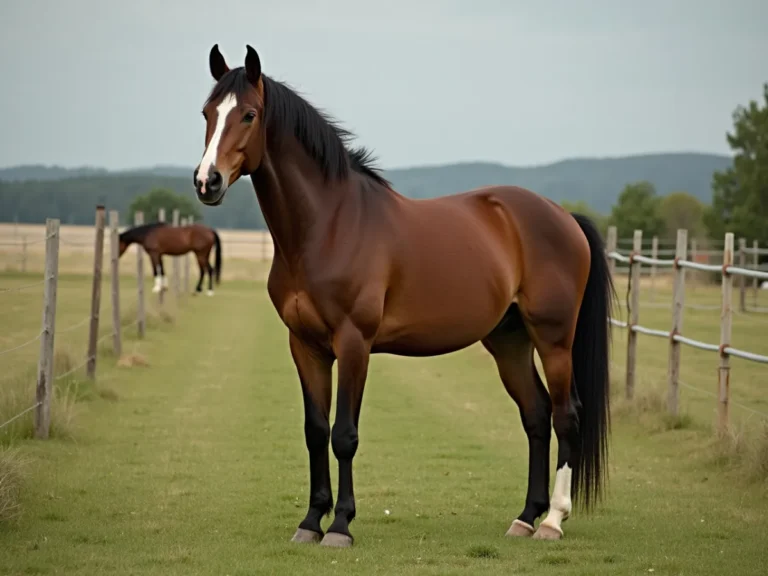
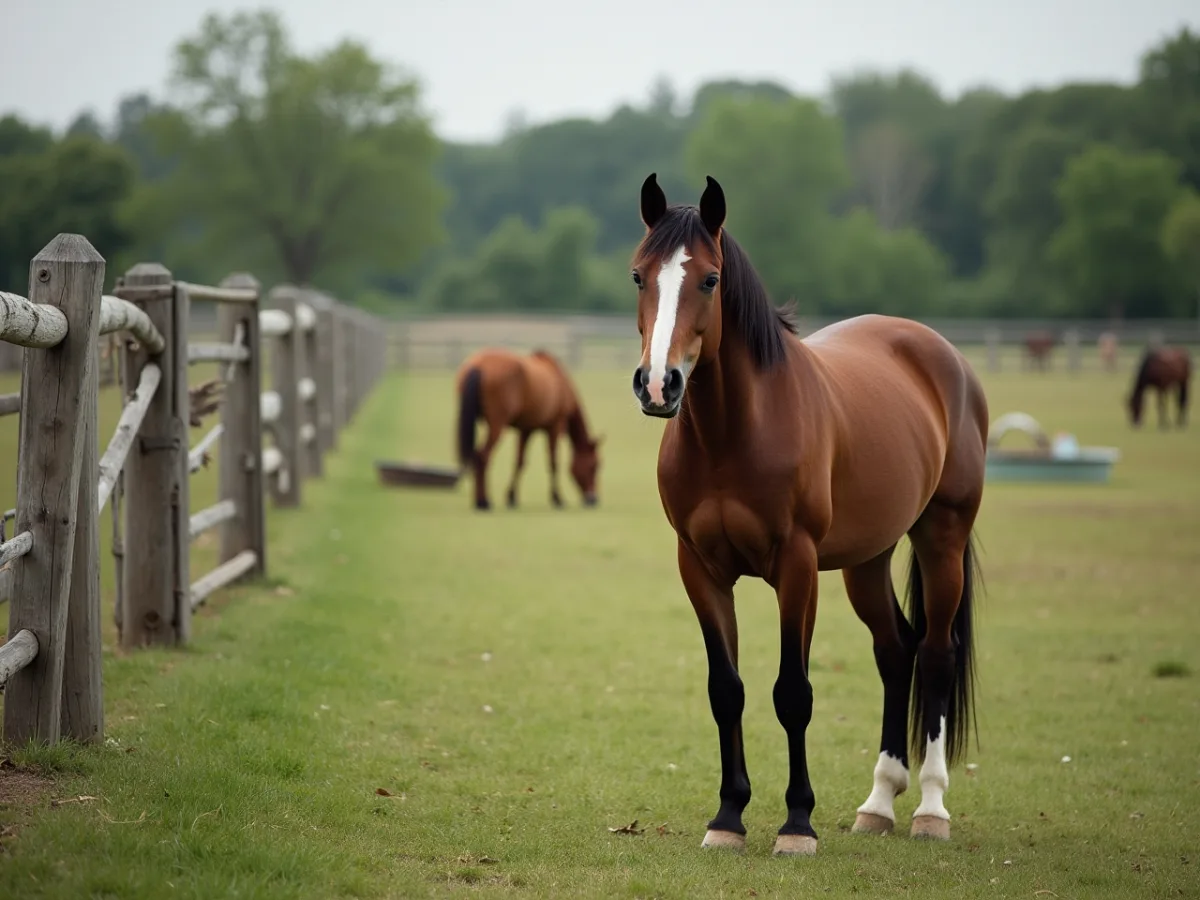
In a pasture, scanning may happen in a slow and open way. The horse grazes, pauses, looks toward a gate, watches the herd, then returns to grazing. If everything feels familiar, the scanning becomes part of the background rhythm of the day.
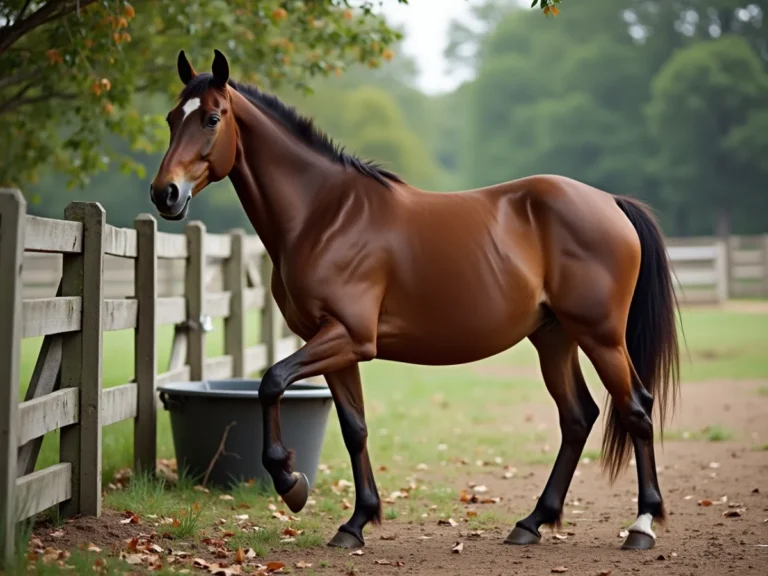
In a stable, the same horse may scan more often because the environment offers more sudden noises and less space to move away. Doors slam. Metal clinks. Hooves echo. People pass in and out. A horse may keep checking which sounds belong to normal barn life and which ones need attention.
Under saddle, scanning can become more visible if the horse feels uncertain. The head may rise, the neck may stiffen, and the ears may lock onto the arena entrance, a fluttering object, or a distant animal. The horse is often trying to collect enough information to decide whether the object matters.
During transport, scanning often increases. The trailer changes balance, light, smell, and sound in ways a horse cannot fully predict. Many horses keep looking for clues through the windows, over the divider, or toward familiar voices outside.
Common situations where scanning becomes more noticeable
New places
A horse in a new environment usually scans more than one in a familiar space. New footing, strange fencing, unfamiliar horses, and different sounds all call for investigation. This is not necessarily a sign of poor behavior. It is a normal response to reduced certainty.
Weather changes
Wind can make horses scan more intensely. It changes the soundscape and moves objects that would otherwise stay still. Tarps, trees, flags, and loose metal can all become more noticeable when the wind picks up. Sudden weather shifts can also change scent, which adds another layer of input.
Herd changes
Horses pay close attention to the behavior of other horses. If one horse becomes alert, others often scan in the same direction. Herd scanning can spread quickly, even if the original trigger is small. A single horse looking up can change the whole field’s mood.
Routine disruptions
Feed changes, different turnout times, a new handler, or a change in exercise routine may all affect how often a horse scans. Some horses settle quickly. Others hold onto uncertainty longer and continue checking the environment until the pattern feels normal again.
What scanning may signal about the horse’s state
Scanning can mean simple awareness, but it can also reveal the horse’s internal state. A calm horse often scans without tension. Its body stays loose, breathing stays even, and attention moves from one point to another without getting stuck.
A horse that is unsure may scan more repeatedly. The eyes may stay wider, the ears may flick rapidly, and the body may feel tense or poised to move. The horse is collecting data, but it has not decided yet whether the information is safe.
A strongly reactive horse may scan in a tighter pattern. It may stare, snort, pull the head high, or shift in place without settling. In those moments, the horse is not just observing. It is preparing for action.
Scanning is most meaningful when paired with body language. One sign alone rarely tells the full story.
That is why it helps to watch the whole horse. A horse looking at a gate while continuing to graze is telling a different story from a horse looking at the same gate with a rigid neck and a braced stance. The motion may be similar, but the emotional state is not.
Subtle signals that often accompany scanning
Ears
Ears are one of the easiest indicators to read. Forward ears can mean interest. One ear forward and one back can mean divided attention. Ears that keep flicking without settling may suggest the horse is sorting through several inputs at once.
Neck and head position
A relaxed horse usually scans with soft movement. The neck may rise a little, then lower again. A worried horse often holds the head higher for longer. The movement becomes more fixed and less fluid.
Eyes
Bright, soft eyes often pair with calm scanning. A horse that is concerned may show a harder stare, more white around the eye, or frequent changes in gaze. A fixed stare can mean the horse has found a stimulus worth monitoring closely.
Feet and weight shifts
Foot position matters too. A horse that scans but remains balanced is usually still comfortable. A horse that keeps stepping away, bunching under itself, or loading the hindquarters may be moving from observation toward readiness to flee.
Nostrils and breathing
Changes in breathing can offer a quiet clue. Flared nostrils, quick sniffs, or held breath often appear when a horse is uncertain. A steady, slow rhythm usually points to more confidence.
How people often misread scanning
It is easy to mistake a horse’s scan for stubbornness or bad manners. A horse that suddenly looks away from the rider, pauses before entering a dark aisle, or watches a new object too long may be labeled unwilling. In many cases, the horse is simply trying to understand the situation before moving forward.
People also often assume that stillness means calm and motion means fear. Horses do not always fit that pattern. A very worried horse may become very still, almost locked in place. Another horse may keep moving its head and feet while staying emotionally manageable. The outward form can vary.
Another common mistake is assuming all scanning points to danger. Sometimes it reflects curiosity, social awareness, or habit. Horses often watch gates, feed carts, other animals, and familiar human routines because those things matter to their day.
It also helps to remember that a horse can scan one part of the environment while being perfectly comfortable with another. A horse may watch the arena door, the horse beside it, and the sound of a truck outside all at once. That does not automatically mean the horse is overwhelmed. It may simply be doing what horses do: staying informed.
How environment changes scanning
Horses adjust their scanning based on how predictable the world feels. Familiar, well-managed environments usually create slower, more relaxed checks. In contrast, cluttered spaces, loud barns, busy show grounds, and changing schedules often lead to more frequent scanning.
Lighting matters too. Shadows, glare, dark corners, and shifting sun patches can change how safe a space feels to a horse. A horse may pause at a doorway because the contrast between bright and dark gives unclear visual information. What looks like hesitation may be the horse taking a moment to process depth and footing.
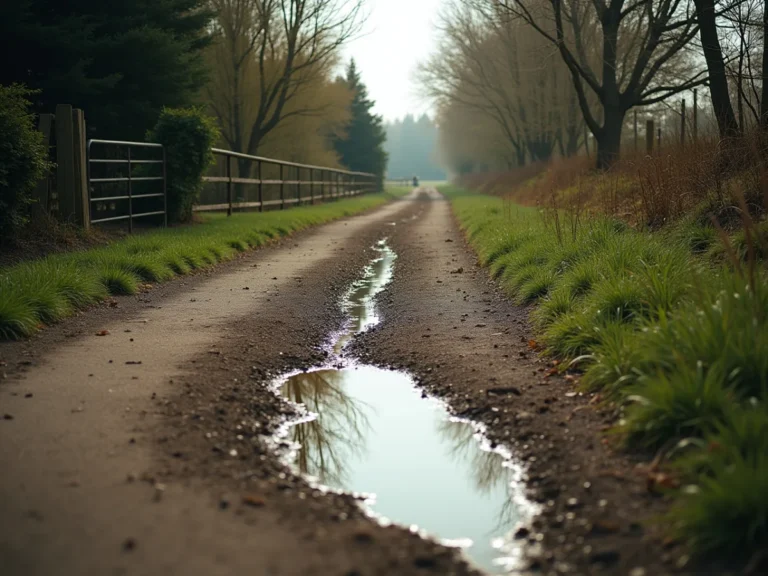
Surface texture also plays a role. Horses often look down more carefully on slick concrete, uneven gravel, deep mud, or unfamiliar footing. Their scanning is not limited to distant threats. It includes the ground under their feet.
Noise density changes behavior as well. A quiet pasture encourages broad, slow attention. A busy facility can produce frequent start-and-check moments. Even a confident horse may need more time to sort through the extra input.
How routine shapes scanning over time
Routine can reduce unnecessary scanning, but it does not remove the behavior. Horses still check their surroundings. They simply do it with less intensity when life feels consistent. When the same feeding schedule, turnout pattern, and handling style repeat day after day, the horse often spends less energy deciding whether something is normal.
Inconsistent routines tend to make scanning more noticeable. If people arrive at different times, if handling changes from one person to another, or if the horse’s living space keeps shifting, the horse may continue checking for cues longer than usual. Predictability matters more than many owners realize.
Some horses become especially alert around transitions. They may scan before feeding, before turnout, before exercise, and before loading because those moments signal that something is about to change. For these horses, the pattern becomes part of the daily rhythm.
Different kinds of scanning in calm and tense horses
| Type of scanning | Body language | Common meaning |
|---|---|---|
| Calm scanning | Soft eyes, moving ears, loose neck | Normal awareness and environmental checking |
| Neutral scanning | Moderate attention, occasional pauses, steady breathing | Processing the surroundings without concern |
| Reactive scanning | High head, fixed stare, stiff body, rapid ear movement | Possible uncertainty or heightened arousal |
| Defensive scanning | Backing, snorting, wide eyes, bracing | Horse preparing to create distance |
These categories are not rigid, and horses can move between them in a few seconds. A horse may begin with calm curiosity and shift into tension after one extra sound or movement. That is why context always matters.
How scanning differs in young and experienced horses
Young horses often scan more frequently because so much of the world is still new. Their reactions may be quick, uneven, and sometimes exaggerated. A new object that a mature horse barely notices may take a foal or youngster several passes to accept.
As horses mature and gain experience, scanning often becomes more efficient. They learn which farm sounds are normal, which gates always open the same way, and which people move calmly around them. Experience does not erase alertness. It makes it more organized.
Older or well-traveled horses may still scan strongly in unfamiliar settings, but they often recover faster. They have seen enough to compare new situations with old ones. That memory can shorten the time between first notice and calm response.
There are exceptions. A horse with difficult past experiences may keep scanning intensely even when mature, while a horse with a very steady background may stay relatively relaxed at any age. Age matters, but history matters too.
When scanning becomes useful information for owners
Watching how a horse scans can reveal patterns before they become problems. If the horse always looks toward the same corner, hesitates at the same gate, or checks one side of the arena every time the wind changes, there may be a specific trigger worth noticing.
Sometimes the trigger is small and practical. A loose board, a shifting shadow, a noisy fan, or a horse in the next stall can all create repeated attention. Other times the pattern may point to a deeper issue, such as discomfort, lack of confidence, or a poor fit between the horse and the setting.
A horse that scans more than usual after a change in workload, diet, turnout, or social grouping may simply need time. But if scanning comes with weight loss, reduced rest, pinned ears, or ongoing tension, it deserves a closer look. The behavior itself is neutral. The pattern around it tells the real story.
Living with a horse that watches the world closely
Many horses never stop scanning entirely, and that is normal. The goal is not to make a horse ignore its environment. The goal is to help it feel safe enough that scanning stays balanced instead of overwhelming.
A horse that checks its surroundings before walking into a new place, glances at a strange sound, and then returns to work is using its senses well. It is reading the world, deciding what matters, and moving on. That process is built into the species.
When owners learn to notice the difference between calm attention and rising tension, they can respond more clearly. Sometimes the answer is simply to wait a few seconds. Sometimes it means lowering the pace, changing the setup, or giving the horse a little more information before asking for movement.
Horses scan because the world is full of change. Their attention is not random. It is organized, practical, and deeply tied to survival, memory, and daily comfort. Once that becomes familiar, the behavior is easier to read in the stable, in the pasture, on the trail, and in every small pause between them.