Understanding Horses

Horse behavior is shaped by sensitivity, awareness, and constant interaction with the surrounding environment. What may seem like sudden or unpredictable reactions often follows clear patterns influenced by context, movement, and internal state.

This site explores how horses behave, how they respond to people and environmental changes, and how everyday situations shape their reactions. Understanding these patterns helps make sense of behavior that might otherwise seem unclear.

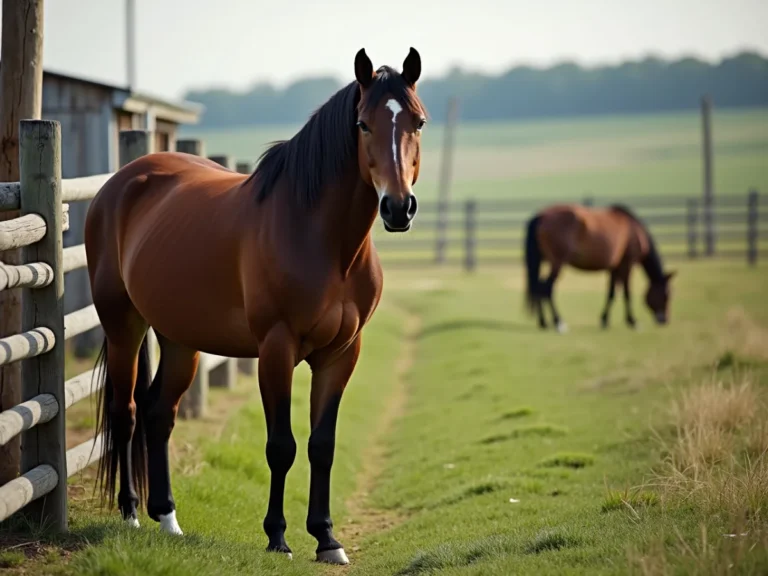
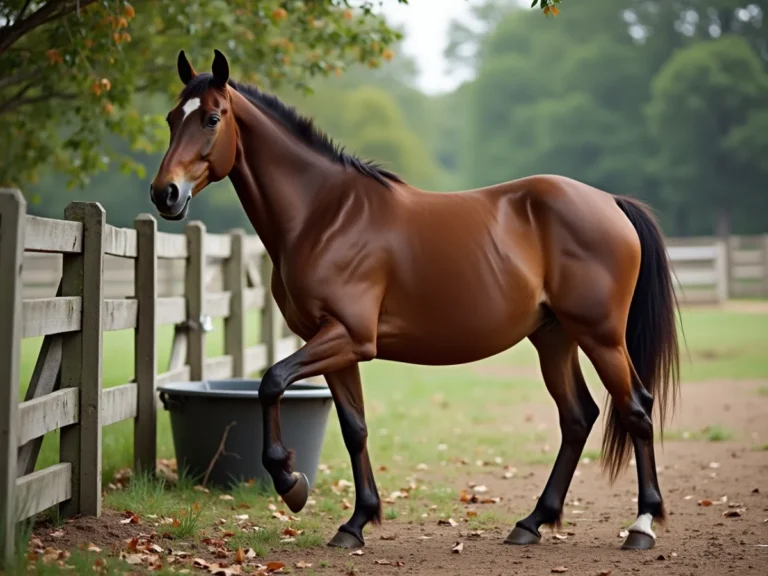
Horse startled near a fence

Startle Reactions in Horses Explained

A horse can go from relaxed to alert in a split second. One small sound, a moving shadow, a loose tarp, or a bird bursting from the grass can trigger a sudden startle reaction. To people, the response may look dramatic. To the horse,…

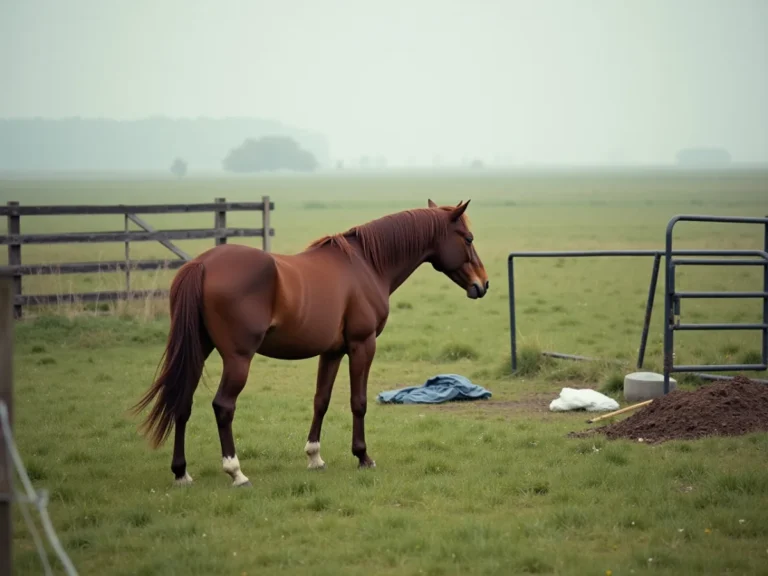
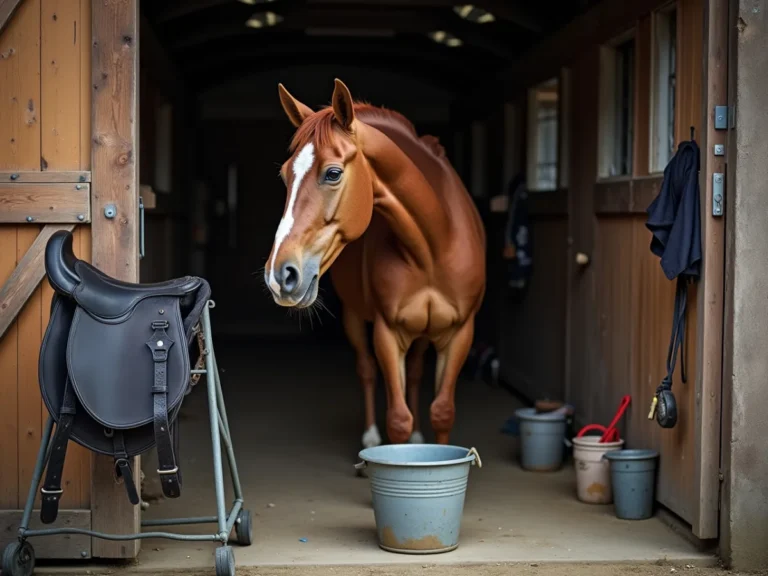
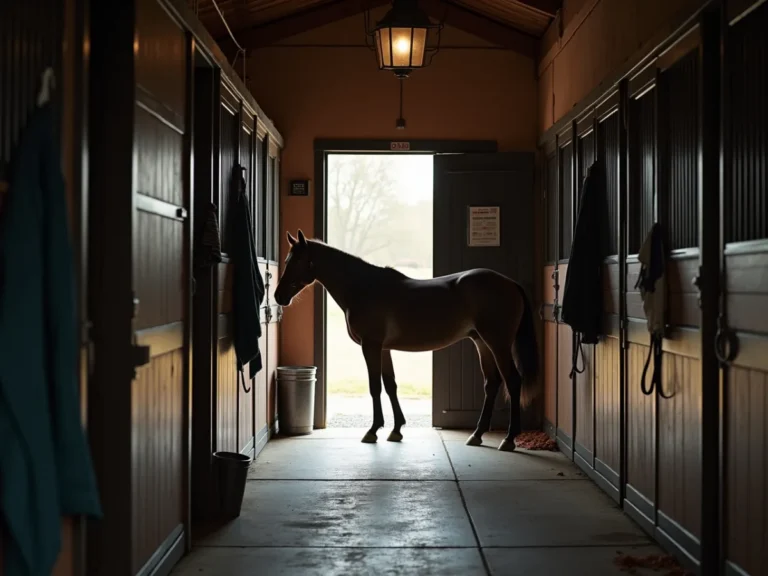
Horse in quiet stable aisle near tarp and bucket

Panic-Like Reactions in Controlled Situations

Panic-like reactions in controlled situations can be confusing because the setting itself looks safe. The horse is in a familiar arena, a clean stall, a quiet trailer, or a routine grooming space, yet the response appears sudden and extreme. That mismatch is what makes…

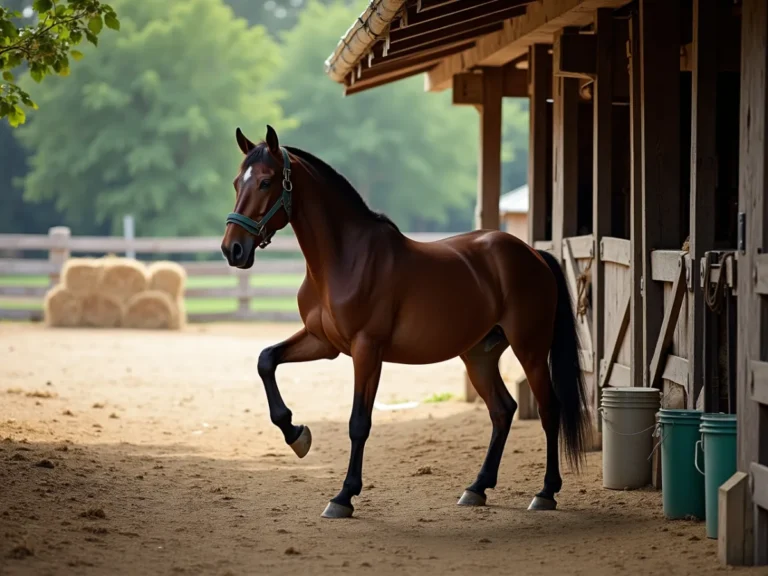
Horse kicking near a stable fence

Kicking Incidents and How They Develop

A horse does not usually kick without reason. The movement can look sudden from the outside, but it often builds from smaller signals that were easy to miss. A twitch of the skin, a shift in weight, pinned ears, or a tight tail can…

Horse grooming tools beside a stable wall

Sensitivity to Touch and Handling

Some horses lean into a hand, while others pull away from the slightest touch. A blanket strap, a brush passing over the ribs, a saddle pad settling on the back, or even a quiet hand on the neck can bring out a reaction that…

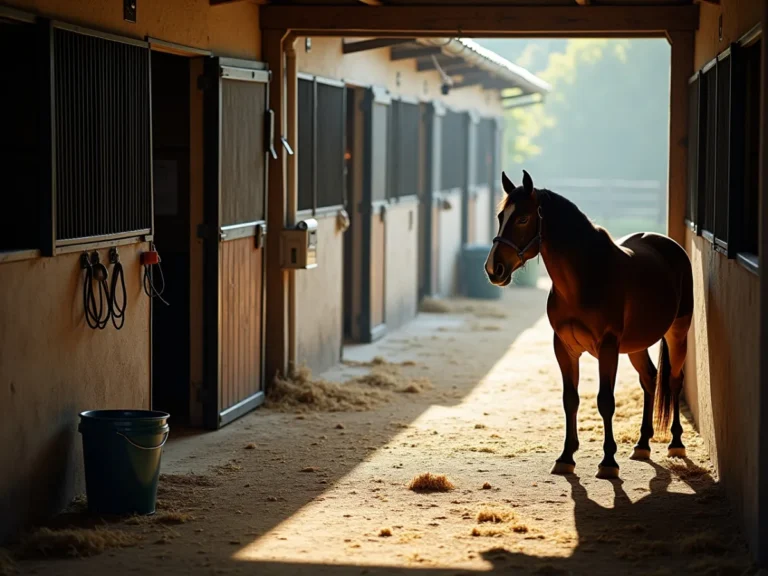
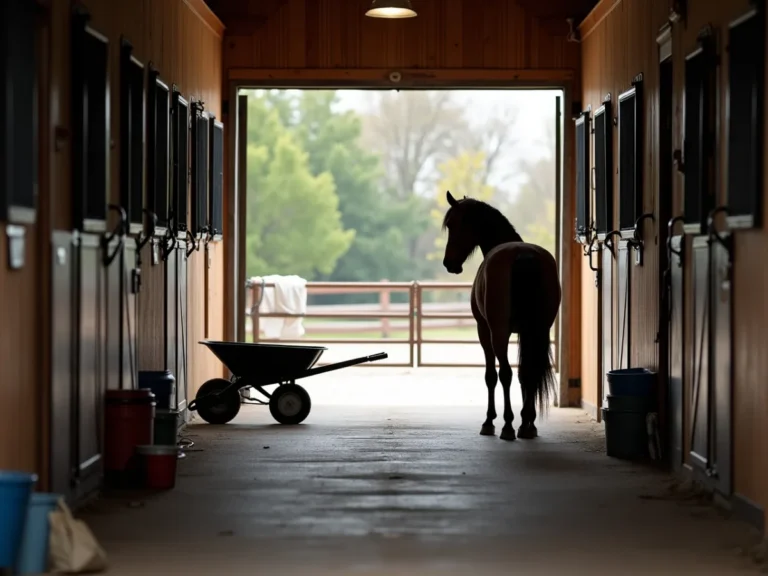
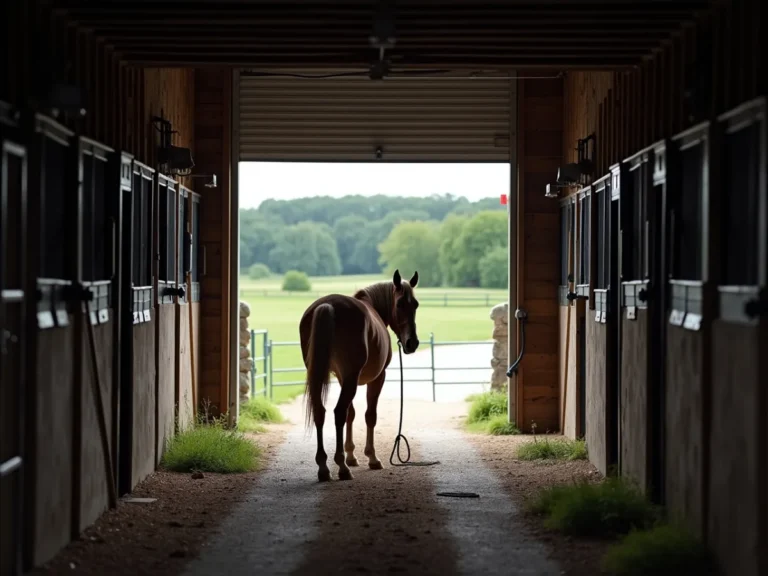
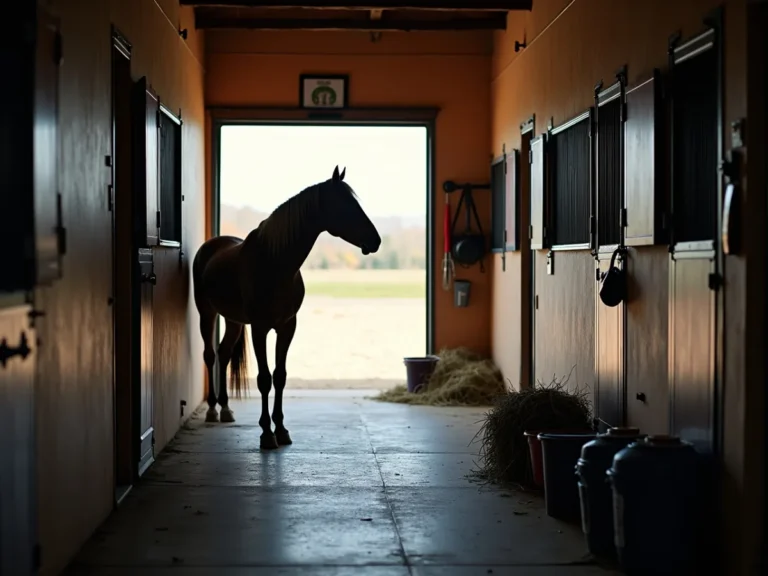
Horse standing calmly in a quiet barn aisle

Sensitivity to Stable Conditions

A horse that prefers steady routines is often easier to read than one that is constantly reacting to change. Some horses settle into a pattern quickly: the same feed time, the same stall arrangement, the same turnout group, the same handling order. When those…

Horse backing away from a narrow path

Backing Up Instead of Moving Forward

When a horse backs up instead of moving forward, the moment can feel small at first and then suddenly important. The shift may be a single careful step in reverse, or it may turn into a full refusal to go on. Either way, it…

Horse watching a calm person nearby

Mirroring Human Behavior in Horses

Horses notice people more than many owners expect. They read movement, tension, timing, and habits, then respond in ways that can look like they are copying us. A horse may become rushed when a handler is hurried, cautious when a rider is nervous, or…

Horse with pinned ears in a pasture

Pinned Ears in Horses: What They Can Signal

Pinned ears are one of the clearest pieces of body language a horse can show. The ears move back, sometimes flatten tightly against the neck, and the whole expression can change in an instant. People often notice the ears first because they are easy…

Horse trail with uneven pace signs

Unexpected Changes in Pace: What They Mean

A horse that suddenly changes pace rarely does it for no reason. One moment the rhythm feels steady, and the next the horse is slowing, quickening, hesitating, or surging forward in a way that seems out of place. That shift can be mild or…