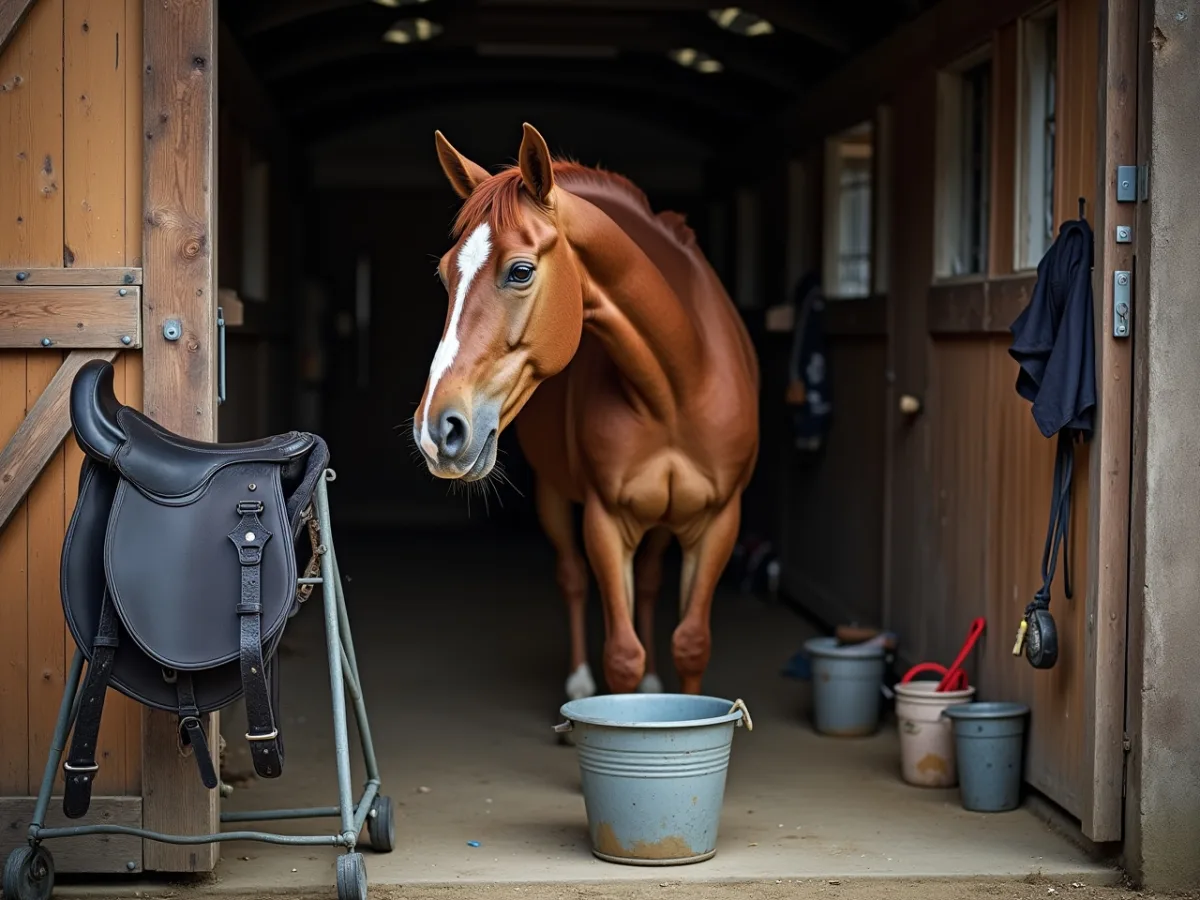
Horses can change their response to the smallest detail. A loose bucket in the aisle, a shifted saddle pad, a new smell on the breeze, or a person walking up from the “wrong” side can all be enough to make them look twice. What seems tiny to a human can feel important to a horse.
That sensitivity is part of what makes horses so responsive, but it also means their reactions are easy to misread. A flick of the ear, a tightened neck, a step away, or a sudden spook may not come from “bad behavior” at all. Often, the horse is reacting to a change that fits into a much larger pattern of observation and caution.
Small changes matter because horses depend on consistency. Their comfort is tied to routine, body awareness, and the ability to predict what happens next. When something shifts, even slightly, they notice it fast.
Why Small Changes Get a Big Reaction
Horses are built to detect movement, sound, and pressure in ways that help them stay safe. In the wild, noticing a small change could mean the difference between staying calm and reacting to a threat. That same instinct still shapes behavior today, even in a quiet barn or a familiar riding arena.
Many owners are surprised by how little it takes to trigger a reaction. The change does not have to be dramatic. A brushing of fabric against the flank, a trailer door that sounds different, or a rider sitting a little unevenly may be enough to interrupt the horse’s sense of normal.
What looks like overreaction often starts as uncertainty. The horse notices the difference before it understands whether the difference matters. That split second of hesitation can lead to a spook, a sidestep, a head lift, or a complete stop.
Small reactions are often less about defiance and more about the horse checking whether a new detail is safe.
How These Reactions Appear in Daily Handling
In everyday care, the signs can be subtle at first. A horse that normally stands quietly may shift weight when the grooming tools are moved to a new spot. Another horse may pin an ear, wrinkle the nose, or lean away when someone touches a fresh scrape or tight muscle area. These are not always signs of fear, but they are clues that something feels different.
During leading, small changes show up in the rhythm of movement. A horse may hesitate at the barn doorway, slow down near a feed cart, or drift toward one side of the aisle. If the same route has been taken for months, even one new object can break the pattern.
When tacking up, horses often react to details humans barely notice. A pad with a different texture, a girth tightened in a slightly different order, or a bridle laid across the neck from an unfamiliar angle can all create a response. Some horses only blink or sigh. Others move their feet, raise their heads, or turn to inspect the change.
Common small changes that can trigger reactions
- A new blanket, pad, or bandage material
- A different scent on a handler’s hands or clothing
- Unexpected sound from metal, plastic, or wind
- A change in feeding time or stall routine
- Altered pressure from tack, grooming, or touch
- Moving the horse to a different stall, paddock, or stall neighbor
How It Shows Up Under Saddle
Under saddle, small changes can become more noticeable because the horse is balancing its own movement with a rider’s cues. A shift in seat position, rein length, or leg pressure may be enough to change how the horse travels. Sometimes the horse responds by getting tense through the neck and back. Sometimes it simply becomes less forward.
A horse that is usually steady may act differently if the rider’s posture changes from one day to the next. An extra squeeze of the leg, a heavier contact on the reins, or a rushed cue can all feel significant. Horses learn to read these details quickly, and they often react before the rider realizes something changed.
Some horses react to environmental changes more than human aids. A fluttering tarp near the arena, a horse moving in the next ring, or a tractor starting outside the fence may shift attention instantly. The response can be sharp and sudden, especially if the horse has already been feeling uncertain.
When a horse changes rhythm, looks off to the side, or braces through the body, it may be responding to a small interruption rather than a major problem.
Possible Internal Reasons Behind the Reaction
Not every reaction comes from the same place. A horse may be alert, uncomfortable, tired, sensitive, or simply surprised. The body language can look similar even when the cause is different. That is why looking at the whole horse matters more than focusing on one moment.
Physical discomfort is one common reason horses become reactive to tiny changes. A sore back can make a minor saddle adjustment feel huge. A stiff shoulder can make a small request for bend feel irritating. Even dental discomfort or a touch-sensitive skin area can change how a horse responds to ordinary handling.
Mental state matters too. A horse that is fresh after a rest day, worried by new surroundings, or mentally overloaded by too many changes may have less tolerance for normal handling. The reaction can be quick and sharp, but it is often rooted in uncertainty rather than resistance.
Internal factors that can increase sensitivity
- Muscle soreness or body stiffness
- Uneven saddle fit or tack pressure
- Fatigue after work, travel, or weather stress
- Hunger, dehydration, or changes in feeding
- General anxiety or lack of confidence in new settings
- Heightened alertness in young or inexperienced horses
How the Environment Shapes the Reaction
Environment has a strong effect because horses notice details all around them, not just what touches their body. A familiar horse can become reactive simply because the barn atmosphere feels different. New horses across the aisle, louder traffic nearby, or even changes in weather can shift the way the horse behaves.
Wind is a classic example. A horse that seems settled in the morning may become more reactive by afternoon if flags, tarps, or tree branches are moving more than before. Sound can also be a trigger. The clink of a bucket in a quieter barn can feel louder than expected when everything else is still.
Light and shadows matter as well. A dark doorway, a puddle reflecting light, or a shift from indoor arena footing to outdoor ground can change a horse’s confidence. These are small changes from a human point of view, but horses often process them as part of the entire picture of safety.
Places where small changes are often noticed most
- Stable aisles and grooming areas
- Pasture gates and fencelines
- Trailer ramps and travel stops
- Indoor arenas with new sounds or movement
- Warm-up rings with other horses nearby
- Turnout fields after weather or fence changes
Stable Behavior Versus Reactive Behavior
Not every response to change means the horse is anxious. Some horses are simply observant and prefer to inspect before accepting something new. A calm horse may pause, look, and then continue. A reactive horse may jump, rush, or refuse before it has time to assess the situation.
The difference is often in the intensity and recovery. A steady horse might notice a change, lift its head, and then relax again. A more reactive horse may stay tense longer, keep checking the same spot, or carry that concern into the next task.
That does not automatically mean the horse is difficult. It may just need more time to process input. In fact, some horses that seem slow to accept novelty are very reliable once they understand what changed.
| Response Type | Typical Signs | What It Often Means |
|---|---|---|
| Calm notice | Ear movement, brief look, steady breathing | The horse registered a change and accepted it |
| Alert response | Head lift, pause, neck tension, stepping aside | The horse wants more information before relaxing |
| Reactive response | Spook, rush, refusal, startle, prolonged tension | The change felt significant or unsafe to the horse |
How People Misread the Signs
It is easy to assume a horse is being stubborn when it reacts to a small detail. A horse that sidesteps at a mounting block may be seen as uncooperative. A horse that refuses to pass a jacket hanging on a fence may be labeled nervous or difficult. In reality, the horse is usually responding to a specific cue that matters to it.
Misreading often happens when the change is small enough to go unnoticed by the human. If the handler thinks nothing changed, the reaction can seem random. That gap in understanding is where confusion starts.
Looking at the full sequence helps. Did the horse also get less relaxed during grooming? Did it move away when the saddle was tightened? Did it become more watchful after a loud noise nearby? These clues often reveal that the “small” reaction was part of a bigger buildup.
A horse rarely reacts to nothing. The trigger may be tiny, but the reaction usually has a reason.
How Routine Makes Small Changes Feel Bigger
Routine is one of the main ways horses feel secure. When the same steps happen in the same order, the horse can predict what comes next. That predictability lowers stress and makes handling smoother.
When routine shifts, the horse may respond to the change before it has time to settle into the new pattern. Feeding earlier or later than usual can make a horse more watchful. Moving turnout time, switching stalls, or changing the order of chores can also produce small but noticeable reactions.
Some horses adapt quickly once the new pattern becomes familiar. Others take longer and remain sensitive until the new routine is fully established. A horse that is usually quiet may seem “off” for a day or two after a schedule change, then return to normal once the environment feels predictable again.
Different Situations, Different Kinds of Sensitivity
Small changes do not affect all horses in the same way. One horse may care most about body touch. Another may react more to sound or movement. A third may stay calm in the barn but become uneasy in the trailer or at a show.
Young horses often show broader sensitivity because they are still learning what belongs in their world. Mature horses may appear more settled, but they can still react strongly if the change is meaningful to them. Experience helps, but it does not erase instinct.
Some reactions are linked to memory. A horse that once had a rough trailer ride may react to a trailer door closing, even when the current situation is safe. A horse that had saddle discomfort in the past may become suspicious when the girth position changes. The body remembers patterns, sometimes longer than the mind seems to.
Examples of how sensitivity may differ by setting
- Stable: New smells, different neighbors, altered feeding routines
- Pasture: Fence repair, new herd members, moving water sources
- Riding arena: Noise, footing changes, rider balance, nearby motion
- Transport: Ramp sounds, trailer motion, unfamiliar stops, loading pressure
What the Reaction May Signal About the Horse’s State
A reaction to a small change can be a useful clue, especially when it happens more than once. The horse may be asking for more space, more time, or a closer look at the situation. It may also be telling you that something physical is not quite right.
If the reaction is brief and the horse settles quickly, the issue may be simple uncertainty. If the horse keeps reacting in the same place or during the same task, there may be a repeated stress point. Consistency matters here. One startled step is different from a pattern of tension that shows up every day.
Watch for changes in posture, appetite, movement quality, and willingness to stand still. A horse that reacts to a new object but remains loose and curious is different from a horse that reacts and then stays tight for the rest of the session. The overall picture gives more information than the reaction itself.
Repeated sensitivity to small changes can point to discomfort, stress, or a lack of confidence in a particular environment.
Reading Soft Signals Before They Become Bigger Ones
Soft signals are easy to miss, but they often appear first. The horse may shift one foot, stretch the neck toward the change, or blink more rapidly. The ears may flick forward and back as the horse sorts through what it sees or hears.
Body tension can build slowly. A horse may start with a mild pause, then widen the eyes, brace the jaw, or hold the neck higher than usual. By the time a full spook happens, the horse may have been collecting small concerns for several seconds.
Noticing these early signs gives a clearer idea of what the horse finds challenging. A horse that always tenses when the girth is tightened may need a slower, more familiar sequence. A horse that reacts to movement behind it may do better when introduced to new objects gradually and in a controlled setting.
What Consistency Tells You Over Time
One reaction does not define a horse. Pattern over time matters much more. If a horse reacts only once to a flapping tarp after a storm, that may be a normal alert response. If the horse reacts every time the tarp is present, the response has a clear trigger and likely needs more careful handling.
Some horses become less reactive with repetition because the change becomes familiar. Others remain sensitive to the same detail, even after many exposures. That difference is worth noticing. It can reveal what the horse needs to feel settled.
Long-term observation also helps separate habit from discomfort. A horse that always flinches when saddled on one side may be reacting to a physical issue. A horse that only reacts when the same stall neighbor kicks the wall may be responding to sound and social pressure. The pattern gives the answer more reliably than any single moment.
Small Changes and the Horse–Human Relationship
Much of the horse’s response comes down to trust and familiarity. A horse that knows what to expect from a handler often handles little changes more easily. The same horse may struggle if the handling becomes rushed, inconsistent, or rough in small ways.
That is why tiny details matter in daily care. The way a lead rope is gathered, the order of grooming, the steadiness of a voice, and the predictability of touch all shape how the horse feels. Horses notice more than people assume, and they respond to those details with real meaning.
When a horse reacts to something small, it can be useful to treat the moment as information rather than a problem to push through. Slowing down, checking for discomfort, and looking at the environment often reveals a clear reason. The horse’s reaction may be simple, but the cause can sit in many layers: body, memory, routine, or setting.
Natural Sensitivity in a Modern Setting
Modern horse care asks horses to live around many things they would never meet in the wild. Plastic buckets, zippers, trucks, loud arenas, reflective surfaces, electric tools, and changing schedules all create a stream of little surprises. Most horses learn to cope, but coping still takes energy.
This is why the smallest changes sometimes stand out the most. A horse may handle a busy environment well for weeks, then react to one minor shift that pushes its comfort level. The shift does not have to be large to matter if the horse is already near its limit.
That reality makes observation valuable. The horse that reacts to a new sound, a slightly different touch, or an altered routine is often giving a useful signal. It can point to stress that would otherwise stay hidden until it grows into something harder to address.
In daily life, the best clues are usually quiet ones. A horse that looks away before stepping forward, tightens its back when the tack changes, or hesitates when a familiar routine is adjusted is saying something in plain language. The message is not always dramatic. Sometimes it is only a small pause, a shift of the ears, or one careful step sideways.
That is where the real understanding begins. Small changes may be easy to overlook, but horses rarely overlook them. Their reactions can be brief, visible, and surprisingly specific. Once those signals are read in context, the horse’s behavior makes far more sense.