A horse may pause during movement for reasons that are easy to overlook at first. Sometimes the pause is brief and harmless, a small break in rhythm while the horse looks, listens, or adjusts its body. Other times it is a clue that something in the horse’s mind or surroundings needs attention.
That pause can appear while a horse is walking across a pasture, leaving the stall, working under saddle, or moving through an unfamiliar place. It may happen once and disappear, or it may repeat in the same spot. The meaning changes with the situation, the horse’s temperament, and the signals that come with it.
In many cases, pausing is not a refusal to move at all. It can be a moment of assessment. Horses are built to notice changes quickly, and stopping for a second can help them decide whether to continue, shift direction, or prepare for something that feels uncertain.
Why a Horse May Pause Instead of Moving Straight Through
A horse’s pause often begins with information the horse has noticed before a person does. A sound, a shadow, a different footing texture, or an unfamiliar smell can interrupt forward motion. The body slows because the brain is comparing what it expects with what is happening right now.
Some pauses are tied to comfort. A horse may stop to rebalance before taking a step, especially on uneven ground or while turning. Older horses, large horses, and horses with physical stiffness may pause more often because each movement requires more planning.
Other pauses are linked to choice. Horses do not always move with constant momentum. They naturally shift between movement and stillness. A short pause can be a normal part of that rhythm, especially if the horse remains loose, attentive, and willing to continue.
A pause is most meaningful when you read it together with posture, ears, eyes, breathing, and what happens next.
How the Behavior Appears in Everyday Situations
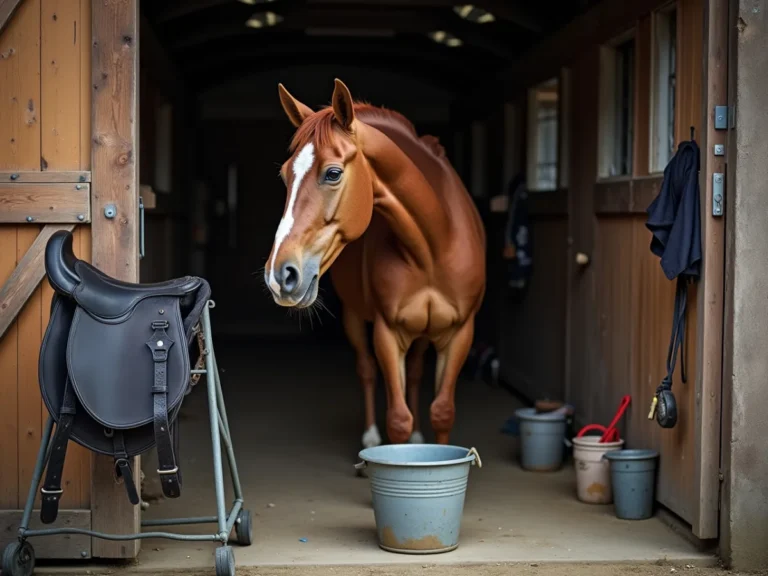
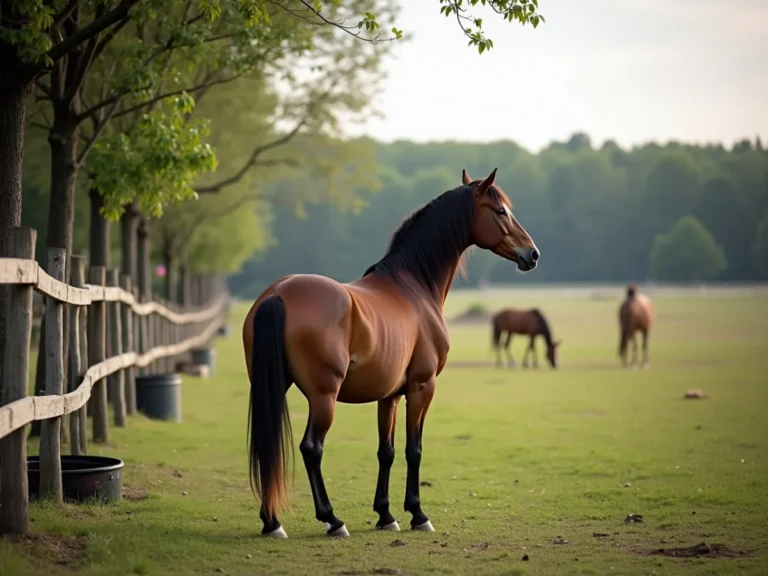
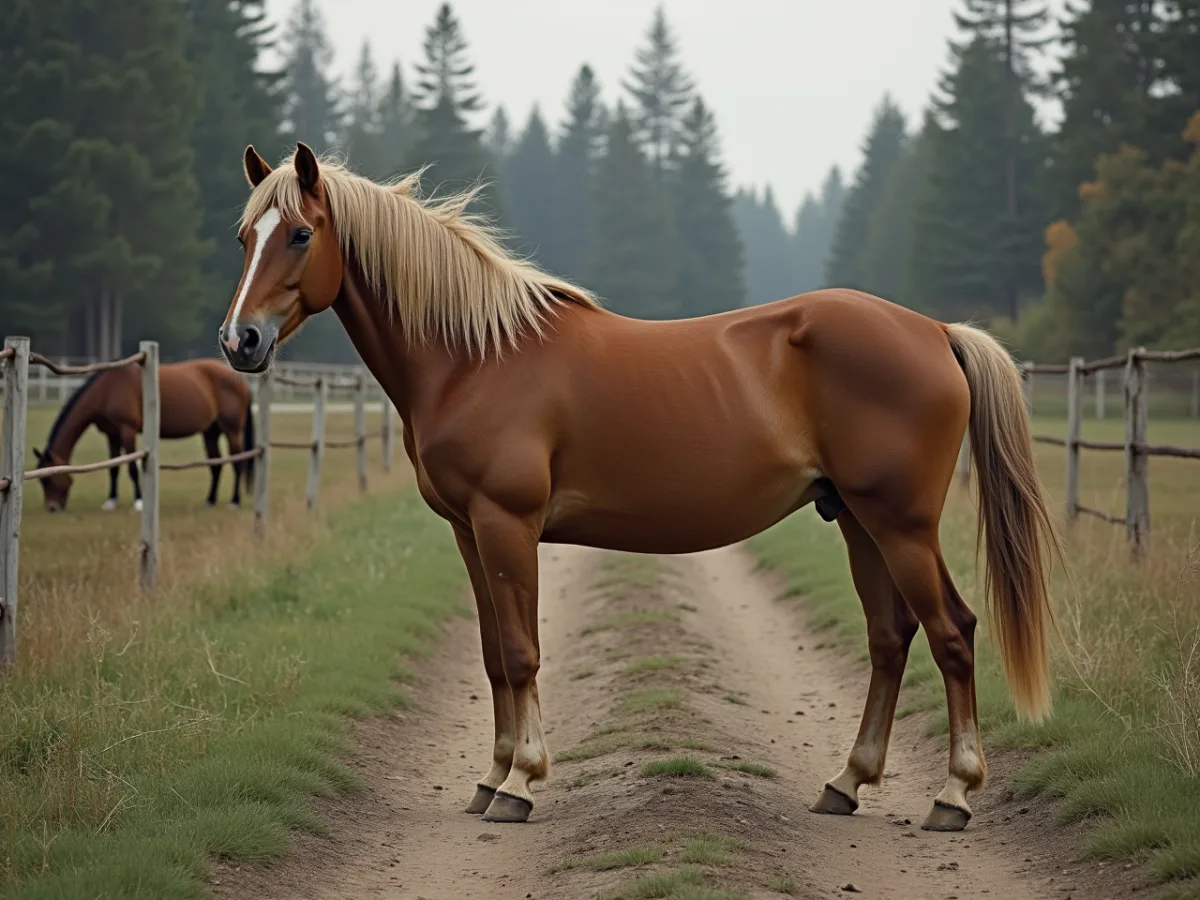
In daily handling, the pause may look very different depending on the context. A horse led from the stable may slow at the doorway, plant one foot, and stand for a second before stepping out. In a pasture, the horse may drift forward, stop at a fence line, and look toward a sound on the other side. Under saddle, the horse may come almost to a halt before entering a new arena corner or crossing a patch of unfamiliar footing.
These moments often seem small, but they tell a lot about the horse’s state of mind. A horse that pauses while keeping a soft neck and relaxed tail may simply be processing the environment. A horse that pauses with a tight body and fixed attention may be reacting to concern, confusion, or physical discomfort.
Owners sometimes notice the pattern most clearly during repeated routines. A horse may walk willingly on familiar paths, then pause at the same gate, same doorway, or same corner every day. That consistency usually points to a specific trigger rather than random behavior.
Internal Reasons Behind the Pause
1. Alertness and information gathering
Horses are highly responsive to what is happening around them. A pause gives them time to check the environment without committing to a step they do not fully trust. This is one reason horses may seem to “freeze” for a moment before moving on.
That stillness is often a sign of attention rather than defiance. The horse may be looking at a new object, listening to movement nearby, or simply deciding whether the area feels safe enough to cross.
2. Mild uncertainty
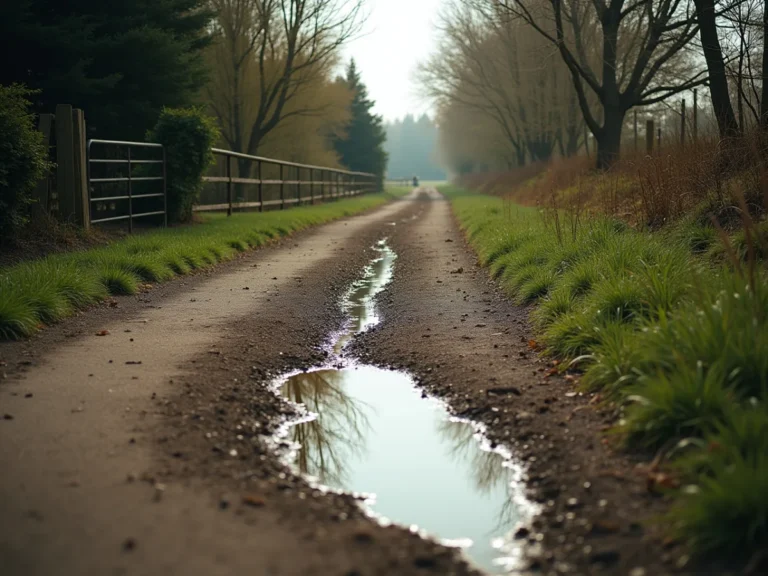
Some horses pause when they feel uncertain but not truly frightened. The horse may hesitate at a puddle, a hose on the ground, a trailer ramp, or a change in surface. The pause can be brief, and the horse may continue without further issue once it has evaluated the scene.
This kind of hesitation is common in horses that are thoughtful or cautious by nature. They often prefer to gather more information before making a move.
3. Physical effort or stiffness
Not every pause is emotional. A horse may slow down because the body needs a reset. Tight muscles, sore joints, fatigue, poor hoof balance, or a difficult angle can make continuous movement uncomfortable. In that case, the pause is less about fear and more about efficiency or relief.
When physical causes are involved, the horse may pause more often on one lead, on one rein, uphill, downhill, or after longer work. The pause can also appear together with shorter strides, uneven stepping, or reluctance to bend.
4. Habit and learned expectation
Some horses learn to pause because it has worked for them before. If stopping has led to a break, a closer look at something, or a change in direction, the habit may become part of their movement pattern. This does not always mean the horse is difficult. It can simply mean the horse has learned that pausing is a useful response.
When this becomes frequent, it helps to look at the setting and the horse’s past experiences. Repetition often has a cause, even when the cause is subtle.
How Surroundings and Stimuli Influence the Pause
Environment has a strong effect on whether a horse keeps moving or slows to a stop. Horses notice contrast in light and shadow, movement at the edge of their vision, strange noises, and changes in footing. A calm horse in one place may hesitate in another simply because the surroundings are busier or less familiar.
Weather can matter too. Wind can carry unusual sounds and smells. Rain can change the ground surface. Snow, mud, and wet leaves alter footing and can make a horse more deliberate with each step. Even a horse that is usually bold may pause longer when the ground feels unstable.
The behavior often becomes more noticeable in places with competing stimuli. Barn alleys, show grounds, trailheads, and transport areas all contain more uncertainty than a familiar paddock. A horse may pause to take in a cluster of new details before moving again.
If the pause happens only in one setting, the surroundings are often part of the explanation.
Common Places Where Pausing Shows Up
In the stall or aisle
Some horses pause at the stall door, before stepping into the aisle, or while crossing from one surface to another. The horse may be responding to a tight space, a sound from another horse, or anticipation of what comes next. Stall environments can make pauses more visible because movement is already limited.
In the pasture
Out in the field, a horse may pause when another horse moves suddenly, when a bird or dog passes nearby, or when the horse notices something at a distance. Pasture pauses often look softer than under-saddle hesitation. The horse may stop, watch, and then go back to grazing or walking.
While being led
Leading is a common time for pauses because the horse must balance its own response with the handler’s direction. A horse may hesitate at gateways, crosswalks, barking dogs, narrow paths, or unfamiliar ground. The pause may reflect uncertainty, or it may reflect tension between forward motion and caution.
Under saddle
Mounted pauses can mean many things. A horse may pause before entering a ring, before passing a flapping object, or when the rider asks for something the horse does not fully understand. Sometimes the horse pauses because the body needs a moment to reorganize. Other times the pause is a quiet protest against discomfort or pressure.
During transport
Loading, unloading, and moving near trailers can bring out pauses more often than many owners expect. The horse may stop at the ramp, in the doorway, or before stepping down onto new footing. In this setting, the pause often combines caution with sensory overload.
What the Pause May Signal About the Horse’s State
One of the most useful ways to read a pause is to notice whether the horse seems settled, alert, or guarded. A settled pause often comes with a loose body, even breathing, and an easy return to motion. The horse may stand quietly, then step forward without resistance.
An alert pause looks different. The horse may lift the head, orient the ears, and focus on one point. The body is ready to move, but the horse is waiting for more information. This is common and not automatically negative.
A guarded pause is more concerning. The horse may brace through the neck or back, plant the feet, narrow the nostrils, or refuse to shift forward. This kind of pause can suggest fear, pain, frustration, or a combination of all three.
Signals that often appear with a harmless pause
- Soft or shifting ears
- Loose tail and neck
- Normal breathing
- Brief glance at the environment
- Quick return to movement
Signals that suggest a stronger reaction
- Rigid body or raised head
- Fixed ears or wide eyes
- Holding breath or shallow breathing
- Backing up, spinning, or repeated stopping
- Reluctance to take weight on one limb
When the Pause Is Calm, Neutral, or Stress-Related
A calm pause often looks almost invisible. The horse simply slows, stands for a moment, and continues. There is no visible conflict in the body. This type of pause is common in horses that are confident and accustomed to their surroundings.
A neutral pause can happen when the horse is undecided but not upset. The horse may be taking in a new surface or waiting for the rider’s cue. It is a moment of processing. These pauses are usually short and easy to move through with patient handling.
A stress-related pause tends to hold the horse in place longer. The horse may be looking for an escape route, tensing the body, or showing signs of concern that build rather than fade. In those moments, the pause is part of a larger reaction, not just a brief check-in with the environment.
How People Often Misread the Behavior
People sometimes assume a horse that pauses is being stubborn. That interpretation can be too simple. What looks like resistance may actually be caution, confusion, discomfort, or sensory overload. A horse rarely pauses without a reason, even when the reason is not obvious.
Another common mistake is assuming all pauses mean fear. Some horses pause because they are thoughtful, not worried. Others pause because they are tired or sore. The same outward behavior can carry very different meanings.
It also helps not to ignore repetition. A horse that pauses in the same place every day is giving useful information. That place may feel slick, noisy, cramped, or physically uncomfortable. Patterns matter more than isolated moments.
Deeper Context in Horse-Human Interaction
The pause can reveal how a horse experiences the presence and timing of the person handling it. If the handler moves too quickly, gives mixed cues, or adds pressure before the horse is ready, the pause may lengthen. The horse is trying to reconcile human requests with its own sense of safety.
On the other hand, a patient approach can help the horse move through uncertainty more smoothly. Some horses only need a brief moment to look before they step forward. That small allowance can prevent bigger resistance later.
Trust also plays a role. A horse that trusts its handler may pause, inspect, and continue because it expects the situation to be manageable. A horse with less confidence may pause longer, especially in unfamiliar settings. The behavior is not just about the horse alone; it is shaped by the relationship around it.
Pausing is often a conversation between instinct, environment, and the horse’s experience with people.
How Long-Term Patterns Help Explain the Behavior
Looking at repeated pauses over time can reveal whether the horse is reacting to a specific trigger or showing a broader tendency. A young horse may pause more often because nearly everything is new. A mature horse may pause less, but still slow down when something stands out. An experienced horse may become very subtle, pausing only when its internal alarm is worth noticing.
Long-term observation also helps separate behavior from physical issues. If the pause becomes more frequent with age, after exercise, or during certain movements, discomfort may be part of the picture. If it only appears around new objects or locations, the trigger is more likely environmental.
Consistency matters. A horse that pauses occasionally may simply be attentive. A horse that pauses with increasing tension, uneven steps, or unwillingness to continue may need closer attention to comfort, training history, and surroundings.
Practical Ways the Pattern Can Differ by Situation
| Situation | What the pause may mean | What usually comes next |
|---|---|---|
| Familiar pasture | Brief attention to a sound or movement | Returns to grazing or walking |
| Gate or doorway | Check for sound, space, or routine change | Steps through after a short delay |
| Trail or outdoor path | Footing caution, new object, distance assessment | Moves forward slowly or looks first |
| Under saddle | Confusion, body adjustment, or environmental concern | Continues if pressure is clear and horse is comfortable |
| Trailer ramp | Uncertainty, past experience, balance concern | Hesitates, backs up, or eventually steps on |
What Usually Matters Most When Reading the Pause
The pause itself is only the first part of the story. The next step is to notice whether the horse relaxes, stays alert, or becomes more tense. A single pause is often manageable. A pause that grows into backing away, refusal, or visible distress deserves more attention.
It also helps to think about the horse’s condition before the pause happened. Was the horse fresh, tired, sore, distracted, or in a new place? Was the footing different? Was the cue clear? Small details can explain why movement stopped.
In many everyday cases, the safest response is not to rush the horse through the moment. A brief pause can give the horse time to organize its next step. When the body softens and the horse resumes, the pause has served its purpose. When it repeats or sharpens, it is worth looking deeper at what is causing the hesitation.
Horses move best when their surroundings feel understandable enough to accept. A pause is often the point where the horse decides whether that understanding is present yet. Sometimes the answer is yes, and the horse goes on. Sometimes the answer is not quite, and the horse needs one more second before continuing.