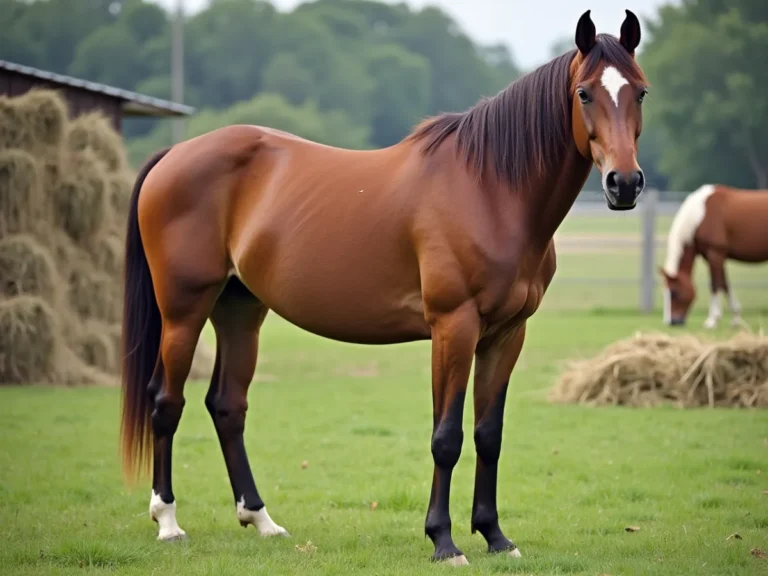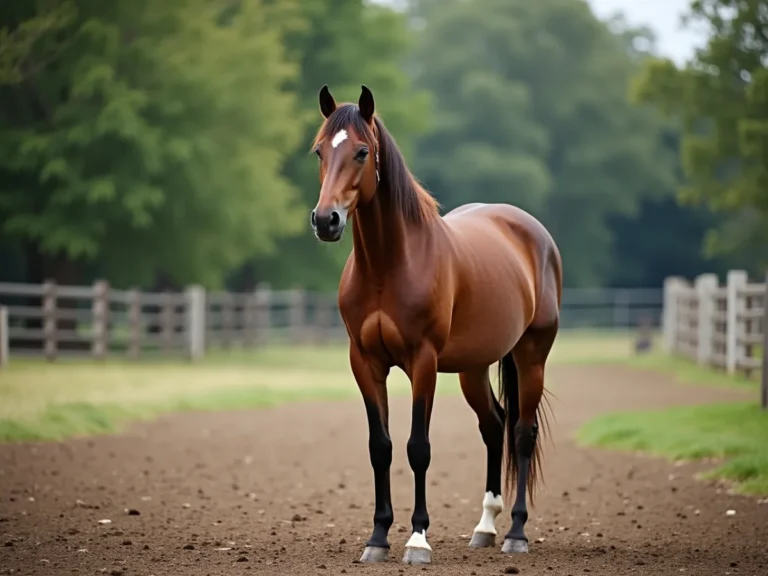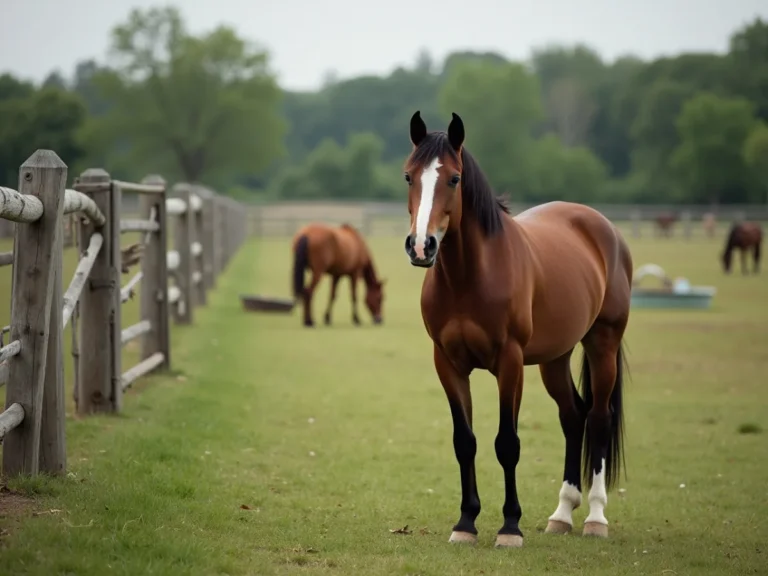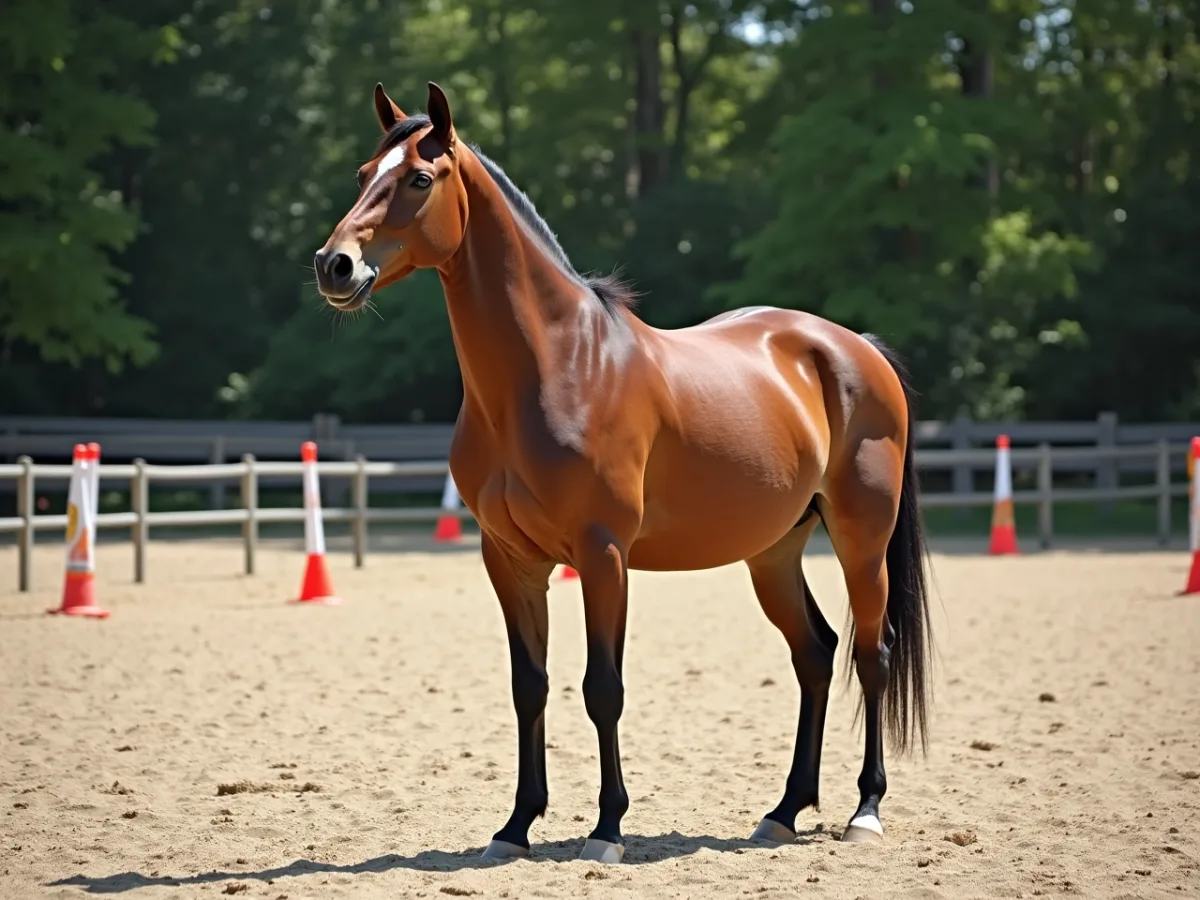
A horse can look perfectly settled one moment and then suddenly jump, whirl, freeze, or bolt at something that seemed ordinary a second earlier. To people, that reaction can feel random. To the horse, it is usually a quick answer to a signal the human did not notice, did not understand, or did not expect.
Spooking is not one single behavior. It can be a brief startle, a sideways leap, a hard stop, or a full flight response. Some horses recover in a few steps. Others stay tense long after the trigger is gone. What matters is not only what the horse did, but what was building underneath it.
In many cases, a spook is the visible edge of a much quieter process. A horse may have been noticing a sound, an object, a change in footing, pressure from equipment, body tension from the rider, or even a mood shift in the herd. The reaction happens fast, but the cause is often layered.
Why a Horse Spooks So Fast
Horses are prey animals, so quick reactions are part of how they stay safe. Their bodies are built to notice movement, sound, scent, and pressure with impressive sensitivity. That sensitivity is useful in the wild, but in everyday handling it can look exaggerated.
A horse does not usually wait to “think it through” the way people do. Instead, it scans for risk and reacts first. If something seems uncertain, the nervous system may choose caution over curiosity. That can mean stepping away from a shadow, jumping at a flapping jacket, or shying from a noise that a person barely heard.
When a horse spooks, the response is often less about disobedience and more about fast risk detection.
Some horses are naturally more reactive than others. Breeding, temperament, past handling, and current comfort all matter. A horse that has learned the world is generally safe may still spook, but the reaction often ends quickly. A horse that feels unsettled may stay on alert and react more often.
What a Spook Can Look Like in Real Life
Spooking does not always mean a dramatic jump to the side. The sign may be small and easy to miss at first. A horse might suddenly stop walking, raise the head, snort, swing the ears, or tighten the neck before any bigger movement happens.
Other horses give warning in a more obvious way. The body may coil, the hindquarters may brace, and the eyes may fix on one point. A split second later, the horse may leap away or spin. In riding, this can feel like the horse went from relaxed to explosive with no middle ground.
Common outward signs
- Sharp head lift
- Wide eyes or focused stare
- Rapid ear movement
- Snorting or hard exhale
- Sudden stop or hesitation
- Side jump, spin, or jump forward
- Muscle tightening through the neck, back, or hind end
Some spooks happen in motion, while others happen at rest. A horse may react in the stall to a sound in the aisle, in the field to a bird flushing nearby, or under saddle to an unfamiliar object beside the arena. The form changes, but the pattern is similar: the horse notices something quickly and chooses distance.
Internal Reasons Behind the Reaction
Not every spook is caused by the same internal state. A horse may be startled by something harmless, but the intensity of the response can reflect what is happening inside the horse at that moment. Stress, pain, fatigue, confusion, and anticipation can all lower the threshold for reaction.
A tired horse often has less patience for surprises. So does a horse that is sore in the back, feet, neck, or mouth. If movement hurts, the horse may become quicker to defend space and harder to settle after being startled. In that case, the spook is not the real issue; discomfort is.
An anxious horse may also react more strongly because it is already scanning for danger. The horse may not be calm enough to process a normal stimulus in a normal way. A rustling fence line or a loose cone at the end of the arena can feel bigger when the horse is already on edge.
A sudden spook can be a reaction to a trigger, but the size of the reaction often reflects the horse’s comfort level before the trigger appeared.
Emotional and physical contributors
- Fatigue from work or travel
- Hidden pain or stiffness
- Stress from a new environment
- Hunger, dehydration, or overheating
- Low confidence after a recent scare
- Anticipation of pressure from handling or riding
Some horses also have a stronger startle response by nature. They may not be more difficult. They may simply be quicker to react and slower to settle. With these horses, the surrounding conditions matter even more.
How the Environment Influences Spooking
Many spooks are tied to something in the environment, even if the cause is not obvious to the human eye. Horses notice movement at the edge of vision, shifts in light and shadow, unusual sounds, and changes in footing. What seems tiny to a person can stand out sharply to a horse.
Season and weather can change behavior too. Wind makes objects move in unfamiliar ways. Rain changes the sound of surfaces and can make footing feel different. A horse that is quiet in the indoor arena may be much more alert outdoors, where every branch, tarp, and vehicle adds another layer of input.
Routine matters as well. Horses often settle into predictable patterns, and sudden changes can make them uneasy. A new blanket, a different turnout group, a rearranged stall aisle, or a morning schedule that shifts by an hour may be enough to make one horse more reactive for the day.
Everyday triggers that often get overlooked
- Shadows across the ground
- Plastic bags, tarps, or flapping banners
- Loose dogs, wildlife, or birds
- Noisy machinery or trailers
- Unexpected scent changes from smoke, manure, or chemicals
- Footing that feels uneven, slick, or deep
- Mirrors, reflective windows, or puddles
Some horses build confidence with repeated exposure. Others remain sensitive to one certain type of trigger even after many calm experiences. A horse that is usually steady may still react sharply if the environment changes fast enough or if several small stressors stack up at once.
How Riders and Handlers Sometimes Misread It
People often assume a spook means the horse is being naughty, dramatic, or intentionally resisting. In reality, the horse is usually responding to a sudden internal alarm. That does not make every reaction harmless, but it does change how the behavior should be read.
A horse that startles and then returns to normal may have simply been surprised. A horse that keeps looking back, sweating, refusing to pass, or becoming more tense is telling a different story. The second version suggests the trigger is still important, or the horse has not regained confidence.
Handlers can also miss the quiet build-up before the spook. A horse may pin or flick the ears, shorten the stride, brace the neck, or shift the attention elsewhere before the bigger reaction arrives. Those early signals matter because they show the horse was already uneasy.
What looks like a sudden reaction is often preceded by small changes in attention, posture, and muscle tension.
Different Situations Where Spooking Shows Up
Spooking can appear in almost any part of daily horse life, but the context shapes the meaning. In the stable, a horse may react to a sudden sound, a swinging door, or activity in the aisle. In the pasture, the trigger may be another horse’s movement, a vehicle, or wildlife outside the fence.
Under saddle, the same horse may seem different because the rider adds balance demands, pressure, and expectations. A horse that is comfortable on the ground may still be sharp when mounted, especially if the horse is unsure about leg pressure, rein contact, or unfamiliar surroundings. Transport can create another layer of stress because sound, motion, and confinement all change at once.
Common settings and what can be behind the response
| Setting | Typical trigger | What it may indicate |
|---|---|---|
| Stable | Noise, door movement, unfamiliar object | Alertness, boredom, or worry |
| Pasture | Wildlife, wind, herd movement | Natural vigilance or herd tension |
| Riding arena | Shadow, banner, cone, sound | Environmental sensitivity or lack of confidence |
| Trail | New terrain, hidden sounds, moving objects | Heightened caution in unfamiliar space |
| Trailer | Motion, confinement, noise | Stress, discomfort, or travel anxiety |
The same outward behavior can mean different things in different places. A short sidestep in the barn aisle is not the same as repeated spinning on a trail ride. Frequency, intensity, and recovery time all help show whether the horse is simply startled or genuinely distressed.
What the Horse’s Body Often Reveals Before the Spook
Many horses give subtle signs before a bigger reaction. Those signs are easy to miss if attention is only on the feet. The head may rise, the nostrils may widen, or the breathing may become shallower. The body often becomes less swinging and more segmented.
In some horses, the eyes lock onto the trigger. In others, the ears do most of the work, flicking toward the sound or object with increasing intensity. A horse may also stop chewing, stop blinking as often, or feel “held” in the body instead of loose through the back.
When these signals appear, the horse is not necessarily about to explode. But the horse is saying attention has shifted. Once that happens, a tiny extra cue may be enough to tip the balance into a spook.
Subtle signals worth noticing
- Neck becomes rigid or elevated
- Weight shifts onto the hindquarters or forehand
- Hind legs step less freely
- Breathing becomes shallow or quick
- Tail becomes tight or held still
- Attention stays fixed on one spot
These details can help separate a harmless startle from a horse that is building toward a stronger reaction. A horse that notices, checks, and then relaxes is different from a horse that notices and cannot let it go.
When Spooking May Point to a Larger Issue
Occasional startles are part of horse life. Repeated or intense spooking deserves a closer look. If the pattern is new, stronger than usual, or tied to certain movements, it may point to pain, vision trouble, a poor fit of tack, or stress that has been building for some time.
Vision problems can make ordinary spaces feel uncertain. A horse with reduced sight may hesitate around dark corners, bright reflections, or objects that have moved. Dental discomfort, saddle pressure, lameness, and body soreness can also make a horse more defensive, especially when ridden.
Behavior changes after a move, a change in herd mates, a new training routine, or a long rest period can also show up as extra spookiness. The horse may not have forgotten how to be calm. It may simply be less secure in the current setup.
If a horse suddenly becomes much more reactive than usual, the cause is worth checking before treating it as a habit.
How Calm Handling Can Change the Pattern
Horses do not need human panic added to their own reaction. A rushed correction, loud voice, or tense body can increase the horse’s sense that something is wrong. Calm handling does not mean ignoring the spook. It means giving the horse a steadier picture of the world.
That steadiness starts before the horse reacts. A relaxed lead, quiet posture, and predictable cues help reduce the chance that every surprise becomes a bigger event. Under saddle, a balanced seat and soft hands can make recovery easier when the horse does startle.
After a spook, the goal is usually not to force immediate bravery. It is to help the horse regain a sense of safety and focus. For some horses, that happens in a few seconds. For others, it takes longer and depends on whether the trigger is still present.
Longer Patterns Matter More Than One Moment
A single spook does not define a horse. The pattern over time tells more. Some horses are naturally alert but steady in recovery. Others become more reactive when routines change, pain builds, or confidence drops. Watching the sequence helps separate normal startle from a deeper concern.
It can help to notice when the behavior happens, what was nearby, how quickly the horse relaxed, and whether the same trigger appears again. A horse that spooks once at a trash bin and ignores it the next day is showing a different pattern from a horse that becomes tense every time the barn door opens.
Consistency matters. The more a horse can predict daily life, the easier it may be to stay settled. When predictability breaks down, even a well-mannered horse may begin reacting to things that never seemed important before.
What a Sudden Spook Is Really Communicating
A horse that suddenly spooks is rarely acting from nowhere. The behavior usually reflects a mix of instinct, environment, comfort, and current stress load. Sometimes the horse is simply startled. Sometimes the horse is telling the handler that the setting feels wrong, the body hurts, or the situation is too much right now.
The reaction may be brief or dramatic, but the message is often specific. A horse that jumps at one object, recovers, and goes on may just be cautious. A horse that keeps tightening, avoiding, or repeating the same reaction is asking for more attention to the bigger picture. That picture includes footing, vision, sound, routine, soreness, and confidence.
When the cause is understood, the spook stops looking mysterious. It becomes a clue, and often a useful one. The horse is not reacting to create trouble. The horse is reacting because something in that moment felt important enough to answer right away.