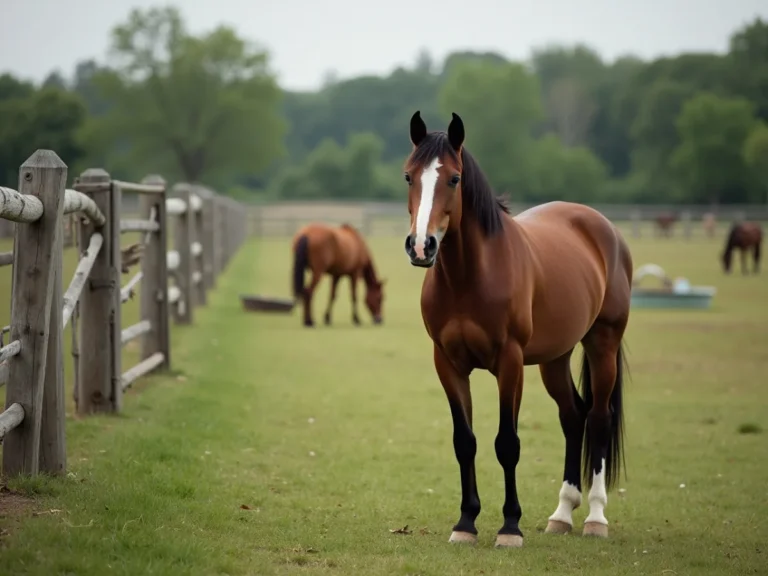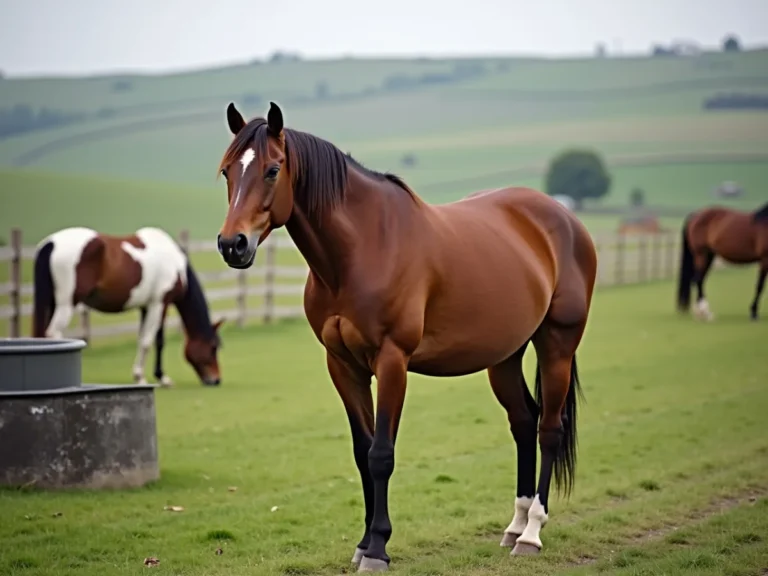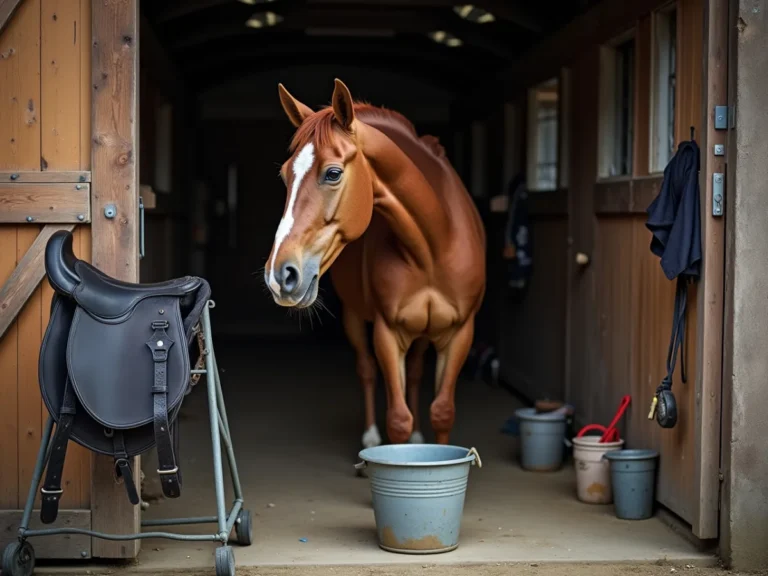
Horses often seem to react to a sound before a person has even noticed it. A soft snap from the trees, a gate latch shifting, a truck turning onto the road, and the horse is already looking up, ears fixed in one direction. That quick response can feel almost uncanny at first, especially when the sound is too faint for you to identify right away.
This sensitivity is not random. It comes from a mix of instinct, body design, and experience. Horses live by staying aware of what is happening around them, and sound is one of the fastest ways they gather information. What looks like nervousness in one moment may simply be a horse doing what horses are built to do: listen early and respond quickly.
In everyday life, this habit shows up in small ways. A horse may pause while grazing because of a distant noise, hesitate at the stable door when a vehicle passes, or stiffen under saddle before the rider notices anything unusual. Those reactions can be subtle or sharp, calm or defensive. The difference usually depends on the horse’s state of mind, the environment, and how familiar the sound feels.
Understanding this sensitivity helps make horse behavior easier to read. Instead of treating every quick ear flick or sudden look as a problem, it becomes easier to ask a better question: what did the horse hear, and how did it interpret it?
Why horses notice sound so quickly
Horses are prey animals, so their senses are tuned toward early warning. In the wild, noticing a sound before fully seeing the source could mean the difference between staying safe and becoming vulnerable. That background still shapes how domesticated horses respond today, even when they live in safe barns and fenced paddocks.
Their ears are highly mobile and can rotate independently. That gives them a wide range of auditory awareness, and it also helps them judge direction quickly. A horse does not need a sound to be loud to find it important. Sometimes a quiet but unusual noise gets more attention than something louder and familiar.
Sound sensitivity is also tied to memory. A horse may ignore a common barn noise but react strongly to a sound that once led to a stressful event. A plastic bag flapping in the wind may seem harmless to a person, but if that sound has appeared near a scary experience before, the horse may treat it differently.
For horses, “hearing something” is not just about volume. It is about meaning, movement, repetition, and whether the sound fits into what they already know.
How this behavior appears in real handling situations
In the stable, sound sensitivity may show up before a person even opens a door. A horse may already be standing at the front of the stall because it heard the feed cart, a halter being picked up, or a familiar voice in the aisle. That kind of early response is common and often harmless. It can even be a sign that the horse recognizes a routine and is mentally engaged.
Other times, the same sensitivity creates tension. A horse may tense when someone drops a tool, when metal bangs in the aisle, or when an unfamiliar dog barks nearby. The horse may hold its body still, widen its eyes slightly, and keep its ears locked toward the noise. If the sound continues or changes suddenly, the horse may step sideways, swing the hindquarters away, or pin more energy into a ready-to-move posture.
During grooming, saddling, or leading, sound sensitivity often appears as a brief pause. The horse may stop chewing, shift weight, or raise its head to assess the source. Some horses return to calm almost immediately. Others need a moment longer, especially if the sound came from outside their usual routine.
Common situations where sound sensitivity shows up
- Vehicles passing near the barn or arena
- Gates, latches, and metal buckets clanging together
- Dogs barking, birds suddenly taking off, or wildlife moving in brush
- Tarps, umbrellas, flags, and loose objects moving in the wind
- Footsteps, voices, or equipment in unfamiliar patterns
- Echoes in indoor arenas or enclosed spaces
What matters most is not just the sound itself, but the horse’s reaction to it. A horse that turns an ear and keeps eating is showing a different response from one that freezes, braces, or tries to leave the area. The first is awareness. The second is concern.
What the body often reveals before the full reaction
Sound sensitivity rarely starts with a dramatic move. It often begins with small shifts. The ears change position first. Then the neck may lift, the nostrils may flare slightly, or the horse may stop blinking for a second. These tiny changes tell you the horse is listening before the bigger response arrives.
A loose, quiet horse may still notice a sound without changing posture much. The head turns, the ears track, and then the body settles again. That kind of response suggests interest, not alarm. By contrast, a tense horse may hold its neck rigid, clamp the muscles around the shoulders, or shift weight toward the hind end as if preparing to move away.
People sometimes miss these early signs because they are quick and easy to overlook. A horse may appear calm from a distance but be internally focused on a sound that no one else caught. By the time the human notices the problem, the horse may already have built up enough concern to act in a stronger way.
Ear position, neck tension, and weight shifts often tell the story before the horse’s feet do.
Possible internal reasons behind the reaction
Some horses are naturally more alert than others. Just like people, they vary in how sensitive they are to changes in the environment. One horse may seem to notice every small noise, while another remains much less reactive. That difference can come from breeding, individual temperament, early experiences, and daily handling.
Past experiences matter a lot. A horse that has been startled by sudden noises may stay more watchful around similar sounds later. Even one uncomfortable event can make a horse more cautious. On the other hand, a horse that has been gradually exposed to different sounds in a steady, low-pressure way may learn to filter out a lot more background noise.
Physical comfort also plays a role. A horse that is sore, tired, or carrying tension may be less able to process noise calmly. When the body already feels on edge, a sound that would normally be manageable can trigger a bigger reaction. In that sense, sound sensitivity is not always about the sound alone. It can reflect the horse’s overall state.
Internal factors that can increase sensitivity
- Fatigue or lack of rest
- Pain or physical discomfort
- Recent stress or changes in routine
- Limited exposure to varied environments
- Strong memory linked to a similar noise
- General nervous temperament
None of these factors makes a horse “bad” or unusually difficult. They simply explain why one day may look different from another. A horse that is usually relaxed around noise can still show heightened awareness when something in the body or routine is off.
How environment changes what the horse hears
The same sound can feel very different depending on where the horse is standing. In an open pasture, a distant truck may be just another background event. Inside a barn, however, the same truck might be harder to place because of walls, corners, and echoes. The horse hears the noise but has less immediate information about where it is coming from.
Weather also matters. Wind can scatter sounds, make objects move unexpectedly, and turn ordinary things into temporary sources of noise. Rain on a roof, branches tapping a fence, or plastic shifting in a field can all change the soundscape. Some horses ignore these changes. Others become more watchful because the environment itself feels less predictable.
Routine affects interpretation too. Horses learn the everyday rhythm of a stable. They know when feed arrives, when doors open, when the arena is usually busy, and when the barn is quiet. A sound that fits the pattern may be accepted quickly. A sound that breaks the pattern stands out.
| Setting | Common sound effect | Typical horse response |
|---|---|---|
| Pasture | Distant traffic, wildlife, wind | Brief ear turn, then return to grazing |
| Stable | Metal, voices, feed carts, doors | Attention shifts quickly; some horses wait expectantly |
| Arena | Echoes, footsteps, equipment noise | May become more alert because location is enclosed |
| Transport | Rattling, engine noise, movement | Often heightened vigilance, especially if travel is new |
Transport is often the strongest example. In a trailer, the horse cannot fully see what is causing each sound, and the whole experience may feel unstable. A rattle that would be minor in the barn can become meaningful when paired with motion, vibration, and reduced visibility.
When sound sensitivity is calm, and when it is not
Not every reaction to sound means the horse is anxious. A calm horse may notice a noise, orient toward it, and then move on. That response is part of normal awareness. It shows the horse is taking in information without becoming overwhelmed.
A more reactive response usually looks different. The horse may brace, startle, snort, rush a step, or insist on moving away from the source. The body may stay tense even after the sound ends. The horse may also keep checking back repeatedly instead of settling after the first look.
There is also a middle ground that people often overlook. Some horses do not bolt or spook, but they become quietly guarded. They shorten their stride, hold their head slightly higher, or seem less interested in eating or relaxing. That kind of response can be easy to miss because it is subtle, yet it still shows that the horse has noticed something and has not fully released the concern.
Soft signs and stronger signs can look very different
- Soft sign: ears turn toward the sound, then relax
- Soft sign: the horse pauses but keeps chewing
- Soft sign: a brief head lift with no change in gait
- Stronger sign: sudden freeze with tightened muscles
- Stronger sign: quick sideways move or attempt to leave
- Stronger sign: repeated startle after the first noise passes
These differences matter because they help separate simple awareness from stress. A horse that notices sound early is not necessarily overreacting. The question is whether it can process the sound and return to a steadier state, or whether it stays locked into vigilance.
How people misread sound sensitivity
People often assume a horse that reacts to sound is being dramatic or difficult. In many cases, that interpretation misses the real pattern. The horse may not be trying to challenge the handler at all. It may simply be responding honestly to what its senses detect.
Another common misunderstanding is to treat all quiet reactions as harmless and all visible reactions as dangerous. That does not hold up well in practice. A horse that seems quiet can still be deeply tense, while a horse that gives a quick startle may settle right away and move on. The full picture is more important than the size of the response.
Some owners also mistake consistent sound awareness for disobedience under saddle. If a horse looks toward a noise while riding or refuses to soften for a moment, it may be processing its surroundings, not ignoring the rider. That does not mean every reaction should be excused. It does mean the sound context deserves attention before drawing conclusions.
A horse that reacts to sound is often communicating uncertainty, not disrespect.
How sound sensitivity fits into horse-to-human interaction
Horses live close to human routines, but their senses do not automatically match ours. People speak more than they hear. Horses often hear more than they can explain. That mismatch can create small misunderstandings each day, especially in busy barns or during training sessions with many moving parts.
When a horse notices a sound before a person does, it can be tempting to dismiss the response if nothing visible appears right away. But the horse may already be evaluating several things at once: where the sound came from, whether it is familiar, whether it changed suddenly, and whether other horses reacted too. In herd settings, one horse’s response can quickly influence another’s.
That herd effect is easy to see in a field. If one horse lifts its head sharply, another may do the same a moment later, even before the sound becomes obvious to the human observer. The behavior spreads because horses pay attention to one another’s alertness. A group response does not always mean danger, but it does show how seriously horses take early warnings.
In daily handling, this is why timing matters. A horse that is already attentive to sound may need a slower approach when the environment is noisy. Giving the horse a second to listen, rather than forcing immediate focus elsewhere, often creates a more settled response. That does not mean delaying every task. It means respecting the fact that the horse is gathering information differently from a person.
What long-term observation tends to reveal
Sound sensitivity is often consistent in broad shape, but flexible in detail. A horse may always be more alert than average, yet still improve with experience and stable routines. Another horse may remain quiet in most settings but become more reactive in one specific place, such as a trailer, indoor arena, or busy show grounds.
Long-term observation shows patterns that single moments can hide. Some horses react mainly to sudden sharp noises. Others respond more to new sounds that are hard to place. Some are unsettled by repeated background noise, while others are bothered only when a familiar sound happens in an unexpected way. Once those patterns are noticed, the horse’s behavior becomes easier to predict.
It is also useful to watch what happens after the first reaction. Does the horse recover quickly? Does it keep scanning the environment? Does it settle when it hears the same sound again and realizes it is harmless? Recovery time tells a lot about how the horse is processing the moment.
Questions that help clarify the pattern
- Did the horse react to a new sound or a familiar one?
- Was the sound sudden, repetitive, or distant?
- Did the horse settle within seconds or stay tense?
- Was the horse already tired, sore, or worried?
- Does the reaction happen in one place more than others?
Patterns like these are more useful than labels. They show whether the horse is simply alert, easily startled, or carrying stress that needs closer attention.
When the sound response becomes part of everyday communication
Once a horse’s sound sensitivity is understood, it becomes easier to work with rather than against it. A horse that reacts early is often offering useful information about the environment. It may be sensing a vehicle before it appears, noticing movement in the trees, or picking up on a barn noise that signals a change in activity.
This does not mean every reaction should be treated as correct. Some horses build habits around sound and become too quick to expect trouble. But even then, the pattern usually started with a real sensory input, not imagination. The response may grow larger than the event, yet the first cue still matters.
In practical terms, the best approach is usually to watch the horse’s body before asking for more. If the ears are active, the neck is tight, and the horse is still processing the noise, a brief pause may help. If the body relaxes quickly, the horse may be ready to continue without much concern. Those small moments of adjustment can make daily handling smoother.
The goal is not to stop a horse from hearing early. The goal is to understand what the horse does with that information.
Closing thought on early sound awareness
A horse that notices sounds before people do is not being mysterious. It is showing a normal and deeply rooted part of horse behavior. The reaction may be quiet, fast, dramatic, or barely visible, but it almost always carries information about the horse’s state and the environment around it.
When that awareness is read well, the horse’s early response stops feeling like a surprise and starts making sense. A lifted head, a fixed ear, a brief pause, or a quick glance toward the source of a noise all fit into a familiar pattern. Horses do not need loud alarms to stay attentive. Often, a barely noticeable sound is enough to remind them to listen first and decide second.