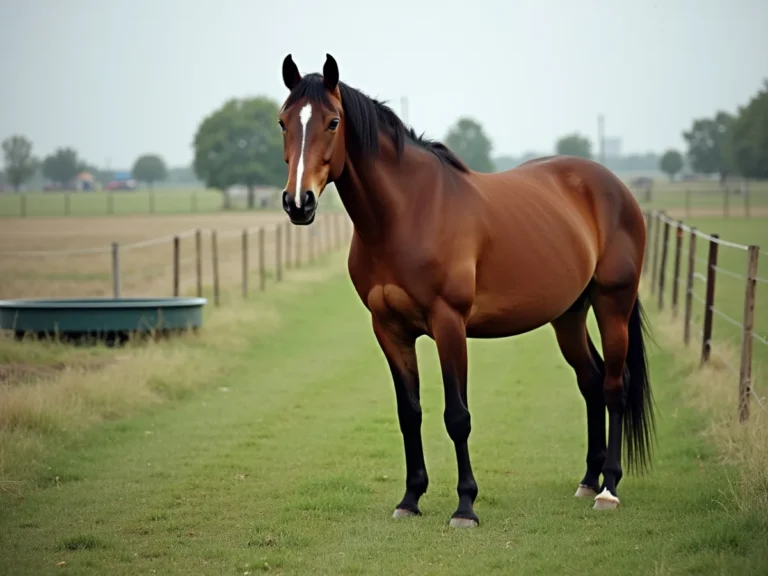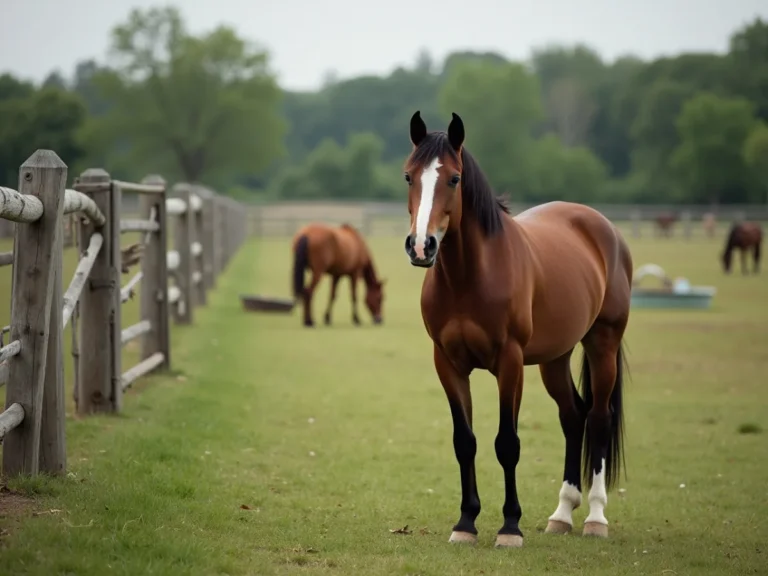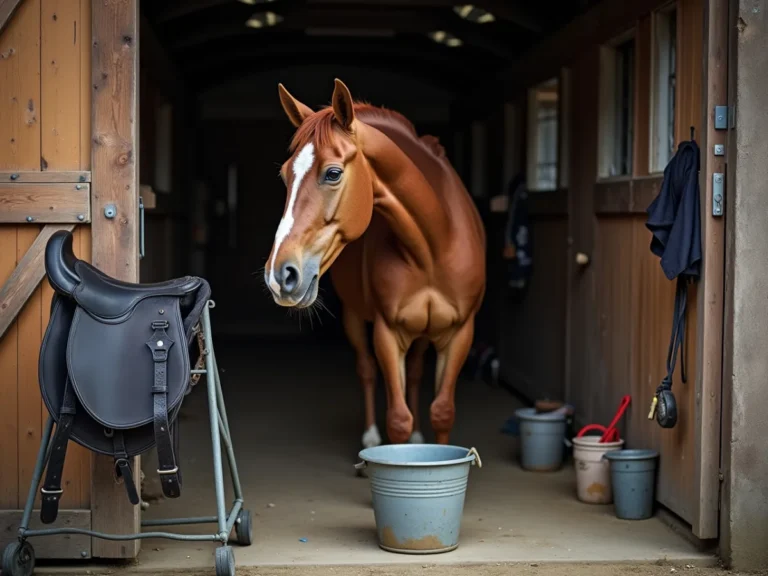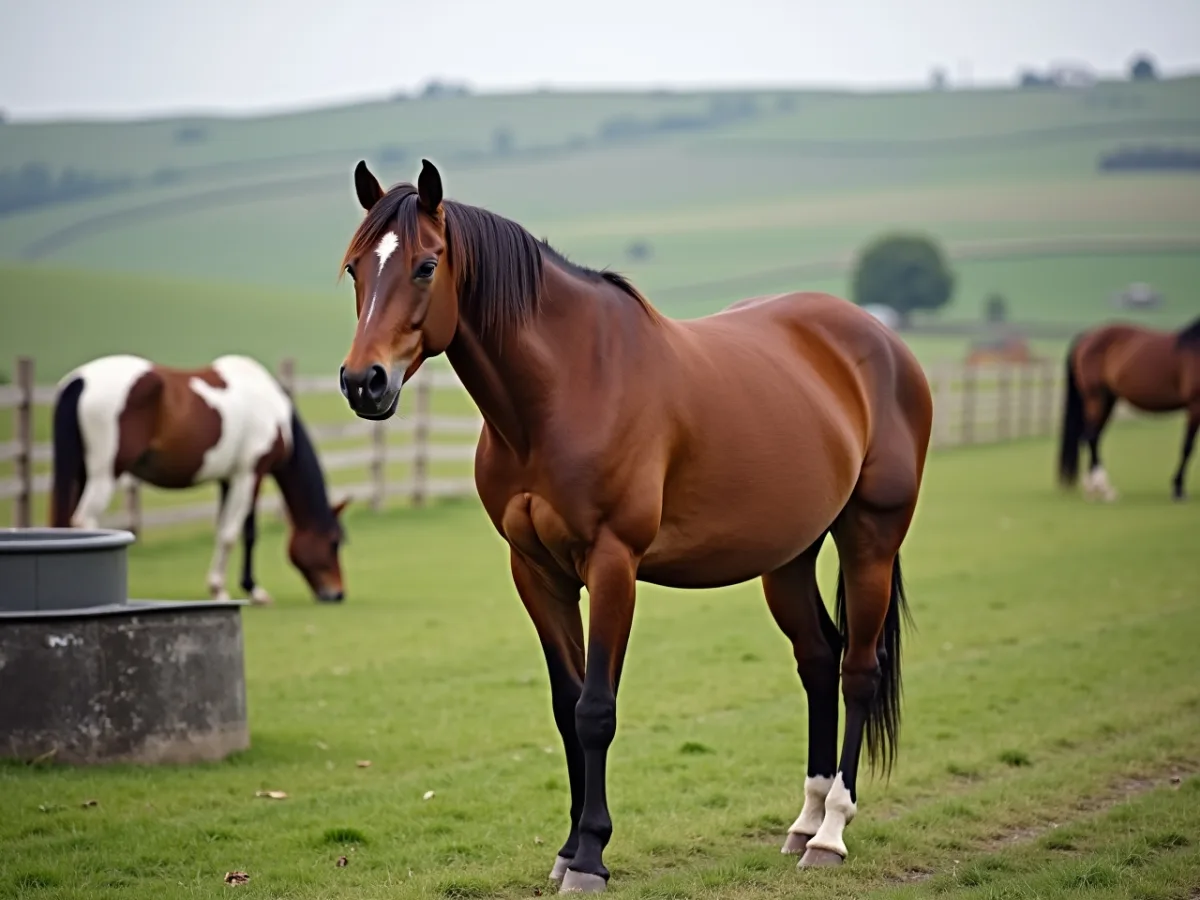
Long periods of stillness in horses can look peaceful from the outside. A horse standing quietly in the paddock, on the crossties, or at the edge of a trail may seem almost unfinished, as if it is waiting for something to begin. But stillness is not always the same thing as passivity. Sometimes it is rest. Sometimes it is alertness. And sometimes it is a horse’s way of holding itself together in a world that feels uncertain.
People often notice stillness only when it feels unusual. A horse that normally walks the fence line but suddenly stands for long stretches may catch the eye. So may a horse that becomes very quiet in the arena, no longer shifting, pawing, or calling out. The change can be subtle, and that is what makes it worth paying attention to. Horses are naturally observant animals, and their still moments often carry more information than they first appear to.
Stillness can happen in a variety of settings: in the stall after turnout, in the field with a herd, during grooming, while tied, or when asked to stand under saddle. In some cases, it is a simple sign that the horse feels safe enough to relax. In other cases, it may be a response to fatigue, discomfort, confusion, stress, or a change in the environment. The context matters. So does the horse’s usual pattern.
Why Horses Spend Long Periods Standing Quietly
Horses are built to conserve energy. In the wild, they move often, but they also spend a great deal of time standing, grazing, and watching. A quiet horse is not necessarily an inactive horse. The body may be resting while the mind stays engaged with the surroundings. This balance is one reason stillness is so common in horses and so easy to misunderstand.
One of the simplest reasons for long stillness is comfort. Horses that feel secure in their surroundings may settle into a steady stance, lower their head, and remain in one place for a long time. In a pasture, that can happen while grazing pauses between bites. In a stall, it may happen when the horse is simply resting. The posture is usually loose rather than rigid, and the horse may shift weight occasionally or blink slowly.
Stillness can also reflect attention. Horses notice movement, sound, scent, and changes in herd dynamics. A horse may stand motionless while watching a new object, listening to something in the distance, or tracking the behavior of another horse. This kind of stillness is not blank. It is active in a quieter way.
Long periods of stillness are best understood by watching the whole horse, not just the fact that it is standing still.
There is also a physical side to consider. A horse that is tired after exercise, long trailer travel, hot weather, or a stressful day may become much quieter than usual. That stillness may be perfectly normal, but it can also be a clue that the horse needs recovery time. The difference between healthy rest and concerning withdrawal often shows up in posture, appetite, and responsiveness.
How Stillness Appears in Everyday Situations
In the stall
Some horses spend a lot of time standing quietly in the stall, especially after turnout or work. They may rest a hind leg, lower the head slightly, and remain calm for extended periods. If the horse is eating, drinking, and reacting normally when approached, the stillness is often just part of an ordinary routine.
When stall stillness becomes more pronounced, it is worth noticing whether the horse is also isolated, bored, stiff, or less interested in the surroundings. A horse that stands in one spot for hours with a fixed stare or little response to routine activity may be telling you something different from a horse that simply relaxes between meals.
In the pasture
In a field, stillness can blend with grazing and resting. Horses often stand in clusters, doze, or watch the herd. A horse may remain in the same place for a long period because the group is settled, because the weather is warm, or because the horse is conserving energy. This is often normal and should be read alongside the herd’s overall pattern.
If a horse isolates itself from the group and remains still for an unusual length of time, especially with lowered energy or a tucked posture, that may point to discomfort or social stress. Some horses become still when they feel pressured by a dominant herd mate or uncertain about movement in the field.
During grooming or handling
Quiet standing during grooming is often a sign of trust and good manners, but it can also be a response to uncertainty. A horse that freezes during certain touches may not be relaxed at all. It may be holding still because it is trying to process what is happening. Tension in the jaw, tight neck muscles, a fixed eye, or shallow breathing can make the difference clear.
Long stillness during handling can also appear in horses that are very polite and trained to stand. These horses may look calm even when something feels off internally. For that reason, handlers often need to look past the surface and notice small changes in breathing, muscle tone, and ear position.
Under saddle
Under saddle, stillness can mean a horse is waiting for a cue, pausing in balance, or mentally checking out. Some horses stand quietly at a mounting block or between exercises without any issue. Others become very still when confused or tense. A horse that stops moving forward, becomes hard to motivate, and looks inward rather than outward may not be relaxed. It may be inhibited.
The same behavior can have different meanings depending on whether the horse is soft, responsive, and loose, or dull, rigid, and reluctant. That is why riders often need to notice the details around the stillness rather than the stillness alone.
During transport
Trailer travel often changes a horse’s behavior. Some horses stand quietly for the entire trip, bracing just enough to stay balanced. Others become very still once they arrive and are unloaded, as if they need time to reorient. Long stillness after travel may simply reflect fatigue, but it can also reflect stress or mild disconnection from the environment.
If the horse is reluctant to move, seems stiff, or remains unusually quiet after unloading, it helps to check hydration, soreness, and general recovery. A horse that has traveled well but then stands without interest in food, water, or movement may need closer observation.
What Stillness May Signal About the Horse’s State
Stillness is not a diagnosis. It is a behavior, and like many horse behaviors, it has layers. The same horse can stand quietly for one reason in the morning and a different reason in the afternoon. The key is to pay attention to consistency, body language, and the circumstances around the behavior.
One common meaning is relaxation. A horse that feels secure often shows a soft body, even weight distribution, loose lips, and an easy eye. It may stand quietly with one hind leg resting, and it may respond readily when asked to move. This is the kind of stillness people usually hope to see.
Another meaning is concentration. Horses can become very still when they are processing a new environment, a sound, or a task. That stillness is often temporary. The horse may be listening rather than withdrawing. Ears will usually be active, the neck may stretch or lift slightly, and the horse will shift position once it has gathered enough information.
Stillness can also signal discomfort. A horse with pain in the feet, back, neck, or joints may reduce movement to avoid making the issue worse. These horses often seem guarded. They may stand squarely but rigidly, avoid turning, or become reluctant to move off. Some horses appear calm while quietly coping with discomfort, which can make the sign easy to miss.
If a horse’s stillness comes with stiffness, dullness, poor appetite, or resistance to movement, it deserves closer attention.
Stress is another possible layer. When horses feel overwhelmed, they may stop moving as much, especially if they do not know what to do. This kind of stillness can look almost polite from a distance. Up close, though, it often has tension behind it. The eyes may be wide or fixed, the nostrils tight, and the breathing shallow. The horse may seem present but not fully available.
There is also a more subdued type of stillness that appears in horses that are mentally shut down. These horses are not necessarily calm. They may simply have reduced expression because they have learned that freezing is the safest response. This is especially important in horses with a history of inconsistent handling or repeated pressure. Their stillness may be a quiet form of self-protection.
Subtle Signals That Change the Meaning of Stillness
To understand long periods of stillness, it helps to read the whole body. A horse does not usually freeze for no reason, and the surrounding signals often tell the story.
-
Ears: Soft, mobile ears often point to relaxation or quiet attention. Ears pinned back, fixed forward for long periods, or rapidly switching can suggest tension or concern.
-
Eyes: A soft eye and frequent blinking are usually more reassuring than a hard stare or widened eye.
-
Neck and topline: Loose, flowing muscle supports calm stillness. A tight crest, raised neck, or braced topline suggests guardedness.
-
Mouth and jaw: A relaxed muzzle and chewing motions can show ease. A tight jaw or compressed lips may show restraint.
-
Weight distribution: Resting a hind leg or standing evenly can both be normal. A horse that braces all four legs or avoids shifting may be less comfortable.
-
Breathing: Slow, regular breathing supports calm. Shallow or held breathing can reveal stress or pain.
These details matter because stillness can hide a lot. A horse that appears quiet from the barn aisle may be working very hard inside. Another horse may look motionless because it is deeply relaxed, almost sleepy. The difference is visible when you know where to look.
How Environment Shapes Long Stillness
Surroundings have a strong influence on how long a horse stays still. Horses are sensitive to routine, noise, weather, herd movement, and human activity. A familiar, predictable setting tends to produce steadier behavior. A busy or changing environment often creates more alertness, which can either shorten or deepen stillness depending on the horse.
Weather is one example. In hot, humid conditions, many horses stand quietly to conserve energy and avoid unnecessary movement. In cold, wet weather, they may also remain still longer than usual, especially if they are protecting themselves from wind or trying to stay warm. The same horse may look lazy in one season and settled in another, when the truth is much simpler: the body is adapting.
Herd dynamics matter too. A horse in a stable, comfortable group may stand quietly for long stretches because the social environment is settled. If that group changes, the same horse may become much more alert or withdrawn. Horses often mirror the tone of the herd, and stillness can increase when the group feels safe or decrease when it feels unstable.
Noise and activity can cut both ways. Some horses become restless when barns are busy. Others freeze in place and watch. A parade of dogs, tractors, clanging buckets, or unfamiliar visitors may produce a still, watchful horse that is evaluating rather than resting. In a different horse, the same scene may create avoidance or movement. The temperament of the individual matters.
Routine is another major factor. Horses thrive on patterns. Feeding times, turnout schedules, exercise routines, and handling habits all influence how settled a horse feels. A horse with a predictable day often shows more balanced stillness because the environment makes sense. A horse whose routine has been disrupted may stand still in a different way, one that reflects uncertainty or waiting.
What Long Stillness Looks Like Over Time
One still moment does not mean much by itself. Repeated patterns tell the more useful story. A horse that stands quietly after turnout every day and then moves with energy once it begins to graze or walk may simply be resting. A horse that becomes progressively quieter over several days, with less interest in food, work, or other horses, may be showing a change in physical or emotional state.
Long-term observation is especially helpful when a horse’s personality is naturally calm. Some horses are simply low-key. They stand more than they move, watch more than they react, and seem content in quiet spaces. For those horses, the challenge is not to interpret every pause as a problem. It is to notice when the pattern changes.
That change may be subtle. A horse that usually turns to greet a handler may stop doing that. A horse that normally shifts around during grooming may become very still. A horse that once grazed steadily may spend more time in one place, with a lower head and less engagement. These shifts may point to soreness, emotional fatigue, environmental stress, or aging.
Age can matter as well. Older horses may stand still more often because they tire more easily, recover more slowly, or move less freely. That stillness may be normal for them, but it should still be viewed in the context of mobility, appetite, and general comfort. A senior horse that stands quietly is not automatically in trouble. A senior horse that stands quietly and seems reluctant to step off may be telling a different story.
Calm Stillness vs. Reactive Stillness
Not all stillness feels the same, even when the body looks similar at first glance. Calm stillness is open and easy. Reactive stillness is controlled, braced, or defensive. Both can involve a horse standing in place for a long time, but the internal state is different.
Calm stillness often comes with loose muscles, slow blinking, and a steady posture. The horse may seem to settle into the ground. It can be a sign that the horse trusts what is happening and does not need to keep adjusting. This is common in horses that are familiar with their space, their herd, and the people around them.
Reactive stillness is more like holding breath. The horse may stop moving because it has noticed something uncertain or because it is trying not to escalate the situation. The body may look neat and quiet, but underneath there is tension. The horse may be ready to bolt, brace, or resist if pressure increases.
That difference matters when handling, riding, or evaluating a horse’s health. A calm horse can remain still and still be mentally available. A reactive horse may appear equally motionless while actually being very keyed up. If the stillness disappears as soon as the environment changes, that can be a clue that it was never true relaxation in the first place.
When Stillness Becomes a Concern
Long stillness deserves more attention when it is paired with other changes. These can include reduced appetite, less drinking, stiffness, weight shifting, lying down more or less than usual, reluctance to move, or a dull response to familiar cues. The pattern is more important than any single sign.
Some horses become very still before obvious illness appears. They may not colic dramatically or show clear lameness right away. Instead, they stand apart, move less, and seem quieter than normal. This can happen with pain, fever, digestive upset, or general malaise. The horse is not always able to tell us directly, but behavior often changes before the condition is easy to name.
There are also horses that become still because they are overstimulated and do not know how to respond. In those cases, pushing for movement too quickly can make the horse more uncertain. A better first step is usually to slow down, observe carefully, and look at the environment. Sometimes the horse needs relief from noise, pressure, or confusion more than it needs more handling.
A horse that is unusually still, especially if the change is new, should be observed in the full context of appetite, posture, movement, and responsiveness.
Reading Stillness with More Accuracy
The most useful habit is to know what is normal for a particular horse. Some horses are naturally quiet and stay in place for long stretches. Others are more restless and rarely stop moving. Neither pattern is better on its own. What matters is the difference between a horse’s baseline and its current behavior.
When a horse is still, consider a few practical questions. Is the horse eating? Is it alert but relaxed, or fixed and tense? Does it respond when approached? Does it move freely when asked? Has the weather, routine, herd makeup, or workload changed recently? The answers often reveal whether the stillness is ordinary, protective, or a sign of discomfort.
It can also help to watch how the horse breaks stillness. A relaxed horse usually moves on without drama. It may lift its head, blink, shift its weight, and step forward smoothly. A tense horse may take a long time to begin moving, brace first, or react sharply when finally asked. That transition tells you a lot.
Stillness is part of normal horse behavior, and in many cases it is a healthy one. Horses do not need to be active every minute to be content. But when stillness lingers in a way that feels different, the details around it become important. The body will usually give away the answer if it is watched with patience and without assumptions.