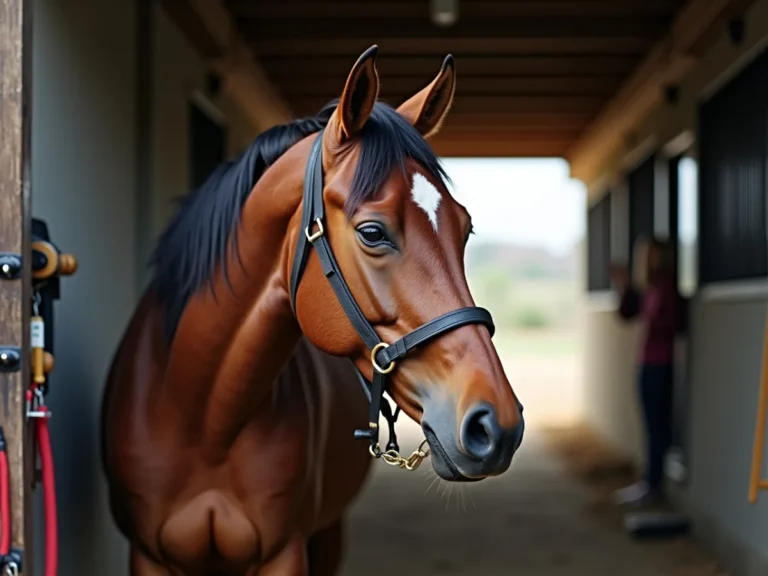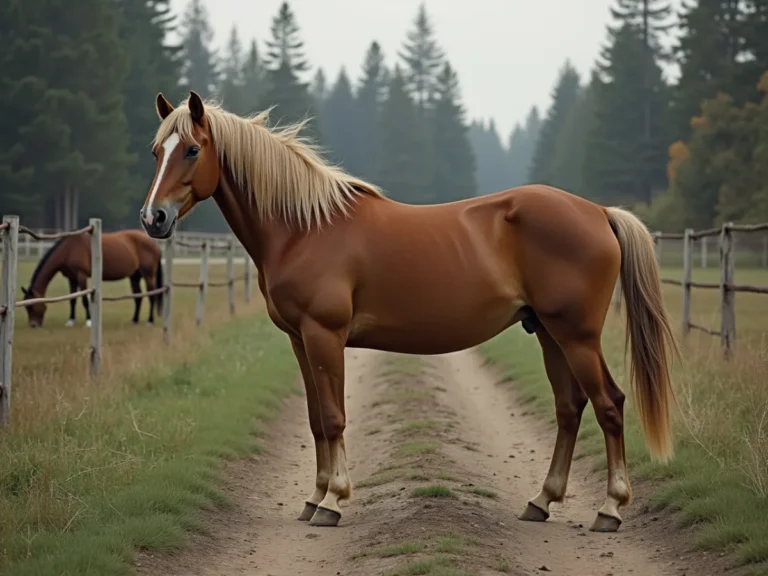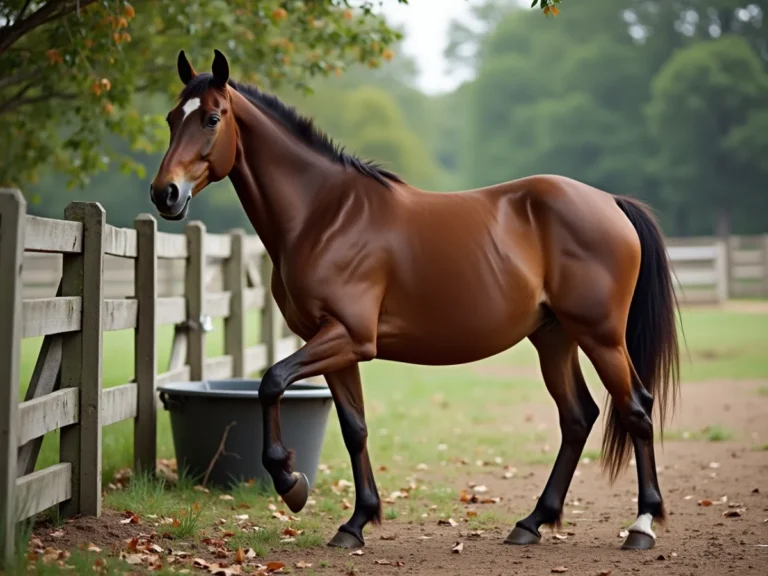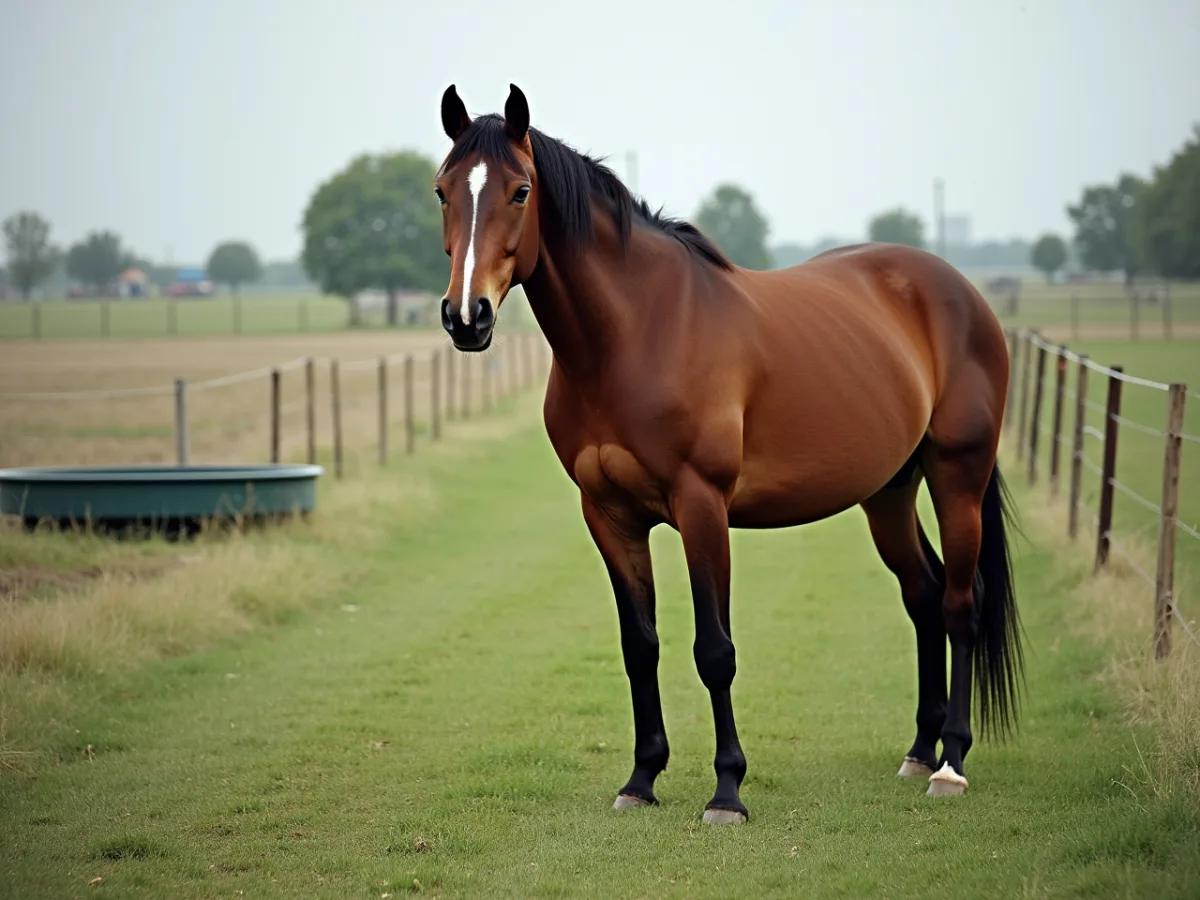
A horse that suddenly stops moving can be easy to overlook at first. Sometimes the change is so quiet that it looks harmless, almost like the horse is simply resting. But stillness in a horse is not always the same thing as relaxation.
In everyday handling, a horse may freeze for a moment, hold its breath, or become unusually quiet when something has changed. The shift can happen in the pasture, the stall, during grooming, on a trail, or under saddle. A horse may seem calm on the outside while paying very close attention to something you have not noticed yet.
That is why sudden stillness deserves a closer look. It can reflect caution, discomfort, confusion, fatigue, pain, or a simple pause before movement. The meaning depends on the situation, the horse’s usual temperament, and the body signals that come with it.
How sudden stillness usually appears
Stillness is not always complete freezing. In some horses it shows up as a sudden halt in forward motion. In others it looks like a pause in chewing, blinking, or shifting weight. A horse may stop walking, raise the head slightly, and listen without taking another step.
Often the body changes first. The neck may go rigid, the ears may lock in one direction, and the nostrils may open. The horse may stand with feet planted more firmly than usual, as if deciding whether to move or wait.
Some horses become still in a soft, thoughtful way. Others turn tense very quickly. The difference matters because one may mean focused attention while the other can be a warning that the horse feels unsafe.
Sudden stillness is a signal, not a diagnosis. The meaning changes with the horse’s posture, breathing, ears, and the situation around it.
Attention and alertness
One of the most common reasons a horse suddenly goes still is simple alertness. Horses are built to notice changes in their surroundings. A distant sound, an unfamiliar scent, a flicker of movement, or even a shift in weather can make them pause and listen.
This type of stillness is often brief. The horse stops, focuses, and gathers information. If nothing feels threatening, movement usually resumes in a smooth way. The horse may flick an ear back and forth, look in the direction of the noise, and then relax again.
Owners sometimes assume this means the horse is being stubborn. More often, the horse is processing the environment. A still horse may be doing exactly what a horse is designed to do: scan first, act second.
Common signs of alert stillness
- Head held higher than normal
- Ears pointed toward one sound or object
- Quiet body with ready, balanced legs
- Breathing that stays steady
- Quick return to normal movement once the horse feels safe
Fear and the freeze response
Sudden stillness can also appear when a horse feels afraid. Instead of bolting right away, some horses freeze for a moment. It is a natural response. Freezing gives the horse a chance to judge whether the threat is real and how close it is.
This version of stillness usually feels different from calm attention. The body may become tight rather than simply quiet. The eye may look wide, the nostrils may flare, and the horse may hold the neck stiffly. In some cases the horse stops chewing, stops blinking as often, and seems locked onto one point.
Fear-related stillness is often seen around clippers, trailers, plastic bags, sudden movement in the arena, or a person approaching too fast. A horse may stand motionless for a few seconds, then jump away or spin. The pause is not peace. It is tension waiting for a decision.
If the stillness comes with a rigid body, fixed stare, or shallow breathing, think less about calm and more about uncertainty or fear.
Pain and physical discomfort
Some horses go still because movement hurts. Pain does not always show as obvious limping. It can look like reluctance to step forward, standing square and unmoving, or seeming “stuck” when asked to turn, back up, or bend.
A horse with sore feet, back pain, digestive discomfort, joint issues, muscle strain, or even a saddle fit problem may suddenly become quiet in motion. The horse may not want to shift weight, may stand with one hind leg rested differently, or may resist grooming in a particular area.
Stillness caused by pain is often mistaken for patience or laziness. That can delay help. If the horse’s stillness appears at the same time as a change in appetite, posture, willingness to move, or behavior under saddle, the body should be taken seriously.
Clues that stillness may be pain-related
- Uneven weight bearing
- Tail clamping or constant swishing
- Reluctance to bend, back, or pick up a foot
- Stiff walking after standing still
- Change in mood, appetite, or manure output
Fatigue and mental overload
A tired horse may suddenly go quiet because there is no energy left for continued movement. This can happen after long work, hot weather, travel, or a demanding day with too many new impressions. The horse may stop because the body needs a pause, not because the horse is refusing.
Mental overload can look similar. A horse that has been asked to process too much too quickly may simply stop. In that case the stillness is often a sign that the horse has reached a limit. The nervous system is busy, and movement slows down while the horse tries to reset.
These horses may appear dull rather than frightened. The head may lower a little, the ears may lose their sharp focus, and the horse may stand without much response. The key difference is that the horse does not look fully present in the same way as a truly relaxed horse.
Herd awareness and social tension
Horses are herd animals, and social pressure can make them go still very quickly. A horse may freeze when another horse in the group changes behavior, pins ears, moves away, or becomes anxious. Even a subtle shift in herd dynamics can change the mood of the whole field.
Stillness in a herd setting often shows respect, caution, or a moment of waiting. One horse may stop to watch a more dominant horse. Another may hold still if a companion leaves, because the horse is deciding whether to follow or stay.
This can also happen in a barn aisle, where horses sense activity around them. A horse standing quietly may be listening to noises from neighboring stalls, reacting to a horse being led past, or waiting for a familiar routine to continue. The stillness is social as much as it is physical.
When the environment causes the pause
Modern environments give horses many reasons to stop and stare. Traffic, machinery, umbrellas, tarps, barking dogs, unfamiliar smells, and loose objects can all trigger stillness. Even a change in footing, such as mud, gravel, or a shadow across the ground, may make a horse pause.
What seems small to a person can be a meaningful change to a horse. Horses read the world through movement, sound, and pattern. If one element breaks that pattern, stillness may follow. That pause can be practical. The horse is gathering information before deciding whether to move forward.
Riding arenas create their own version of this. A horse may suddenly stop when it notices banners, open gates, poles on the ground, or another horse moving quickly nearby. In the pasture, the trigger may be a new animal, a strange object near the fence, or a shift in weather that makes the horse uneasy.
| Situation | Possible meaning of stillness |
|---|---|
| Pasture | Listening, herd awareness, or concern about a nearby change |
| Stable | Expecting routine, noticing noise, or responding to discomfort |
| Under saddle | Confusion, fear, pain, or focused attention |
| Trailer | Stress, hesitation, or sensory overload |
What the body language often says
Stillness becomes easier to interpret when it is read together with the rest of the body. A horse that stands quietly with soft eyes, loose lips, and regular breathing is different from a horse that locks the body and seems unable to move.
The ears are especially useful. Forward ears can mean interest. One ear back and one forward may mean divided attention. Flattened ears often suggest irritation or discomfort. The head and neck matter too. A lifted, rigid neck usually carries more tension than a lowered one.
Breathing is another clue. A horse that is truly calm tends to breathe evenly. A horse that is worried may breathe more shallowly or hold the breath during a freeze. Muscle tone, tail movement, and the position of the feet all add context.
Helpful signals to watch together
- Ear position
- Eye tension or softness
- Breathing depth
- Neck stiffness
- Weight shifting in the feet
- Tail movement
How stillness appears during grooming and handling
In grooming, sudden stillness can mean the horse is noticing a touch that hurts or simply does not feel right. A horse may stop moving when the brush reaches a sore area, when the girth is tightened, or when a hoof is picked up too long. The pause may be polite at first, then the horse may pull away or step off.
Sometimes the horse goes still because the handling is confusing. Too much pressure, quick changes, or mixed signals can create hesitation. A horse that does not understand what is being asked may stop and wait for more information.
That waiting can look calm on the surface. But if the horse stays frozen rather than relaxed, the person handling the horse should slow down and reassess. Small adjustments in position, pressure, and timing often reveal whether the horse is simply thinking or actually struggling.
Stillness under saddle
Under saddle, sudden stillness may show up as a refusal to go forward, a sudden halt, or a horse that feels like it has “stopped listening.” The rider may notice the rhythm change before the horse actually stops. Stride length can shorten, the back may brace, and the horse may become heavy or unusually light in the contact.
This can happen for many reasons. The horse may be startled by something outside the arena. It may be confused by a cue. It may be sore. Or it may be mentally checked out after too much work.
Riders sometimes push harder when a horse suddenly goes quiet, assuming more leg will solve it. That can help in some cases, but not when the horse is freezing from fear or discomfort. The context matters more than the appearance of obedience.
A horse that stops moving under saddle is not always being resistant. Sometimes it is asking for clarity, comfort, or a chance to understand what changed.
When stillness is part of learning
Younger horses and less experienced horses may stop more often because they are still learning how to process the world. They may freeze at new objects, unfamiliar footing, or unusual requests. Their stillness is often short-lived but frequent.
In training, a brief pause can be a good sign. It may mean the horse is thinking before responding. The trouble begins when the pause becomes a stall. A horse that repeatedly freezes may be telling you the task is too difficult, the setting is too busy, or the pressure is too much.
Experienced horses can still freeze, but their stillness may look quieter and more controlled. They may have learned to hold themselves still in situations where they are uncertain. That does not mean the feeling behind it is small. It only means the horse has learned to manage it differently.
When the stillness changes over time
A horse that has always been settled in new places may suddenly become still more often. That change can point to a new issue. Pain, age-related stiffness, hearing or vision changes, a new stressor in the environment, or a recent routine change can all affect the horse’s willingness to move freely.
Long-term consistency matters. One isolated pause may not mean much. A pattern of repeated stillness in similar situations is worth noticing. If the horse freezes every time the saddle is brought out, every time the trailer is opened, or every time a certain surface is crossed, the response is probably tied to a specific trigger.
Recording those patterns can be useful. Not in a formal training sense, but as everyday observation. What happened right before the horse stopped? Who was nearby? Was there pain, noise, weather, or a change in feed, turnout, or work schedule? Small details often reveal the cause.
When stillness is normal
Not all stillness is a problem. Horses stand still to rest, digest, observe, and settle themselves. A horse in a pasture may stand quietly for long periods with a loose posture and soft attention. That is part of normal horse behavior.
The difference lies in the quality of the stillness. A relaxed horse stays available to the world. It may shift a hind leg, blink, chew, or let the head drift lower. A concerning stillness feels fixed, tense, or out of character.
That distinction helps when deciding what to do next. A calm pause may simply need patience. A tense freeze may need space, investigation, or a check for pain and environmental triggers.
Normal stillness is usually flexible. Troubling stillness is often rigid, repeated, or tied to a specific change in the horse’s routine or comfort.
What owners often miss
People sometimes miss sudden stillness because it does not look dramatic. A horse does not have to bolt, rear, or pin its ears for the moment to matter. Quiet warning signs are easy to overlook when a horse is standing in place.
The most common mistake is assuming stillness means agreement. Another is assuming it means stubbornness. In reality, the horse may be uncertain, uncomfortable, or simply concentrating on something outside the person’s awareness.
That is why observation matters more than guessing. A horse that goes still once in a noisy, unfamiliar setting may be reacting normally. A horse that repeatedly freezes during handling, grooming, or work may need a closer look at pain, tack, routine, or stress.
Reading the moment without rushing it
When a horse suddenly becomes still, the best response is often to pause and observe. Look at the ears, eyes, breathing, feet, and overall balance. Notice what changed just before the horse stopped. That small habit can reveal far more than reacting quickly.
Sometimes the answer is obvious. A barking dog, a sudden bang, or a trailer door slamming can explain everything. Other times the cause is less direct. A minor ache, a new fence line, a change in weather, or an uncomfortable memory may be enough to stop the horse for a moment.
Stillness is part of how horses make sense of the world. It can mean attention, caution, discomfort, or simple processing time. The details around it tell the real story, and those details are usually written in the body long before they are spoken through movement.