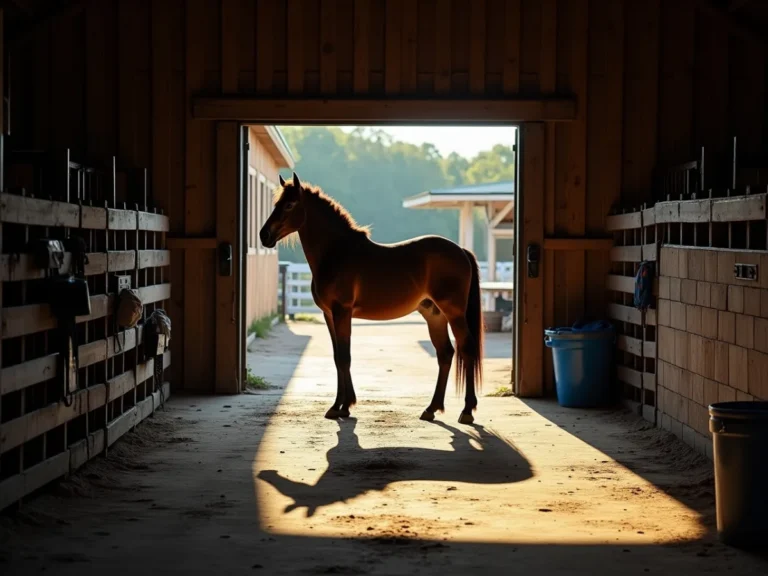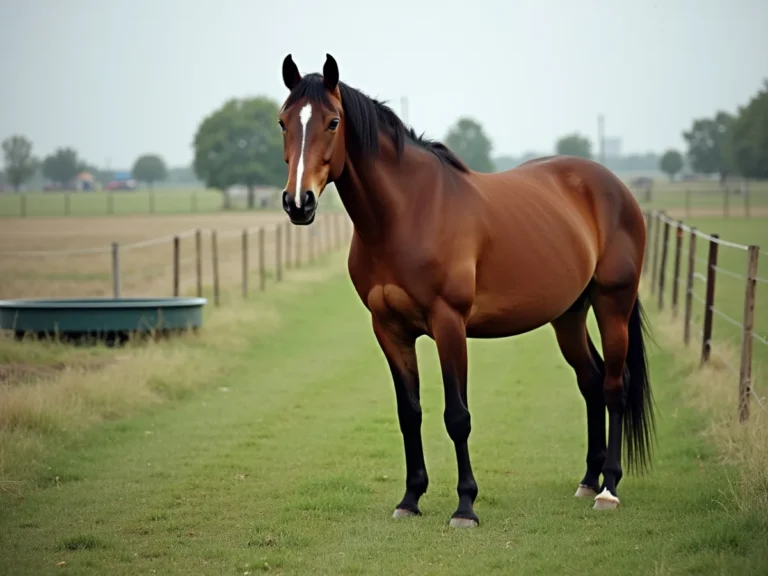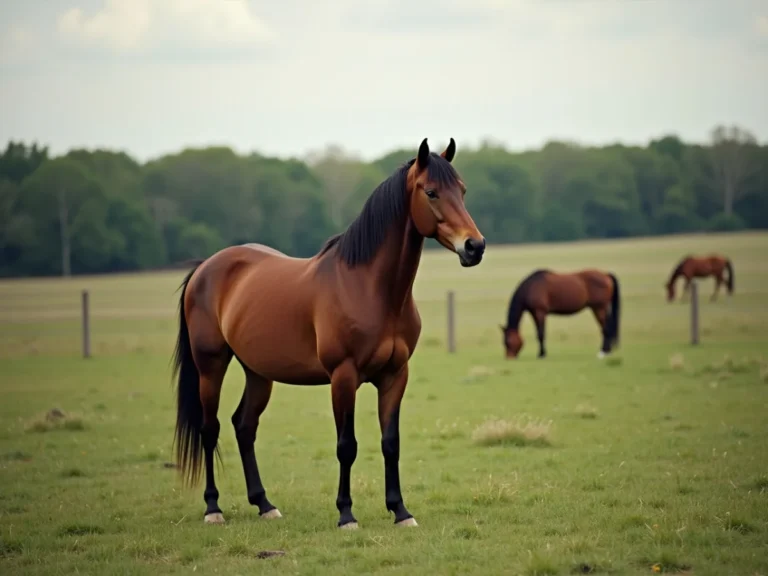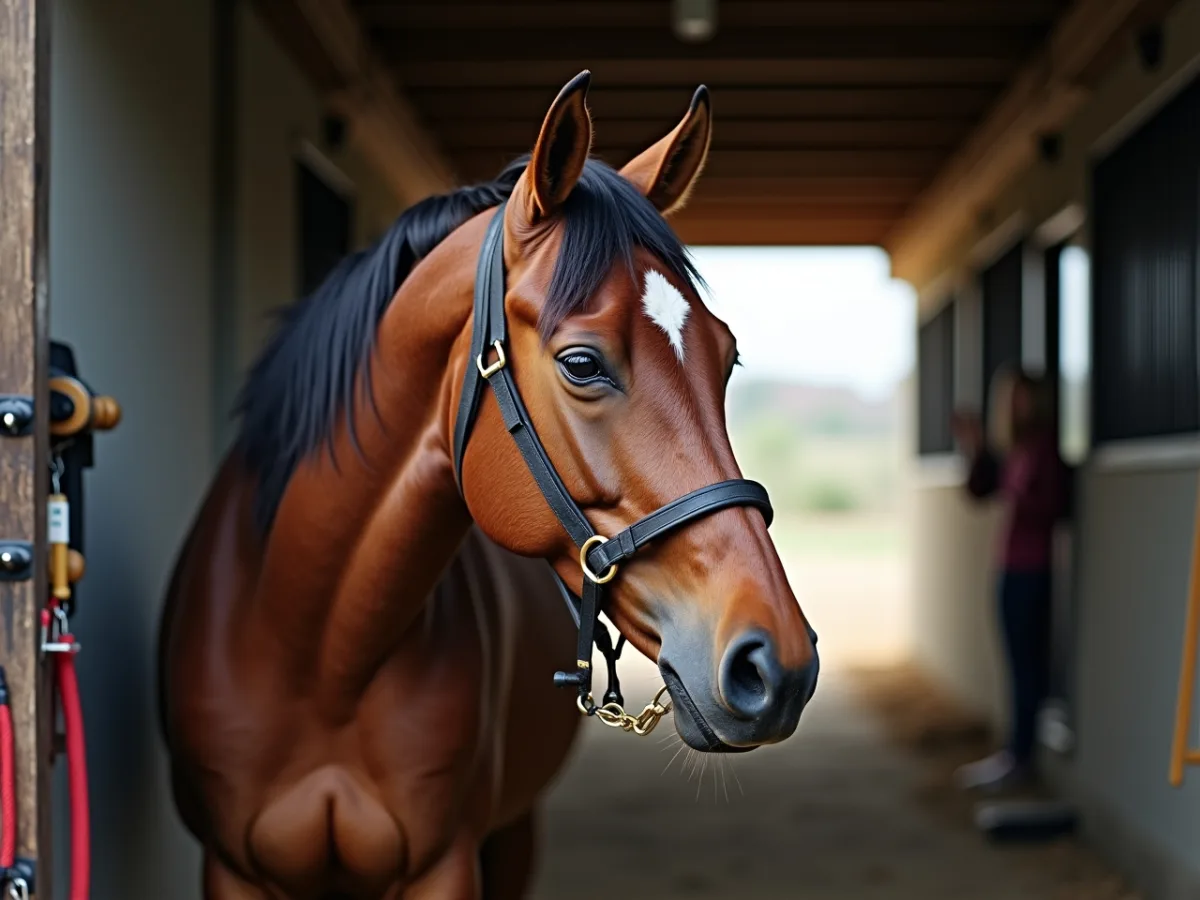
A horse can change in a split second from relaxed to alert, and the reason is not always obvious. A small shift in your hand, a quiet sound behind the barn, or a slight change in your body position can be enough to draw a reaction. These moments are easy to miss because they are subtle, but horses often notice them first.
What looks like a sudden response is usually built from tiny cues. An ear flick, a tightened back, a pause in movement, or a quick step away may be the horse’s way of saying something in the environment feels different. When people learn to read these smaller movements, many everyday interactions become easier and less tense.
Not every reaction means fear, and not every stiffening means trouble. Horses respond to detail because their survival depends on noticing detail. That is why a nearly invisible movement can trigger a visible change in behavior.
Why Small Movements Matter So Much
Horses are extremely observant animals. Their attention is built around motion, posture, sound, and pressure, so even a minor change can register clearly. A hand reaching too quickly, a jacket brushing against a flank, or a person shifting weight near the shoulder may be enough to make them look, step away, or brace.
This sensitivity is normal. In the wild, noticing the smallest movement could mean the difference between safety and danger. Domestic horses keep that instinct, even when they live in familiar stalls, arenas, or pastures.
The key point is that the horse may react before the person understands what caused it. That can make the response seem random when it is actually very specific.
A subtle reaction often begins before the visible movement. The horse may already be tense in the neck, holding the breath, or narrowing focus before the step back, head toss, or side-step appears.
How These Reactions Show Up in Daily Handling
Many subtle triggers appear during routine care. Grooming, haltering, picking up feet, fly spray, blanketing, and leading all involve close contact and repeated small motions. A horse that is comfortable one moment may tense the next if the motion changes too quickly or feels uneven.
For example, a horse being groomed on one side may relax until the brush moves close to the belly or gaskin. Another may stand quietly for the halter but react when the crownpiece touches the ears. These are not dramatic events, but they matter because the horse is processing touch in a very detailed way.
During riding, subtle movements can come from the rider as much as from the horse. A rider who tightens the seat, shortens the reins unevenly, or leans forward unexpectedly can trigger a response. Some horses become quick to step, hollow the back, or resist if the cue feels uncertain or inconsistent.
Common everyday moments that may trigger a response
- A sudden change in the handler’s body position
- Brushes or tools touching a sensitive area
- Clothing, boots, or equipment brushing against the horse
- Unexpected hand movements near the face or ears
- Uneven rein pressure or a tense seat while riding
- Another horse moving close in the barn aisle or arena
What the Horse May Be Feeling Internally
Subtle movement-triggered reactions are often tied to internal state. A horse that is already a little tense will usually react more quickly than one that is fully settled. That tension can come from pain, fatigue, soreness, confusion, boredom, or simple mental overload.
When a horse is uncomfortable, it may not show an obvious problem right away. Instead, the first signs can be small: the ears pin for a moment, the skin twitches, the head lifts slightly, or the horse shifts weight off one hind leg. These signs can appear long before a bigger reaction.
Some horses are naturally more reactive than others. A sharp, alert horse may respond to motion with quick attention, while a quieter horse may need several small cues before showing anything. Neither type is “wrong,” but both need to be understood in context.
A horse that reacts to a subtle movement is not always being difficult. The reaction may reflect discomfort, uncertainty, sensitivity, or an attempt to create distance from something that feels unclear.
The Role of Ears, Eyes, and Body Tension
Before a horse moves away, the body often changes first. The ears may lock onto a person or sound, the nostrils may widen, and the neck may rise. The back can stiffen, the tail may become tight, and the legs may stop swinging freely.
These signals are easy to overlook because they can happen in just a second or two. A horse may still be standing in place, but the posture already tells a story. If the muscles are braced, the next little stimulus may be enough to set off a bigger response.
Eye movement matters too. Some horses briefly focus on a hand, a sleeve, or a moving object and then react to the motion itself. Others become uneasy when they cannot see clearly what is approaching from the side or behind.
How the Environment Shapes the Reaction
The same movement can mean different things depending on where it happens. A quiet gesture in the stall may be harmless, but that same gesture in a crowded barn aisle or busy arena can feel more intense. Horses notice the whole setting, not just the motion.
Noise, shadows, traffic, footing, weather, and herd pressure all influence sensitivity. A horse that is usually relaxed may react more strongly on a windy day, during feeding time, or when another horse is calling from across the field. In those moments, a small movement can tip an already alert horse into action.
New environments are especially important. Horses often need time to understand unfamiliar spaces, and during that period they can react more strongly to tiny changes. A flinch at a fluttering tarp, a shuffle near the trailer, or a quick look at a stranger’s hand is often part of that adjustment.
Environmental factors that can increase sensitivity
- Loud or echoing sounds
- Sudden weather changes
- Dim corners, shadows, or reflections
- Close proximity to other horses
- Unfamiliar footing or slippery ground
- Busy handling schedules with little downtime
When Subtle Movements Trigger Reactions Under Saddle
Riding introduces another layer because the horse has to interpret the rider’s body at close range. A small shift in balance can feel like a clear request. If the rider is tense, the horse may answer with tension of its own.
Some horses react to very light cues in a helpful way, stepping forward or bending softly. Others react defensively if the cue arrives unexpectedly or lacks consistency. A horse that has experienced mixed signals may become guarded, waiting for the next change rather than moving freely.
The horse may also react to what the rider is not doing. Still hands with a tight back, or quiet legs with a stiff seat, can create confusion. Horses often notice the difference between a relaxed body and one that is trying to appear relaxed while actually holding tension.
Subtle riding reactions can look like this
- Quick head lifting after a seat change
- Drifting away from pressure that felt sudden
- Shortened stride after uneven rein contact
- Resistance during transitions
- Ear pinning or tail swishing after a rider adjustment
- Unexpected stopping or spinning in a tense moment
Why Some Horses React More Quickly Than Others
Temperament plays a major role. Some horses are naturally calm and need a stronger cue before showing a response. Others are highly tuned in and respond to nearly everything around them. Breed, age, past handling, and current comfort all shape that pattern.
Young horses often respond to small movements because they are still learning what each cue means. They may not separate helpful guidance from accidental motion yet. Older, experienced horses may seem steadier, but they can also become more reactive if they have learned to expect discomfort in certain situations.
History matters. A horse that has been rushed, mishandled, or exposed to rough equipment may react to the smallest touch because it has learned to protect itself early. On the other hand, a horse with consistent, gentle handling often becomes more tolerant of minor mistakes from people.
When the Reaction Is Soft and When It Is Defensive
Not every reaction is the same. Some are soft and brief, like a small ear turn, a slight step, or a quick blink. Others are more defensive, with the horse pulling away, raising the head, or bracing the whole body. The difference often lies in how strongly the horse feels the stimulus.
A soft reaction may simply mean the horse noticed something. A defensive reaction usually means the horse felt uncertain, crowded, or uncomfortable. Both deserve attention, but they are not equal in meaning.
Sometimes the same horse can show both forms in one day. It might ignore a quiet movement at the wash rack and then react sharply when the same type of movement happens after exercise, when it is sore or tired. This is one reason context matters so much.
| Type of reaction | Typical signs | Possible meaning |
|---|---|---|
| Soft alertness | Ear flick, brief look, small shift | Horse noticed a change |
| Mixed reaction | Tension, hesitation, uneven stepping | Horse is unsure or uncomfortable |
| Defensive response | Jumping away, head raising, bracing | Horse wants distance from the stimulus |
How People Often Misread These Signals
Handlers sometimes assume a horse is being stubborn when it is actually reacting to a very specific cue. A horse that moves away when a hand approaches the flank may not be refusing cooperation. It may be anticipating pressure, memory, or discomfort.
People also miss subtle buildup. They notice the step away, but not the earlier ear lock, body stiffness, or pause in breathing. By the time the reaction is visible, the horse has often already been signaling for several seconds.
Another common mistake is to treat all reactions as fear. Some are fear-based, but others come from irritation, confusion, anticipation, or overexcitement. The response is the same outwardly, but the cause is different.
Misreading a horse’s small signals can make the next reaction stronger. When the early signs are ignored, the horse often has to use a bigger movement to get the same message across.
What Consistent Patterns Can Tell You
One isolated reaction does not say much on its own. Repeated patterns are more useful. If a horse reacts to the same movement in the same spot every time, the cause may be physical, environmental, or tied to a past experience.
For instance, if a horse repeatedly flinches when the girth is tightened, the issue may be discomfort, poor saddle fit, or anticipation based on prior tension. If a horse reacts only when a person approaches from the blind side, the pattern may reflect uncertainty rather than pain.
Long-term observation helps reveal whether the reaction is fading, staying the same, or becoming stronger. A horse that gradually softens may be learning trust. A horse that becomes more reactive may need a closer look at comfort, handling, or routine.
How Routine and Predictability Affect Response
Horses often settle better when the same tasks happen in a familiar order. Predictable routine reduces the number of surprises in a day, which can lower the chance of small movement-triggered reactions. When routine changes often, the horse may stay more watchful.
This does not mean every day must look identical. It simply means horses usually handle subtle cues better when the rest of the environment feels understandable. A calm horse can still react if the timing is strange or the handling feels rushed.
Even well-trained horses may become more sensitive when their schedule changes. Delayed turnout, a different handler, travel, veterinary care, or a break from work can all shift the horse’s threshold. In those moments, tiny motions carry more weight than usual.
Reading the Horse Without Overreacting
It helps to respond to the first signs without turning every small change into a problem. A horse that flicks an ear or shifts slightly may only need more space, slower movement, or a clearer cue. The goal is not to eliminate all responses. It is to understand what they mean.
Calm handling often works better than repeated correction. When a horse is worried by small movements, a softer approach can make the next interaction easier. That might mean pausing before touching the sensitive area, keeping the body angled instead of direct, or allowing the horse a moment to look.
Small adjustments in the human’s own movement can make a real difference. Reaching in a steady way, approaching from where the horse can see, and keeping the hands quiet near the body often reduce the chance of a reaction. These are not dramatic changes, but horses notice them.
When the Reaction Deserves Closer Attention
Some reactions are part of normal sensitivity. Others point to something more important. A horse that suddenly becomes far more reactive than usual, especially in familiar situations, may be signaling discomfort, pain, or stress.
Changes in pattern matter. If the horse was once relaxed about brushing the side and now flinches every time, that shift deserves notice. If the horse reacts to movement only after work, only on one side, or only during certain weather, the pattern may help narrow the cause.
Attention to these details does not require overcomplication. It simply means noticing when the horse’s response no longer fits its usual behavior. That is often where the clearest information begins.
Subtle Movements in Shared Spaces
Barn life creates many small triggers because horses are constantly aware of nearby motion. Doors open and close, buckets move, lead ropes swing, and people pass close by. A horse that is trying to eat, rest, or watch the herd may react quickly to a movement that another horse would ignore.
In turnout, subtle movements can come from other horses as much as from people. A quick turn of the body, a pinned ear, or a sudden stop in the herd can make one horse move even if no one touches it. Horses read body language in each other all the time.
This social awareness is part of what makes reactions so complex. A horse may not be responding to the movement itself but to what that movement suggests about the group around it.
Closing Perspective on Small Triggers
Subtle movements carry more weight for horses than many people expect. A small change in pressure, posture, sound, or timing can shift a horse from relaxed to alert in an instant. The reaction may be tiny or dramatic, but it usually begins with the horse noticing something important.
When those early signals are noticed in return, handling becomes clearer. The horse does not need to guess as much, and the person is less likely to push past the point where the horse feels uncertain. That kind of awareness often changes the whole interaction, one small movement at a time.