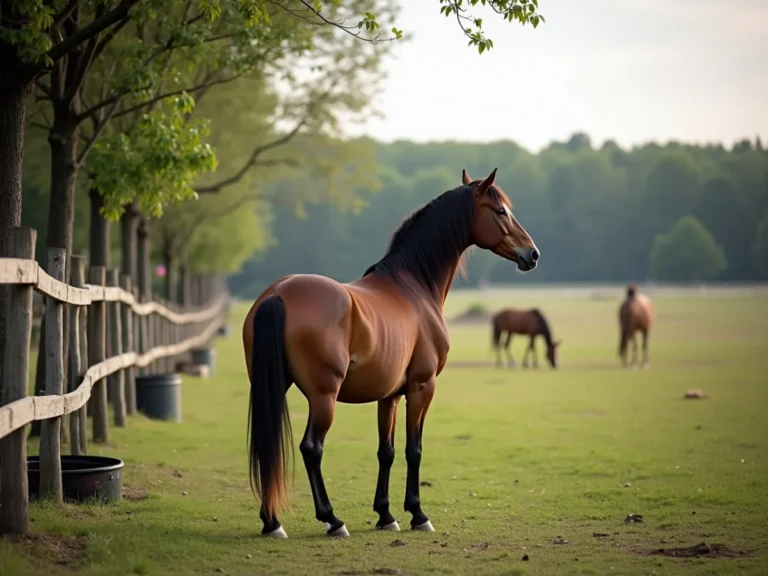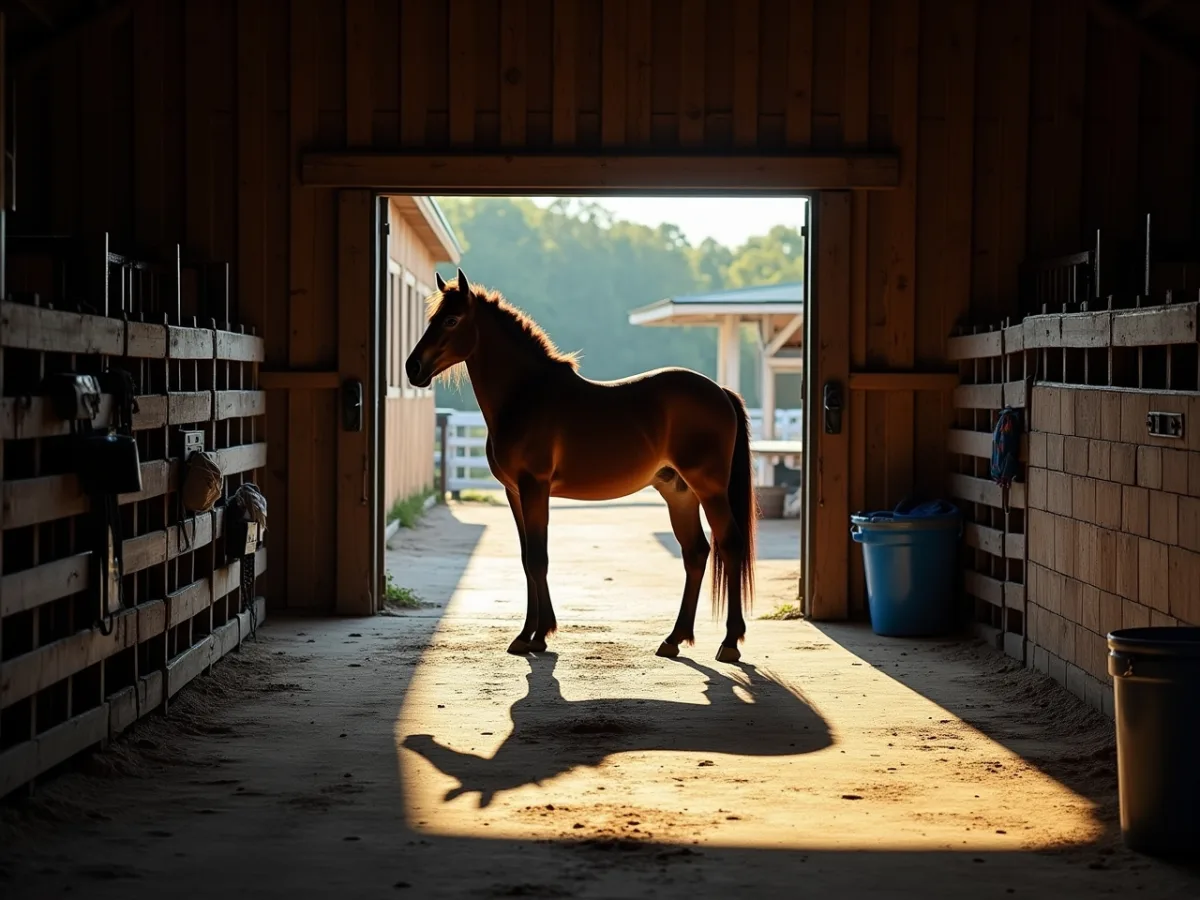
Some horses step forward without hesitation when the ground changes from bright sun to a dark doorway. Others slow down, lift their heads, and study the same spot as if it has suddenly become important. That reaction is often connected to light and shadow sensitivity, a common feature of how horses notice the world around them.
Horses depend heavily on visual information, but they do not always interpret it the way people do. A patch of shade, a sharp line across the arena, or sunlight reflecting off a fence board can look unfamiliar enough to deserve a second look. In many cases, the response is not stubbornness or bad manners. It is caution.
Because horses are prey animals, their eyes and brain are built to catch changes quickly. Anything that breaks a familiar pattern may feel worth investigating. A horse that hesitates at a shadow is often doing exactly what nature designed it to do: pause, assess, and decide whether the change matters.
Why light and shadow can feel important to horses
Horse vision is adapted for scanning large areas and detecting movement, especially in changing outdoor settings. Their eyes give them a wide field of view, and that helps them spot possible danger. The tradeoff is that sudden contrasts can seem striking, particularly when the horse has not had time to adjust.
Light and shadow sensitivity is not the same in every horse. One horse may barely notice a dark patch under a trailer ramp. Another may stop and stare until the area is explored from several angles. Age, confidence, past experience, and even the time of day can all shape the reaction.
It also matters that horses are often asked to move through human-made spaces that include hard edges, reflective surfaces, and shifting patterns. Barn aisles, wash racks, indoor arenas, and tree-lined trails can all create visual surprises. A horse may be comfortable in one of these places one day and more hesitant the next, depending on the quality of the light.
When a horse reacts to a shadow, the response usually reflects uncertainty about the visual change, not an attempt to be difficult.
How it appears in everyday handling
In daily life, this sensitivity can show up in small but noticeable ways. A horse may hesitate at the threshold of a doorway, prick its ears at the ground near a trailer, or swing its head to examine a patch of darkness in the aisle. Sometimes the reaction is brief. Sometimes it becomes a full stop.
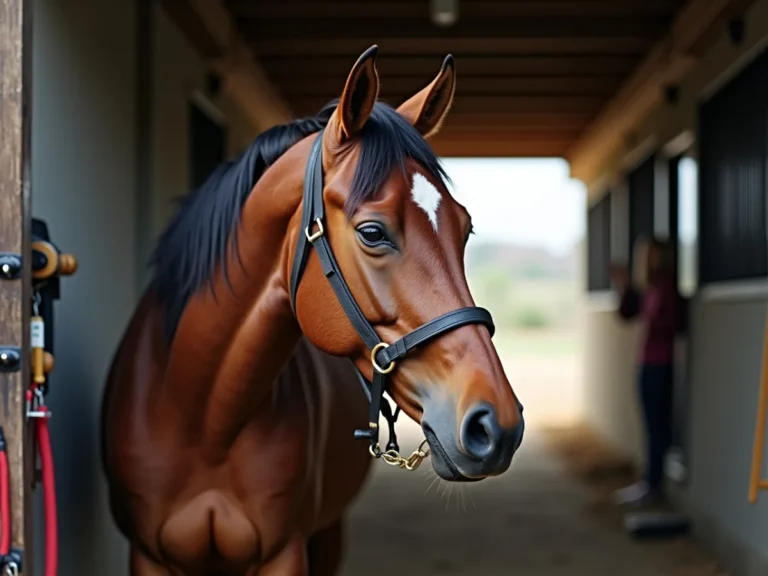
During grooming or tacking up, a horse may glance toward an open door where sunlight falls across the floor. At feeding time, it may shift away from a bright reflection on a metal bucket. Even a familiar halter or lead rope can seem less relevant than the new light pattern on the wall behind it.
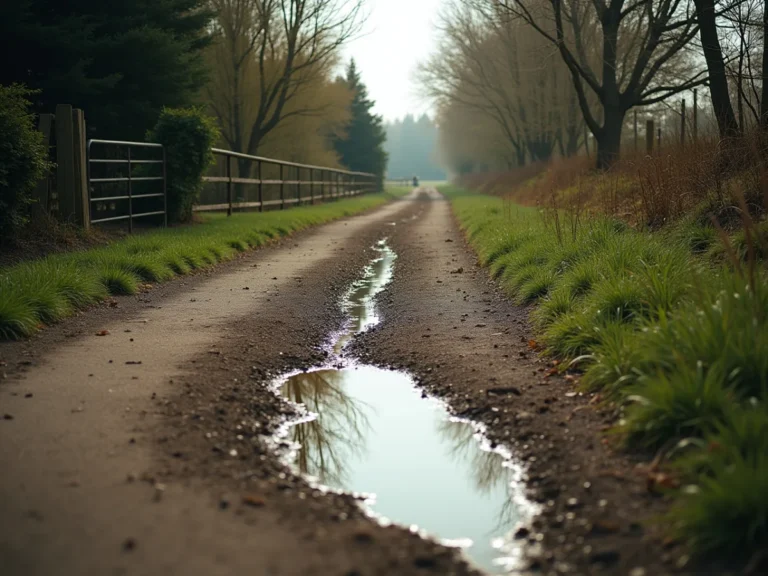
Under saddle, the same sensitivity may appear as a drift away from the rail, a slowdown near a shadowed corner, or a moment of resistance when entering a darker section of the arena. Trail horses can react to tree shadows, puddles, bridge surfaces, or breaks in cloud cover. The horse is not always afraid in a dramatic sense. Often it is simply checking whether the visual pattern is safe.
Common situations where horses notice light and shadow
- Walking from bright sunlight into a dim barn aisle
- Passing over sharp shadow lines in an arena
- Approaching trailer ramps in variable light
- Crossing areas with tree shadows on trails
- Entering covered pens or indoor spaces after being outside
- Standing near reflective metal, water, or glass surfaces
These moments can look minor to a person. To a horse, they may feel like small but meaningful changes in the environment.
What the reaction may signal about the horse’s state
Light and shadow sensitivity does not always mean a horse is anxious in a general sense. Some horses are simply more visually alert than others. Yet the way a horse responds can still tell you something useful about its current state.
A calm horse may notice a shadow, pause for a second, then move on with loose muscles and steady breathing. A tense horse may freeze longer, raise its neck, hold its body rigid, or repeatedly start and stop. The difference is not just in whether the horse reacts, but in how long the reaction lasts and whether the horse can recover easily.
Repeated sensitivity in the same setting can also suggest that the horse has not had enough time to understand the space. If the horse seems more cautious after a stressful event, poor rest, or a change in routine, the visual trigger may be only part of the story. Emotional state often shapes perception.
A horse that seems “spooky” around shadows may be telling you that the environment feels hard to read, especially if the reaction grows stronger under stress.
Internal reasons behind the reaction
The horse eye is designed to be useful in low and changing light, but it does not work exactly like a human eye. Horses adjust to brightness differently and may need more time when moving between strong light and shade. That short adjustment period can make a dark patch look deeper or less defined than a person expects.
Depth perception also plays a role. A shadow can flatten the look of ground texture, making it harder for the horse to judge whether the surface is solid, wet, uneven, or open. A horse may hesitate not because it sees a threat, but because the picture is incomplete.
Memory matters too. If a horse once slipped in a shadowed doorway, startled at a flapping tarp in low light, or had a rough trailer experience in the evening, it may connect similar visual cues with caution. Horses learn through repetition, and visual patterns are part of that learning.
Individual temperament makes a difference as well. Some horses are naturally bolder and more willing to step into uncertain places. Others are observant and careful. Neither type is automatically better, but each type may need a different approach when moving through high-contrast environments.
How environment shapes the response
Light and shadow sensitivity often becomes more noticeable in settings with strong contrast. Midday sun through trees can create shifting stripes on the ground. A partly open arena can alternate between bright and dim sections. A barn with open doors may produce sharp lines that move as the sun changes.
Weather matters more than many people realize. On clear days, contrast can be intense. On cloudy days, the same horse may walk through the same area with little reaction. Early morning and late afternoon often create long shadows, and those shadows can move quickly as the sun changes position.
Surfaces can add to the effect. Wet ground, polished concrete, metal walls, mirrors, shiny tack, and even certain stall fronts can reflect enough light to attract attention. In some cases, the horse is reacting to both the shadow and the bright edge around it, not just one feature.
Routine also influences how the horse handles these changes. A horse that sees the same barn doorway every day usually becomes more comfortable with it. A horse moved from one stable to another, or from pasture life into arena work, may need time to settle in before visual changes stop feeling significant.
Environmental factors that often matter most
- Time of day and angle of sunlight
- Weather conditions and cloud cover
- Tree cover, fences, and building shadows
- Wet or reflective surfaces
- Sudden changes from indoor to outdoor light
- Noise levels paired with visual change
When several of these factors happen together, a horse may react more strongly than it would to any one of them alone.
How horses show mild versus strong sensitivity
Not every reaction looks the same. Some horses give soft signals first. They slow their walk, lower one ear, or stretch their neck forward to inspect the area. These cues often mean the horse is uncertain but still thinking.
Stronger reactions can include a sudden stop, a quick sidestep, a raised head, snorting, or an attempt to turn away. In riding, the horse may become tight through the back or refuse to enter a darker spot. On the ground, it may keep the distance it prefers until it feels ready to approach.
The useful part is not labeling the reaction as good or bad. The useful part is noticing how much information the horse needs. A mild reaction may only call for patience. A stronger one may suggest that the horse needs more gradual exposure or a calmer setup.
Soft signals and stronger signals
| Type of response | What it may look like | Possible meaning |
|---|---|---|
| Soft | Brief pause, head turn, ear flick | Interested, uncertain, checking the change |
| Moderate | Slower steps, raised neck, staring | More careful assessment, less confidence |
| Strong | Freeze, sidestep, refusal, tension | High caution, stress, or stronger memory of a bad experience |
This range matters because two horses can react to the same shadow in very different ways and still be normal. The context tells the story.
How people often misread the behavior
Many owners first interpret a shadow reaction as disobedience. A horse stops at a dark spot, and the person assumes it is testing limits. In reality, the horse may be taking in a visual scene that feels unclear or unusual. What looks like resistance is often hesitation.
Another common mistake is treating every shadow reaction as a sign of fear. Some horses are wary, but others are simply attentive. A horse that glances at the corner of an arena and then moves on with no tension may be showing normal vigilance rather than distress.
It is also easy to overlook the role of fatigue. A tired horse may have less patience for visual puzzles. A horse that is fresh, relaxed, and familiar with the environment may ignore the same shadow that would bother it after a long day, a transport ride, or a change in feed or turnout.
Interpret the reaction in context: posture, recovery time, and the horse’s usual behavior matter more than the shadow alone.
What helps a horse feel more confident
Confidence around light and shadow often grows through repetition and calm exposure. Horses usually benefit from having time to study a new or changing area at their own pace. Rushing tends to make the unknown feel more important.
In practical terms, that may mean leading a horse past a shadowed area several times without pressure, or pausing briefly before asking for movement through a doorway. A horse that can look, think, and then step forward often handles visual changes better than one that feels forced.
Stable management can help too. Keeping aisles clear, reducing unnecessary reflections, and opening or closing doors to soften harsh contrast may make daily handling smoother. On trails, choosing routes with more predictable footing and lighting can build trust before introducing more complex settings.
Consistency matters. Horses usually cope better when the same place looks familiar from one day to the next. Big changes in turnout, schedule, or surroundings can make even a steady horse more alert to visual differences.
Light and shadow sensitivity in young or inexperienced horses
Young horses often react more quickly to contrast because they have fewer life experiences to compare with the current scene. A foal or recently started horse may hesitate more often, especially in places with new surfaces, changing shadows, or lots of movement from trees and equipment.
That does not mean the horse is unusually nervous. It may simply be learning how the world works. Each calm encounter adds information. Over time, many horses become less reactive because the visual pattern no longer feels novel.
For inexperienced horses, a patient approach usually works better than repeated correction. If the horse feels that every pause leads to pressure, it may learn to brace instead of study. If it can take a moment and then move forward, confidence tends to grow in a more stable way.
How trained and mature horses may differ
Older or well-schooled horses are not always immune to shadows, but they often show more control. They may notice the same change and continue forward with only a slight adjustment. Training and exposure can teach a horse that not every visual shift needs a reaction.
Still, maturity does not erase sensitivity. A seasoned horse may become more careful in a new stable, after a long trip, or when the light changes in a way it has not seen before. Experience helps, but it does not make the horse blind to contrast.
In some horses, the reaction becomes more subtle with age. Instead of stopping, they may shorten their stride, tip an ear back, or watch the ground more closely. Those small changes can be easy to miss, yet they still tell you the horse is processing the environment.
When the behavior becomes more noticeable
Several conditions can make light and shadow sensitivity stand out. Horses often react more when they are alone, when their routine changes, or when they are asked to work in a place that feels unfamiliar. Without the reassurance of a steady pattern, visual changes can seem bigger.
Seasonal shifts can also matter. Winter light, long evening shadows, and low sun angles can create more contrast than a horse saw in summer. Some horses become noticeably more careful during these periods, even if they were relaxed weeks earlier.
Transport and new environments are another common trigger. Loading ramps, temporary stalls, fairgrounds, clinics, and show barns often combine noise, bright open spaces, and unusual shadows. A horse that is normally quiet at home may react more strongly in these settings simply because the visual environment keeps changing.
Long-term patterns worth noticing
Over time, a horse’s reaction to light and shadow can reveal useful patterns. Does the horse always hesitate in doorways but never on trails? Does it react more after time off? Does it improve when led by a familiar handler? Those details matter more than the single moment of hesitation.
If the behavior is consistent in the same places, the horse may be responding to predictable visual conditions. If it changes from day to day, the issue may be tied more closely to stress, fatigue, or environmental clutter. Either way, the pattern helps explain what the horse is experiencing.
In some horses, strong shadow sensitivity can point to a broader need for confidence building. In others, it is just one part of a careful personality. Watching the whole picture gives more accurate insight than focusing only on the reaction itself.
Consistency in the horse’s response often matters more than the intensity of one moment. Repeated patterns are easier to understand than isolated surprises.
A calm way to read the signal
Light and shadow sensitivity is part of how many horses move through the world. It can show up as caution, curiosity, hesitation, or brief alertness. The reaction may be mild or strong, and its meaning depends on the horse’s body language, environment, and recent experience.
When a horse pauses at a shadow, it is usually gathering information. When it walks on after that pause, it is showing that the picture has become clear enough to trust. That small sequence says a lot about how horses balance caution with learning in everyday life.
Noticing those moments closely can make handling feel smoother and more understandable. A horse that needs a second to read the ground is not unusual. It is doing what horses do best: paying attention to what the world looks like right now.