A horse can seem relaxed one moment and sharply alert the next. A tarp shifts. A gate swings. A branch snaps in the wind. The reaction may be small, or it may be immediate and dramatic.
Wind and movement are among the most common triggers in horses because they change so quickly. They can appear without warning, then vanish just as fast. For an animal built to notice danger early, that kind of change matters.
What looks like overreaction is often a normal response to motion, sound, and uncertainty all arriving together. A horse is not only seeing the event. It is reading direction, speed, unfamiliarity, and whether the movement belongs in that place.
In everyday handling, these triggers show up in pasture, at the barn, in the arena, and even during quiet grooming sessions. The details are small, but the response can be very specific. A calm horse may simply lift its head. Another may step sideways, snort, or tighten through the body before settling again.
Why Wind and Movement Catch a Horse’s Attention
Horses evolved as prey animals that depended on quick awareness. Their eyes, ears, and body position work together to detect anything unusual in the environment. Wind changes the environment constantly, so it naturally draws attention.
Movement is not always the problem by itself. The issue is often unexpected movement. A horse may accept routine activity, like a familiar person walking by or a horse in the next stall shifting around, but react strongly when something moves in an unfamiliar way.
Wind can make harmless objects look active. A blanket flap, a plastic bag rustle, or tall grass bending suddenly can all seem more important to a horse than to a person. The reaction may be brief, yet it is rooted in careful scanning.
Wind matters to horses because it changes sound, motion, and visibility at the same time. A horse is rarely reacting to one thing alone.
How the Behavior Appears in Daily Life
In the pasture
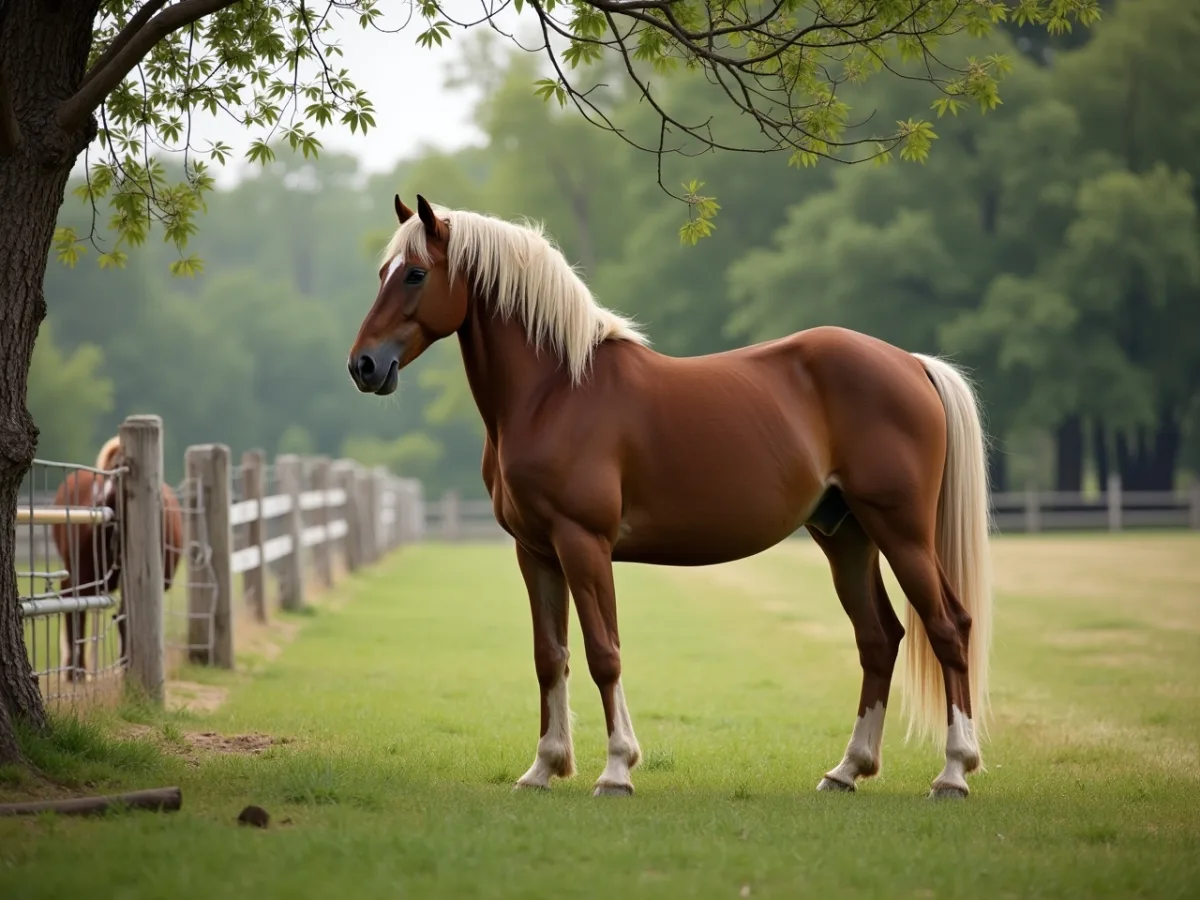
Pasture reactions are often the easiest to spot. A horse may graze normally, then pause when trees sway or an object moves near the fence. It might raise its head, lock its ears forward, and stare. Some horses step away from the moving object, while others move closer after a short pause.
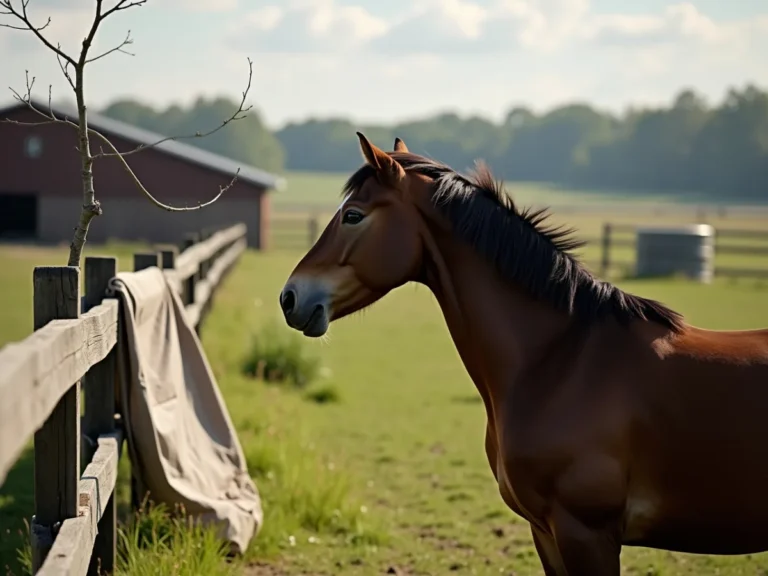
Open fields can make wind feel more intense because there are fewer fixed landmarks. A horse may notice a blanket tied to a fence post, loose tape, a moving branch, or even another horse’s tail whipping in a strong gust. These small changes can interrupt grazing and create a sudden alert posture.
In the stable
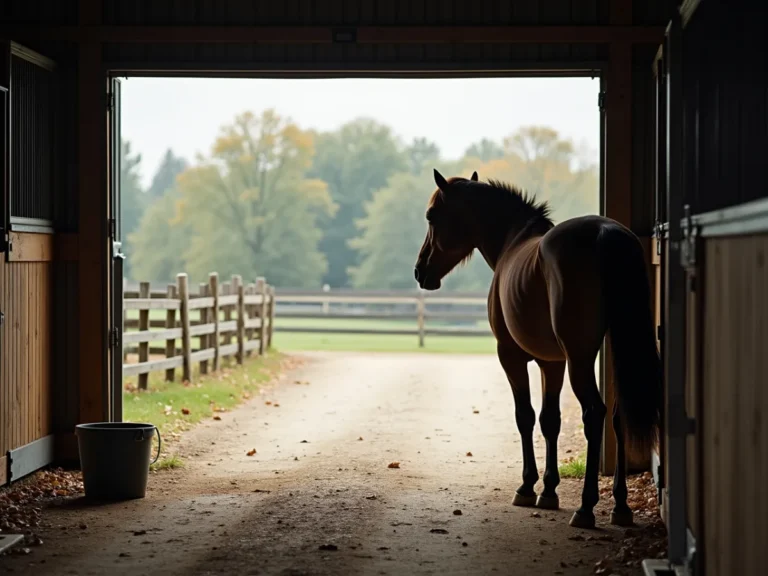
Inside the barn, movement is often tighter and more layered. Doors bang, chains rattle, sheets flutter, and shadows shift across the aisle. Wind can slip through openings and turn ordinary noises into sharper ones.
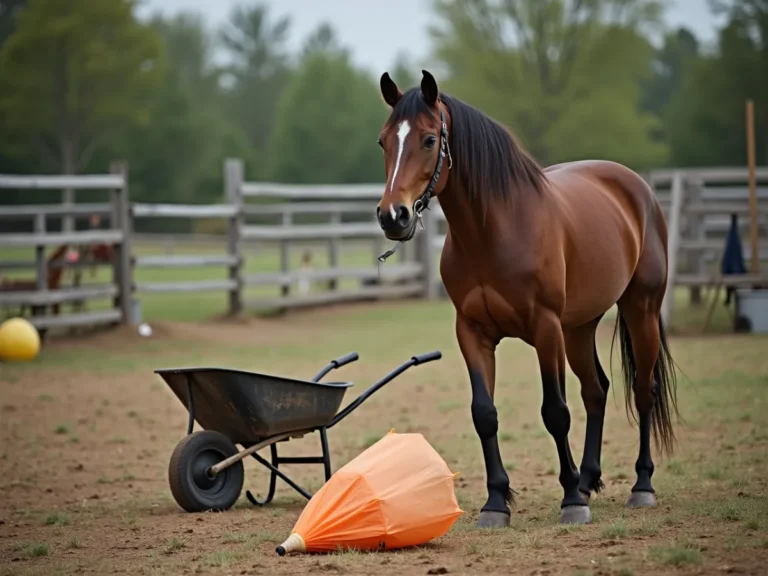
A horse that is quiet in the stall may still react to a cover moving on a nearby rack or a wheelbarrow rolling past. Sometimes the trigger is not the object itself but the combination of sound, motion, and close space. That mix can make the horse feel boxed in while trying to assess the change.
During riding
Under saddle, wind and movement can influence focus in subtle ways. A horse may begin to feel heavier in the reins, quicken its steps, or hesitate near a flapping jacket or moving branch. Even a horse that is generally steady can become tense when a sudden motion appears at the edge of its field of view.
Riders often notice this first in the neck and back. The horse may hollow slightly, lift its head, or shift its shoulders away from the trigger. If the movement continues, the horse may become more difficult to bend or keep straight.
During transport
Trailering adds vibration, airflow, changing light, and unfamiliar motion all at once. A horse may react to an open flap, dust moving behind the trailer, or another vehicle passing quickly. Wind hitting the trailer body can create a rattle that seems much louder from inside.
Because the horse cannot easily move away, stress may build faster in transport than in an open area. A short head toss or widened eye can be an early sign that the horse is tracking movement outside the trailer rather than settling into the ride.
What a Horse’s Reaction May Look Like
Not every response is a full spook. In many horses, the first clue is subtle. The body tightens, the ears fix on the source, and the horse stops chewing or moving freely.
Common signs include:
- Head lifting abruptly
- Ears pinning forward toward the movement
- Snorting or blowing air
- Sideways stepping or a quick shift of weight
- Eyes widening or showing more white than usual
- Tension through the neck, jaw, or back
- Refusing to pass an area until the object stops moving
Some horses react more with movement than expression. They may drift, pace, or become restless rather than jumping away. Others freeze and stare before deciding what to do. The pattern depends on the horse’s personality, past experiences, and comfort level in the setting.
Freezing is not the same as calmness. A still horse may be evaluating the trigger very carefully before choosing its next movement.
Why Some Horses React More Strongly Than Others
Temperament plays a major role. A naturally bold horse may check the wind and move on quickly. A more cautious horse may need several moments to process what changed. Neither response is automatically wrong.
Experience matters too. Horses that have been exposed to many environments often become more efficient at sorting real threats from harmless motion. A horse with less exposure may treat the same stimulus as more important, especially if it has never seen flags, umbrellas, blowing tarps, or rattling farm equipment.
Previous events also leave a mark. If a horse once got tangled in a flapping sheet or startled badly by a loose gate, it may become more reactive to similar movement later. The horse may not remember the event in human terms, but it can still connect the feeling of danger to the sensation of sudden motion.
Health and physical comfort can affect the response as well. A horse with soreness, poor balance, or fatigue may feel less able to cope with a startling event. When the body already feels uneasy, the mind can become more sensitive to external changes.
How Wind Changes the Horse’s Environment
Wind does more than move objects. It changes what the horse hears and smells. Sound travels differently in windy conditions, and odors can shift quickly across a space. That can make familiar places feel less predictable.
A horse may react to a moving object simply because it cannot fully predict what will happen next. A tarp might slap once, then settle, then slap again. Grass bends in one direction, then another. A loose sign taps a fence post. Each repeated change asks the horse to keep reassessing.
In some places, wind creates a chain reaction. Branches brush a roof. Dust moves across a path. A stall curtain flutters. The horse may not know which sensation matters most, only that several things are changing at once.
How Movement Becomes More Noticeable in Certain Settings
Busy barns and training grounds
Where there is already a lot of activity, the horse may become more selective or more guarded. A wheelbarrow, a dog running past, a horse cantering in the nearby arena, and wind shaking a metal roof can all blend into one noisy backdrop. Then one small movement stands out and gets a bigger reaction than expected.
This is especially common when the horse is already waiting for something to happen. Anticipation can make movement feel sharper. A horse that is preparing to enter the ring, load into a trailer, or leave other horses behind may notice wind more strongly than it would during relaxed turnout.
Quiet areas with sudden motion
Paradoxically, very quiet places can also make movement more noticeable. In a still pasture or a calm aisle, a single flapping item may seem louder and more unusual because nothing else is competing with it. The contrast draws the horse’s full attention.
That is why an object that seems harmless to a person can create a bigger response in an otherwise quiet place. The horse is not reacting only to motion. It is reacting to the disruption of a pattern it has already accepted.
What the Reaction May Signal About the Horse’s State
Wind and movement can reveal more than simple surprise. They may show whether a horse feels secure, watchful, tired, crowded, or uncertain.
A short, controlled response often suggests the horse noticed the trigger and then recovered. A longer or more intense reaction may mean the horse still feels unsure about the environment. If the horse is repeatedly scanning, refusing to relax, or reacting to several unrelated movements, the issue may be broader than one object in the wind.
Some horses become more sensitive when they are underworked or overloaded with stimulation. Others react more when routines change. A horse that has been handling a busy week, a new turnout area, or a shift in herd order may not have much reserve for extra surprises.
If the same horse reacts more strongly in a particular place, pattern, or weather condition, the environment is likely part of the trigger, not just the object itself.
Reading the Difference Between Alert and Overstimulated
Alertness is not always a problem. Many horses notice movement, check it, and continue normally. The body looks awake, not tense. The horse may even respond with a brief snort and then resume grazing or walking.
Overstimulation looks different. The horse may keep reacting to every small motion, even after the original trigger is gone. It may become hard to settle, keep moving the feet, or focus on the handler or rider. The difference often shows in recovery time.
A horse that recovers quickly after a moving tarp or strong gust is usually handling the situation reasonably well. A horse that cannot let go of the trigger may need more distance, more time, or a calmer setting before asking for additional work.
Practical Ways Wind and Movement Influence Handling Decisions
The right choice often depends on timing. If a horse is already tense, introducing more movement can make the moment harder than necessary. If the horse is relaxed, letting it observe the trigger from a safe position may help it process the experience without pressure.
Handlers often adjust where they stand, how quickly they approach, and how much motion they add near the horse. Simple actions like carrying a jacket more quietly, securing loose items, or choosing a less windy route can make a meaningful difference.
In riding, the horse may benefit from a steadier rhythm and a little extra room to look before passing a moving object. Tight, rushed corrections can increase tension. A horse usually settles more easily when it has time to identify what changed and see that nothing is chasing it.
- Check for loose objects that may flap, rattle, or swing
- Watch for strong gusts before turning out or working a horse
- Give the horse a moment to look before asking it to pass a trigger
- Notice whether the reaction is growing or fading over time
- Keep the horse’s comfort and footing in mind when the wind is strong
When Movement Is Not a Problem, and When It Might Be
Many horses are naturally responsive to motion. That sensitivity can be useful. It helps them stay aware of their surroundings and avoid danger. A horse that notices a change quickly is not necessarily difficult.
The concern starts when the reaction becomes frequent, intense, or hard to recover from. If the horse cannot settle around normal movement, the trigger may be linked to fear, discomfort, poor experience, or an environment that feels too busy for its current level of confidence.
In those cases, the horse is telling a story through posture and movement. The message may be simple: this place feels unpredictable right now. Understanding that message can shape better choices during turnout, groundwork, riding, and transport.
Wind will always move things. Horses will always notice. What changes from one horse to another is how much that motion matters, how quickly the horse recovers, and what the surrounding conditions add to the picture.