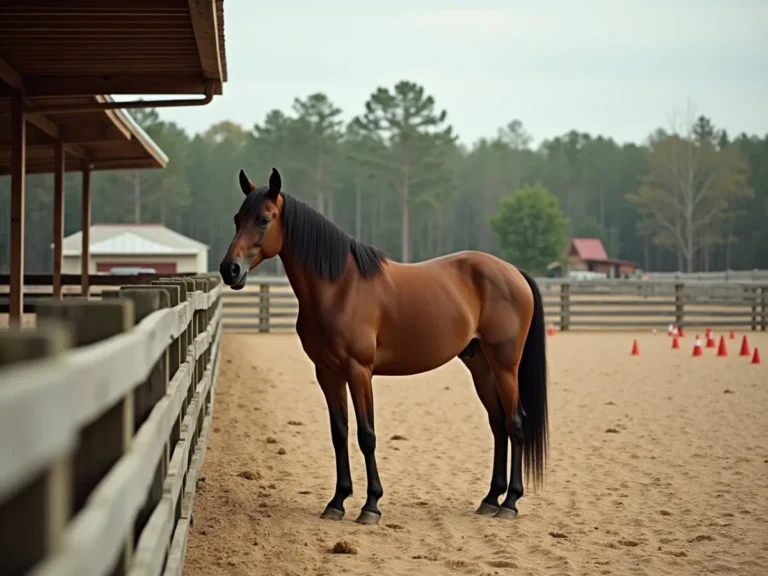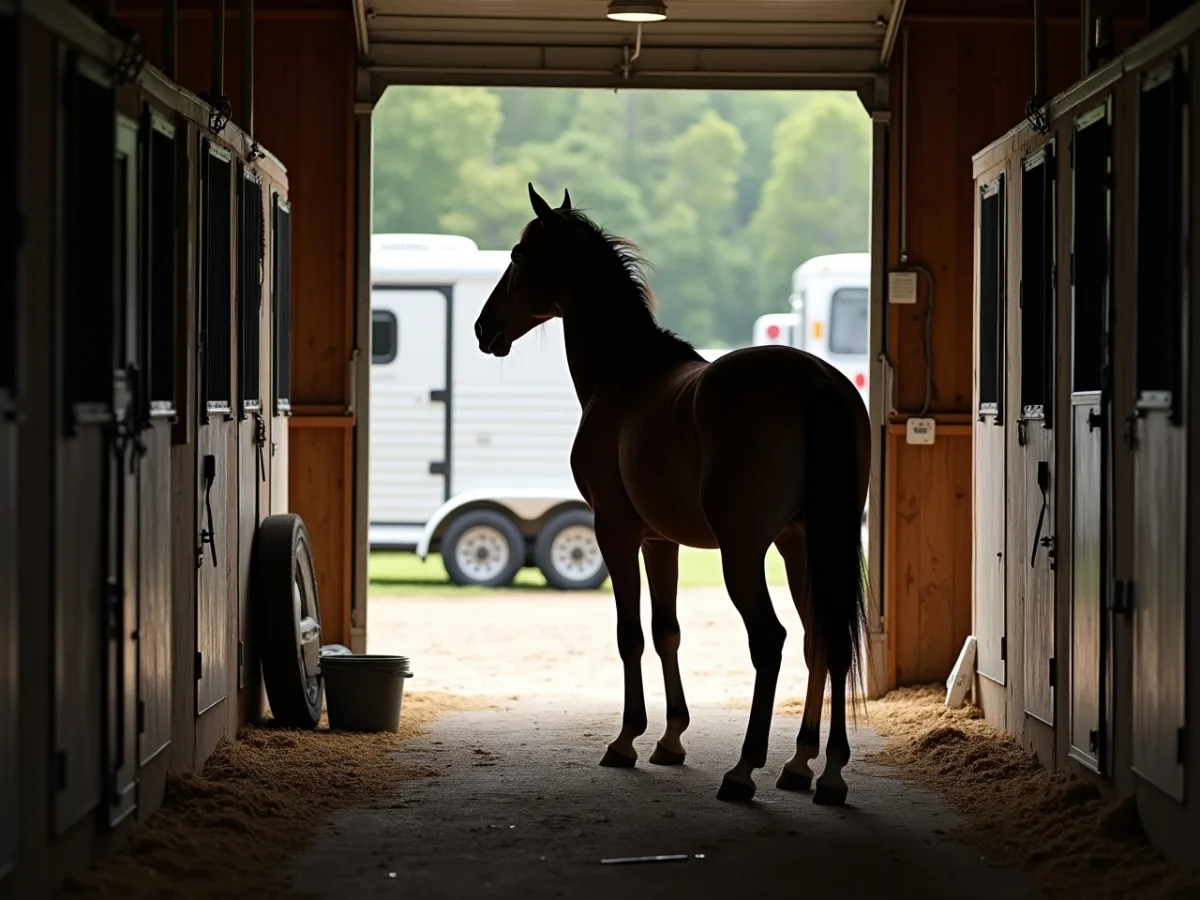
A sudden bang from the trailer ramp, a dropped feed bucket, a clatter in the aisle, and a horse can jump as if the ground itself moved. That quick reaction is not unusual. Horses are built to notice changes before they understand them, and noise often reaches them as a threat until proven otherwise.
What looks like overreaction is often a natural startle response. The body tightens, the head comes up, the ears lock on the sound, and the feet may shift in an instant. In that moment, the horse is not being difficult. It is processing risk the way a prey animal does, and the response can range from a brief flinch to a full bolt.
Knowing how horses respond to sudden noise matters because the same sound can mean very different things depending on the horse, the setting, and what happened just before it. A horse that spooks at a tarp snapping in the wind may settle immediately. Another may stay tense for several minutes, scanning the area and refusing to relax until the environment feels safe again.
Why sudden sounds trigger such a fast reaction
Horses rely heavily on hearing to stay aware of danger. Their ears rotate independently, which helps them track movement and sound from different directions. That sensitivity is useful in the wild, where noticing a small change early can buy time to escape.
In domestic life, the same instinct is still active. A dropped wrench, a slammed stall door, or an echo in an indoor arena can register as something unexpected and potentially dangerous. The horse does not wait to sort it out first. The body reacts before the mind has finished interpreting what happened.
This is why sudden noise often produces an immediate shift in posture. The horse may freeze for a second, then swing the head, snort, step sideways, or whirl away. Some horses show only a small tension spike. Others have a much bigger response, especially if they are tired, fresh, anxious, or in an unfamiliar place.
A strong noise reaction does not always mean a horse is frightened of everything. Often, it means the horse noticed something fast, and the body chose caution before curiosity.
How the reaction looks in everyday situations
In real handling, sudden-noise responses often appear in familiar patterns. A horse tied in the aisle may jerk its head when another horse kicks a stall wall. One turning loose in the pasture might leap away from a gate latch slamming shut. Under saddle, a horse can tense at a barking dog, a tractor starting nearby, or a rider dropping a crop.
Some reactions are brief and obvious. The horse jumps, then immediately checks the source and settles. Others are quieter but still important. The horse may stop chewing, raise the neck, pin all attention on the sound, and move with short, stiff steps for the next few minutes.
Transport often brings out stronger reactions. Trailer vibration, metal banging, road noise, and unfamiliar echoes can stack together. Even a normally steady horse may react more strongly when the sound is unexpected and there is no easy way to move away from it.
Common settings where sudden noise matters most
- Stall and barn aisles with hard surfaces and echoes
- Trailers and loading ramps with metal movement
- Indoor arenas where sound carries sharply
- Busy pastures near traffic, farm equipment, or dogs
- New barns, shows, clinics, and other unfamiliar places
Each of these settings can make a normal sound feel bigger. Hard walls, open spaces, and movement from multiple directions all add to the horse’s sense that something changed quickly.
What a horse may be feeling in the moment
A sudden sound often creates a split-second surge of alertness. The horse’s muscles tighten, breathing may change, and attention narrows toward the source. In that instant, the horse is not thinking in words. It is deciding whether to stand, move, or escape.
That response may come from simple surprise, or from a more general state of stress. A horse already carrying tension has less room to absorb a loud or abrupt noise. The same sound that barely registers on one day may produce a much stronger reaction on another day if the horse is uncomfortable, sore, or mentally overloaded.
It is also common for a horse to react more strongly when the sound comes from an unseen source. A visible object that makes noise, like a feed cart rolling across concrete, is often easier to accept than a sudden bang from behind a wall or around a corner. Sight and sound do not always match up in a horse’s mind, and that mismatch can increase alarm.
When the horse cannot identify where the noise came from, the reaction is often stronger than when the source is visible and predictable.
How surroundings change the response
Environment plays a major role in how horses respond to sudden noise. A sound that seems minor in open daylight may feel sharp inside a barn aisle or enclosed arena. Echoes, shadows, wind, and unfamiliar objects can all make the same event harder to interpret.
Routine matters too. Horses tend to accept sounds that happen in a familiar pattern. They may ignore the daily gate latch, the morning feed cart, or the stable vacuum after enough repetition. The response changes when the sound breaks the pattern, arrives at a strange time, or comes from a new place.
Pasture settings can be different. A horse may be less reactive in open space because it can see farther and move freely, but a sudden nearby noise can still trigger a sharp flight response. If there is no clear escape route, the horse may spin or leap before deciding what to do next.
Environmental factors that often make noise reactions stronger
- Echoes from concrete, steel, or enclosed walls
- Low visibility, darkness, or sudden shadow changes
- Wind that makes objects move unpredictably
- Multiple competing sounds happening at once
- Unfamiliar places with no established routine
These details matter because horses rarely react to sound in isolation. They react to sound plus movement, space, memory, and context all at once.
Different forms of noise response
Not every horse shows the same kind of reaction. Some responses are calm and manageable, while others are defensive or explosive. A calm reaction might look like a quick ear flick, a brief head lift, and a return to work. A more reactive horse may jump sideways, tense through the back, and hold the body rigid long after the noise is over.
There is also a middle ground that people often miss. The horse may seem mostly fine but stay slightly elevated, with shorter steps, a tight tail, or a glazed, fixed look. That half-settled state is important because it can turn into a bigger reaction if another stimulus appears before the horse fully relaxes.
Some horses also show a delayed response. They hear the sound, look at it, and appear calm. Then a few seconds later they snort, startle, or move away. This does not mean the horse was ignoring the sound. It may have been checking whether the sound signaled danger before deciding to react.
| Type of response | What it may look like | Common context |
|---|---|---|
| Brief startle | Ear lock, head lift, quick recovery | Familiar settings, low-intensity sounds |
| Reactive startle | Jump, spin, sidestep, tension | Unexpected loud or close noises |
| Defensive response | Whirl away, rush forward, sustained vigilance | Stress, fear, pain, or tight environments |
These categories are not fixed labels. A horse can move between them depending on the day, the environment, and the intensity of the sound.
What these reactions may signal beyond simple surprise
A sudden-noise response can mean more than “that sound was loud.” It may also point to the horse’s overall state. A horse with good confidence and clear routines may startle, then recover quickly. A horse that is under stress may stay braced, sweat more easily, or react to repeated small sounds as if each one matters too much.
Physical discomfort can play a role as well. A sore back, painful feet, poorly fitting tack, or general fatigue can make a horse less tolerant of sudden events. When the body already feels unsafe or uncomfortable, the nervous system tends to stay closer to the edge.
Age and experience also shape the response. Young horses often react more strongly because they have not yet learned what is normal. Mature horses can still spook, but many recover faster because the familiar patterns of daily life help them interpret sound more efficiently.
Repeated noise reactions are worth noticing when they start to cluster around certain places, times, or handling tasks. Pattern often tells more than one isolated spook.
How people often misread the behavior
Owners sometimes assume a horse that startles at noise is being stubborn or overly dramatic. In reality, the horse may be reacting to a very real sensory event. What seems minor to a person can feel sudden and intense to a horse with large ears, sharp hearing, and a strong survival response.
Another common misunderstanding is to see every noise reaction as fear. Some reactions are simple surprise. Others reflect anticipation, anticipation mixed with tension, or a learned expectation that something unpleasant may follow. The same outward movement can come from different internal states.
It is also easy to overlook the horse that does not make a big show of it. A quiet horse that becomes tight, hesitant, or less willing after a loud noise may be communicating as clearly as the one that jumps sideways. The difference is that the message is subtler.
How noise sensitivity connects to daily management
Consistency in routine often helps horses handle sudden noise more easily. When feeding, turnout, grooming, and training happen in predictable patterns, the horse has fewer reasons to stay on high alert. That does not remove the startle response, but it often shortens recovery time.
Gradual exposure can also make a difference. A horse that regularly hears manageable versions of common sounds, at a distance it can tolerate, often becomes less reactive over time. The key is that the horse stays able to think. If the sound overwhelms the horse, the experience can increase sensitivity instead of reducing it.
Handlers usually notice the biggest gains when they pay attention to timing. Introducing noisy equipment, clanging buckets, flapping tarps, or trailer sounds during already stressful moments may backfire. A horse that is tired, rushed, or anxious is more likely to react sharply. The same horse may handle the same sound better after exercise, once settled, or in a familiar spot.
Practical signs the horse is not fully settled after a noise
- Head held higher than normal
- Tail clamped or swishing with tension
- Short, quick steps instead of loose movement
- Refusal to lower the neck or soften the jaw
- Repeated scanning of the area after the sound ends
These signs suggest the horse is still processing the event. They can be brief, but they matter when you are deciding whether to continue, pause, or change the environment.
When the response becomes more noticeable over time
Some horses react more to sudden noise during certain life stages. Young horses often show bigger startle responses because almost everything is new. They are learning which sounds belong to normal life and which ones need attention. That learning process can take time, and the reactions may look inconsistent from day to day.
Older or more experienced horses may still become reactive if they are stressed, dull to their surroundings for health reasons, or suddenly placed in a busier environment. A horse that has spent years in a quiet pasture may be deeply unsettled by the noise level of a show barn. Experience does not erase sensitivity; it only changes the way it shows up.
Long-term patterns are useful to watch. If a horse starts responding more strongly to ordinary sounds that never bothered it before, something may have changed in the horse’s comfort, confidence, or environment. That shift can be subtle at first, showing up as more tension, less curiosity, or a quicker jump at everyday noise.
A change in noise tolerance often appears before a bigger problem is obvious. The early signs are usually smaller, not louder.
Reading the whole picture
Sudden noise is never just about the noise itself. It is about what the horse can see, what it expects, how relaxed it already feels, and how much space it has to respond. Two horses can hear the same slam and show completely different reactions because they are not bringing the same history or state of mind to the moment.
That is why it helps to look at the entire body. The ears, neck, feet, tail, and breathing pattern often tell a fuller story than the jump alone. A horse that startles and quickly returns to grazing is sending a different message from one that stays rigid, watchful, and unwilling to let go of the event.
Over time, these reactions can reveal how well the horse is handling daily life. A horse that remains generally loose, recovers quickly, and accepts routine noises without escalating is usually navigating its world with more confidence. A horse that keeps reacting strongly to small disruptions may need a calmer setup, a clearer routine, or a closer look at what else is making the environment feel unsafe.
Noise will always matter to horses. It is part of how they stay alive, how they stay alert, and how they make decisions in a changing world. In the stable, in the field, on the trail, or under saddle, the response begins with a sound but often reflects much more than that one moment.