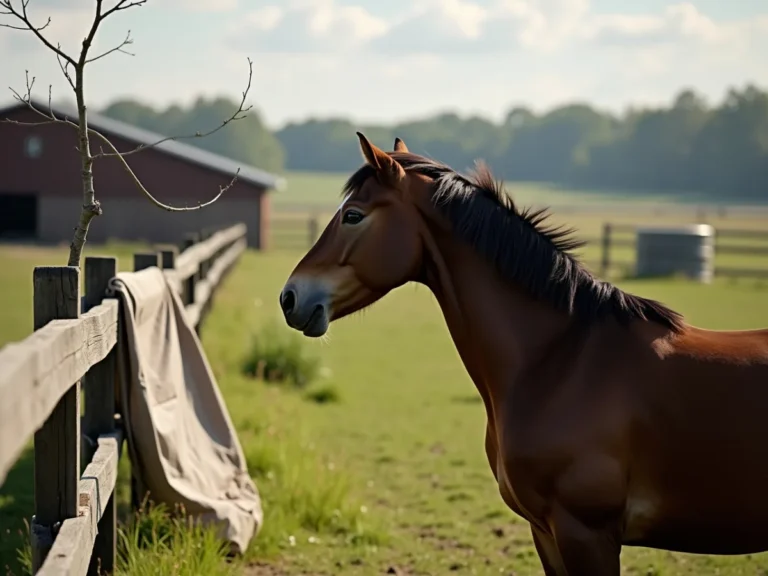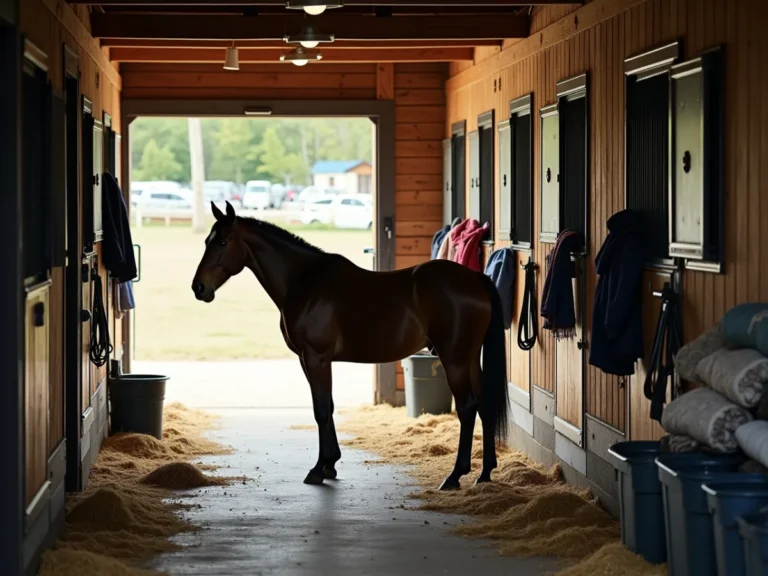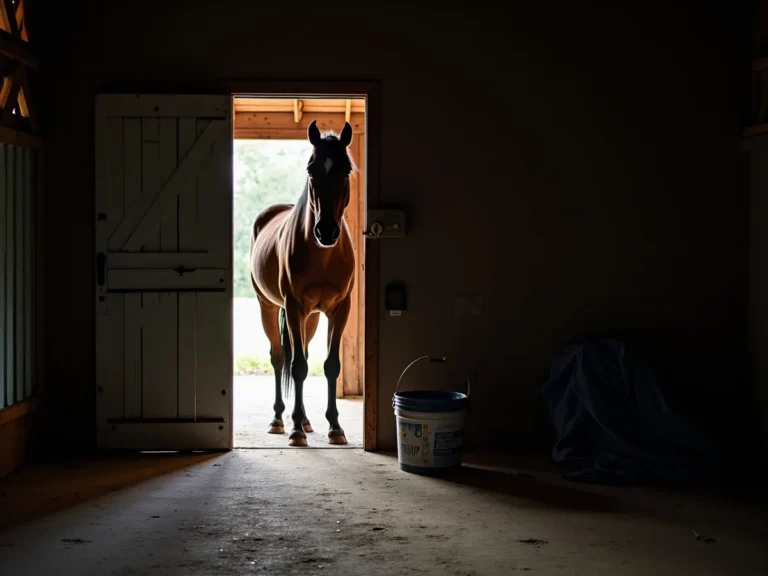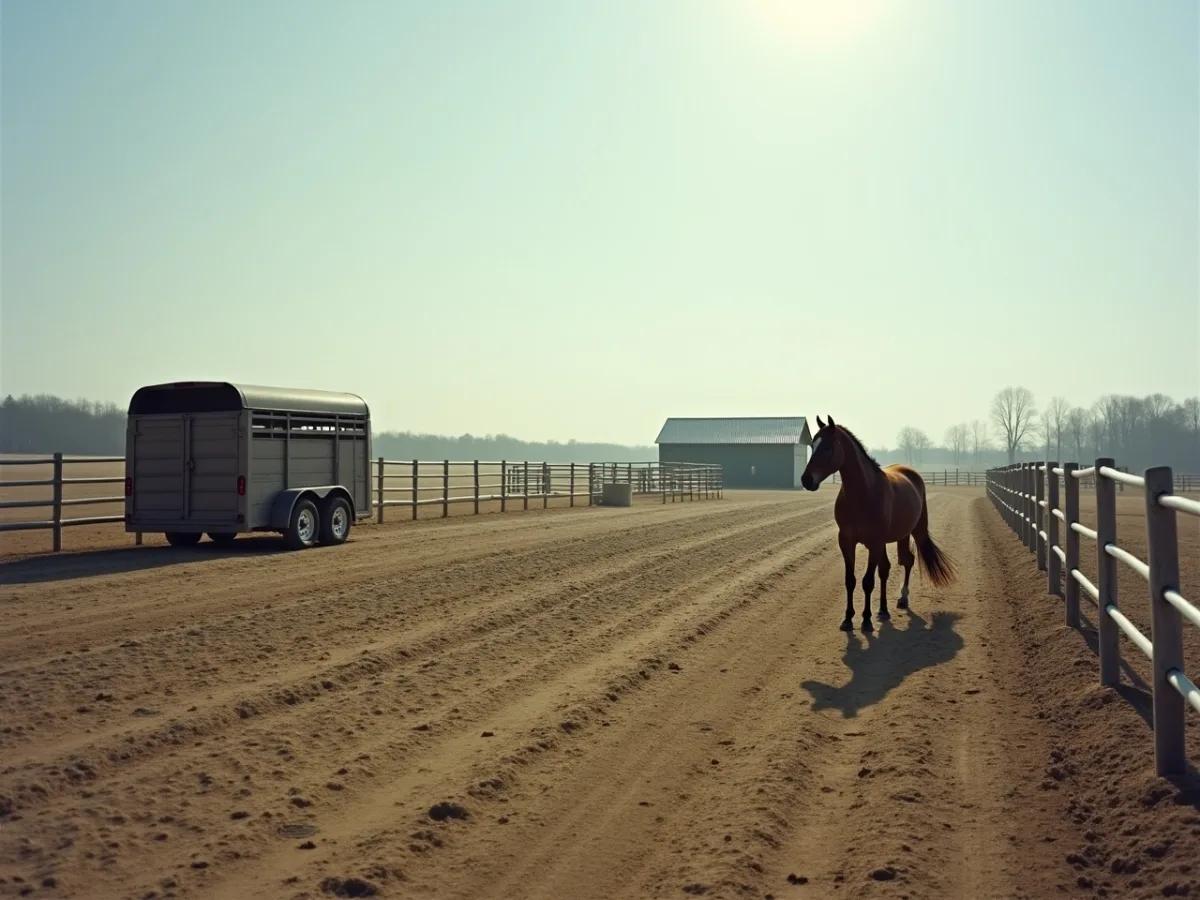
Nervousness outside familiar areas is one of those horse behaviors that can appear suddenly and seem bigger than it really is. A horse that is steady in the barn aisle may become tense at a new trailhead, fidgety in a different arena, or watchful the moment the trailer door opens. The change can feel frustrating because the horse is not being difficult on purpose. It is reacting to unfamiliar information.
That reaction is not always dramatic. Sometimes it shows up as a quieter kind of concern: a tight neck, quicker breathing, extra scanning, or reluctance to stand still. In other moments it becomes much more obvious, with calling, pacing, spooking, or a strong desire to return to known ground. The setting matters, but so does the horse’s history, routine, and confidence level.
When a horse seems nervous away from home, the goal is not to force bravery out of them. It is to understand what feels unfamiliar, what feels safe, and how much pressure the moment adds. Once that becomes clearer, the behavior makes more sense.
Why unfamiliar places can feel unsettling
Horses are built to notice change. Their survival depends on reading the environment quickly and deciding whether something might be risky. In familiar places, they know the pattern of sounds, smells, footing, and movement. Outside that pattern, even ordinary things can seem important.
A new area may bring together several unknowns at once. The footing may feel different under the hooves. The space may look open and exposed. There may be strange equipment, traffic, other animals, or voices echoing from places the horse cannot easily see. Each small difference adds to the overall picture.
The nervous horse is often not reacting to one big threat. More often, the reaction comes from several small unfamiliar details stacking together.
Some horses adjust quickly once they have time to look around. Others need repetition before the setting feels less sharp. A few stay highly responsive no matter how many times they visit a place, especially if the environment remains busy or unpredictable.
How nervousness appears in real situations
Outside familiar areas, nervousness can look different depending on the horse and the setting. A horse at a show may stand with a tight body and constantly watch the entrance. On a trail, the same horse might hesitate at the first bend, then rush to catch up once they decide the place is unfamiliar but not dangerous. In transport, the behavior may show up as shifting weight, bracing, sweating, or calling out when separated from home.
These reactions are not always dramatic enough to be called a spook. Some horses stay mostly cooperative but become noticeably less settled. They may take shorter steps, react more quickly to movement, or refuse to relax their head and neck. Others look busy rather than frightened, which can be easy to miss if the behavior is mild.
Common signs that a horse is unsettled outside familiar areas
- Raised or fixed head carriage
- Quick scanning with the eyes and ears
- Tension through the jaw, neck, or back
- Difficulty standing quietly
- Calling, pacing, or circling
- Hesitation near entrances, trailers, or open spaces
- Startling at sounds, shadows, or movement
Not every sign means the horse is deeply stressed. Sometimes the horse is simply alert. The difference lies in how long the tension lasts and whether the horse can settle after taking in the surroundings.
Why some horses respond more strongly than others
Not all horses are equally bothered by new places. Some are naturally bold and curious, while others are thoughtful and cautious. Breed tendencies, early experiences, handling style, and life routine all play a role, but none of these factors work alone. Two horses with similar backgrounds can still react very differently.
A horse that has been exposed to many environments in a steady way often has an easier time coping with change. That does not mean the horse never gets nervous. It means the horse may recover faster because new situations feel more manageable. By contrast, a horse that sees very little variety may have more trouble taking in unfamiliar sights and sounds.
Past experiences matter as well. If a horse once had a frightening trailer ride, a rough lesson in a strange arena, or an overwhelming clinic day, that memory can shape future reactions. The horse may appear nervous before the situation even becomes difficult because the setting itself has become a warning sign.
What the body is often saying before the behavior escalates
Nervousness usually starts in the body before it becomes a bigger reaction. A horse may tighten through the topline, lift the tail, breathe faster, or lock onto a specific object. These signs often appear before the horse pulls, refuses, bolts, or becomes difficult to handle. Paying attention early makes the situation easier to manage.
Subtle body language can be more useful than waiting for obvious behavior. A horse that stops chewing, widens the nostrils, or keeps one ear glued toward a noise may be collecting information. That does not automatically mean the horse is out of control. It means the horse is alert and deciding how to respond.
Subtle signals that often come first
- Stillness that feels tense rather than relaxed
- Shallow breathing
- Muscle tightness along the neck and shoulders
- Tail held away from the body
- Frequent head movement to check the environment
- Reluctance to soften one side of the body
When these signs show up together, the horse may be moving from curiosity into concern. That transition is often where people first notice the behavior, even though the horse has already been processing the situation for a while.
How surroundings shape the response
The environment itself can either lower or raise a horse’s tension. A quiet place with predictable footing, clear boundaries, and a calm routine usually helps. A place with echoes, sudden movement, mixed surfaces, barking dogs, loud machinery, or lots of traffic can make even a steady horse more reactive.
Lighting can matter too. Deep shadows, bright reflections, or a rapid change from indoor to outdoor space may unsettle some horses. So can narrow doorways, tight corners, and places where the horse feels trapped between people or objects. A horse that is nervous outside familiar areas is often reading the layout as much as the noise.
What feels “small” to a person may feel important to a horse when it changes the horse’s ability to see, hear, or move freely.
Routine also has a strong influence. A horse that always works at the same time, in the same area, with the same people may feel less prepared for a sudden change. Even a peaceful new place can be stressful if it arrives with no warning or gradual introduction.
Calm interest versus true stress
It helps to separate active curiosity from real distress. Some horses look intense outside familiar areas but still remain mentally available. They may watch closely, step carefully, and settle once they have explored the space. That kind of behavior is often a sign of alertness rather than panic.
Stress-related nervousness looks different. The horse may struggle to eat, ignore familiar cues, brace against handling, or become increasingly reactive instead of settling with time. A calm horse may be busy, but a stressed horse often seems unable to let go of the environment.
| Behavior | More likely meaning |
|---|---|
| Looking around with soft pauses | Curiosity and information gathering |
| Tight body, fast breathing, repeated startle | Heightened nervousness or stress |
| Short hesitation followed by steady movement | Adjustment to a new place |
| Pacing, calling, refusal to settle | Strong discomfort or insecurity |
The same action can mean different things depending on the rest of the body. A horse that pauses at a strange object is not the same as a horse that freezes and then explodes forward when asked to move past it.
How people sometimes misread the behavior
People often label a nervous horse as stubborn, dramatic, lazy, or spoiled. Those labels miss the point. The horse is usually dealing with uncertainty, not making a personal choice to be difficult. That distinction matters because it changes how the situation is handled.
Another common mistake is assuming that a horse who is quiet must be fine. Some horses become very still when they are overwhelmed. They may not call out or move much at all, but the body remains hard and alert. Stillness is not always relaxation.
On the other hand, not every energetic horse is anxious. Some horses become active when they are excited by the setting, the work, or the chance to move. The difference is in the quality of the energy. Nervous energy tends to be sharp, tight, and hard to settle. Positive energy is usually looser and more recoverable.
How handling choices affect the horse’s confidence
What happens next can either help the horse settle or make the unfamiliar place feel even harder. A hurried approach, repeated correction, or too much pressure too soon can turn mild worry into stronger resistance. Horses remember what the environment felt like, and they also remember what the handler did while they were unsure.
Steady, predictable handling usually helps more than pushing for instant calm. Giving the horse a moment to look, breathe, and process can prevent the nervous response from climbing. Clear expectations matter, but so does timing. The horse often benefits from a little space to understand the setting before being asked to perform at the same level as at home.
That does not mean removing all structure. It means keeping the interaction organized without crowding the horse’s coping ability. A horse that feels trapped may become more reactive, while a horse that has room to orient often settles more naturally.
Where nervousness tends to show up most often
Some places consistently bring out the behavior. The barn itself may be comfortable, but the horse may become tense in the parking area, on the way to the trailer, or near the edge of a new field. Covered arenas, busy show grounds, clinic stalls, wash racks, and trail crossings are common trouble spots because they combine unfamiliar surfaces with sound, movement, and pressure.
Even within the same property, one section may feel normal while another triggers concern. A horse may walk quietly in the home arena but become worried in a different corner with more echo or less visual boundary. Small changes matter.
Situations that often increase nervousness
- Travel and loading
- New barns or stall rows
- Open spaces with little visual structure
- Busy competition or clinic environments
- Trail rides with changing footing and scenery
- Places where the horse is separated from herd mates
Separation can intensify the reaction. A horse that feels secure with companions may become much more unsettled when alone in a strange place, even if the new setting is quiet.
What the reaction may be telling you
Nervousness outside familiar areas often points to uncertainty more than disobedience. It may suggest that the horse does not yet trust the setting, does not fully understand the routine, or needs more time to build confidence in a particular type of environment. It can also point to fatigue, discomfort, or a bad association if the horse is more reactive than usual.
That is why pattern matters. If the horse is only nervous in specific places, the issue may be environmental. If the reaction appears suddenly in many places, it may be worth looking at physical comfort, workload, or recent stress. A horse that is sore, tired, or mentally overloaded has less capacity to cope with unfamiliar surroundings.
A change in behavior away from home can reflect the place, the memory of the place, or the horse’s current state on that day.
Watching the pattern over time gives a better picture than judging a single moment. Some horses need repeated quiet exposure. Others need more distance, more routine, or a slower introduction to new spaces.
Building comfort without rushing the process
Confidence in unfamiliar areas usually grows through repetition, not through one big successful outing. A horse may do better with short visits, calm standing, brief walks, or quiet observation before any demanding work begins. Familiarity builds in layers.
Small wins matter. A horse that loads more quietly, stands for a few relaxed minutes in a new place, or walks past a scary section without escalation is learning something useful. The progress may look modest, but it changes how the horse reads the next unfamiliar setting.
It also helps to keep the horse’s routine as stable as possible when the environment changes. Similar handling, similar preparation, and a clear sequence can make a strange place feel more predictable. Predictability lowers the emotional cost of the unknown.
A quieter kind of confidence
Nervousness outside familiar areas does not always disappear completely, and that is not unusual. Many horses remain observant in new places even when they become more seasoned. The goal is often not to erase sensitivity, but to help the horse stay usable, comfortable, and able to recover.
A horse that can look, think, and then relax again is working through uncertainty in a healthy way. A horse that feels understood in a strange setting often shows that understanding in small ways: slower breathing, softer movement, less calling, and a body that gradually unfolds into the space. Those changes are easy to miss if attention stays only on the first reaction.
Outside familiar areas, the horse is simply telling the truth about the moment. The nervousness has a reason, and once the reason is clearer, the response becomes easier to meet with patience and good timing.