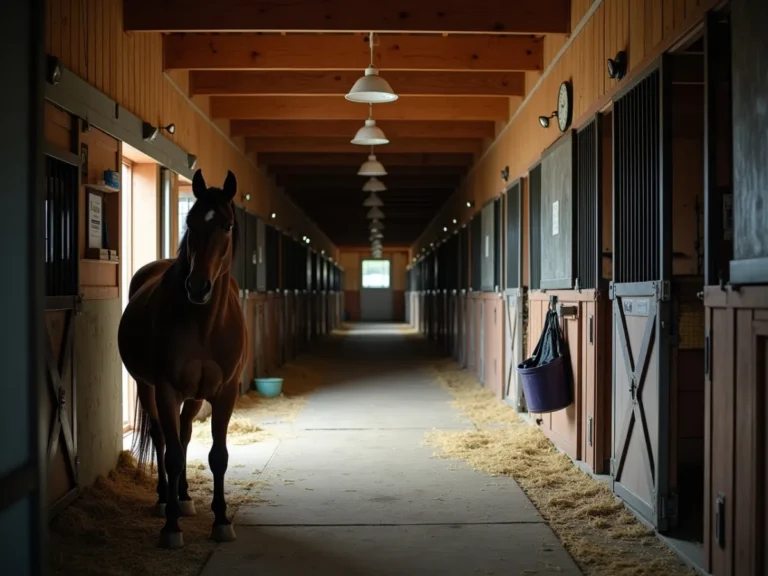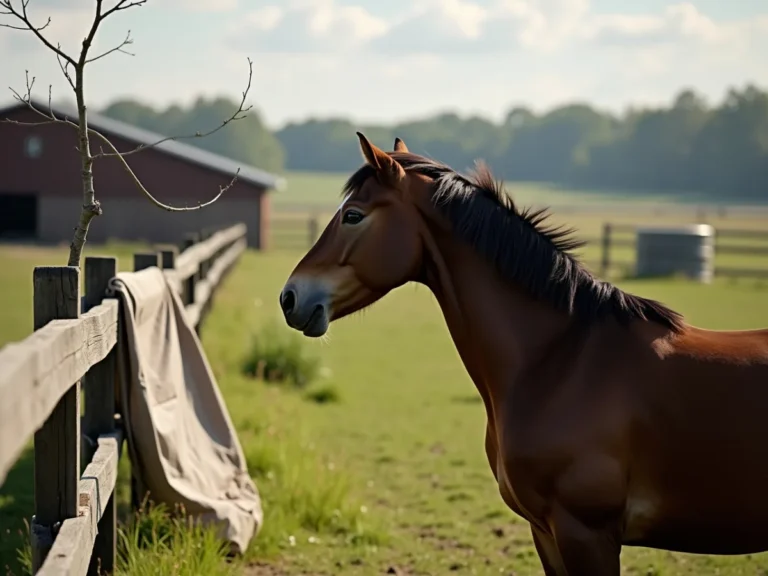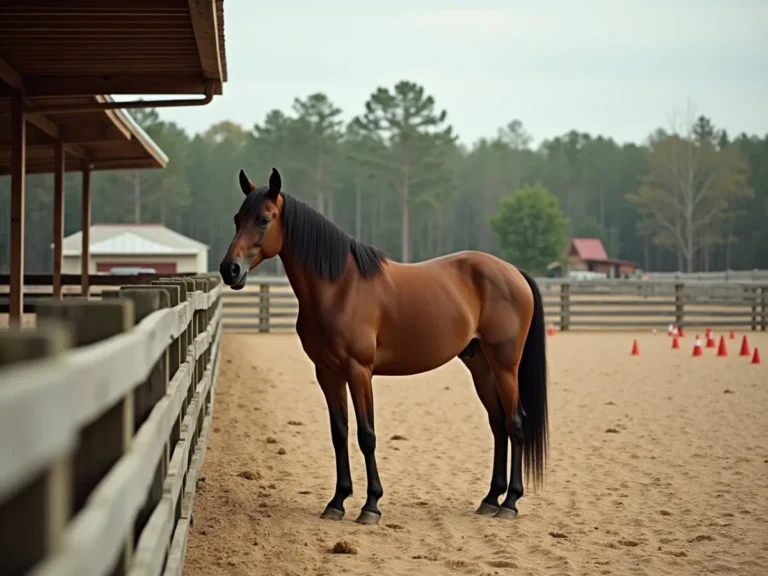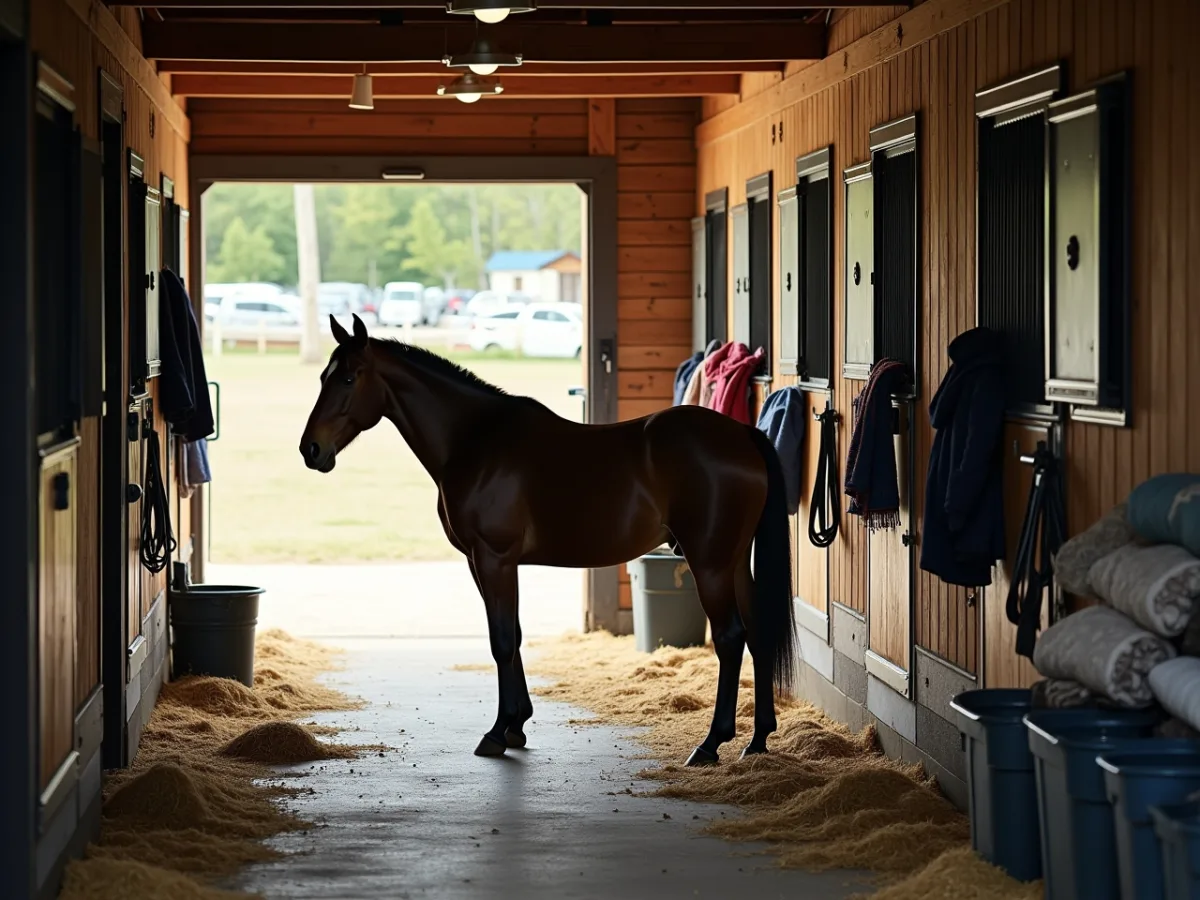
A horse that settles well in one stable may act very differently after a move. The same animal can become quieter, more watchful, more reactive, or simply harder to read. That shift is not unusual. It often appears in small ways first: a horse that hesitates at the stall door, pins its ears at new sounds, or spends extra time watching the aisle before relaxing.
Adjusting to a new stable is rarely just about location. The horse is taking in unfamiliar smells, routines, neighbors, feeding patterns, footing, and handling habits. Even if the barn looks calm to a person, it can feel crowded and unpredictable to a horse. What seems like a minor change to an owner may be a major reset for the horse’s daily sense of safety.
Behavior changes during this period can be mild or very obvious. Some horses become unusually clingy and call to other horses. Others withdraw, stand stiffly, or move with extra tension. A few act more forward than usual, while some seem duller or less interested in work. Those reactions do not always mean the horse is misbehaving. Often they show that the horse is still learning how to live in the new environment.
Why a New Stable Changes Behavior
Horses depend heavily on routine. In a familiar barn, they know where their feed comes from, which horses live nearby, when turnout happens, and how people usually move around them. A new stable interrupts all of that. The horse has to rebuild a map of the environment and decide what is safe, what is normal, and what deserves attention.
That process can change behavior in visible ways. A horse that was easy to lead may suddenly lag behind or rush ahead. Another may become more vocal when separated from companions. Some horses pace the fence line, while others stand with a fixed stare and little movement. These are not random habits. They are often part of the horse’s effort to regain control over a new situation.
There is also a social layer. Horses are herd animals, and a stable move can mean losing familiar companions at the same time the horse loses familiar surroundings. Even when the new herd is friendly, the horse must figure out rank, space, and boundaries again. That social uncertainty often shows up before the horse fully settles.
A horse that changes behavior after a move is often saying, “I do not know this place yet.” That uncertainty can look like spookiness, tension, withdrawal, or extra attachment to other horses.
How the Change Shows Up in Daily Handling
The first place many owners notice a shift is on the ground. A horse may hesitate before entering a stall, swing the hindquarters away from a doorway, or keep its head elevated while being groomed. Some horses become harder to catch in turnout, especially if they are not yet sure where they belong in the new routine. Others become too eager and push into the handler, as if trying to stay close for reassurance.
Leading can reveal a lot. A horse that usually walks beside a person may start drifting, stopping to stare at every sound, or rushing through narrow areas. Cross-ties can feel intimidating to a horse that does not yet trust the stall setup. Even simple things like picking up feet, allowing fly spray, or standing for tacking can take longer than they used to.
Feeding time often brings the clearest changes. Many horses become more alert when they are still learning the new schedule. They may pace, call, nicker repeatedly, or guard their hay. Some eat less at first. Others eat normally but remain tense, with quick head movements and frequent checks of the surrounding area. The horse may be physically present but mentally still scanning the barn.
Small Handling Signs That Often Appear
- Standing with weight shifted away from the handler
- Repeated looking toward doors, windows, or neighboring horses
- Quicker reactions to touch or sound
- Delayed response to familiar cues
- Calling out more often than usual
- Difficulty settling after being brought in from turnout
These signs matter because they tell you how much the horse is still processing. A horse may look fine in one moment and then jump at the next unfamiliar movement. That does not necessarily mean the horse is getting worse. It may simply mean the horse has not yet built enough confidence in the new setting.
What Can Be Happening Internally
Behavior changes during a stable move are often tied to stress, but stress is not always dramatic. In horses, it can show up as increased vigilance, reduced patience, or a shorter threshold for surprise. The horse may be using extra energy to monitor the environment, which leaves less mental space for training, rest, or quiet interaction.
Some horses are more sensitive to change than others. A horse with a strong attachment to routine may notice every difference, from the sound of the water buckets to the smell of the bedding. Another horse may seem adaptable at first but show delayed tension after a few days, once the novelty wears off. In both cases, the horse is adjusting to new information and trying to decide whether the new place is predictable.
Pain or discomfort can also complicate the picture. A horse settling into a new stable may carry tension from hauling, stress, or a less comfortable stall setup. If a horse seems unusually irritable, stiff, or unwilling to move after the move, it is worth considering whether the behavior is emotional, physical, or both. The two often overlap.
Not every change after a move is “just stress.” Appetite, movement, and willingness to interact should be watched together, because discomfort can make a horse seem anxious and anxiety can make a horse seem resistant.
How the Environment Shapes the Reaction
Different stables create different kinds of pressure. A quiet private barn can feel less overwhelming than a busy show barn, but it may also feel too isolated for a horse used to company. A larger facility may offer more herd contact, yet the constant motion, noise, and passing horses can make settling harder. The horse’s behavior usually reflects the balance between stimulation and familiarity.
Physical details matter more than many people expect. A stall with a view of other horses may help one horse relax and make another more reactive. A paddock near a road, arena, or loud machine may keep a horse on alert for days. Even footing can affect mood. Deep mud, slick floors, or unfamiliar arena sand can make a horse less willing to move freely.
Routine changes can be just as important as the place itself. If feed arrives at different times, turnout happens sooner or later than expected, or handling feels more rushed than before, the horse may stay unsettled longer. Horses notice timing. When the day feels unpredictable, their behavior often becomes less steady too.
Environmental Triggers That Commonly Matter
- New barn sounds, including doors, clanging buckets, and machinery
- Different turnout groups or herd size
- Stall placement near traffic or high activity areas
- Changes in feeding time or feed type
- Different footing in aisle, paddock, or arena
- Reduced opportunity to see companion horses
One horse may settle quickly in a place with visual contact and light movement around it. Another may need a quieter corner and a more gradual introduction to barn life. The key is that behavior is not happening in a vacuum. The environment is part of the conversation.
Common Patterns in the First Days and Weeks
During the first few days, many horses behave as if they are on alert. They may spend more time standing still and watching. Some move through the barn more carefully than before. Others seem restless, as though they are trying to find a spot where everything makes sense again.
By the second week, the pattern may shift. A horse that was overly active may begin to relax, while a quieter horse may finally start showing more of its opinions. This delayed change can surprise owners. The horse that seemed easy during the first few days may later show more tension once the initial novelty fades and the real adjustment begins.
It is also common for behavior to change from one setting to another within the same stable. A horse may be calm in the stall but worried in the arena. Another may behave well during turnout but become tense at the cross-ties. These differences are useful. They show where the horse feels secure and where the new environment still feels uncertain.
| Situation | Possible Behavior Change | What It May Mean |
|---|---|---|
| Stall | Restlessness, calling, pacing | Unfamiliar surroundings or social concern |
| Turnout | Hesitation, fence-walking, clinginess | Uncertainty about herd placement or space |
| Handling | Resistance, quick reactions, distractibility | Reduced trust in the new routine |
| Riding | Tension, spooking, lagging, rushing | Difficulty processing the new environment |
How the Horse May Act in Riding Work
When riding resumes in a new stable, behavior changes can show up even in horses that seem calm on the ground. The horse may look around more, hesitate at the arena gate, or react sharply to things that would normally be ignored. Some become tight through the back and neck, which can make transitions feel less smooth. Others try to move faster, as if they want to get the work over with.
The horse may also struggle with concentration. Familiar aids may need to be repeated. A horse that is usually soft may brace against the hand or take longer to soften into a working frame. Some horses feel mentally split between the rider and the environment, which can make them seem inattentive or inconsistent.
These reactions often improve when the horse gains a stronger sense of predictability. Short, uncomplicated sessions usually help more than long, demanding ones during the first stretch in a new barn. The horse does better when the work matches the level of confidence it currently has.
Behavior under saddle can change before a horse looks clearly worried on the ground. A tense neck, quick head turns, or a shorter stride may be the first visible signs that the horse is still adjusting.
Different Horses, Different Adjustment Styles
No two horses settle in exactly the same way. Some are outwardly expressive and make their feelings obvious right away. They may call, fidget, or show tension in plain sight. Others are more contained. They stand quietly, eat, and appear settled, but their bodies tell a different story through stiffness, reduced expression, or a lack of curiosity.
Young horses often show more obvious behavior changes because they have less experience with change. They may not yet know how to handle new routines without becoming reactive. Mature horses can be steadier, but they are not always faster to adapt. A horse with long memory and strong preferences may be deeply affected by a move even if it looks composed at first.
Horses that have moved often may adjust more quickly to the mechanics of a new stable, yet still show subtle signs of unease. They may eat, work, and stand quietly while remaining less social or less bright than usual. Experience helps, but it does not erase the need for adjustment.
What Often Helps the Horse Settle
- Keeping feeding and turnout times as consistent as possible
- Using the horse’s familiar equipment when appropriate
- Introducing new areas one at a time
- Allowing quiet observation before demanding work
- Watching for changes in appetite, manure, and body language
- Giving the horse stable, repeatable handling from day to day
A horse usually settles best when the human side of the routine is steady. Clear patterns, calm movement, and familiar handling go a long way. The horse does not need every part of the new stable to become familiar at once. It needs enough repetition to start predicting what happens next.
When the Change Becomes More Noticeable
Sometimes the horse seems fine for a day or two and then becomes more reactive later. That delayed response is common. The horse may initially rely on adrenaline and curiosity, then show more real behavior once the first rush fades. Owners often notice this when a horse that was “good on arrival” becomes tighter, more vocal, or less cooperative after a few days.
Changes are also more obvious during transitions inside the day. Morning turnout, afternoon feeding, evening bring-in, or the first ride after a rest day can all reveal where the horse is still uncertain. A horse may handle quiet periods well but become unsettled when the barn gets busy. Another may seem relaxed until the herd changes or a neighbor horse leaves.
Long-term, the most meaningful sign is consistency. If the horse gradually becomes more relaxed across different parts of the day, the adjustment is probably going well. If tension keeps appearing in the same situations without easing, the horse may need a slower introduction, a different routine, or a closer look at whether something in the environment is bothering it.
What to Watch for Beyond the Obvious
People often focus on the loud signs: pawing, calling, pacing, or resistance. Those are important, but quieter signals can be just as revealing. A horse that stops grooming itself with friends, stands apart from the herd, or loses interest in exploring may be showing a softer form of discomfort. The horse may not be explosive. It may simply be less engaged.
Changes in appetite, manure consistency, and sleep patterns can matter too. A horse that is not resting well in a new barn may seem dull during the day or overreactive in the evening. Mild digestive changes can also make a horse appear anxious or touchy. When several small changes happen together, they can point to a horse that is still under adjustment stress.
Quiet discomfort often looks like “fine” from a distance. Closer observation of eating, resting, and social interest can show whether the horse is actually settling or merely coping.
Finding a Steadier Rhythm
As the horse becomes more familiar with the stable, behavior usually becomes more even. The horse may begin to stand more quietly at the door, travel more willingly to turnout, or show less surprise at routine sounds. Small signs of confidence matter. A horse that lowers its head to eat, rests a hind leg, or watches its surroundings without bracing is often starting to trust the new setting.
That trust grows through repetition. The same gate, the same feed bucket, the same path to the paddock, and the same calm handling all help the horse connect the new stable with predictable experiences. When the horse no longer needs to spend so much energy figuring out the environment, behavior often smooths out in ordinary, practical ways.
Sometimes one part of the stable remains hard even after the rest feels normal. That is not unusual. A horse may be fine in the stall but still tense in the wash rack or restless near the arena. Adjustment is rarely a straight line. It tends to happen by area, by routine, and by the horse’s own sense of safety in each part of the day.
Watching those shifts closely gives a clearer picture than looking for one perfect sign of settling. The horse shows progress in small pieces first. Then the pieces start to line up. The call at feeding time softens. The steps through the aisle become slower and looser. The ears stop flicking toward every new sound. The stable becomes known territory, and the behavior begins to match that change.