Horses rarely stand in a truly empty world. Even when they seem still, they are reading the space around them, picking up movement from the corner of an eye, the shift of a fence line, a flutter of fabric, or the change in a pasture mate’s position. That awareness is not accidental. It is part of how they stay safe.
Because horses are prey animals, movement carries meaning. A sudden gesture can be harmless, but the horse’s body may react before the mind has decided what it means. That is why a horse can spook at a plastic bag one day and ignore a much larger object the next. The difference often lies in angle, timing, familiarity, and the horse’s state of mind.
Tracking movement around them is a blend of eyesight, head position, ear control, body tension, and instinct. It shapes how horses behave in the pasture, in the barn aisle, under saddle, and even when they appear relaxed. Understanding it helps owners read what a horse is noticing and why the response may be calm, cautious, or suddenly sharp.
How a Horse Notices Motion Before It Looks Directly
Horses do not see the world the way people do. Their eyes are set on the sides of the head, giving them a wide field of view and strong sensitivity to movement. A horse may detect something moving behind or beside them long before they turn their head to inspect it. That is one reason they seem so quick to react to small changes nearby.
Their vision is especially good at noticing motion, not fine detail. A horse may not immediately identify what a shape is, but it can still register that something moved. Once that movement is detected, the horse often freezes, shifts weight, points an ear, or raises the head to gather more information.
For a horse, movement is often the first clue that something matters. Identification usually comes after detection.
This is why a horse can react strongly to something a person barely noticed. A coat draped over a gate, a branch tapping a fence rail, or a dog running along the edge of the arena may register as important because the motion is unexpected. The horse is not being dramatic. It is doing exactly what its senses tell it to do.
Why Movement Gets So Much Attention
Movement matters because it can signal danger, social activity, or change in the environment. In the wild, a still object is usually less urgent than a moving one. A predator, another herd member, or a shifting obstacle often deserves immediate attention. That old pattern still influences domestic horses today.
Horses also use movement to keep track of herd members. They watch for the position of other horses, the direction of a walk, the start of a run, and even subtle changes in body language. A horse may respond to another horse’s movement before any vocal cue is heard.
In a stable or paddock, that same instinct can show up in everyday ways. A horse may follow a person walking by with its eyes, swing the head toward a feed cart, or stare at a gate that usually opens at a certain hour. Movement linked to routine becomes especially meaningful because the horse learns to expect something next.
The Main Ways Horses Track Movement
Using the eyes
Horses rely heavily on peripheral vision. They can keep watch on a wide area without turning their head all the way. When something moves, the eye often shifts toward it first, followed by the head and neck. If the movement remains unclear, the horse may turn more fully to inspect it.
Using the ears
Ears are not just for hearing. They help show where attention is going. Forward ears often suggest interest in movement ahead, while one ear may point toward a sound or motion to the side. Ears that flick rapidly can mean the horse is sampling several things at once.
Using the head and neck
A lifted head often gives the horse a better view of motion over distance. A lowered head can happen when the horse feels safe enough to stay relaxed, but it may also shift lower when grazing or resting. The horse adjusts head position to balance detail, distance, and readiness.
Using the body
Tracking movement is not just visual. Horses often shift weight, brace lightly through the neck, or angle the body toward the source of motion. Sometimes the hindquarters move away while the front end stays fixed, allowing the horse to keep watching without fully committing to a turn.
What Calm Tracking Looks Like
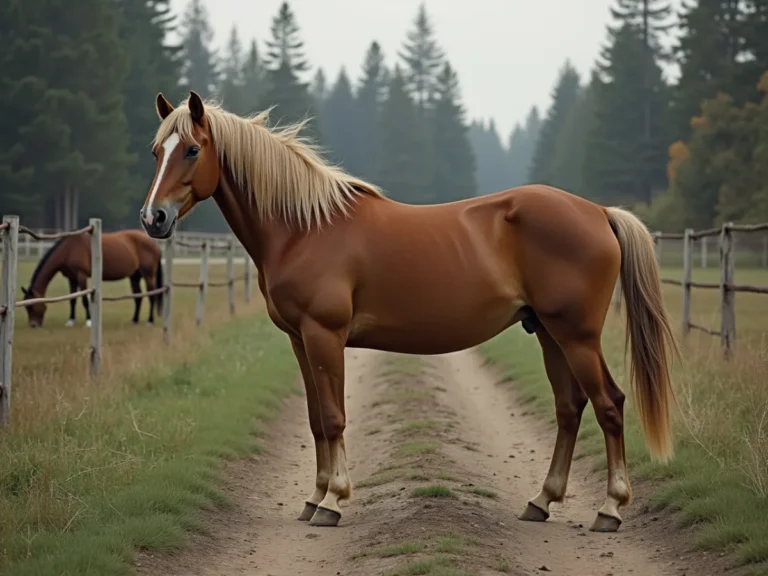
Not every response to movement is a sign of concern. Many horses simply track with quiet attention. A relaxed horse may watch a person crossing the paddock, follow another horse’s path with a slow turn of the head, or glance toward a barn door opening without stiffening.
Calm tracking usually looks smooth. The horse remains able to shift back to grazing, standing, or resting after checking the motion. The posture stays soft, the breathing stays regular, and the ears continue to move without locking into a fixed position for too long.
In many cases, calm tracking is a sign that the horse is engaged with the environment but not overwhelmed by it. The horse is aware, not alarmed. That distinction matters because alertness by itself is not a problem. It becomes more important when the body starts to brace or the horse stops being able to disengage.
When Tracking Becomes Reactive
Some movement creates a sharper response. A sudden gesture, a fast-running animal, a bag blowing across the aisle, or a person appearing unexpectedly around a blind corner may trigger a quick head snap, a startle, or a jump sideways. This reaction can happen in a split second.
Reactive tracking often includes tension. The horse may widen the eyes, tighten the jaw, lift the tail, or bunch the muscles along the neck and shoulders. The feet may plant firmly or begin to shift as if preparing to move away. A horse in this state is not simply watching. It is preparing to respond.
When a horse’s attention becomes rigid, movement is no longer just information. It may feel like a threat until proven otherwise.
That does not always mean the horse is frightened in a serious way. Sometimes it is only a brief flare of caution. Still, the quality of the reaction matters. A quick look and return to normal is very different from a horse that stays locked on one moving object and cannot relax.
Common Situations Where Movement Tracking Shows Up
In the pasture
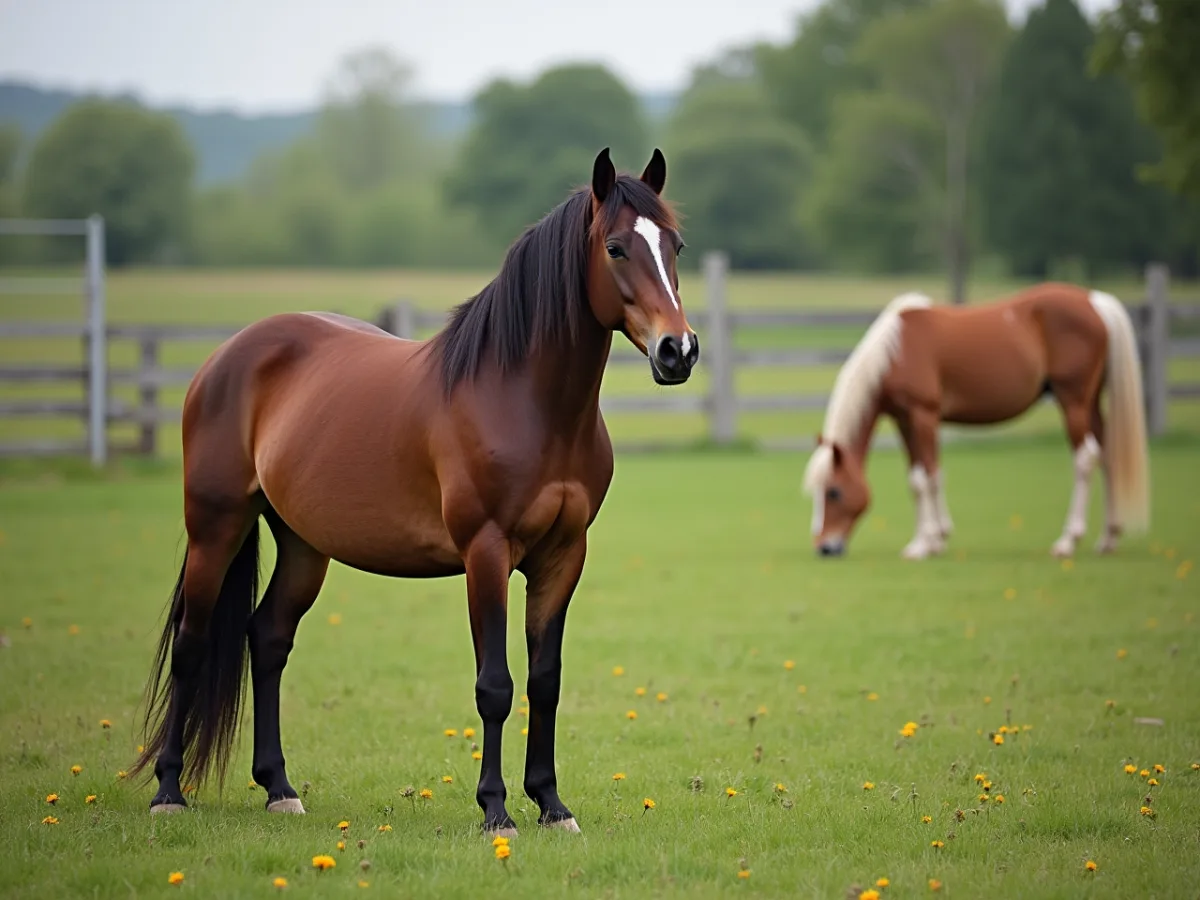
Pasture life gives horses many chances to track motion. They watch herd mates move, grazing patterns shift, and changes along the fence line. A horse may lift its head when another horse trots away or canter toward the gate. If a distant object moves outside the field, several horses may turn at once.
Because pasture space is open, horses often have time to read movement before reacting. That can make their responses look slow and deliberate compared with what happens indoors. They may stare, shift position, or take a few steps to adjust the angle before deciding whether to keep watching.
In the stable
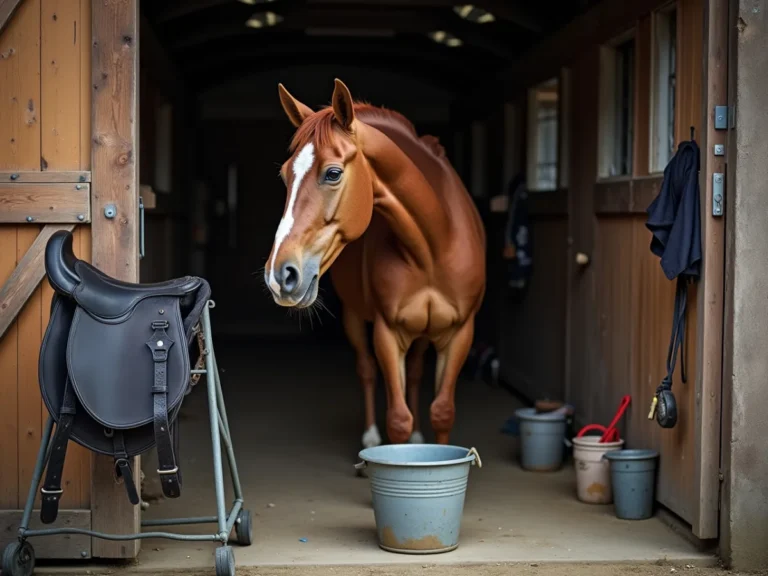
Stables create more confined sightlines, so movement can feel more intense. A horse may notice footsteps in the aisle, a gate swinging, or a hand reaching into the stall from a side angle. Limited space can make even ordinary movement seem more sudden.
Some horses become especially attentive in a barn because they are trying to predict what comes next. Feed time, turnout time, grooming, or tack changes all involve repeated patterns. The horse learns these motion cues quickly and may show noticeable interest when a familiar rhythm begins.
Under saddle
When riding, movement tracking becomes more complex. The horse is managing its own balance while also responding to the rider’s body, rein contact, leg aid, and outside distractions. A horse may notice another horse moving in the arena, a bird flying up from the grass, or a vehicle passing nearby.
Some horses keep one part of their attention on the rider and another part on the surroundings. That can create a subtle delay. The horse may start to respond to a moving object before the rider feels any change. In sensitive horses, this can show up as a brief brace, a drift, or a loss of rhythm.
During transport
Trailer travel introduces vibration, shifting light, and movement outside the window. Horses often become highly aware of motion during loading and unloading, especially if the ramp or floor feels unstable. Even while traveling, they continue to track what they can see and feel.
A horse that seems nervous in transport is not always reacting to one dramatic event. Sometimes it is the accumulation of many small movements: the trailer rocking, another horse calling behind them, or unfamiliar objects appearing and disappearing through slats or windows.
How Herd Behavior Shapes Movement Tracking
Horses are wired to stay aware of the group. Movement from a herd mate can mean safety, direction, or a possible threat. When one horse becomes alert, nearby horses often mirror that alertness. It is not unusual to see a whole group lift their heads almost together.
This social tracking is part of how horses maintain cohesion. If one horse begins to move toward water, shade, or a safer area, others often watch closely before following. The body language of the group becomes as important as the motion itself.
In domestic settings, this can create some interesting patterns. A horse may appear calm when alone but much more reactive when a pasture mate moves suddenly. Another horse may ignore a person walking by until the herd shifts, then immediately look up. The reaction is often social as much as visual.
Internal Reasons Behind the Reaction
A horse’s response to movement is shaped by memory, temperament, fatigue, and current stress level. A horse that has had good experiences with handling may track motion with curiosity. One that has been startled repeatedly may react faster and with less flexibility. The body remembers patterns, even when the situation looks ordinary to humans.
Pain and discomfort can also change how a horse tracks movement. A sore horse may be less willing to turn, look, or reposition comfortably. Another horse may become more reactive if movement causes pressure or if it feels trapped. In those cases, the issue is not just sensory awareness. It is also physical ease.
Age matters too. Younger horses often react more strongly because they are still learning what is safe and what is normal. Older, well-exposed horses may seem steadier, though they can still be surprised by new combinations of movement, especially in unfamiliar settings.
Subtle Signals That Help Read the Horse’s State
The difference between simple attention and rising concern often shows up in small details. A horse may be looking at motion, but the rest of the body tells the fuller story. Loose muscles, slow blinking, and an easy stance suggest a neutral state. Tension around the muzzle, a fixed stare, and rigid limbs suggest the horse is more activated.
Owners often notice these cues in everyday handling before they notice a full reaction. A horse that shifts away from a swinging jacket, watches the barn cat with one stiff ear, or pauses too long at an open gate may be processing movement more intensely than usual. Those signs can help explain later behavior.
- Soft, mobile ears usually suggest flexible attention.
- A lifted, rigid neck often suggests increased caution.
- Frequent head movement can mean the horse is sampling multiple threats or points of interest.
- Quick recovery after a startle often points to a stable emotional baseline.
- Lingering fixation may suggest stress, confusion, or discomfort.
How the Environment Changes the Response
Lighting, background noise, footing, and space all affect how a horse tracks movement. A shadow moving across a stall floor may seem more significant than the same shadow outside in daylight. A slick arena surface can make a horse more careful about sudden shifts, because footing and visual input are linked.
Cluttered spaces can also make motion harder to interpret. In a busy barn, many moving parts compete for attention: people walking, doors opening, buckets swinging, and other horses shifting in stalls. A horse may look more distracted in that setting simply because there is more to sort through.
By contrast, a horse in a quiet field may be able to track one moving thing with much more ease. The surroundings are simpler, so the horse can decide faster whether to ignore, investigate, or move away.
What People Often Misread
People sometimes assume a horse that watches movement is being stubborn, spooky, or overly sensitive. In reality, the horse may be doing exactly what a horse should do: gather information before acting. What looks like hesitation can be healthy caution.
Another common misunderstanding is to treat every motion response as fear. Some horses simply enjoy watching what is happening around them. They may be alert and relaxed at the same time. The key is whether the horse can come back to the task, the feed bucket, the trail, or the grooming session without staying trapped in vigilance.
A horse that notices everything is not automatically anxious. The important question is whether it can let go of the movement once it is understood.
That difference helps explain why two horses can react very differently in the same setting. One may glance at a moving flag and keep walking. Another may need several moments to decide the flag is harmless. Both responses can be normal within the context of the horse’s experience and temperament.
Long-Term Patterns and Consistency
Watching how a horse tracks movement over time gives useful clues. Some horses are naturally more observant and stay tuned to every shift around them. Others are less visually reactive and seem to ignore a surprising amount. Neither type is automatically better. What matters is whether the pattern is steady, changeable, or becoming more intense.
If a horse that used to stay soft and curious suddenly becomes jumpy around ordinary motion, that change deserves attention. A shift like that can point to pain, stress, new routines, poor sleep, or a bad experience. On the other hand, a horse that gradually becomes more comfortable with common sights usually reflects good exposure and trust in its environment.
Consistency matters because it helps separate personality from problem. Some horses are simply alert by nature. Others are reacting to something specific. Over time, the pattern becomes clearer than any one moment.
Reading Movement Tracking in Everyday Handling
Simple daily tasks reveal a lot. When a horse tracks a handler walking away, watches a groomer cross behind the hindquarters, or turns toward the feed room before anyone reaches for a bucket, the horse is showing how closely it maps movement to expectation. These are not random habits. They are built from repeated experience.
In good handling, the horse learns that many kinds of movement are safe and predictable. That can make the horse more settled around common activity. The horse still notices motion, but it does not have to treat each new movement as important.
That is often what steady horses show in real life: not blindness, but discrimination. They are aware enough to stay safe, yet familiar enough with the environment to avoid overreacting to every passing change.
Movement tracking is one of the clearest windows into how a horse is taking in the world. It shows the balance between instinct and learning, alertness and relaxation, social awareness and personal caution. A horse that can read motion accurately and settle again afterward is not just seeing the environment. It is navigating it with experience.