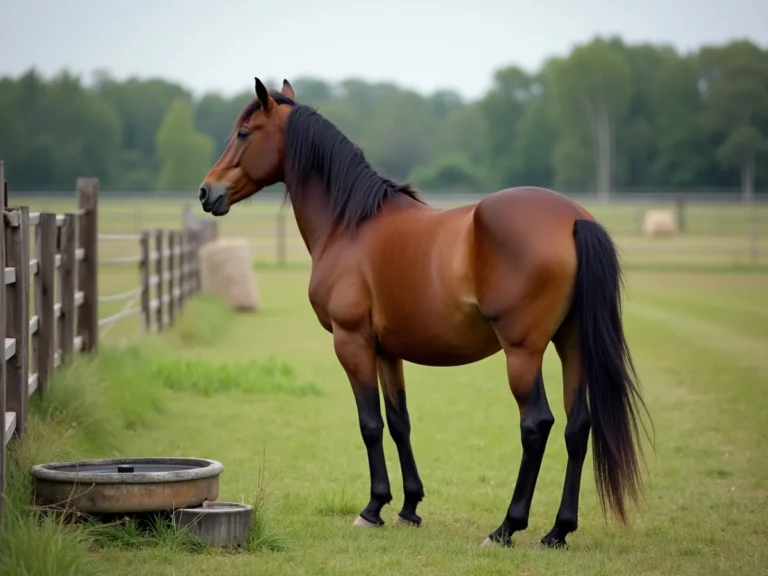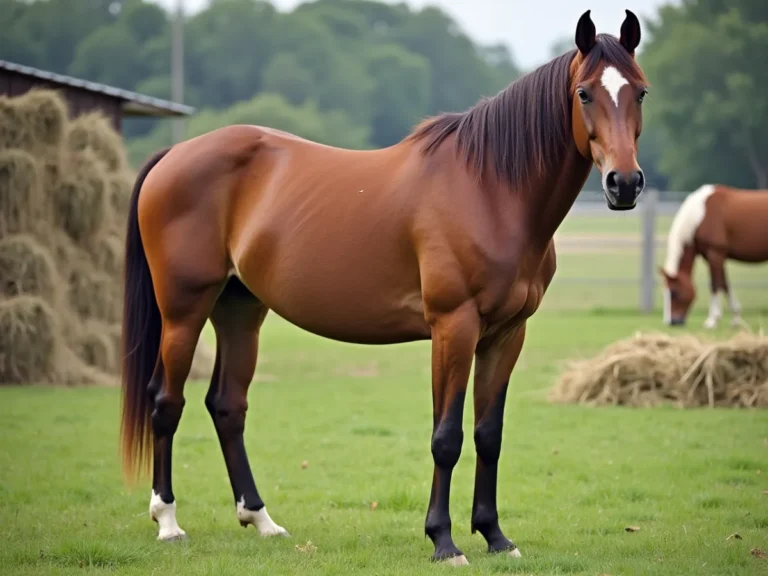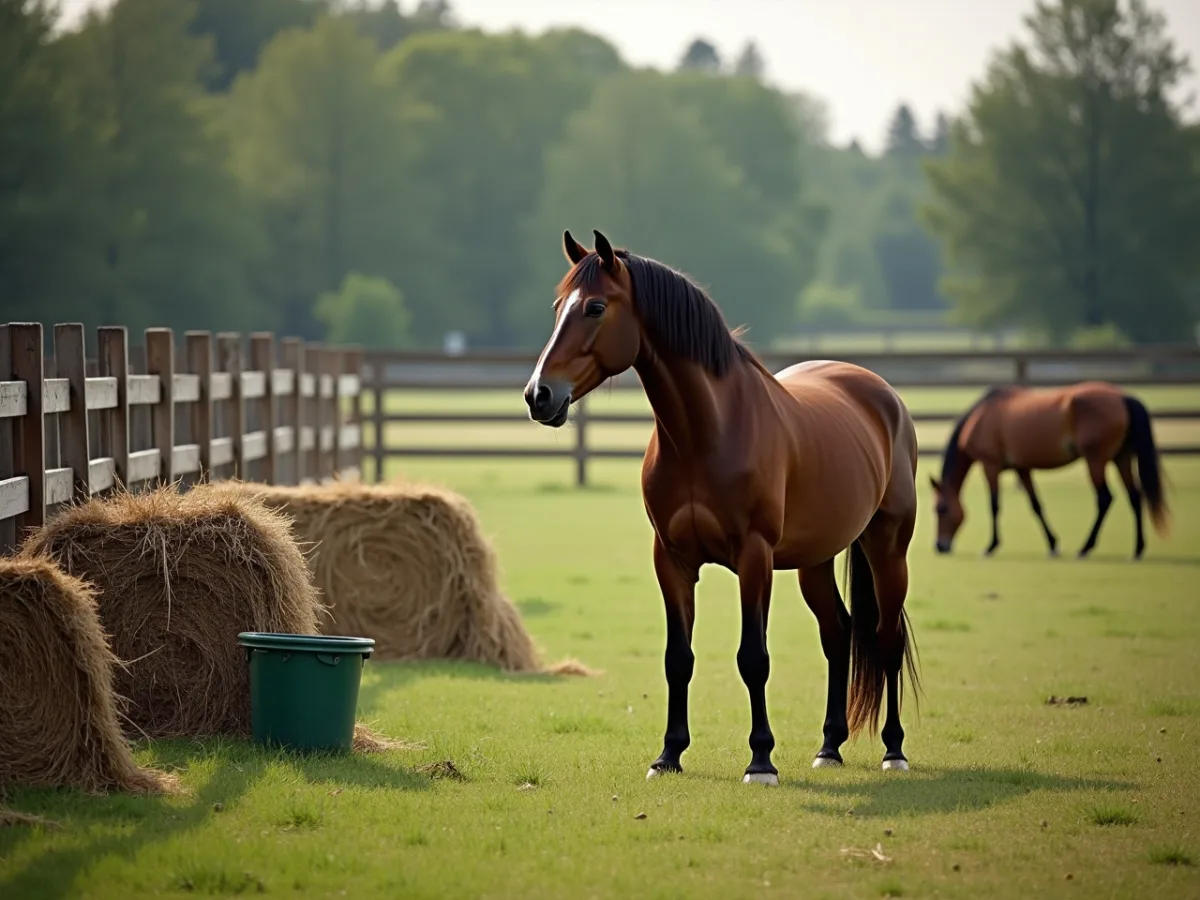
A horse rarely moves its attention in a straight line. One moment it is settled on a bucket of grain, the next its ears are aimed at a gate, a trailer, a bird in the hedgerow, or a sound no human seems to notice. That quick change in focus is not random. It is part of how a horse stays safe, gathers information, and decides what matters right now.
Attention shifts can look subtle from the outside. A head lifts. An ear twitches. The eyes widen slightly. The body may stay still, yet the horse is no longer mentally where it was a second ago. In daily life, those small changes often tell you more than big, obvious reactions ever could.
Understanding how attention shifts work helps make sense of behavior in the stable, field, arena, or trailer. It also makes it easier to tell the difference between curiosity, concern, distraction, and stress. Once you start noticing the pattern, a horse’s responses begin to look less mysterious and more logical.
Why a horse’s attention changes so quickly
Horses are prey animals, so their attention is built to move fast. They do not have the luxury of ignoring a sound, smell, or movement just because it seems unimportant to us. Their brains are always sorting the surroundings for anything that could be useful, unfamiliar, or risky.
This does not mean a horse is constantly frightened. It means the animal is always scanning. A horse can rest, graze, or stand quietly while still tracking the world in the background. When something changes, the focus shifts immediately.
That shift is often visible before the horse takes any action. The body may remain in place, but the mind has already moved. In many situations, the earliest sign is not movement at all—it is a pause.
A horse’s attention often changes before its behavior does. Ears, eyes, and body stillness usually show the shift first.
How attention shifts show up in everyday handling
In the stable
Inside the barn, horses often switch attention from human interaction to nearby horses, feed sounds, doors, or tools. A horse that was relaxed during grooming may suddenly turn one ear toward a neighbor kicking a stall wall. Another may keep chewing hay while clearly listening to footsteps in the aisle.
These changes can be brief or repeated. Some horses bounce attention between multiple things, especially in busy barns. Others lock onto one source and stay with it until the sound or movement disappears.
A common mistake is to treat these shifts as disobedience. In reality, the horse may simply be checking the environment. If the horse can return to the task after looking or listening, the shift may be normal curiosity rather than concern.
In the pasture
At pasture, attention shifts usually follow movement. A horse grazing quietly may lift its head when a herd mate changes position, when a dog appears near the fence, or when a vehicle passes on the road. The change is often more about awareness than alarm.
Herd life makes this even more noticeable. Horses often take cues from one another. If one horse focuses on something, nearby horses may follow that attention almost immediately. This shared vigilance is part of how the group stays prepared.
Under saddle
Riding adds another layer because the horse must divide attention between the rider, the surroundings, and its own balance. A horse may be moving well one minute and then drift mentally when a flap, shadow, or distant noise pulls its focus.
Some horses keep working through that shift without much change in the body. Others become stiff, hollow, or difficult to steer for a few moments. That often reflects where the attention went, not necessarily a deliberate refusal.
When the horse is mentally present again, the movement often becomes more regular. The neck softens, the stride steadies, and the response to aids improves. These changes can happen quickly.
During transport
Trailering tends to sharpen attention shifts because everything feels less familiar. Even a seasoned horse may repeatedly redirect focus toward motion outside the trailer, vibration underfoot, or sounds from the road. Small adjustments in posture are common.
Some horses stare outward. Others keep moving their ears and head as they try to map the moving environment. A horse that appears unsettled during transport may not be trying to “misbehave”; it may be working hard to process a changing situation.
What usually triggers a shift in focus
Attention shifts do not happen for one reason only. They are shaped by the horse’s sense of safety, habits, past experiences, and the strength of the stimulus. A loud bang, a plastic bag, an unfamiliar horse, or even a sudden quiet can all matter depending on the situation.
Some triggers are obvious. Others are nearly invisible to people. A horse may notice a scent on the wind, the position of another horse’s body, or a tiny sound from a distant machine that humans barely register.
Routine matters too. Horses often pay less attention to familiar things and more to changes in what they expect. A clean tarp left in the same corner every day is less likely to draw concern than the same tarp suddenly appearing near a gate.
Common sources of attention shifts
- Movement near the edge of the horse’s vision
- New sounds in or around the barn
- Changes in herd structure or nearby horses
- Handling that feels different from the normal routine
- Visual shadows, reflections, or unusual objects
- Smells carried by wind or brought by other animals
- Discomfort, hunger, or fatigue
Not all of these lead to fear. Many simply pull attention away from the current task. The important part is whether the horse can re-engage after checking the stimulus.
Curiosity, alertness, and stress can look similar at first. The difference often shows in how easily the horse returns to calm, familiar behavior.
The body language that usually comes with attention shifts
Attention shifts are often visible in very small signals. The ears are usually the first place people look, and for good reason. One ear may turn toward the new stimulus while the other stays on the handler, rider, or herd. That split focus is common and often harmless.
The eyes matter too. A horse may widen its gaze, blink less, or hold the head in a new position. The nostrils may flare slightly if the horse is processing scent or tension. None of these signs alone prove stress, but they help show where the attention has moved.
Posture changes can be more telling than facial expression. A horse that was soft through the body may suddenly stand taller, brace through the neck, or shift weight to the hindquarters. A quiet horse may also stop chewing, freeze, or become unusually still while listening.
Movement may become uneven or delayed. A horse under saddle might lose rhythm for a few steps. In the pasture, it may stop grazing and stare. At the trailer, it may repeatedly shift weight or move its head back and forth as attention jumps between inside and outside.
Calm attention shifts versus reactive ones
Not every shift in attention means the same thing. Some are smooth and controlled. Others are sharp and defensive. A calm horse can look up, investigate, and then settle back down without tension. A reactive horse may snap into alertness, hold itself tightly, and struggle to let the focus go.
The difference usually shows in the rest of the body. Calm attention often comes with loose muscles, soft eyes, and a normal breathing pattern. Reactive attention is more likely to bring a lifted head, a rigid neck, quick breathing, or repeated changes in stance.
There is also a middle ground. A horse may be interested but not upset. That in-between state can be easy to misread. It may look like the horse is “ignoring” the handler when it is actually deciding whether the new input deserves more attention.
Soft signals
- Ears moving independently
- Brief head lift followed by relaxation
- Steady breathing
- Quick glance, then return to the task
- Chewing, blinking, or grazing resuming soon after
Stronger signals
- Fixed stare
- Head high and neck rigid
- Sudden freeze
- Tight muscles through the body
- Repeated snorting, stepping, or sidestepping
These stronger signals do not automatically mean panic. They do, however, suggest that the horse has moved from simple noticing into heightened concern or readiness.
How environment shapes attention in horses
Environment has a large effect on how often attention shifts happen and how intense they become. A quiet field with familiar horses usually allows for softer, slower changes. A crowded stable aisle with doors opening, feed carts moving, and people talking can produce constant scanning.
Light and shadow can matter more than many owners expect. A horse may hesitate near a dark doorway, turn toward a moving shadow on the wall, or focus on a reflective surface that changes with the angle of the sun. These details are not dramatic, but they are meaningful to a horse.
Weather can also influence attention. Wind carries scent and movement, which can make the environment feel less predictable. Rain on a roof, flapping tarps, or branches touching fencing can keep a horse more alert than usual.
Even a familiar place can feel different if one small thing changes. A bucket in a new spot, a different horse in the next stall, or a louder-than-usual tractor in the distance may be enough to redirect focus. Horses are good at noticing change, especially when their routine is tightly organized around predictable patterns.
Emotional state and attention shifts
Attention is closely tied to emotion, even when the change seems minor. A relaxed horse usually allows attention to move and return without much tension. A worried horse tends to hold focus longer, scan more often, and show less softness in the body.
Excitement also changes attention. A horse anticipating turnout, feed, or riding may keep redirecting focus toward the expected event. That can look like impatience, but it is often a sign of strong expectation rather than fear.
Frustration creates another version. A horse that wants to move, smell, or look at something may become more distracted if it feels confined or held too firmly. In those moments, attention keeps leaking toward the thing it cannot access.
When the emotional state changes, the pattern of attention changes with it. Calm focus looks different from anticipation, and anticipation looks different from worry.
How people often misread the shift
People sometimes assume a horse that looks away is being rude or resistant. In many cases, the horse is simply processing a more urgent piece of information. Looking away from a person is not always avoidance. It may be a natural response to a sound, scent, or movement that deserves a quick check.
Another common mistake is to treat every ear movement as a sign of disobedience. Ears are busy tools. They help the horse map the environment, track herd members, and listen for subtle changes. A horse can still be engaged while directing one ear somewhere else.
Some horses seem “spooky” when they are actually sensitive and quick to notice changes. Others look dull because they have learned to hold themselves still in busy environments. Neither appearance tells the whole story by itself.
What matters is pattern. If the horse only shifts attention briefly and returns to normal, the behavior may be ordinary. If the shift becomes repetitive, intense, or hard to interrupt, it deserves a closer look. Pain, stress, poor footing, confusion, or sensory overload may all be part of the picture.
What attention shifts may signal about the horse’s state
Attention shifts can reveal a great deal about the horse’s current state without being dramatic. A horse that notices a change, investigates, and relaxes again is often simply alert and healthy enough to monitor the environment. That kind of responsiveness is useful.
A horse that cannot settle may be signaling too much input at once. The issue could be a noisy setting, a disrupted routine, a mismatch in handling, or physical discomfort. In that case, the attention shifts are less about curiosity and more about overload.
Sometimes the shift points toward discomfort before it points toward fear. A horse with back soreness may keep redirecting attention under saddle. A horse with digestive discomfort may seem less able to stay mentally with a task. Owners sometimes notice this as repeated distraction rather than a clear sign of pain.
| Pattern | Common meaning |
|---|---|
| Brief glance, then relaxation | Normal awareness or curiosity |
| Repeated scanning with tension | Concern or environmental stress |
| Attention drifts under saddle only | Possible discomfort, confusion, or overstimulation |
| Focus returns after reassurance | Temporary alertness rather than lasting worry |
Long-term patterns matter more than one moment
One attention shift says very little on its own. The same horse may be quiet one day and reactive the next because the environment changed, the weather shifted, or the horse feels different physically. What matters most is the pattern over time.
A horse that always reacts strongly to the same kind of stimulus may be showing a consistent sensitivity. Another horse may only become distractible when tired, hungry, or overworked. These patterns tell owners something useful about management and routine.
Consistency also helps separate personality from circumstance. Some horses are naturally observant and quick to notice everything around them. Others are steadier and less reactive to small changes. Neither type is better. They simply process the world differently.
Paying attention to those long-term tendencies makes daily handling easier. You start to recognize what is normal for the individual horse and what is a new signal. That difference is often more important than the behavior itself.
When attention shifts become more noticeable
Attention shifts often stand out most during transitions. Turning out after stall time, entering the arena, leaving the barn, loading into a trailer, or meeting a new horse can all increase alertness. New routines create more opportunities for the horse to check the environment.
They also become more obvious when the horse feels limited. A horse tied in one place, asked to stand still, or kept in an unfamiliar area may seem more distracted simply because it has fewer ways to respond. The mind searches even when the body cannot move much.
Young horses often show larger and more frequent shifts because they have less experience sorting familiar from unfamiliar. Older horses may still notice everything, but they often recover faster. Experience teaches them what can be ignored and what usually matters.
Reading the horse without overthinking it
Not every flick of the ear needs interpretation. Horses change attention constantly, and most of those changes are ordinary. The goal is not to analyze every movement. It is to recognize the difference between normal awareness and a pattern that keeps pulling the horse away from comfort or work.
That balance comes from observing the whole horse. Look at the ears, yes, but also the eyes, breathing, stance, and willingness to return to the task. One signal rarely tells the whole story. Several signals together usually do.
When attention shifts are understood in context, they become easier to handle. A horse that glances toward the gate before settling may simply be curious. A horse that keeps snapping its focus away, tightening through the body, and struggling to return may be asking for a quieter setup or a slower pace.
Those differences matter because they shape the next decision. Sometimes the right answer is to wait. Sometimes it is to move the horse to a calmer place. Sometimes it is to check for discomfort, reduce pressure, or give the animal a moment to process. The attention shift itself is only the beginning of the conversation.
In everyday life with horses, attention is always moving. That movement is part of what makes them responsive, sensitive, and so good at reading the world around them. Once you learn to follow it, you start seeing how much a horse is noticing long before it ever moves a foot.