New surroundings can change a horse’s behavior very quickly. A horse that seems settled in one place may become watchful, hesitant, or unusually lively the moment the routine shifts. This does not always mean the horse is scared. Often, it means the animal is taking in new information and deciding whether the place, sound, smell, or movement matters.
For horse owners, these reactions can show up in small ways first. A horse may pause at the gate, lift the head higher than usual, or keep one ear fixed on something outside the stall. Another horse may move more than normal, call to the herd, or refuse to walk past an object that never got a second glance the day before. These responses are part of how horses process unfamiliar settings.
The reaction itself is less important than the pattern behind it. A calm horse can still be alert. A nervous horse can still be manageable. What matters is how the environment changes the horse’s sense of safety, focus, and confidence. That is where the real story begins.
Why New Environments Affect Horses So Strongly
Horses are naturally observant animals. Their survival has always depended on noticing changes quickly and reacting before a threat becomes too close. That instinct has not disappeared just because a horse lives in a stall, works in an arena, or travels in a trailer. A new setting can activate the same watchful response that would have helped a horse in the wild.
Even when there is no real danger, the horse may treat unfamiliar sights and sounds as something worth checking. A flapping tarp, a different surface underfoot, an echo in a covered arena, or the smell of other animals can all matter. The horse is not being difficult. It is gathering data.
Routine also shapes confidence. When the day unfolds in familiar patterns, the horse can predict what comes next. Once the pattern breaks, the animal has to work harder to understand the situation. Some horses do this quietly. Others show it in obvious ways.
New environments often trigger alertness before fear. A horse may look reactive because it is collecting information, not because it is refusing cooperation.
How the Reaction Appears in Everyday Situations
At the stable
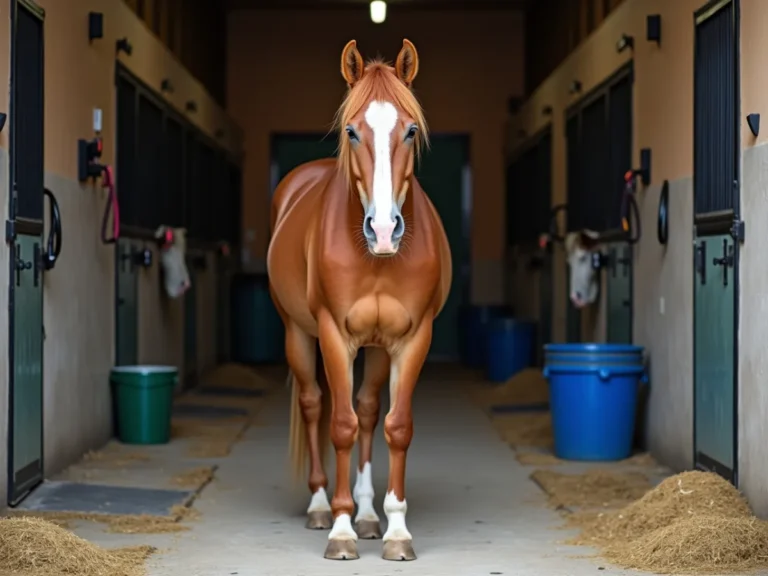
A horse entering a new barn may spend extra time watching doors, aisles, ceiling fans, and other horses. Some horses sniff walls, touch unfamiliar objects with the nose, or stand still for longer than usual. Others pace, paw, or vocalize more often. A horse that normally settles quickly may need several minutes to relax.
Stable changes can seem minor to people but large to a horse. A different bedding texture, sharper echo, strange neighbor horses, or a new feeding schedule can all create a noticeable shift in behavior. Even a horse that has been handled for years may become careful when the surroundings do not match expectations.
In the field or pasture
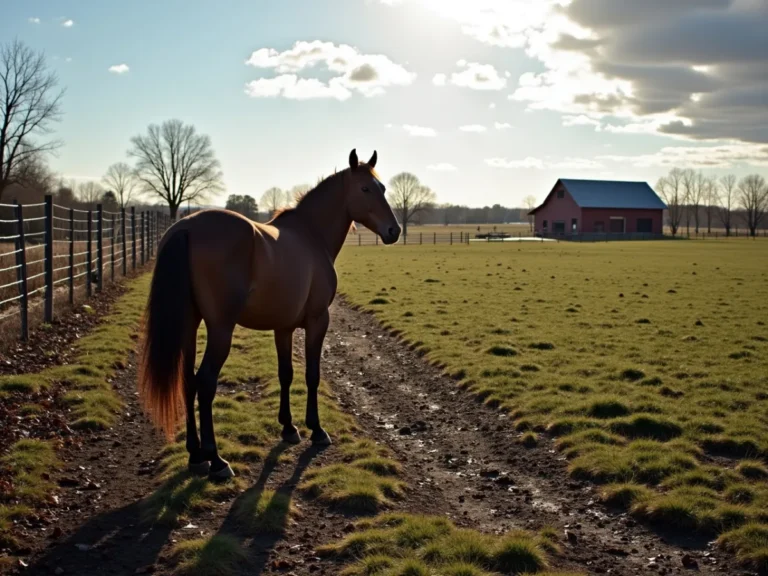
Turnout in a new pasture can bring another kind of reaction. Some horses explore immediately, but others move close to the fence, keep the herd in view, or circle areas that feel uncertain. Uneven ground, new smells, machinery nearby, or a pond the horse has never seen can slow the first few minutes outside.
When horses are introduced to a new group, the environment and the social setup blend together. The horse is not only learning the place but also the herd structure. That can make the reaction stronger or more prolonged, especially if the horse already leans toward caution.
While riding
A horse that is steady at home may change the moment it leaves familiar footing. The horse may look at shadows, spook at movement in the distance, or become tense in the neck and back. Some horses become quick and light in their steps. Others get sticky, slow, or reluctant to move forward.
These responses often appear on trail rides, at shows, in new arenas, or when working near roads, cattle, loud equipment, or other horses. The same horse may handle one new place well and another poorly, depending on the combination of sound, space, footing, and prior experience.
During transport
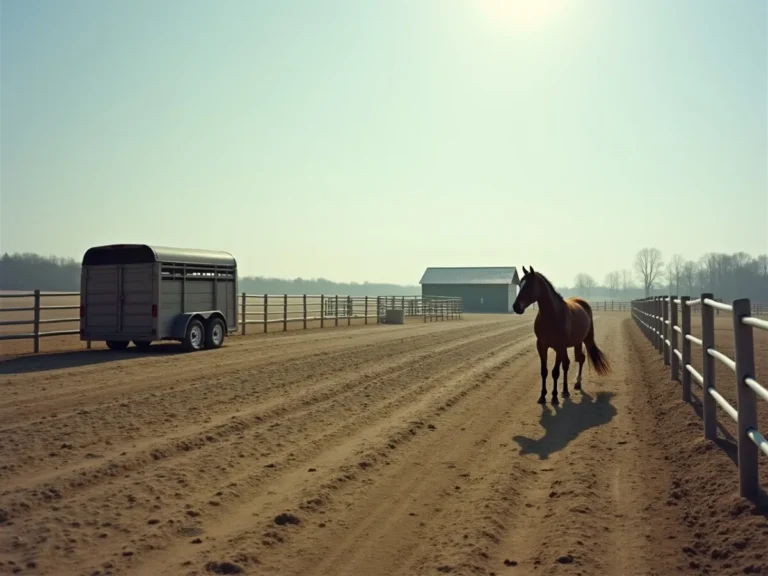
Trailer loading is one of the clearest examples of environment-related reaction. The horse must step into a confined, shifting, and unfamiliar space. Even a horse that loads calmly most days may hesitate after a trailer swap, a long break from travel, or an unpleasant previous trip.
Once inside, some horses plant their feet, call out, sweat, or shift their balance constantly. Others seem quiet but remain tense through the whole ride. A horse that arrives tired or keyed up is often showing the effect of both motion and the stress of not being able to control the situation.
What the Horse May Be Feeling Internally
Visible behavior is only the outer layer. Inside, the horse is usually balancing several things at once: curiosity, caution, memory, and comfort. If the new environment is easy to understand, the horse may stay attentive but relaxed. If it feels crowded, loud, or unpredictable, the horse may move into a guarded state.
A horse with a strong sense of self-preservation may hold tension in the body before it shows a big outward reaction. The muscles in the neck can tighten. The back may become braced. Breathing may turn shallower. These changes can happen before a horse paws, shies, or resists handling.
Past experiences matter too. Horses remember places that were uncomfortable, confusing, or linked with pressure. A horse that once had a bad loading trip may react to a trailer more strongly months later. Another horse that was rushed in a busy show environment may become worried as soon as the same type of scene appears again.
A horse’s reaction to a new environment often reflects memory as much as the current moment.
Reading the Subtle Signs
Not all reactions are dramatic. In many cases, the earliest signs are small and easy to miss. Watching those details can help explain what the horse is doing before the response builds.
- Head held higher than normal
- Fixed ears or rapid ear changes
- Short, shallow breathing
- Tight mouth or clenched jaw
- Stiff neck or back
- Hesitation before stepping forward
- Repeated sniffing or touching objects
- Tail held tighter or more active than usual
- Extra calling, pacing, or fence-walking
Some horses become quiet rather than animated. A very still horse is not always a relaxed horse. A frozen posture, wide eye, or limited blinking can also mean the horse is working hard to assess the setting. The absence of movement can still be a reaction.
How Surroundings Shape the Reaction
The environment itself can either soften or strengthen the horse’s response. Open spaces may help one horse feel freer, while another horse feels exposed. Enclosed spaces may offer comfort to a horse that likes structure, or they may increase worry in a horse that dislikes feeling trapped.
Sound is a major factor. Horses hear sharp, distant, and sudden noises better than many people realize. Metal gates, barking dogs, loud speakers, machinery, and echoing footsteps can all change the way the horse behaves. Even a place that looks calm may feel noisy from the horse’s perspective.
Footing matters in a practical way. A horse that trusts soft, even ground may hesitate on slick, deep, gravelly, or unfamiliar footing. That hesitation is not stubbornness by default. Sometimes the horse is simply checking balance and traction before committing to the next step.
Smell also plays a role. Horses notice the scent of other horses, livestock, fuel, disinfectant, damp bedding, hay, and manure. To a horse, these are not background details. They help define whether the place feels familiar, neutral, or strange.
Different Reactions in Young, Mature, and Experienced Horses
Young horses often show more obvious reactions because they have fewer experiences to compare with the new place. Everything has to be assessed from scratch. A young horse may spook at harmless objects, drag behind the handler, or alternate between bold investigation and instant worry.
Mature horses are not always calmer, but their reactions are often more shaped by habit. A horse that has seen many different places may settle faster if the setup feels similar to something already known. On the other hand, a mature horse with limited exposure can behave more strongly than a younger horse that has been gradually introduced to variety.
Experienced horses usually react with more pattern than surprise. They may recognize the signs of a show ground, a trail ride, or a vet visit and respond before anything has happened. That means the horse is reacting to the whole context, not just a single object or sound.
Common differences by age or experience
| Horse type | Typical reaction | What it often means |
|---|---|---|
| Young horse | More checking, hesitating, or startle responses | Limited exposure and fast learning |
| Mature horse | More controlled but still cautious in unfamiliar places | Relies on previous experience and expectations |
| Experienced horse | Recognizes patterns quickly, may react before full assessment | Past memory strongly shapes behavior |
When the Reaction Looks Calm but Still Matters
Some horses do not show much outward drama at all. They may walk into a new environment, stand quietly, and appear settled. But calm behavior can sometimes hide concentration. The horse may be listening closely, watching movement, and staying ready to respond if something changes.
This is especially common in horses that have learned to stay polite in front of people. They may not shove, rear, or bolt, but their body language still tells the truth. A horse that is calm yet tightly braced may be managing stress more than actually feeling settled.
There is also a middle ground. A horse can be curious, alert, and slightly worried at the same time. That mixed state often looks like frequent scanning, cautious steps, and repeated returns to the same object or direction. It is not pure fear. It is active processing.
Quiet behavior does not always equal relaxation. Look at the whole body, not only the absence of a big reaction.
When the Reaction Becomes Stronger
Reactions tend to grow when the horse is tired, overworked, isolated from familiar companions, or pushed too fast into the new setting. A horse that was already stressed before arrival may have less patience for fresh input. If the horse has not eaten well, slept well, or had time to settle, sensitivity can rise quickly.
Strong reactions can also appear when several stressors stack together. For example, a horse may be transported, unloaded into a noisy barn, separated from herd mates, and then asked to perform soon after. Each step is manageable on its own, but the combination can overwhelm the horse’s ability to stay comfortable.
Not every forceful reaction means the horse is unsafe to handle. Sometimes it simply means the threshold has been reached. When that happens, pushing for more input usually makes the environment feel even less predictable.
What Owners Often Miss
People sometimes focus only on the obvious behavior and overlook what came before it. By the time a horse balks, spins, or refuses to enter a space, the horse may already have shown several smaller signs of concern. Those signs can be easy to miss if the handler is focused on the destination rather than the process.
Another common mistake is assuming the horse should respond the same way to every new place. In reality, one barn may feel safe because it is quiet and structured, while another may feel overwhelming because of traffic, mirrors, machinery, or a crowded schedule. The horse is reacting to a whole combination of factors.
Owners also sometimes assume confidence should look like boldness. That is not always true. A horse that slows down, checks the ground, and stays attentive may be showing a careful, workable kind of confidence. That can be more useful than a horse that rushes in without noticing anything at all.
Helping the Horse Adjust Without Adding Pressure
When a horse reacts to a new environment, the most useful response is usually to slow the situation down. Giving the horse time to look, smell, and understand the space can reduce the need for a bigger reaction later. Small pauses often help more than force.
Consistency matters as well. Using a familiar routine for arrival, grooming, tacking, feeding, or turnout can create a thread of predictability inside an unfamiliar setting. The horse does not need every detail to be the same. It only needs a few clear anchors.
Handlers can also watch the timing of the reaction. If the horse only gets tense in the first ten minutes and then relaxes, that suggests adjustment is happening. If the horse stays worried throughout the visit, the setting may still be too much or too fast for the horse’s current level of comfort.
- Allow the horse to observe before asking for work
- Keep early handling simple and familiar
- Avoid crowding the horse with too much new input at once
- Notice small signs of tension before they grow
- Use repeated calm exposure instead of rushing
Long-Term Patterns Tell More Than One Visit
A single reaction in a new place is only one piece of the picture. Some horses are naturally cautious but settle well after a few exposures. Others stay sensitive unless the same environment is repeated often enough to become ordinary. A few horses may improve in one type of setting and remain worried in another.
Long-term observation helps identify whether the reaction is changing with experience, staying the same, or getting stronger. A horse that becomes easier to handle after several quiet visits is showing real adaptation. A horse that grows more reactive each time may be responding to accumulated stress rather than the new location itself.
That pattern can be useful for planning. It helps owners decide whether to introduce new places gradually, adjust expectations, or examine whether the horse is being asked to manage too many changes at once. The behavior becomes easier to understand when it is viewed across time, not just in one moment.
A Quiet End Point
Reactions to new environments are part of normal horse behavior, but they are never random. A horse’s body, memory, instincts, and surroundings all shape the response. Some horses need more time to look around. Some want company. Some need space and routine before they can let their guard down.
What appears on the outside is often the visible edge of a much larger process. A horse may be deciding whether the ground feels safe, whether the sounds make sense, and whether the new place fits what it already knows. When those questions are answered clearly, the reaction usually softens on its own.
That is why the most useful observations are often the simplest ones: how the horse enters, how it stands, how it breathes, and how quickly it starts to trust the surroundings. Those details reveal far more than a single dramatic moment ever can.