Environmental shifts can change a horse’s behavior in ways that are easy to miss at first. A new pasture, a colder season, a different stall location, or even a change in daily traffic around the barn can all affect how a horse eats, moves, rests, and reacts to people. Some changes are subtle. Others are hard to ignore.
What makes these shifts important is not just the event itself, but how the horse experiences it. Horses notice patterns quickly, and they also notice when those patterns break. A stable routine can support calm behavior, while an altered environment can create caution, tension, or extra alertness. The same horse may seem steady in one setting and unsettled in another.
Behavior changes are not always a sign of a problem. Sometimes they reflect simple adjustment. At other times, they reveal discomfort, uncertainty, or a need for more time. Reading those changes well means looking beyond one moment and paying attention to the whole context: the weather, the turnout, the herd, the handling, and the horse’s own history.
Why Environmental Shifts Affect Behavior
Horses depend heavily on pattern and familiarity. Their daily life is built around repeated cues: where they eat, where they sleep, who is nearby, and when the next routine event will happen. When one of those cues changes, behavior often changes too. The reaction may be mild, like a horse standing more quietly than usual, or stronger, like pacing, calling, or becoming difficult to handle.
Environmental shifts can affect the horse’s sense of safety. A horse that feels secure in one place may feel uncertain in another because the sights, sounds, smells, and movement patterns are different. Even small details matter. A different gate position or a loud machine in the distance can alter how a horse scans the area and decides whether to relax.
Some changes are physical. Heat, cold, mud, bugs, poor footing, or tight indoor space can make a horse more reactive. Others are social. A change in herd composition, separation from a companion, or the arrival of unfamiliar horses can lead to unease. Horses do not separate the world into “major” and “minor” the way people do. They respond to the whole picture at once.
When a horse’s behavior shifts after a change in environment, the first question is often not “What is wrong with the horse?” but “What changed around the horse?”
Common Ways the Behavior Appears in Daily Life
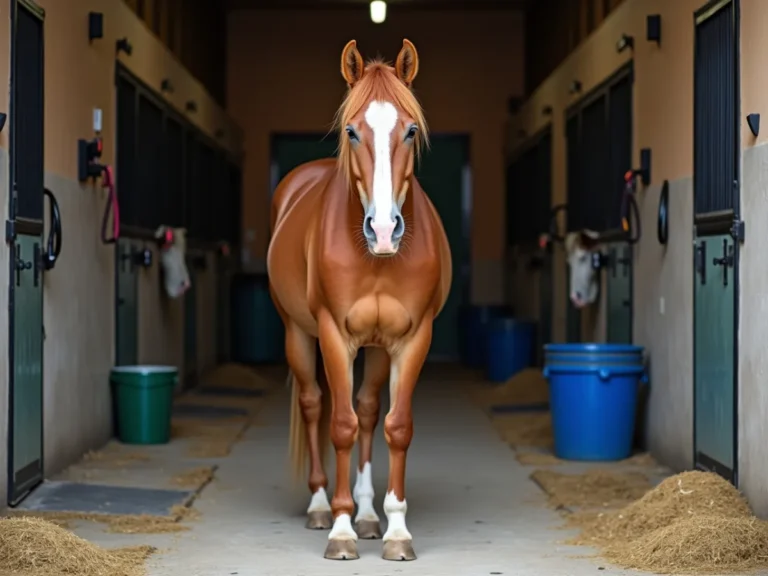
Behavior changes due to environmental shifts can show up in many routine situations. Some horses become more watchful in the stall after a barn layout changes. Others hesitate at the gate when turnout time moves to a different hour. A horse that was easy to tack up may suddenly swing away, pin ears, or stand tense when a new horse is nearby.
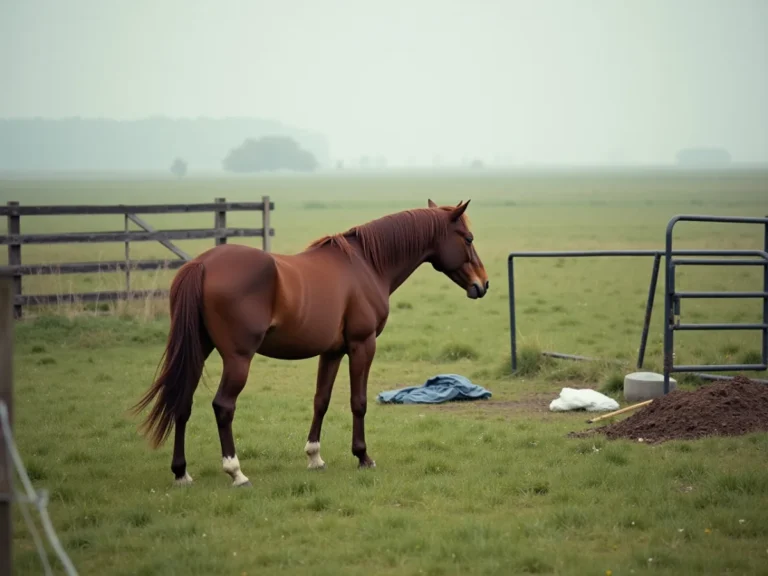
In the pasture, the signs can look different. A horse may spend less time grazing and more time standing near the herd edge, especially if the group dynamic has changed. Some horses call frequently after a companion is removed. Others travel more, pace the fence line, or stop using parts of the field that once felt comfortable.
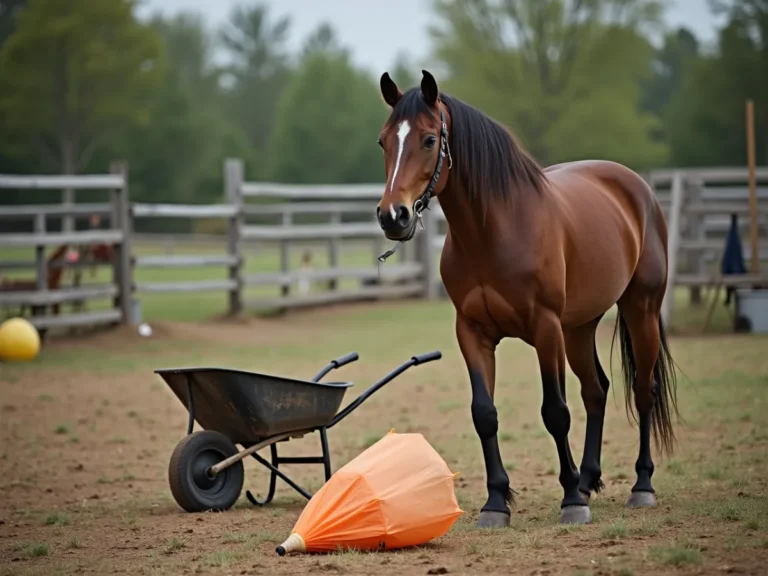
Under saddle, environmental changes often appear as distraction or resistance. A horse may spook more easily in a new arena, hesitate at corners, rush toward the exit, or refuse to pass an object that was not there before. The same horse might also feel softer in a quiet place and more defensive in a busy one.
Transport is another common trigger. Loading, unloading, and standing in a trailer place the horse in a confined space with unfamiliar motion, noise, and vibration. Even a horse that travels well can become more sensitive if the usual travel routine changes, if the trailer smells different, or if the trip follows a stressful turnout or training day.
Stable settings
- More stall walking or repeated chewing at the door
- Reduced resting or shorter periods of lying down
- Increased calling when horses nearby are moved
- Tension around feeding times or aisle activity
Field and turnout
- Fence pacing or crowding at one side of the field
- Shifting herd relationships after new arrivals or removals
- Less grazing in high-bug or muddy areas
- Greater alertness near unusual noises, weather, or equipment
Riding and handling
- Startling at ordinary objects in a changed setting
- Resistance to entering a new arena or pasture trail
- Fidgeting during grooming or saddling
- Uneven focus, especially in a busier environment
What May Be Happening Internally
Behavior changes are often linked to how a horse processes uncertainty. A horse does not need to be “fearful” in an obvious way to be affected. Mild stress can show up as a shortened attention span, a stiffer body, or a need to keep checking the surroundings. The horse is trying to gather information and reduce unpredictability.
Body comfort plays a role too. A shift in terrain, temperature, or routine can create physical strain that changes behavior before a person notices pain. A horse that moves more carefully on icy ground, for example, may seem “spooky” when it is actually protecting itself. A horse that becomes irritable in a hot, insect-heavy pasture may simply be overwhelmed.
Feeding changes also matter. If turnout reduces grazing time or a different hay source changes digestion, the horse may show more agitation, restlessness, or guarding around feed. Horses are sensitive to how their bodies feel, and they often express that through behavior first.
Social stress is another internal driver. Horses are herd animals, so changes in companions can affect vigilance and relaxation. A horse may seem calm on the surface but stay mentally occupied with herd position, separation, or competition for space. That background tension can make other responses sharper.
A horse that seems “different” after an environmental change may be reacting to uncertainty, physical discomfort, or social disruption, not just mood.
How Surroundings and Stimuli Shape the Reaction
The same horse can behave very differently depending on the setting. A quiet barn aisle may encourage relaxation, while a busy one with constant movement may keep the horse on alert. Strong smells, unfamiliar footing, reflective surfaces, sudden shadows, wind through doors, and loose equipment can all affect behavior. What looks like a random reaction often makes more sense once the surroundings are examined closely.
Weather changes are especially powerful. Horses frequently respond to a drop in temperature, a front moving in, or the onset of storms before the change feels obvious to people. Some become tense and restless. Others seem dull or withdrawn. Rain, wind, and dramatic shifts in barometric pressure can all alter movement and willingness.
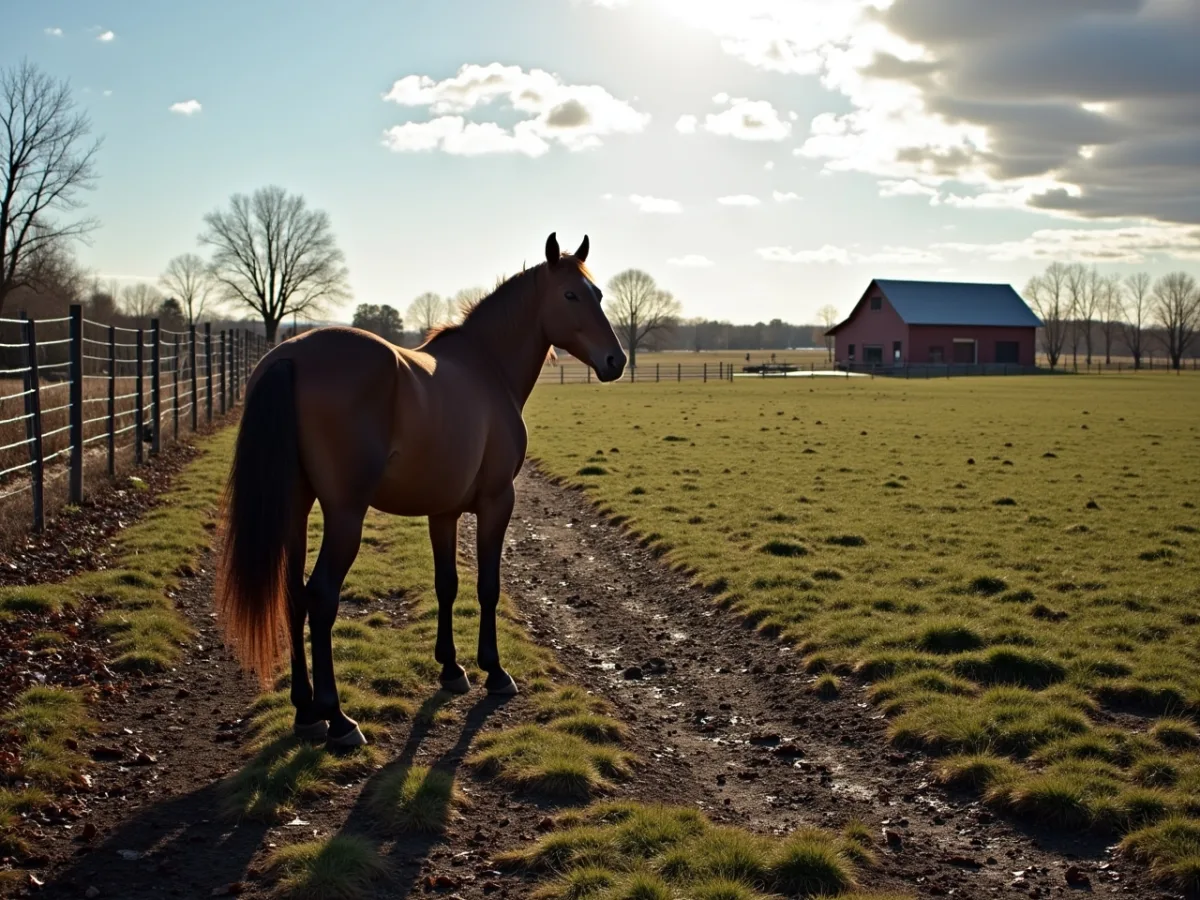
Lighting also influences behavior. Horses may be more careful in dim indoor spaces, more reactive in bright glare, or uncertain when moving between sun and shade. A familiar route can feel different if a long afternoon shadow stretches across it or if a noisy tractor is parked nearby.
Human patterns matter as well. Horses learn from the timing and tone of handling. If feeding, turnout, and exercise are delayed, the horse may show impatience or vocalize more. If a different person brings the horse in or handles it with a different rhythm, the horse may hesitate until the pattern feels clear again.
| Environmental shift | Common behavior change | Possible reason |
|---|---|---|
| New barn routine | Restlessness, calling, waiting at the door | Loss of predictability |
| Different turnout group | Guarding, pacing, separating from herd | Social uncertainty |
| Weather change | Agitation, stiffness, lower focus | Physical discomfort or alertness |
| New arena or trail | Hesitation, spooking, rushing | Unfamiliar cues and footing |
Behavior in Young Horses vs Mature Horses
Younger horses usually show clearer reactions because they have less experience filtering environmental changes. A young horse may act as though everything new deserves immediate attention. A changed fence line, a different turnout partner, or a modified training area can produce a bigger response than it would in an older horse. The reaction may fade quickly, but it is often noticeable.
Mature horses are not always less sensitive. They are often more practiced at settling into routine, but they may also have strong preferences built from experience. A seasoned horse may appear calm in one environment and suddenly resist in another if the new setting reminds it of previous discomfort. Older horses sometimes show less dramatic fear and more subtle avoidance.
Trained horses can also mask reactions better than inexperienced ones. A horse that has learned to remain manageable may still be internally tense after an environmental shift. The difference is that the horse keeps going while showing small signs: a tight mouth, a fixed neck, a flicking tail, or a quicker-than-usual step.
Young horses often show:
- More overt startle responses
- Frequent checking of surroundings
- Hesitation to leave familiar places
- Quicker fatigue from mental effort
Mature horses often show:
- Subtle resistance instead of dramatic reaction
- Selective caution in certain settings
- Changes in relaxation level that vary by environment
- More settled behavior once the new pattern becomes predictable
Calm, Neutral, and Stress-Related Changes
Not every change in behavior means stress. Some horses simply adjust their energy to match the situation. A horse may stand more quietly in a hotter stable, move more carefully on rough ground, or stay closer to a companion during windy weather. These changes can be practical rather than emotional.
Neutral adjustment usually looks balanced. The horse remains available, responsive, and able to recover quickly after a change. It may pause, assess, and then continue. There is little tension in the body, and the behavior does not keep escalating.
Stress-related changes are different. They often linger after the trigger passes. The horse may have trouble settling, may repeatedly circle back to the same concern, or may become more reactive throughout the day. Stress can show up in eating habits, movement patterns, and tolerance for handling. It is not always dramatic, but it tends to affect more than one part of the horse’s routine.
Small changes that disappear quickly can be ordinary adjustment. Changes that spread into feeding, resting, movement, and handling deserve closer attention.
How People Misread the Signs
Environmental reactions are easy to misinterpret because the outward behavior is only part of the picture. A horse that refuses to move forward may be labeled stubborn when it is actually uncertain about footing, noise, or a nearby object. A horse that seems “lazy” after a weather shift may be conserving energy because heat or soreness makes movement uncomfortable.
People also sometimes assume a horse is being dramatic when it is responding to a real change that humans have overlooked. A new hose coiled in the aisle, a different bucket location, or a stronger odor from a neighbor’s turnout can matter a great deal to a horse. What appears minor to a person can be highly relevant to the animal.
At the same time, not every reaction should be excused as environmental sensitivity. Repeated behavior changes in the same situation can point to a pattern that needs attention. If a horse always becomes tense in one corner of the arena, on one side of the barn, or at one time of day, the setting itself may be part of the issue.
What to Watch Over Time
Long-term observation matters because behavior changes often become clearer when viewed across several days. A single bad moment may not mean much. A repeated pattern across weather changes, turnout changes, feeding adjustments, or handling shifts tells more of the story. It helps to note when the horse seems most settled and when the changes begin.
Consistency is a useful clue. If the horse settles after a familiar routine returns, the environment was likely the main factor. If the behavior continues despite a stable routine, there may be a deeper physical or social issue. The goal is not to overreact, but to notice whether the horse is improving, staying the same, or becoming more difficult to settle.
Owners often learn the most by watching the transition points: coming in from turnout, moving from stall to arena, entering a trailer, meeting new horses, or adapting to seasonal changes. These moments reveal how flexible the horse is and how much support it needs to regain balance.
Helpful things to track include:
- Weather and temperature changes
- Turnout group changes
- Feed, hay, or schedule changes
- New noise, footing, or equipment in the area
- Changes in rest, appetite, and willingness to move
When the Environment Feels Different to the Horse
Some horses are naturally more alert, and environmental shifts will reach them faster. Others adapt with little visible effort unless the change is large or prolonged. Neither response is unusual. The important part is understanding how the horse tends to process its world and which kinds of changes matter most.
A horse that becomes watchful in a new setting is not necessarily rejecting it. It may simply be sorting through a different set of signals. Once those signals become familiar, the behavior often softens. That shift can happen quickly, or it can take time, especially if the change affects the horse’s comfort, social security, or routine.
In everyday horse care, these behavior changes are often the first clue that a shift in the environment is meaningful. A horse does not need to make a dramatic display to show that something has changed. A slower step, a longer look, a tighter body, or a new habit around feeding can say enough. Paying attention to those details makes it easier to respond in a way that fits the horse’s actual experience.
Environmental shifts are part of normal horse life. Fields change with the season, barns get busier, routines move, and weather turns fast. The horse’s behavior is often the clearest record of how those changes are landing in real time. Watching that record carefully gives a more accurate picture than any single assumption ever could.