Pacing and repetitive movement patterns can be easy to notice once you know what to look for. A horse that walks the same line over and over, rocks in place, sways, weaves, or repeats a tight circle may be showing more than a habit. Sometimes the motion is harmless and tied to routine. Sometimes it points to frustration, restlessness, or a need that is not being met.
These patterns often develop quietly. One day a horse is simply fidgety in the stall, and later the movement becomes a familiar part of daily life. Owners may first see it during feeding time, before turnout, after being left alone, or when the horse is asked to stand still for too long. The behavior can look similar from a distance, but the reason behind it is not always the same.
Understanding pacing and repetitive movement is less about labeling a horse and more about reading context. Where is it happening? When does it start? Does it stop when the horse is moved, fed, or allowed social contact? Those details matter. They help separate a brief response to excitement from a deeper pattern that deserves attention.
Why Horses Develop Repetitive Movement Patterns
Horses are built to move. In the wild, they spend much of the day walking, grazing, and staying aware of their surroundings. That natural rhythm gives them a strong need for physical activity and mental engagement. When daily life becomes too limited, some horses create their own motion to cope.
Repetitive movement can begin as a way to manage tension. A horse may pace along a fence line, step side to side in a stall, or repeat a short route near a gate. The motion can release energy, reduce boredom, or give the horse something predictable to do. In that sense, the behavior is not random. It often has a purpose, even if the purpose is not ideal.
Some horses also become more repetitive when their routine feels unstable. A changed turnout schedule, a new barn, fewer companions, or long hours indoors may be enough to trigger a pattern. Even a horse that seems easygoing can start pacing if the environment does not match its needs.
Repetitive movement is often a signal that the horse is trying to manage something internally or respond to something in the environment. The motion itself is the visible part. The cause may be discomfort, boredom, anticipation, or stress.
Common Situations Where It Appears
In the stall
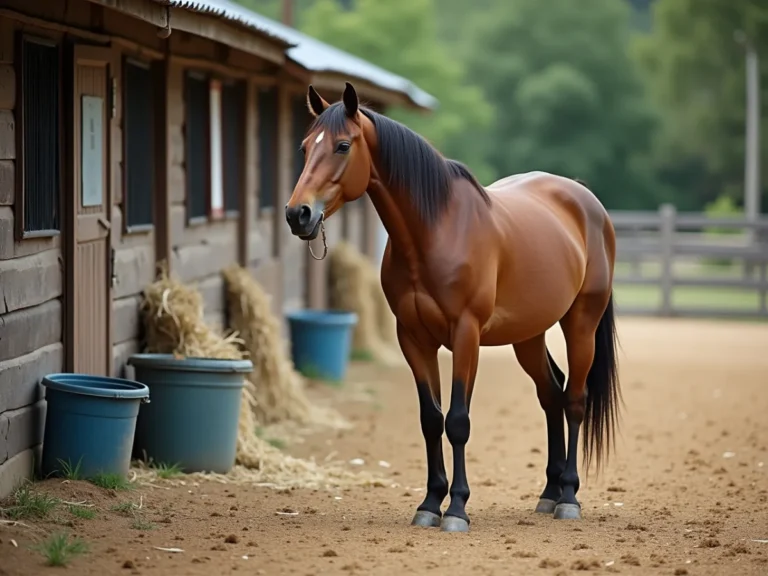
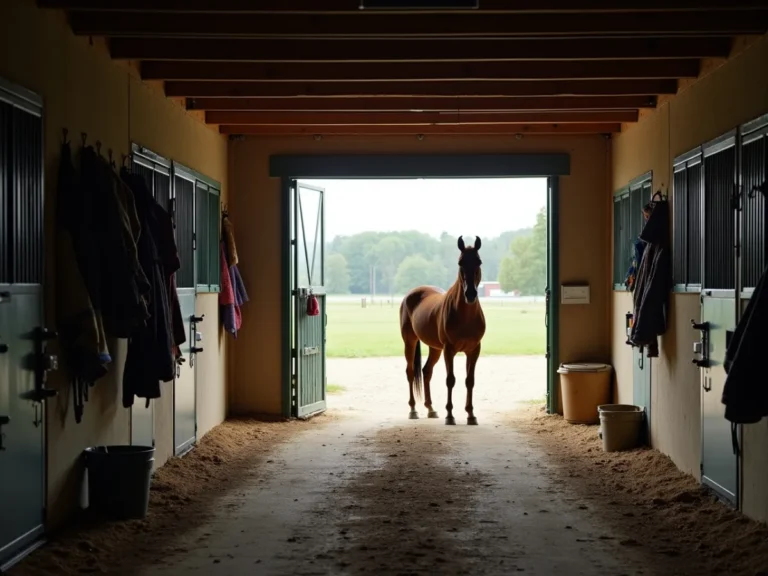
The stall is one of the most common places to see pacing. Some horses walk a line near the door, turn sharply, and repeat the same path. Others sway from side to side, shift their weight endlessly, or weave the head and neck in a fixed rhythm. Limited space and limited stimulation can make these behaviors more obvious.
A horse that paces in the stall may be reacting to what it cannot do. It may want to see other horses, go outside, eat, or simply move more freely. The pattern often becomes stronger at predictable times, especially around feeding or turnout.
Along a fence line or gate
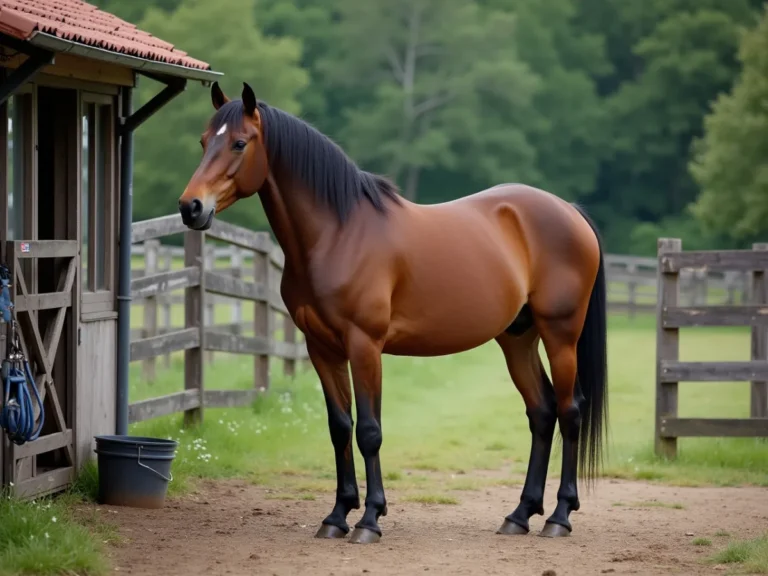
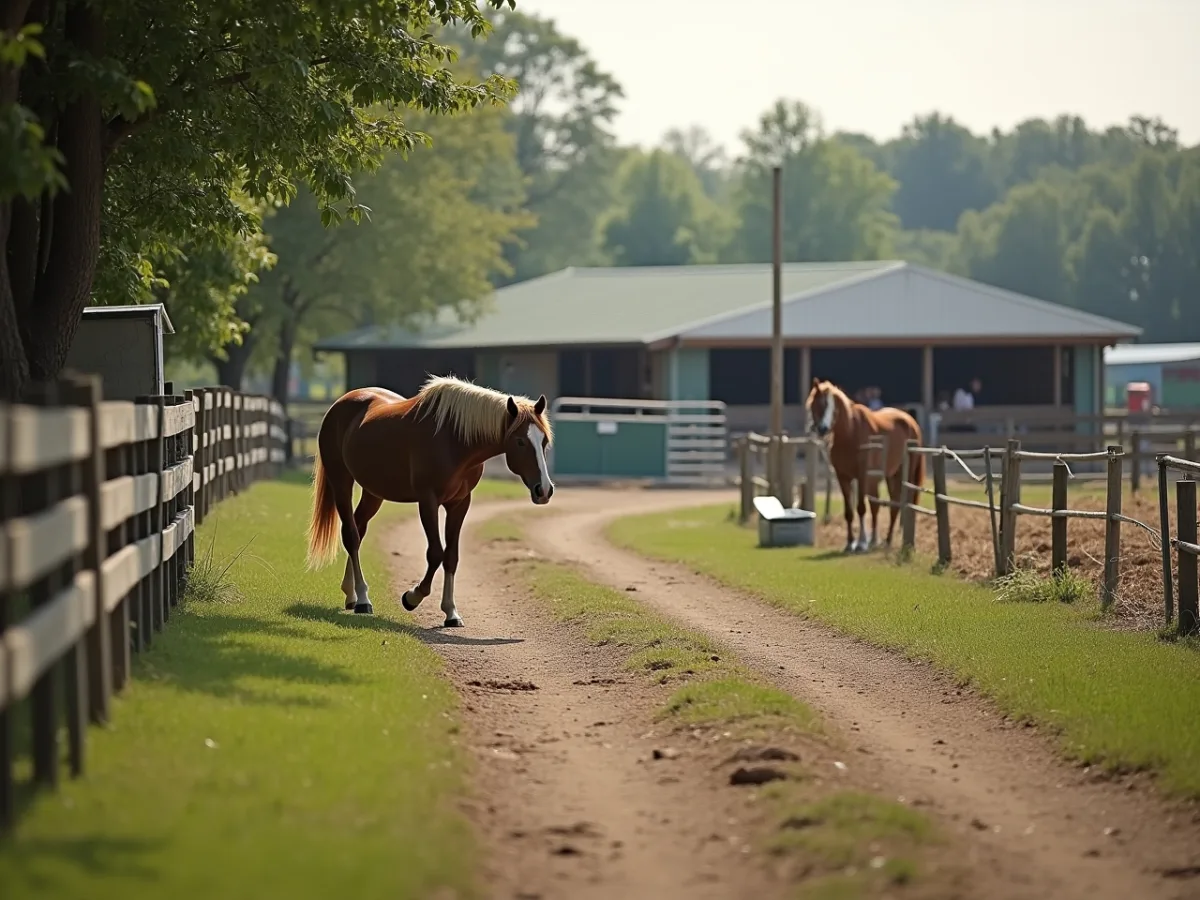
Fence-line pacing is easy to spot in pasture settings. A horse may patrol the same route repeatedly, especially if it is separated from herd mates, waiting for food, or reacting to activity beyond the fence. Gates are common trigger points because horses often learn that humans arrive there with grain, turnout, or attention.
This type of movement can look like impatience, but it may also reflect social tension. A horse that paces the fence may be trying to stay near companions or cope with being left out of the group.
During handling or waiting
Some horses develop repetitive movement when tied, held, or asked to stand still for grooming, tacking, or veterinary care. The horse may shuffle, circle in a tight space, step away and back, or repeatedly swing the hindquarters. If the pattern appears only in handling situations, it may point to impatience, anxiety, or an unclear routine.
Waiting without a job can be difficult for certain horses. A calm horse may stand quietly. Another may need a little more movement, more time to settle, or a different setup altogether.
During transport
Trailering can bring out pacing-like behavior as well. A horse may shift constantly, brace, paw, or sway during travel. Some of this is normal adjustment, but repeated patterns during transport can also reveal stress or balance issues. The trailer environment limits a horse’s ability to choose its own footing and direction, which makes some individuals more reactive.
What the Behavior May Signal About the Horse’s State
Not every repetitive movement means distress. A horse may pace briefly when excited, such as before turnout, before feeding, or when hearing a familiar person arrive. In those moments, the horse is often alert and energized rather than overwhelmed. The behavior may fade as soon as the event happens.
When the movement is frequent or difficult to interrupt, the picture changes. A horse that paces for long periods may be dealing with frustration, isolation, habit, pain, or poor outlet for energy. Repetitive motion can become self-reinforcing. The horse does it once to cope, then starts doing it automatically whenever the trigger appears.
Body language helps separate a calm pattern from a tense one. A horse that paces with a loose neck, soft eye, and relaxed breathing may simply be anticipating something. A horse that paces with a tight jaw, pinned ears, raised head, or rapid shifting may be telling a different story. The same motion can carry very different meaning.
Look at the whole picture: duration, trigger, intensity, and recovery time. A brief, predictable pattern is not the same as a compulsive habit that continues even after the trigger is gone.
How Environment and Surroundings Influence It
Horses notice far more than people often realize. A small change in surroundings can make a big difference in how much a horse moves repetitively. Noise, visual movement, separation from herd mates, feeding schedules, and lack of turnout all shape behavior.
A horse kept in a quiet but isolated area may pace because it wants social contact. Another horse in a busy barn may pace because constant motion and sound keep it on edge. Even weather can matter. A horse stalled for long periods during bad weather may become restless simply because its normal movement has been cut short.
Routine plays a major role too. Horses learn when meals arrive, when the barn opens, and when people show up. If the schedule is late or inconsistent, some horses respond by walking the same path, watching the gate, or circling the stall. What looks like a bad habit may actually be a response to predictability being interrupted.
The physical layout matters as well. Narrow runs, poor sightlines, solid walls, and limited access to other horses can increase repetitive movement. In contrast, more turnout, social contact, and a clear routine often reduce it. The environment does not have to be perfect to help. Small improvements can make a noticeable difference.
Different Forms of Pacing and Repetitive Movement
Calm repetitive movement
Some movement patterns are mild and seem almost neutral. A horse may walk the same short route each afternoon or shift from one side of the stall to the other while waiting for feed. The horse may still be attentive, easy to handle, and settled once the trigger passes. These patterns are worth noticing, but they are not always urgent.
Reactive pacing
Reactive pacing tends to appear suddenly and with stronger energy. The horse may move faster, call out, paw, toss the head, or watch a particular direction. This version often appears around a specific trigger, such as another horse leaving, a trailer arriving, or a person walking away. The repetition is linked to a clear emotional or environmental event.
Controlled but persistent movement
Some horses seem to have learned a pattern so well that it happens with little visible emotion. The horse may walk the same line every evening or sway gently while waiting. The behavior looks controlled, yet it may still reflect a long-standing need or habit. A quiet pattern is not automatically a harmless one.
Defensive or tension-based movement
In some cases, the movement is part of a broader defensive response. The horse may keep distance, avoid eye contact, move away from touch, or stay highly alert while repeating the pattern. This is common when the horse feels trapped, unsure, or over-stimulated. The repetitive motion becomes one piece of a larger stress response.
| Pattern | Common setting | Often linked to |
|---|---|---|
| Fence-line walking | Pasture or paddock | Separation, anticipation, boredom |
| Stall pacing | Indoor housing | Restlessness, limited movement, routine change |
| Weaving | Stall or cross-tie area | Frustration, habit, social stress |
| Swaying or shifting | Standing tied or waiting | Impatience, discomfort, habit |
Subtle Signals That Often Come with the Movement
Repetitive movement rarely stands alone. The rest of the body usually adds clues. Ears may flick back and forth, stay locked on a sound, or turn outward in a dull, tired way. The eyes may be wide and watchful, or soft but unfocused. The tail may swish sharply, or the whole body may look stiff.
Some horses breathe faster while pacing. Others hold their breath, especially when tense. The neck may remain high, the back tight, and the steps short and quick. In softer cases, the horse may move with a loose rhythm and settle quickly when the environment changes.
Repeated movement can also come with vocalizing, pawing, or persistent looking toward a specific place. If the horse is pacing every time another horse leaves the barn, the meaning may be social rather than physical. If it happens only when the horse is confined for too long, the need for movement may be the main factor.
Pay attention to what happens before and after the behavior. A horse that settles easily once turned out is likely responding to confinement. A horse that keeps pacing even after the trigger is removed may have a more established habit or a stronger internal stress pattern.
What People Often Misread
It is easy to mistake pacing for “bad manners” or simple impatience. Sometimes it is impatience, but that answer can be too shallow. Horses do not usually repeat movement for no reason. Even a horse that has learned the habit may have developed it because something felt difficult, limited, or emotionally uncomfortable.
Another common mistake is assuming the behavior is always caused by anxiety. That is not always true either. Some horses pace because they are excited, especially at predictable times. Others do it because the pattern has become familiar and self-soothing. A horse may look busy, but the internal state can vary widely.
People also sometimes focus only on stopping the movement. That approach misses the larger point. If the horse is pacing because it needs turnout, social contact, or a better routine, suppressing the visible behavior does not fix the cause. The underlying issue usually stays in place.
How Horse-Human Interaction Shapes the Pattern
Human routines often shape repetitive movement more than owners expect. Horses quickly learn when people arrive, how long they stay, and what happens next. If every handling session ends with the horse being left alone again, the movement may grow stronger before and after interaction. The horse is not acting out. It is learning from the pattern of the day.
Handling style matters too. A horse that is rushed, corrected often, or kept waiting without release may start pacing as soon as it sees the halter or saddle. Another horse may become repetitive only when people leave, especially if it feels isolated or unsure. These responses are not the same, even if they look similar from the aisle.
There is also a relationship element. Horses that trust their environment and their handlers often settle more easily. Horses that spend much of the day guessing what will happen next may show more restless movement. A predictable rhythm, fair handling, and social contact can change the pattern over time.
When the Pattern Becomes More Noticeable
Some horses only pace during specific seasons or life changes. Winter confinement, a new boarding barn, rehab from injury, or changes in herd structure can bring the behavior to the surface. The horse may have had a mild tendency before, but the new situation makes it much easier to see.
Younger horses may show more movement simply because they have extra energy and less patience for standing still. Older horses can pace too, especially if a familiar routine changes or they are separated from companions they rely on. The age of the horse matters, but it does not fully explain the pattern.
If the behavior grows more frequent, longer in duration, or harder to interrupt, that shift deserves attention. A horse that once paced briefly before meals but now walks the fence for hours is telling a different story. The pattern has become more established, or the environment has become more stressful.
Long-Term Patterns and Consistency
Repetitive movement is most informative when seen over time. One episode does not define the horse. A week of pacing during a schedule change may resolve once the horse adjusts. A months-long pattern that appears in the same situations is more meaningful.
Keeping track of when the behavior happens can reveal useful trends. Some owners notice it is strongest in the late afternoon. Others see it only when a neighboring horse leaves, or when the horse is stalled after turnout. Consistency tells a story. It points toward triggers rather than random habit.
Long-term observation also helps identify what reduces the behavior. More turnout, stable companions, feeding changes, or a different stall location may lower the frequency. If the pacing disappears in one environment and returns in another, the surroundings are probably part of the cause.
Practical Ways to Read the Behavior Clearly
- Notice the trigger: feeding, isolation, waiting, or handling.
- Watch the duration: brief, occasional, or prolonged.
- Check body language: relaxed, alert, tense, or defensive.
- Compare settings: stall, pasture, trailer, or grooming area.
- Look for change over time: improving, stable, or getting stronger.
A single detail can be misleading. A horse that paces before feed time may simply be excited. The same horse pacing for long periods after a schedule change may be telling a different story. Context changes everything.
It also helps to separate motion from mood. A horse can move a lot and still be mentally settled. Another may move less but be visibly stressed. The amount of movement matters, but so does the quality of it.
Repeated movement is best understood as communication through action. The pattern may be mild, habitual, excited, or stressed. The setting and the horse’s body language usually reveal which one it is.
A Natural End to the Pattern
Pacing and repetitive movement patterns sit at the intersection of instinct, routine, and environment. A horse may use motion to cope with waiting, separation, tension, or simple excess energy. The same walk down a fence line can mean anticipation in one moment and frustration in another. Reading it well means paying attention to timing, body language, and the daily conditions around the horse.
When the pattern is understood in context, it becomes easier to respond in a sensible way. Sometimes that means adjusting turnout. Sometimes it means changing how a horse is housed or handled. Sometimes it means recognizing that a familiar habit has become part of the horse’s way of managing the world. The movement itself is only the surface. The real message is usually in the pattern around it.