A horse can look perfectly familiar and still react as if something has changed. A gate that has been there for years suddenly matters. A bucket, a jacket, a shadow, or a sound from the lane can bring out a response that seems out of proportion to the moment.
That is what makes unpredictable reactions so interesting. They are not always signs of “bad behavior.” Often, they reflect how closely a horse is reading the world and how quickly a small shift in smell, sound, movement, or routine can alter that reading.
For owners, the challenge is not only noticing the reaction itself, but understanding what sits behind it. A horse may appear calm one minute and sharp the next, and the reason is often hidden in details that people overlook.
Why a Familiar Thing Can Suddenly Feel New
Horses learn by repetition, but they do not treat familiarity as a guarantee. A common object may be accepted for weeks and then prompt a startled step, a hard stare, or a refusal to move past it. The object has not necessarily changed in any obvious way, yet the horse’s experience of it may have.
Small differences matter. A familiar stimulus can look unfamiliar when seen from another angle, when moved slightly, or when paired with a different sound or smell. A feed bin in the same place can seem harmless in daylight and suspicious at dusk. A steady routine can also become less steady when the horse is tired, uncomfortable, or mentally busy.
What looks “random” is often the result of a horse noticing a detail that people did not register.
That sensitivity is part of how horses stay safe. In the wild, noticing subtle changes can mean avoiding danger. In domestic life, the same instinct can produce reactions that seem sudden or inconsistent.
How Unpredictable Reactions Appear in Everyday Handling
These reactions rarely show up the same way every time. One horse may freeze when a familiar wheelbarrow is left in a slightly different position. Another may swing the hindquarters away from a person carrying a new jacket. A third may seem fine in the stall and then react sharply at the arena entrance.
Common forms of response
- Stopping and staring at a familiar object
- Snorting, blowing, or raising the head
- Quick side steps or a sudden spin
- Reluctance to pass through a doorway or gate
- Tight muscles and a rigid posture before movement
- Refusing touch in one area after seeming fine moments earlier
In hand, the reaction may be brief and dramatic. Under saddle, it can become more complicated because motion, pressure, and rider cues are added to the picture. A horse that would simply pause in the aisle may become more reactive when asked to continue forward under riding pressure.
Sometimes the reaction is controlled. The horse hesitates, checks the object, then proceeds. Other times it is defensive. The horse rushes away, crowds the handler, or seems unable to settle until the stimulus is gone. The difference matters, because it can point to very different levels of concern.
What the Horse May Be Feeling Internally
Unpredictable reactions often come from a mix of alertness, caution, and temporary overload. The horse may not be “choosing” to be difficult. It may be processing too many signals at once, or one small signal may be enough to trigger a strong response because the horse is already on edge.
Internal state shapes the reaction more than most people realize. A horse that is well rested and comfortable usually tolerates oddities better. A horse that is sore, hungry, separated from companions, or recently changed in management may react more quickly and less predictably.
Possible internal drivers
- Heightened vigilance after a stressful event
- Physical discomfort that lowers patience
- Fatigue from work, weather, or travel
- Confusion from mixed or inconsistent handling
- Strong instinct to move away from anything unclear
These reactions can also reflect memory. Horses do not need a perfect match to the past to feel uneasy. A smell, a shape, or a sound pattern can bring back a previous bad experience, even when the person nearby has no idea that connection exists.
A horse may react to the memory of a stimulus, not just the stimulus itself.
How the Environment Changes the Reaction
The same stimulus can produce very different behavior depending on where it appears. In a quiet field, a horse may notice a plastic bag and look at it for a few seconds. Near the barn, with people moving, dogs barking, and machinery running, that same bag may trigger a sharper response.
Environments with many competing inputs often raise the chance of unpredictable reactions. The horse is not only responding to one object. It is also managing footing, noise, traffic, the presence of other horses, and the general feel of the place. A calm horse can become reactive simply because the whole scene is busy.
Changes in lighting matter too. Early morning shadows, harsh indoor contrasts, reflections in water, and moving patches of sunlight can make familiar spaces appear different. A horse may balk at the end of an aisle or at the edge of an arena because the visual picture does not feel stable.
Environmental factors that often influence reaction
- Noise from equipment, vehicles, or wind
- Sudden movement in the background
- Changes in footing texture or color
- Smells from new hay, chemicals, or livestock
- Weather shifts, especially wind and pressure changes
- Altered routines in feeding, turnout, or exercise
Even small changes can stack up. A horse that is usually steady may have a rougher day if turnout was shorter, the weather turned wet, and the arena door was left open. None of those things alone is dramatic, but together they can reduce the horse’s patience with ordinary sights and sounds.
Real-Life Situations Where Familiar Stimuli Turn Uncertain
Unpredictable reactions tend to show up in places where horses spend the most time. That makes them easy to dismiss as quirks, but the pattern often tells a clearer story.
In the stable
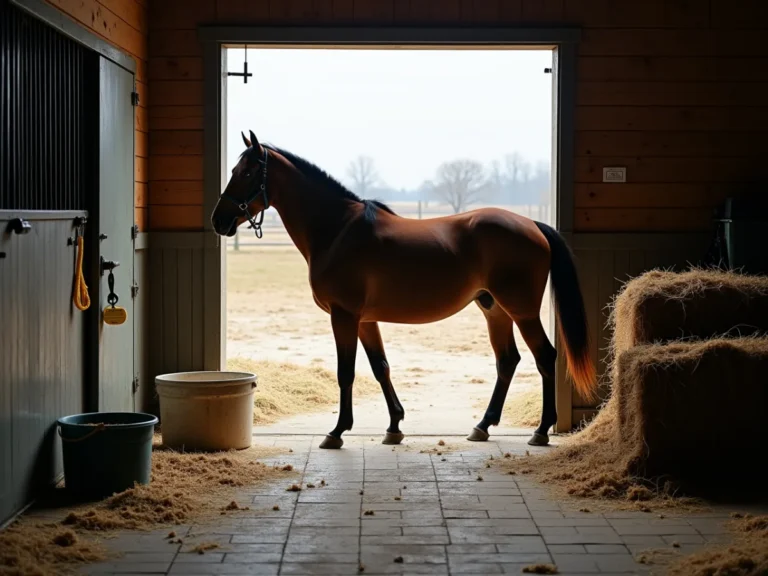
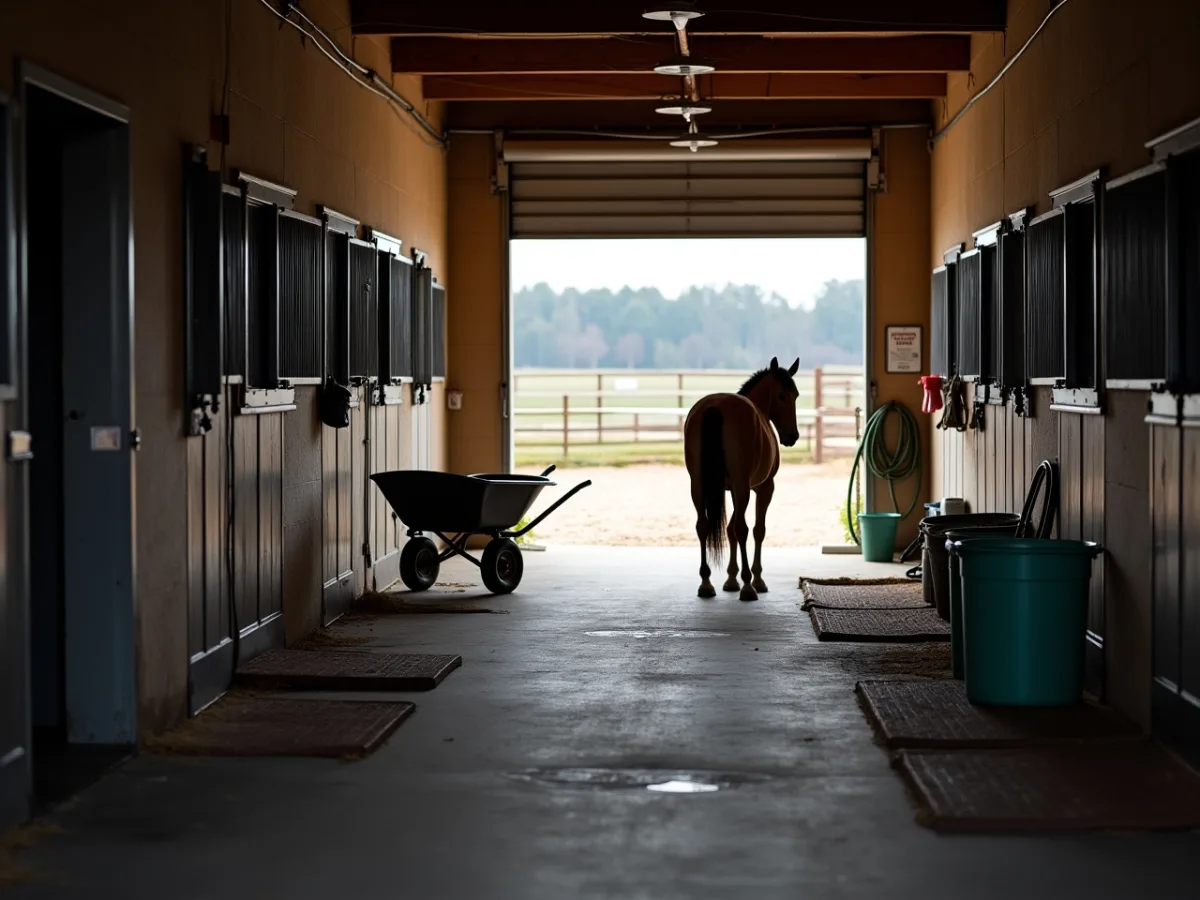
In the barn, a horse may object to a wheelbarrow, hose, rake, blanket, or feed cart that has been moved a few feet from its usual place. Some horses are also sensitive to routine changes, such as a different person delivering grain or a missed turnout time. A horse that is normally relaxed in the stall can become watchful when the daily pattern shifts.
In the pasture
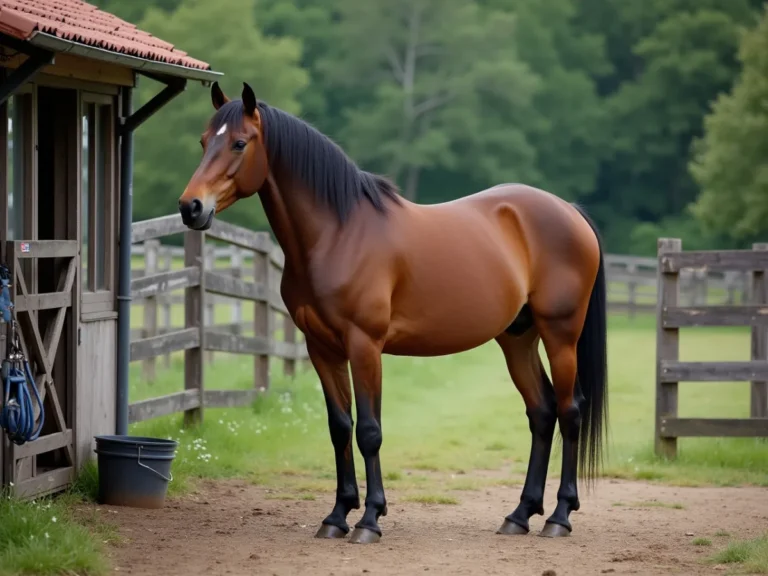
Field reactions often seem milder, but they can still surprise owners. A horse may spook at a deer in the hedge, avoid a muddy patch that was not there yesterday, or react strongly when a companion leaves the group. What appears to be a reaction to “nothing” is often a response to social tension, distance, or a change in the landscape.
During riding
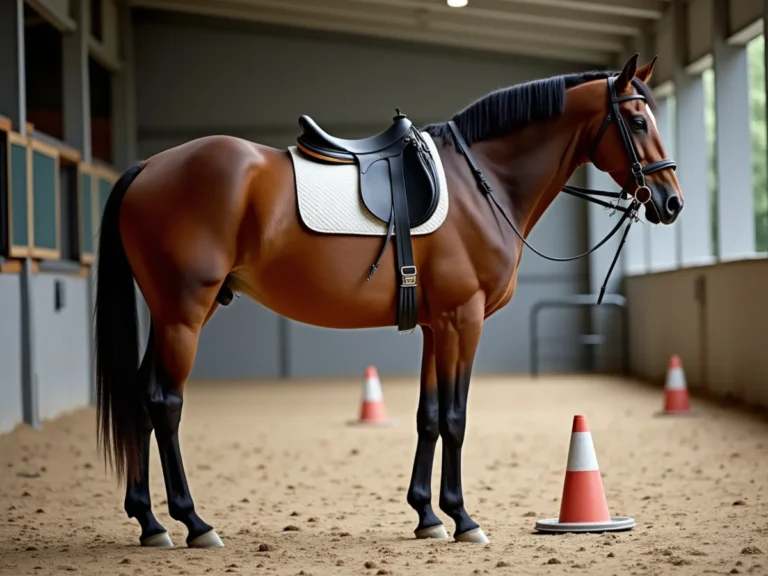
Under saddle, familiar stimuli can become more difficult because the rider’s seat and hands add pressure. A horse that is generally fine in the arena may react when passing the same corner after a jump, when a tarp appears outside the fence, or when a tractor starts nearby. The horse has to cope with the stimulus and continue carrying a rider, which raises the challenge.
During transport
Trailer loading and unloading bring out some of the clearest examples. A horse may load well for weeks and then become suspicious of the ramp, divider, or even the sound of chains. The setting is already demanding, so a small change in scent, footing, or vibration can tip the horse from calm to uncertain.
| Situation | Typical trigger | Common response |
|---|---|---|
| Stable aisle | Moved equipment | Staring, hesitation, sidestepping |
| Pasture | Companion shifts away | Calling, pacing, brief alarm |
| Arena | Noise or shadow | Spook, refusal, tension |
| Trailer | Footing or sound change | Backing off, freezing, rushing |
Signals That Often Come Before the Bigger Reaction
People usually notice the larger response first, but the horse often gives quieter warnings earlier. These signals are useful because they show how the reaction is building.
Ear position may change quickly. The horse may lock one ear forward, flick both ears back and forth, or hold them in a tense, fixed angle. The neck may stiffen. The head may rise. Breathing may become shorter and more visible.
Body language can also narrow. The horse may stop swinging through the back, place weight unevenly, or shift the hind legs as if preparing to leave. A horse that was chewing or blinking calmly may suddenly go still.
Small changes in posture often appear before a larger reaction. They are easy to miss, but they matter.
Subtle signs worth noticing
- Slower blinking or a fixed stare
- Muscle tightness along the neck and shoulders
- Uneven weight distribution
- Loss of rhythm in the walk or trot
- Short, shallow breaths
- Brief tension in the lips or nostrils
Not every alert response is a problem. Horses should notice their environment. The key question is whether the horse can process the stimulus and return to normal, or whether the reaction keeps building and spills into avoidance or panic.
When a Reaction Seems Inconsistent
Inconsistent reactions frustrate people because they appear to lack logic. A horse walks past the same stack of poles five times, then shies at it on the sixth. That inconsistency often has more to do with context than with stubbornness.
The horse may have entered that moment with less tolerance. Maybe the work had already gone on too long. Maybe a prior noise left the horse more watchful. Maybe the object looked more defined because the sun had shifted or the horse approached from a new direction. Horses are quick to notice contrast, and contrast changes the meaning of a familiar scene.
In some cases, inconsistency is linked to discomfort. A horse with mild pain may be more reactive on certain days or during certain movements. The stimulus is only the last thing the horse notices before expressing tension. That is why owners often see the reaction in one setting but not another.
How People Misread Familiar-Stimulus Reactions
Owners sometimes assume that because the horse has seen something before, it should never react to it again. That expectation does not fit how horses actually work. Familiarity helps, but it does not erase instinct or memory.
Another common misunderstanding is to treat every reaction as a discipline issue. Sometimes the horse is genuinely uncertain. Sometimes the response is related to a sound, smell, or visual cue that a person missed completely. Correcting the horse without reading the situation can make the next reaction stronger.
It is also easy to overlook the difference between caution and escalation. A horse that stops and studies an object is using information. A horse that repeatedly rushes, pins its body, or cannot recover after the stimulus passes may be telling the handler that the situation feels too intense.
The Role of Routine in Predictable and Unpredictable Responses
Routine can steady a horse, but it can also shape how sharply the horse reacts when that routine changes. Horses notice the order of things. They remember the time feed arrives, where companions usually stand, and which route leads to turnout. When those patterns shift, even slightly, reactions to ordinary stimuli can become more abrupt.
A horse with a consistent schedule often has an easier time filtering minor changes. But if the routine becomes uneven, the horse may stay more alert for longer periods. That alertness can make familiar objects seem less familiar.
Owners sometimes notice this after travel, a show, a weather emergency, or a change in barn staff. The horse may return to normal only after several days of regular, uneventful handling. The pattern is rarely instant. It usually resets in small steps.
What Long-Term Patterns Can Reveal
A single odd reaction does not tell the full story. The more useful question is what repeats. Does the horse react more in the afternoon than in the morning? Does the reaction happen around specific objects, specific people, or specific places? Does the horse improve after turnout, or does the behavior grow when time in the stall increases?
Long-term observation can show whether the horse is generally sensitive, temporarily overloaded, or reacting to a specific problem that needs attention. If the pattern is always tied to the same corner, sound, or handling style, that is different from a horse that reacts in many unrelated situations.
Consistency also matters in the recovery. Some horses startle and then settle quickly. Others stay tense long after the trigger is gone. That lingering tension often gives a better clue about how strongly the horse experienced the event than the reaction itself.
Questions that help clarify the pattern
- Does the reaction appear only in one location?
- Does it happen more when the horse is tired or hungry?
- Is there a specific sound or movement nearby?
- Does the horse recover quickly or stay worried?
- Has the horse’s comfort level changed recently?
Looking at the pattern over time helps separate ordinary alertness from a horse that is carrying stress into many parts of the day.
How Human Interaction Can Shape the Response
Horses pay close attention to the people around them. They learn whether a handler is steady, rushed, quiet, or inconsistent. A person who changes direction suddenly, tightens the lead rope, or reacts nervously can make a horse less confident around an otherwise ordinary stimulus.
Gentle handling does not mean ignoring the reaction. It means giving the horse enough time to process, while keeping the situation clear. When people move too quickly, they may accidentally add pressure to a horse that was only mildly unsure. That can turn a small hesitation into a bigger response.
The horse–human relationship becomes especially important when reactions repeat around handling tasks. Catching, grooming, blanketing, trailer loading, and leading through narrow spaces all depend on trust built through ordinary repetition. A horse that feels understood is often easier to bring back to center after a surprise.
Clear handling can reduce the size of a reaction, even when it does not remove the trigger itself.
Different Reactions, Different Meanings
Not all unpredictable responses carry the same weight. A brief startle at a moving tarp is not the same as repeated panic at the same object. A horse that glances, checks, and continues is showing a different level of concern than one that braces, resists, or runs.
The meaning also changes with frequency. Rare reactions may simply reflect momentary surprise. Regular reactions to the same kind of stimulus can point to a deeper sensitivity, an unresolved discomfort, or a problem in the horse’s daily environment.
It helps to think in terms of pattern, intensity, and recovery. Those three factors usually tell more than the object itself.
Natural Sensitivity Is Part of the Picture
At the center of these reactions is a simple fact: horses are built to notice the world quickly. That ability helps them survive, but it also means they sometimes respond strongly to changes that seem minor to us. Familiarity lowers the odds of a reaction, yet it does not remove the horse’s instinct to check first and decide later.
When a horse reacts unpredictably to a familiar stimulus, the most useful response is usually to look for context. The object may not be the whole issue. Timing, discomfort, routine, environment, and prior experience all shape what happens next. Once those pieces are considered together, the reaction often makes more sense than it first appeared to.
That is why the same horse can seem easy one day and guarded the next. The world did not become mysterious overnight. The horse simply noticed something different, and for a moment, that difference mattered more than familiarity.